
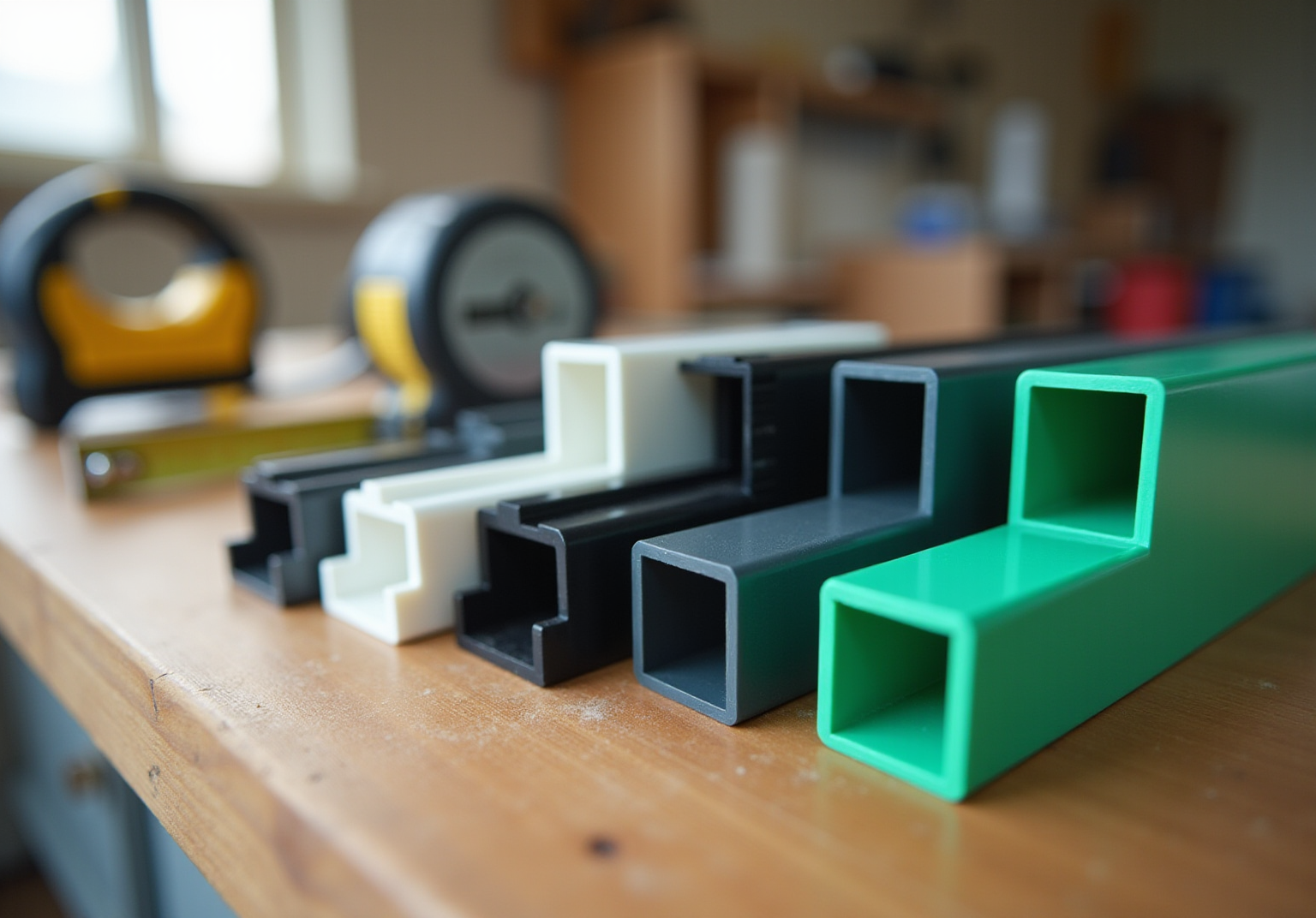
Understanding Plastic Angle Pieces: Definition, Uses, and Evolution
Introduction
Plastic angle pieces are often overlooked in the vast world of manufacturing, yet they play a crucial role in enhancing both functionality and aesthetics across various industries. These versatile L-shaped profiles, crafted from durable materials like PVC and polypropylene, offer a unique blend of strength and adaptability. This makes them essential for applications ranging from structural support to decorative trim.
As the demand for innovative solutions grows, how have these seemingly simple components evolved to meet the complex needs of modern manufacturing? This article delves into the definition, uses, and evolution of plastic angle pieces, revealing their significance in shaping the future of industrial applications. Furthermore, understanding their role can help businesses make informed decisions about their manufacturing processes.
Define Plastic Angle Pieces: Characteristics and Composition
Plastic angle pieces are strong L-shaped profiles made from durable materials like PVC, polypropylene, or polyethylene. With their 90-degree corners, these profiles serve multiple purposes, including edge protection, structural support, and decorative trim. Notably, the composition of these plastic angle pieces often includes additives that enhance durability, UV resistance, and chemical stability, making them suitable for both indoor and outdoor applications.
In agricultural settings, for example, these components protect irrigation systems from environmental damage, showcasing their versatility. PVC is well-known for its durability and rust resistance, making it a popular choice for outdoor use. Meanwhile, polypropylene offers exceptional impact resistance and flexibility, making it ideal for various industrial applications. Additionally, polyethylene, recognized for its lightweight and chemical-resistant properties, is a favored option for corner profiles across different uses.
The functional applications of polymer edge trim extend to high-traffic areas such as commercial spaces, hospitals, and schools, where they safeguard corners from damage while enhancing the aesthetic appeal of installations. By effectively covering rough or uneven edges, synthetic corner components not only improve safety by preventing snags or injuries but also contribute to the longevity of the surfaces they protect. This adaptability positions them as essential elements in the manufacturing of OEM machinery and cable protection systems, meeting the demands of businesses seeking reliable and durable solutions.
Since 1948, Lincoln Plastics, a leader in custom extrusion solutions, has been providing high-quality plastic angle pieces tailored for specific applications. The global polymer component market is projected to grow from USD 569.50 billion in 2025 to approximately USD 987.78 billion by 2034, with a CAGR of 6.31%. This growth underscores the increasing demand for dependable suppliers like Lincoln Plastics, who can deliver on time and ensure quality assurance in their rigid extrusion solutions.

Explore the Role of Plastic Angle Pieces in Manufacturing Applications
Plastic angle pieces are vital components in various manufacturing applications, especially within the industrial OEM machinery sector. They deliver essential structural support and stability, ensuring that machinery components remain securely in place during operation. For instance, in cable protection systems, synthetic corners create protective barriers around wiring, effectively preventing damage from environmental factors like moisture and wear. Furthermore, these profiles act as edge guards for outdoor components, significantly enhancing the durability of products exposed to harsh conditions.
The lightweight nature of synthetic corners, combined with their ease of installation, makes them a preferred choice in manufacturing processes. Their versatility allows for customization in properties such as color and flexibility, catering to specific application needs. In real-world scenarios, manufacturers have successfully utilized corner components made of synthetic material to bolster equipment stability and protect delicate parts. This showcases their value in enhancing operational efficiency. As the demand for reliable and durable solutions continues to rise, the role of plastic angle pieces in OEM machinery and cable protection systems becomes indispensable.
Moreover, Lincoln Plastics' expertise in extrusion molding empowers the creation of customized materials that meet specific industry standards. This capability not only strengthens their significance in contemporary manufacturing but also positions them as a leader in delivering tailored solutions. Are you ready to enhance your manufacturing processes with reliable and innovative plastic components?
Trace the Evolution of Plastic Angle Pieces: From Concept to Industry Standard
The evolution of corner fittings showcases the remarkable capabilities of polymer extrusion technology. Initially, these profiles had limited material options and applications. However, as the extrusion process advanced, manufacturers began experimenting with various resins, leading to the development of more resilient and adaptable synthetic corners. By the late 20th century, synthetic corner components emerged as an industry standard, widely utilized across sectors such as construction, automotive, and agriculture. Innovations in co-extrusion techniques have further enhanced their functionality, enabling the creation of multi-layered profiles that combine different materials for superior performance.
Significant advancements in manufacturing techniques, particularly co-extrusion, have facilitated the integration of high-performance polymers like PVC and polypropylene. These materials enable the production of corner components that meet the stringent requirements of industrial OEM machinery and cable protection systems. At Lincoln Plastics, we collaborate closely with OEMs to ensure our products fulfill all quality standards, including specialized checks for ‘fit and function’. The adoption of co-extrusion techniques allows us to customize the properties of materials used in angles for specific applications, enhancing their utility in various industrial contexts.
Furthermore, the extrusion industry is increasingly embracing sustainability practices, incorporating recycled materials and biodegradable polymers into the production process. This shift not only addresses environmental concerns but also aligns with the growing emphasis on eco-friendly manufacturing solutions.
Historical case studies illustrate the impact of these advancements. For instance, the incorporation of advanced profile extrusion methods at Lincoln Plastics has significantly enhanced product functionality while reducing manufacturing steps. This demonstrates the versatility and ongoing significance of extrusion technology in contemporary manufacturing. As a result, synthetic corner components have become essential elements in the design and functionality of equipment across diverse sectors.

Identify Key Characteristics and Variations of Plastic Angle Pieces
Plastic corner pieces are available in a wide range of sizes, colors, and material compositions, each designed for specific applications. A key characteristic is the profile thickness, which greatly impacts strength and durability. For example, thicker profiles are often favored in agricultural irrigation systems, as they can withstand environmental stressors, ensuring both longevity and reliability. Additionally, the choice of plastic is crucial, affecting resistance to chemicals and UV exposure - factors that are vital for outdoor applications.
Variations such as equal leg and unequal leg shapes address different structural needs, allowing for customized solutions. Custom profiles can be produced to meet unique specifications, offering flexibility in design and application. When it comes to performance, the thickness of plastic angle pieces is crucial; thicker plastic angle pieces typically provide enhanced strength, making them ideal for demanding environments. This adaptability is particularly advantageous for OEMs in search of dependable components that can seamlessly integrate into various machinery and systems, thereby ensuring operational efficiency and durability.
Furthermore, the versatility of these corner pieces means they can be tailored to meet the specific requirements of any project. By choosing the right profile and material, you can enhance the performance and lifespan of your installations. Are you ready to elevate your projects with reliable plastic solutions? Explore our offerings today and discover how our products can meet your needs.

Conclusion
Plastic angle pieces are not just components; they are essential assets that combine strength, versatility, and adaptability across a multitude of applications. With their unique L-shaped design and robust materials like PVC, polypropylene, and polyethylene, they provide critical structural support, edge protection, and aesthetic enhancements in various settings. This adaptability positions them to meet the ever-evolving demands of industries ranging from manufacturing to agriculture.
Key points throughout this article underscore the diverse applications of plastic angle pieces, illustrating their evolution from basic components to industry standards. Advancements in manufacturing techniques have significantly enhanced their functionality, ensuring they meet the rigorous demands of modern use. Their characteristics, including variations in thickness and material composition, highlight their reliability and safety, particularly in high-traffic areas and outdoor environments. Companies like Lincoln Plastics play a pivotal role in delivering tailored solutions, showcasing the ongoing innovation within the industry.
As the demand for durable and eco-friendly manufacturing solutions rises, embracing the benefits of plastic angle pieces becomes crucial for businesses aiming to boost operational efficiency and product longevity. By recognizing their significance and exploring the possibilities they present, industries can leverage these versatile components to achieve greater success. Investing in quality plastic angle pieces not only enhances safety and aesthetics but also aligns with the sustainability goals that are increasingly vital in modern manufacturing practices.
Frequently Asked Questions
What are plastic angle pieces and what are their characteristics?
Plastic angle pieces are strong L-shaped profiles made from durable materials such as PVC, polypropylene, or polyethylene. They have 90-degree corners and serve various purposes, including edge protection, structural support, and decorative trim.
What materials are commonly used to make plastic angle pieces?
Common materials for plastic angle pieces include PVC, polypropylene, and polyethylene. Each material offers unique properties suitable for different applications.
How do additives enhance the performance of plastic angle pieces?
Additives in plastic angle pieces enhance durability, UV resistance, and chemical stability, making them suitable for both indoor and outdoor applications.
What are some specific applications of plastic angle pieces in agriculture?
In agricultural settings, plastic angle pieces protect irrigation systems from environmental damage, demonstrating their versatility in various applications.
Why is PVC a popular choice for outdoor use in plastic angle pieces?
PVC is known for its durability and rust resistance, making it a popular choice for outdoor applications.
What advantages does polypropylene offer for industrial applications?
Polypropylene provides exceptional impact resistance and flexibility, making it ideal for various industrial uses.
What are the benefits of using polyethylene for corner profiles?
Polyethylene is lightweight and chemical-resistant, making it a favored option for corner profiles across different applications.
In what types of environments are polymer edge trims commonly used?
Polymer edge trims are commonly used in high-traffic areas such as commercial spaces, hospitals, and schools to protect corners from damage and enhance aesthetic appeal.
How do synthetic corner components improve safety?
Synthetic corner components cover rough or uneven edges, preventing snags or injuries and contributing to the longevity of the surfaces they protect.
What role does Lincoln Plastics play in the plastic angle pieces market?
Lincoln Plastics is a leader in custom extrusion solutions, providing high-quality plastic angle pieces tailored for specific applications since 1948.
What is the projected growth of the global polymer component market?
The global polymer component market is projected to grow from USD 569.50 billion in 2025 to approximately USD 987.78 billion by 2034, with a CAGR of 6.31%.
List of Sources
- Define Plastic Angle Pieces: Characteristics and Composition
- precedenceresearch.com (https://precedenceresearch.com/plastic-component-market)
- mkmplastics.com (https://mkmplastics.com/blog/post/5-uses-for-our-plastic-angle-trim)
- rodongroup.com (https://rodongroup.com/blog/plastic-injection-molded-display-components-case-study)
- Explore the Role of Plastic Angle Pieces in Manufacturing Applications
- insights.made-in-china.com (https://insights.made-in-china.com/Why-Are-Plastic-Profiles-Transforming-Modern-Manufacturing-You-Won-t-Believe-Their-Impact_UGeTlqfZVnit.html)
- chicomm.com (https://chicomm.com/blog/6-manufacturing-quotes-to-inspire-and-motivate-your-team)
- plasticsmachinerymanufacturing.com (https://plasticsmachinerymanufacturing.com/manufacturing/article/55339123/plastics-machinery-oems-express-optimism-worry-for-2026)
- navigatecontent.com (https://navigatecontent.com/blog/inspirational-manufacturing-business-industry-quotes)
- Lean Manufacturing Quotes: Here's 12 More to Inspire You (https://l2l.com/blog/12-lean-manufacturing-quotes-to-inspire)
- Trace the Evolution of Plastic Angle Pieces: From Concept to Industry Standard
- Exploring the History and Evolution of Plastic Extrusion - Goodfish (https://goodfishgroup.com/exploring-the-history-and-evolution-of-plastic-extrusion)
- Shaping the Future: Innovations in Plastic Extrusion Techniques - SeaGate Plastics Company (https://seagateplastics.com/shaping-the-future-innovations-in-plastic-extrusion-techniques)
- en.wikipedia.org (https://en.wikipedia.org/wiki/Timeline_of_plastic_development)
- Identify Key Characteristics and Variations of Plastic Angle Pieces
- Injection molding outlook: Cautious optimism for 2026 (https://plasticsnews.com/suppliers/machinery/pn-machinery-outlook-injection-molding-2025)
Related posts

Right-Sized Production Runs: Flexibility Without the Waste
Lincoln Plastics offers right-sized production runs with a 10-hour minimum — balancing efficiency with flexibility so OEMs avoid oversized orders.


Co-Extrusion: Combining Two Materials for Better Performance
Lincoln Plastics offers co-extrusion, combining two plastics into a single profile for greater design freedom, performance, and cost savings.
Beyond Extrusion: Value-Added Services That Simplify Production
Beyond Extrusion: Value-Added Services That Simplify Production
