
Understand ABS Plastic Temperature Ratings for Optimal Procurement
Introduction
Understanding ABS plastic can feel a bit overwhelming, right? But it’s super important for industries that depend on its unique properties. With its awesome mix of toughness, impact resistance, and thermal stability, ABS has really become a go-to material in manufacturing. Just think about automotive applications - safety and performance are key there!
Now, here’s the kicker: figuring out the temperature ratings for ABS plastic can be tricky. Manufacturers often find themselves scratching their heads, trying to optimize their procurement strategies. So, how do you make sure you’re picking the right grade of ABS for your specific needs? And what are some best practices to keep in mind for managing temperature during processing? Let’s dive into this together!
Explore the Basics of ABS Plastic: Composition and Characteristics
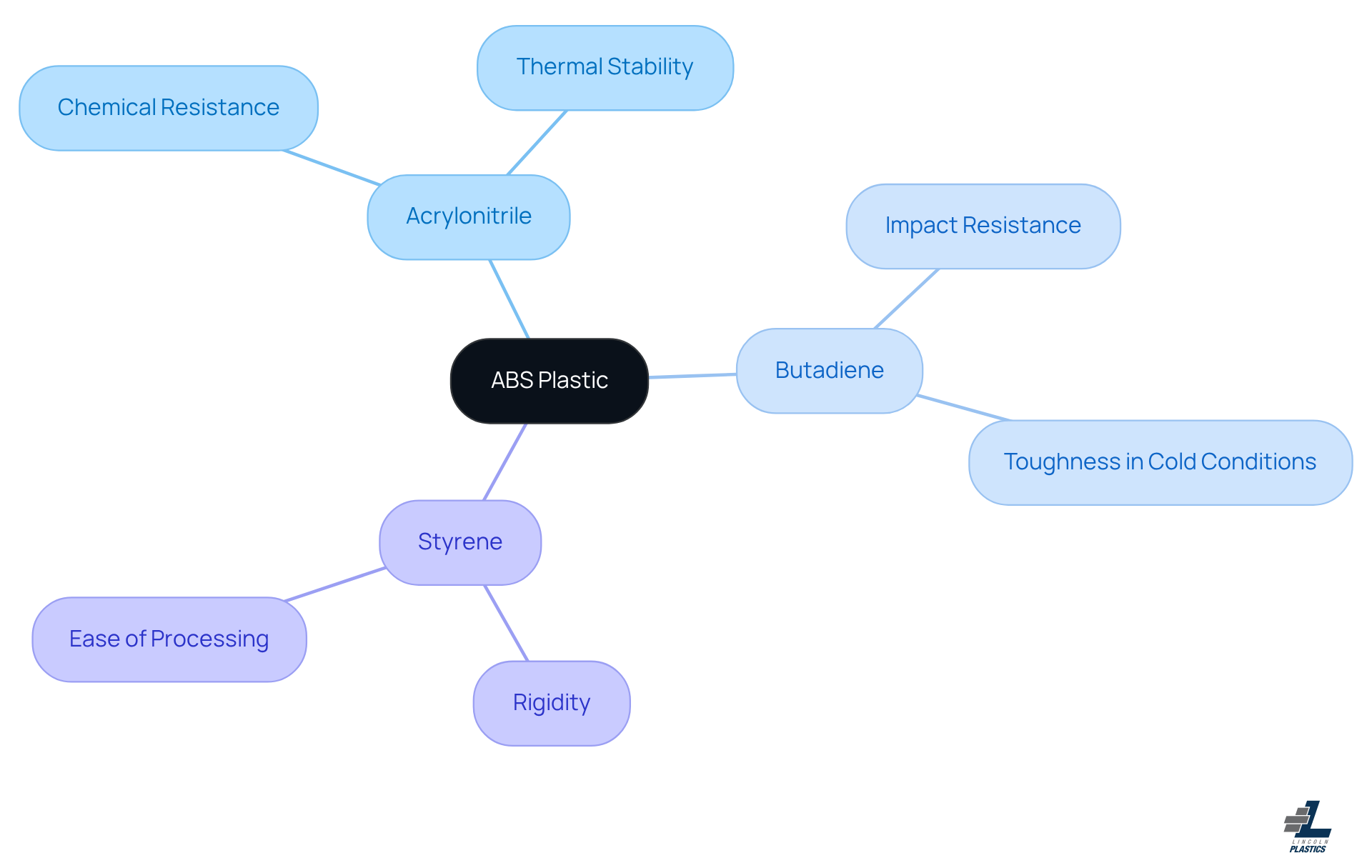
Acrylonitrile Butadiene Styrene, or ABS for short, is a thermoplastic polymer made from three key building blocks: acrylonitrile, butadiene, and styrene. Each of these components brings something special to the table, making ABS a standout material.
- Acrylonitrile: This part really boosts ABS's strength and durability. So, if you're looking for something that can handle heat, the material properties indicate it has got you covered.
- Butadiene: Known for its toughness, butadiene gives ABS fantastic impact resistance, especially when things get chilly. It helps ensure that ABS stays strong even in challenging conditions.
- Styrene: This component adds rigidity and makes processing a breeze, allowing ABS to be shaped into all sorts of intricate designs.
With these combined traits, ABS is incredibly versatile. You’ll find the material in various industries, particularly in automotive manufacturing, where its performance is crucial for safety and performance. In fact, market projections suggest that the ABS market is set to grow by a whopping USD 5.50 billion from 2024 to 2029, with a CAGR of 4.3%. That’s driven by the rising demand for durable materials across the board.
Now, you might be curious about how ABS can be tailored to meet specific needs. Experts point out that the structural complexity of ABS polymers allows for customization. A materials scientist once said, "The adaptability of ABS in manufacturing environments enables the production of components that meet diverse industry needs."
Real-world applications of ABS plastic are everywhere! Think about vehicle components, where its outstanding strength is a must, or in consumer products, where both visual appeal and functionality matter. For example, a case study from the automotive sector shows how high-impact components must consider the temperature ratings, making it the go-to choice for safety-critical parts. It reflects a growing trend towards materials that offer enhanced durability and performance. Plus, the ability to mold ABS into complex shapes makes it even more attractive for manufacturers, allowing them to create components that not only meet but exceed industry standards.
Analyze the Thermal Properties of ABS Plastic: Melting Point and Resistance
When it comes to thermal properties, the temperature rating plays a big role in deciding where it fits best across different industries. Let’s break down some key thermal traits that make ABS stand out:
- Melting Point: ABS usually melts between 220°C and 250°C (that’s 428°F to 482°F). This range is perfect for processes like injection molding and 3D printing, where keeping an eye on temperature is crucial. By 2026, we’re expecting a significant uptick in ABS applications, thanks to its versatility and ability to handle complex shapes.
- Heat Deflection Temperature (HDT): The HDT for ABS ranges from 80°C to 100°C (176°F to 212°F). This is the point where it starts to deform under a specific load. It’s a critical factor that need to maintain quality, particularly regarding the performance in the automotive and consumer electronics sectors. Did you know that ABS makes up about 16% of the total automotive plastics used in passenger vehicles?
- Glass Transition Temperature: This one’s around 105°C (221°F). It’s the temperature where ABS shifts from a hard, glassy state to a more rubbery one, which impacts its flexibility and resistance to impact. As the ABS market evolves, understanding the temperature ratings helps manufacturers fine-tune processing conditions and keep the final product’s integrity intact. Plus, industry analyses show that Asia is responsible for over half of global ABS consumption, with growth rates in that region often outpacing Europe and North America.
So, whether you’re in manufacturing or just curious about materials, knowing these properties can really help you make informed decisions!

Evaluate the Impact of Temperature Ratings on ABS Plastic Applications
When it comes to ABS plastic, the temperature rating is crucial in determining how well it performs in different situations. Let’s break down some key points you should keep in mind:
- Temperature Range: ABS generally shines between -20°C and 80°C (-4°F to 176°F). If you push it beyond these limits, you might find it gets brittle or deforms. And don’t forget, the data indicates that the glass transition point of ABS is around 105°C, which is super important for understanding its thermal limits. The rating for ABS shows that its maximum service temperature falls between 80°C and 100°C. This indicates how well it can hold up under moderate heat according to the specifications. It’s especially crucial in vehicles, where parts can face all sorts of heat levels. Temperature management relates to the application, since ABS used in car interiors must withstand higher heat without losing its shape, whereas ABS for home products might not need to be as durable. Plus, ABS is known for its great impact resistance, making it a solid choice for vehicles where durability is key. Temperature fluctuations can affect the strength and lifespan of ABS, which is critical to consider in relation to the performance requirements. This is particularly important in automotive applications, where parts often deal with fluctuating temperatures and are evaluated based on the durability standards.
- Cost-Effectiveness: On the budget side, ABS is a cost-effective material compared to other plastics. This makes it appealing for manufacturers who want to balance quality with cost.
By keeping these factors in mind, manufacturers can choose the right ABS grade for their specific needs, ensuring reliability and performance. So, what do you think? Are you ready to dive deeper into the world of ABS?

Implement Best Practices for Temperature Management in ABS Plastic Processing
When it comes to ABS plastic processing, understanding the temperature range and properties is key. Let’s dive into some best practices that can really make a difference:
- Pre-Heating: First off, pre-heat your ABS material to that sweet spot of 220°C to 250°C. This isn’t just a suggestion; it’s crucial for getting the flow just right and avoiding defects during molding.
- Heat Monitoring: Now, let’s talk about heat monitoring. Using advanced heat control systems is a must! Regular inspections and maintenance help you keep an eye on those temperature levels throughout processing. This proactive approach can save you from issues that might degrade your material.
- Cooling Strategies: After you’ve processed the material, effective cooling strategies come into play. Proper cooling is essential to product quality, ensuring your final product looks and performs just as intended.
- Storage: Don’t forget about storage! Store your ABS in a controlled environment to shield it from extreme conditions that could mess with its properties before you even start processing.
By sticking to these best practices, you can really enhance the quality of your ABS products while cutting down on waste and ramping up production efficiency. Plus, did you know that poor heat control can lead to a defect rate increase of up to 30%? That’s a big deal! Industry experts are all about temperature management while considering the best practices to optimize processing, and they stress that keeping a consistent temperature is vital for maintaining product integrity. So, what are you waiting for? Let’s get started on improving your ABS processing today!

Conclusion
Understanding the temperature ratings of ABS plastic is super important if you want to get the most out of it in different industries. ABS is made up of acrylonitrile, butadiene, and styrene, which gives it some pretty cool properties like chemical resistance, impact strength, and easy processing. These features not only make it versatile but also highlight why sticking to its temperature ratings is key for performance and longevity in real-world applications.
So, what’s the deal with ABS and temperature? Well, it usually works best in a range from -20°C to 80°C. Knowing its melting and heat deflection points can really help you figure out where it fits best. Plus, the ability to customize ABS properties is a game-changer, especially in industries like automotive manufacturing, where safety and durability are top priorities. Managing temperature during processing - like pre-heating and cooling effectively - is crucial to keep the product in tip-top shape and reduce defects.
In wrapping this up, it’s clear that understanding ABS plastic temperature ratings and following best practices in temperature control can really boost product quality and efficiency. As industries keep evolving, staying updated on the thermal properties and procurement strategies for ABS plastic is essential for manufacturers looking to meet the rising demand for high-performance materials. By embracing these insights, you not only improve production outcomes but also set your business up to thrive in a competitive landscape.
Frequently Asked Questions
What is ABS plastic and what are its main components?
ABS plastic, or Acrylonitrile Butadiene Styrene, is a thermoplastic polymer made from three key components: acrylonitrile, butadiene, and styrene.
What role does acrylonitrile play in ABS plastic?
Acrylonitrile enhances ABS's chemical resistance and thermal stability, making it suitable for tough environments.
How does butadiene contribute to the properties of ABS?
Butadiene provides ABS with excellent impact resistance, particularly in cold conditions, ensuring the material remains strong.
What function does styrene serve in ABS plastic?
Styrene adds rigidity to ABS and facilitates easy processing, allowing for intricate designs.
In which industries is ABS plastic commonly used?
ABS plastic is widely used in various industries, particularly in vehicle production, where its impact resistance is crucial for safety and performance.
What is the projected market growth for ABS plastic from 2024 to 2029?
The ABS market is projected to grow by USD 5.50 billion from 2024 to 2029, with a compound annual growth rate (CAGR) of 4.3%.
How can ABS be customized for specific applications?
The structural complexity of ABS polymers allows for tailored properties to meet diverse industry needs, enabling the production of high-quality components.
What are some real-world applications of ABS plastic?
ABS plastic is used in vehicle components for impact resistance and in consumer products for its visual appeal and functionality.
Why is the ABS plastic temperature rating important in the automotive sector?
The ABS plastic temperature rating is crucial for high-impact components, making it the preferred choice for safety-critical parts in vehicles.
What advantages does ABS offer to manufacturers?
ABS can be molded into complex shapes, allowing manufacturers to create components that meet and exceed industry standards for durability and performance.
List of Sources
- Explore the Basics of ABS Plastic: Composition and Characteristics
- newsroom.technavio.org (https://newsroom.technavio.org/acrylonitrile-butadiene-styrene-market)
- New TECH Report - ABS/SAN Resins (2025 Program) (https://nexanteca.com/news-and-media/new-tech-report-abs-san-resins-2025-program-)
- openpr.com (https://openpr.com/news/4338862/united-states-acrylonitrile-butadiene-styrene-abs-market)
- intelmarketresearch.com (https://intelmarketresearch.com/acrylonitrile-butadiene-styrene-2025-2032-186-959)
- Analyze the Thermal Properties of ABS Plastic: Melting Point and Resistance
- plasticsnews.com (https://plasticsnews.com/suppliers/materials/pn-materials-outlook-2026)
- openpr.com (https://openpr.com/news/4335367/injection-molded-plastics-market-demand-is-projected-to-boom)
- industryarc.com (https://industryarc.com/Report/19830/acrylonitrile-butadiene-styrene-abs-market.html)
- chemtradeasia.in (https://chemtradeasia.in/market-insights/abs-acrylonitrile-butadiene-styrene-asia-2026-demand)
- linkedin.com (https://linkedin.com/pulse/fire-rtardant-abs-market-why-2026-turning-point-studyvista-xgzzf)
- Evaluate the Impact of Temperature Ratings on ABS Plastic Applications
- jaycon.com (https://jaycon.com/mechanical-thermal-uv-performance-of-abs-plastic)
- polychemer.com (https://polychemer.com/news/abs-melting-point-everything-you-need-to-know-85134474.html)
- ansini.co.uk (https://ansini.co.uk/news/abs-an-all-round-performer-but-tread-carefully)
- rjcmold.com (https://rjcmold.com/news/the-benefits-of-abs-plastic-in-injection-molding)
- tirapid.com (https://tirapid.com/abs-melting-point)
- Implement Best Practices for Temperature Management in ABS Plastic Processing
- chinaruicheng.com (https://chinaruicheng.com/news/how-to-avoid-overheating-and-decomposition-of-abs-plate-during-injection-molding)
- plasticsnews.com (https://plasticsnews.com/news/abs-focused-blenders-controls-dryers)
- starplastics.com (https://starplastics.com/china-manufacturing-continues-decline-news-on-pc-abs-pa-pbt-and-more)
- tirapid.com (https://tirapid.com/abs-melting-point)
- ptsmake.com (https://ptsmake.com/what-is-abs-injection-molding)
Related posts

Why Custom Pipe Extrusion Matters More Than Ever
Standard pipe sizes don’t always work. Learn how Lincoln Plastics delivers custom diameters, wall thicknesses, and finishes in right-sized runs.


Reducing Trip Hazards with Custom Cord Management
Loose cords are more than messy — they’re a safety hazard. Lincoln Plastics’ custom cord covers and Flexiduct solutions improve safety and efficiency.
The Power of Custom Plastic Profiles for OEMs
Off-the-shelf profiles force compromises. Learn how Lincoln Plastics designs custom extruded profiles for OEMs with exact specs and right-sized runs.
