

Transparent Plastic vs. Traditional Materials: Key Benefits for OEMs
Introduction
Have you ever thought about how transparent plastics are shaking up the manufacturing world? They’re offering a fresh alternative to traditional materials like glass and metal. These modern polymers are lightweight, shatter-resistant, and super flexible in design. This opens up exciting opportunities for OEMs to enhance their products while keeping costs in check.
But here’s a question for you: Can the perks of transparent plastics really stack up against the tried-and-true reliability of traditional materials? As we dive into this comparison, we’ll uncover the compelling benefits and challenges that are shaping the future of manufacturing.
Understanding Transparent Plastics and Traditional Materials
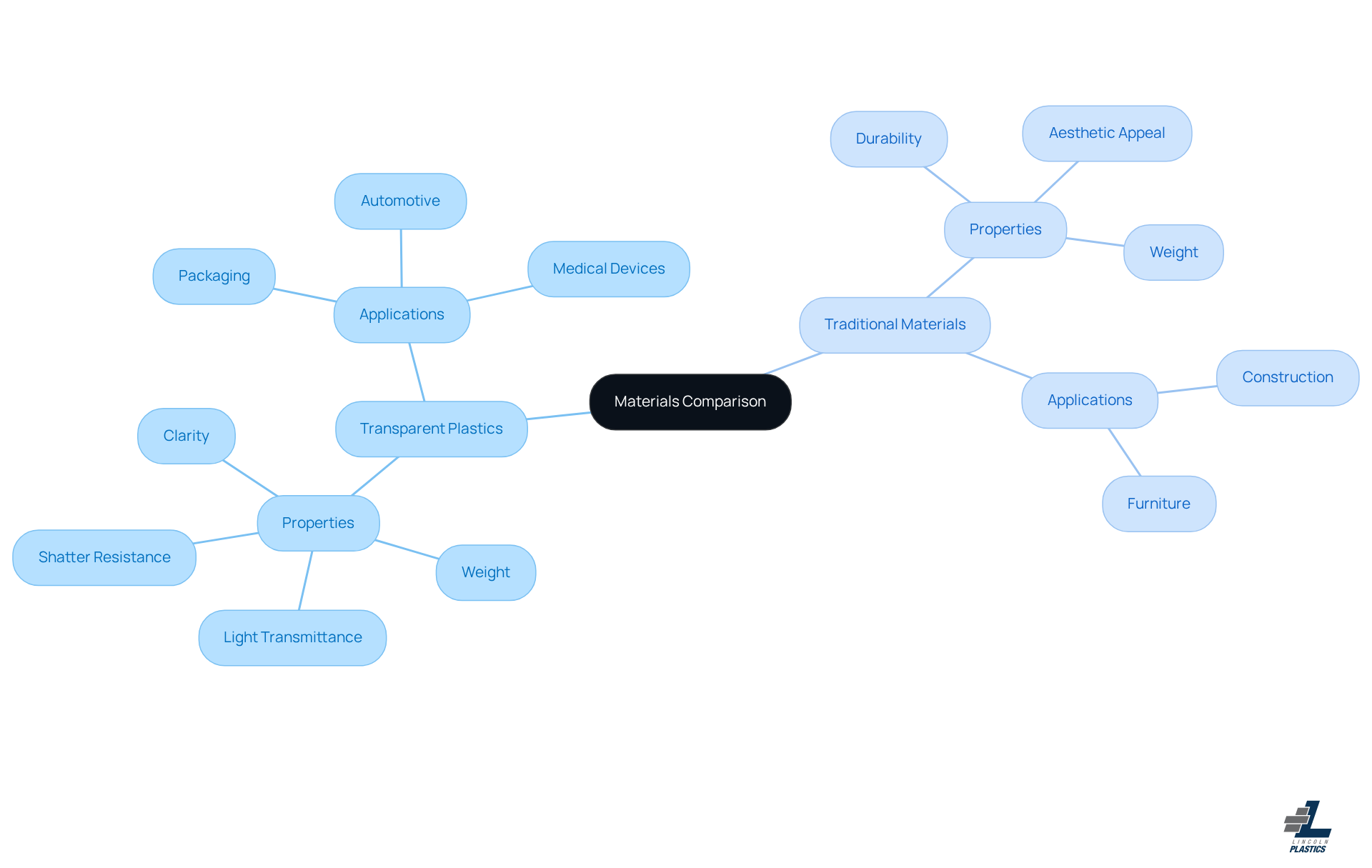
Have you ever thought about the materials we use every day? Materials such as polycarbonate and acrylic are quite fascinating. These synthetic materials, particularly transparent plastics, are known for their clarity and light transmission, letting through about 88-92% of light! They’re lightweight, shatter-resistant, and can be molded into all sorts of shapes, making them ideal for packaging, automotive, and medical devices.
At Lincoln Plastics, we’re all about using our expertise in plastic manufacturing to create innovative, customized solutions that meet the needs of our clients. We especially focus on sectors like irrigation and healthcare.
Now, you might be wondering how these plastics compare to traditional materials. Well, glass, metal, and wood have been around for ages and are often loved for their durability and aesthetic appeal. But let’s be real—they can be heavier, more fragile, and not as flexible in design and application.
Understanding these differences really sets the stage for diving deeper into the pros and cons of each material. So, what do you think? Are you ready to explore more about these options?
Exploring the Benefits of Transparent Plastics for Manufacturing
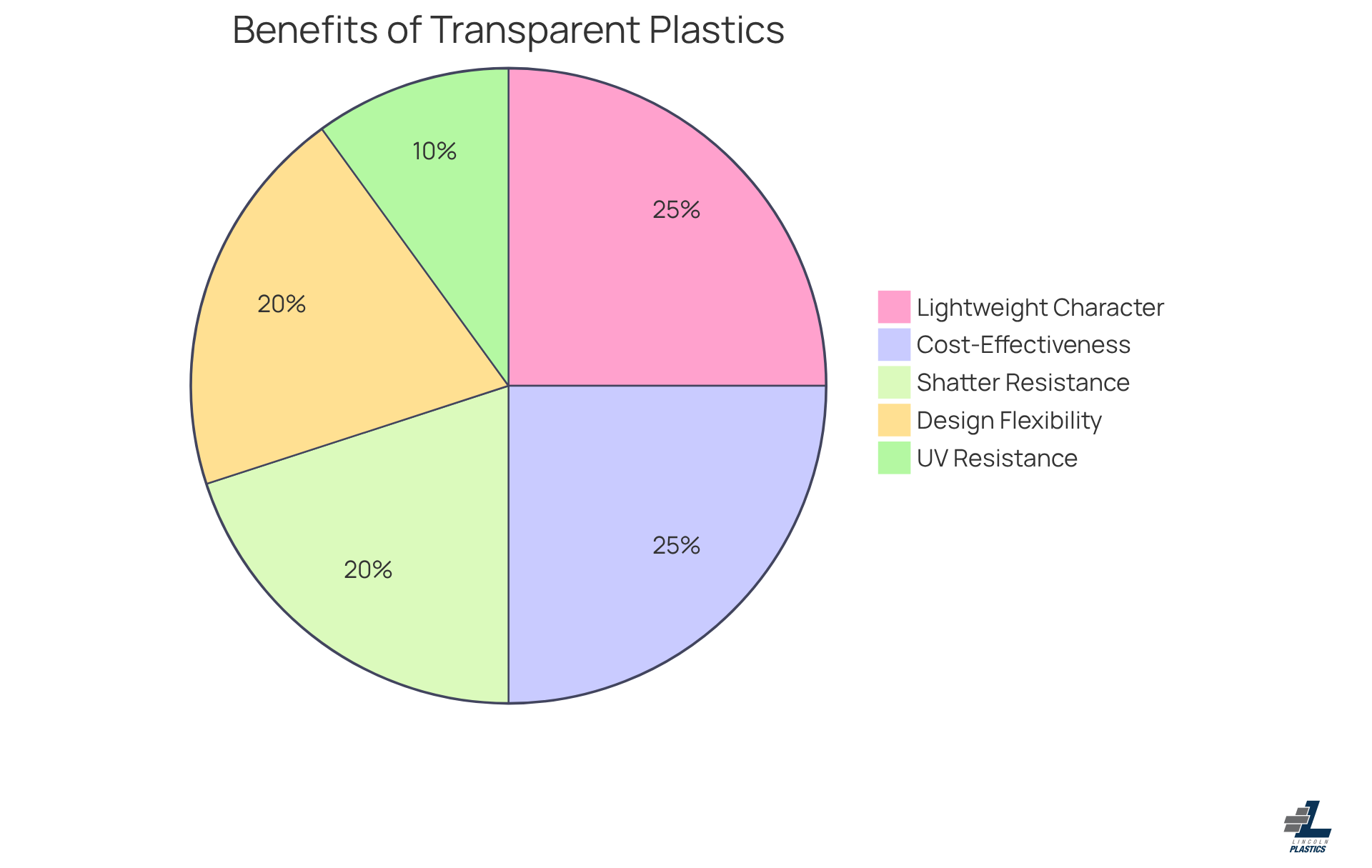
Transparent plastic polymers are quite remarkable for production, which is why they are often preferred over traditional materials. Let’s dive into some of their standout benefits:
- Lightweight Character: Clear polymers are way lighter than glass. This not only cuts down on shipping costs but also makes handling during manufacturing a breeze. Plus, being lightweight boosts overall operational efficiency.
- Safety: Unlike glass, clear polymers are notably shatter-resistant. This enhances safety for a variety of uses. Their ability to take a hit without breaking is especially important in places like automotive and construction, where safety is key.
- Versatility: One of the coolest things about clear polymers is their adaptability. They can be shaped into intricate designs that traditional materials can’t handle. This flexibility allows manufacturers to really stretch their creative muscles, making products that are both beautiful and functional.
- Cost-Effectiveness: Generally speaking, clear materials are more affordable. They offer a great option without skimping on quality or performance. This is a huge plus for manufacturers while still delivering top-notch products.
- Durability: Many clear polymers can be treated with UV protection, making them perfect for outdoor use. This means they can stand up to sunlight without deteriorating, ensuring they last in various conditions.
Now, let’s talk about how incorporating solutions like Flexiduct can boost workplace safety and productivity. Flexiduct comes in handy 6’ pre-split lengths, making it super easy to install a flexible cord management system. It helps keep desks, furniture, and equipment organized while eliminating cord hazards. This tailored approach not only protects businesses but also highlights the benefits of transparent plastics, making them a fantastic choice for OEMs looking to elevate their product offerings.
Evaluating Traditional Materials: Strengths and Weaknesses
can be a bit of a headache, can't they? Despite their perks, they come with challenges that can really impact production and safety.
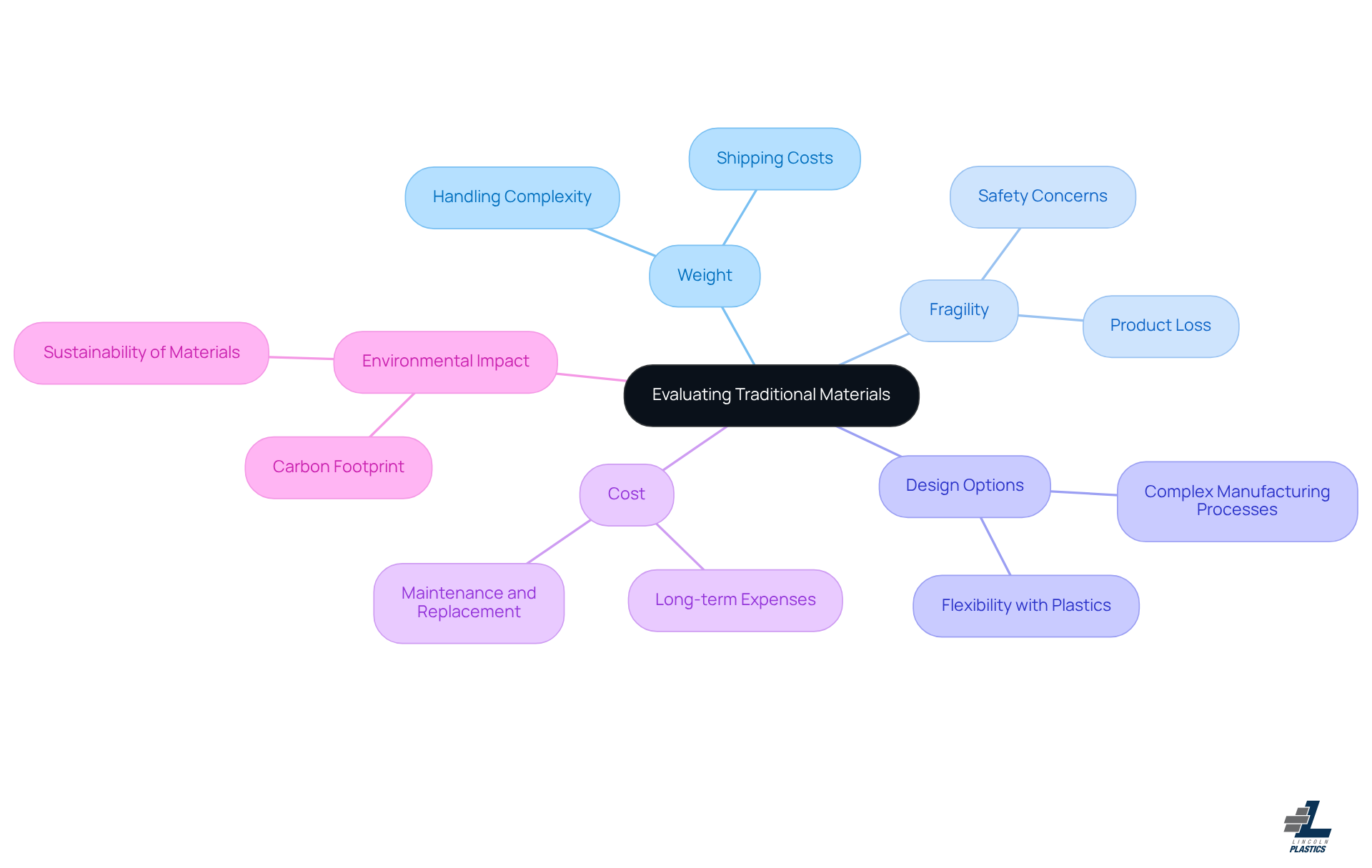
First off, let’s talk about weight. Glass and metal are much heavier than transparent plastic. This added weight not only bumps up shipping costs but also complicates handling during manufacturing. You might find that trucks carrying these heavier materials transport fewer units per load, which raises overall transportation expenses. At Lincoln, we totally get these challenges and work hand-in-hand with OEMs to provide that boost in efficiency.
Then there’s fragility. Glass is notorious for breaking easily, which can be a safety concern for workers and lead to significant product loss during production and transport. Safety stats show that incidents related to glass fragility in manufacturing aren’t exactly rare, highlighting the importance of careful handling and storage. That’s where Lincoln Plastics comes in—we reduce these risks by offering sturdy materials that ensure safety and reliability, all backed by our rigorous testing, including specific assessments for 'fit and function' using various check gauges.
Now, let’s chat about design options. The manufacturing processes for traditional materials can be pretty complex, which often limits design flexibility. In contrast, transparent plastic can be easily molded into various shapes and sizes, allowing for innovative designs that meet specific requirements. Our engineering team at Lincoln Plastics is here to make sure your products are tailored to your specifications, enhancing design possibilities while keeping those critical dimensions in check through dedicated quality documentation.
And what about cost? While traditional materials might seem cheaper at first glance, those costs can really add up due to maintenance, replacement, and higher shipping expenses. The lightweight nature of transparent plastics often leads to reduced overall costs, making them a more budget-friendly option in the long run. Lincoln offers tailored solutions that not only cut expenses but also meet those rigorous quality standards.
Lastly, let’s not forget about the environmental impact. The production and disposal of conventional materials usually leave a bigger ecological footprint than the more sustainable alternatives we offer with clear polymers. For example, the emissions tied to glass production is significantly higher, contributing to a larger carbon footprint. At Lincoln Materials, we’re committed to sustainability, ensuring our products align with eco-friendly practices.
These factors really highlight the challenges OEMs face when relying solely on traditional materials. By considering transparent plastics in their production methods, especially through the quality assurance and customization we provide at Lincoln, they can enjoy a world of benefits.
Comparative Analysis: Transparent Plastics vs. Traditional Materials
When you think about transparent plastics versus traditional materials, a few key advantages really stand out:
- Weight:
Lightweight, which can reduce shipping costs.
Heavier, leading to higher shipping and handling expenses. - Durability:
Shatter-resistant—great for safety in applications like automotive and packaging.
Prone to breaking, especially glass, which can mean higher replacement costs. - Design Flexibility:
Highly moldable, allowing for complex designs that meet modern aesthetics.
Limited by manufacturing processes, which can restrict innovative design options. - Cost:
Generally lower in cost by 15-20% over time.
Can be pricier in the long run due to higher material and processing costs. - Environmental Impact:
Often recyclable, aligning with sustainability initiatives.
Non-recyclable materials, making sustainability goals tougher to achieve.
So, while traditional materials have their place, the use of transparent plastics can enhance product design, safety, and cost-effectiveness for manufacturers. At Lincoln Plastics, we work hand-in-hand with clients to make sure these advantages really shine through. We conduct thorough evaluations, including special checks for 'fit and function' and use multiple gauges to ensure everything fits just right.
Plus, our engineering expertise and solid quality system guarantee that your products meet critical dimensions. As industries evolve, it’s clear that the trend is leaning towards materials that not only meet functional needs but also support environmental goals. Now, isn’t that something worth considering?

Conclusion
Exploring transparent plastics versus traditional materials tells a fascinating story for OEMs looking for fresh and efficient solutions. Transparent plastics are lightweight and shatter-resistant, which not only boosts safety but also offers a design flexibility that traditional materials often can’t match. This move towards transparent materials marks an important shift in manufacturing practices, where functionality meets sustainability.
So, what are the key takeaways from this comparison? Well, transparent plastics come with several advantages, like:
- Reduced shipping costs
- Increased durability
- Lower long-term expenses
Plus, their ability to be molded into complex designs opens up new avenues for creativity and innovation, allowing OEMs to keep pace with changing market demands. And let’s not forget the environmental perks—these plastics align perfectly with the growing focus on sustainability in manufacturing.
At the end of the day, choosing between transparent plastics and traditional materials isn’t just about personal preference; it’s about picking the right materials to boost product quality, safety, and operational efficiency. By embracing transparent plastics, you can see significant improvements in your manufacturing processes, making them a smart choice for OEMs eager to succeed in a competitive market. The future of manufacturing is transparent, and now is the perfect time to dive into these exciting possibilities!
Frequently Asked Questions
What are transparent plastics, and what are some examples?
Transparent plastics are synthetic materials known for their clarity and light transmittance. Examples include polycarbonate and acrylic.
What are the light transmittance levels of transparent plastics?
Transparent plastics allow about 88-92% of light to pass through.
What are the advantages of using transparent plastics?
Transparent plastics are lightweight, shatter-resistant, and can be molded into various shapes, making them ideal for applications in packaging, automotive, and medical devices.
What industries does Lincoln Plastics focus on?
Lincoln Plastics focuses on creating customized solutions for sectors such as irrigation and cable management.
How do transparent plastics compare to traditional materials like glass, metal, and wood?
Traditional materials like glass, metal, and wood are often appreciated for their durability and aesthetic appeal but can be heavier, more fragile, and less flexible in design and application compared to transparent plastics.
List of Sources
- Understanding Transparent Plastics and Traditional Materials
- packnode.org (https://packnode.org/en/innovation/transparent-plastic-packaging-market-2035)
- Transparent Plastics: Latest Technology Updates and End-use Applications (https://specialchem.com/plastics/guide/transparent-plastic-materials-applications-innovations)
- coherentmarketinsights.com (https://coherentmarketinsights.com/market-insight/transparent-plastics-market-5641)
- towardschemandmaterials.com (https://towardschemandmaterials.com/insights/us-transparent-plastics-market)
- Exploring the Benefits of Transparent Plastics for Manufacturing
- piedmontplastics.com (https://piedmontplastics.com/blog/a-guide-to-the-best-clear-plastics?srsltid=AfmBOoruZz3rM428xVkzdEnwPmoo4fDb1dyb2jUHOt7ty31ihvigEJpx)
- polychemer.com (https://polychemer.com/news/applications-of-polycarbonate-pc-in-the-auto-81995646.html)
- mdplastics.com (https://mdplastics.com/the-future-of-plastics-manufacturing-trends-and-innovations-for-2025-and-beyond)
- Evaluating Traditional Materials: Strengths and Weaknesses
- environment.yale.edu (https://environment.yale.edu/news/article/new-study-helps-quantify-climate-change-and-ecotoxicity-impacts-biodegradable)
- happyeconews.com (https://happyeconews.com/the-environmental-impact-of-bioplastics)
- Plastic Packaging: Environmental Benefits in Supply Chains (https://plasticsindustry.org/articles/the-environmental-benefits-plastic-packaging-modern-supply-chains)
- 2026 Manufacturing Industry Outlook (https://deloitte.com/us/en/insights/industry/manufacturing-industrial-products/manufacturing-industry-outlook.html)
- prnewswire.com (https://prnewswire.com/news-releases/manufacturers-show-resilience-amid-economic-uncertainty-but-challenges-persist-according-to-wipflis-2025-manufacturing-benchmarking-study-302534914.html)
- Comparative Analysis: Transparent Plastics vs. Traditional Materials
- fortunebusinessinsights.com (https://fortunebusinessinsights.com/transparent-plastic-market-110175)
- businesswire.com (https://businesswire.com/news/home/20250701809958/en/Green-Materials-in-Cars-Strategic-Analysis-Report-2025-OEMs-Innovate-with-Recycled-Plastics-and-Metals-as-Sustainable-Material-Solutions---ResearchAndMarkets.com)
- pmc.ncbi.nlm.nih.gov (https://pmc.ncbi.nlm.nih.gov/articles/PMC11874595)
- New research finds that certain packaging materials can show 70% lower emissions than alternatives (https://msutoday.msu.edu/news/2025/02/new-research-certain-packaging-materials-can-show-70-percent-lower-emissions-than-alternatives)


