
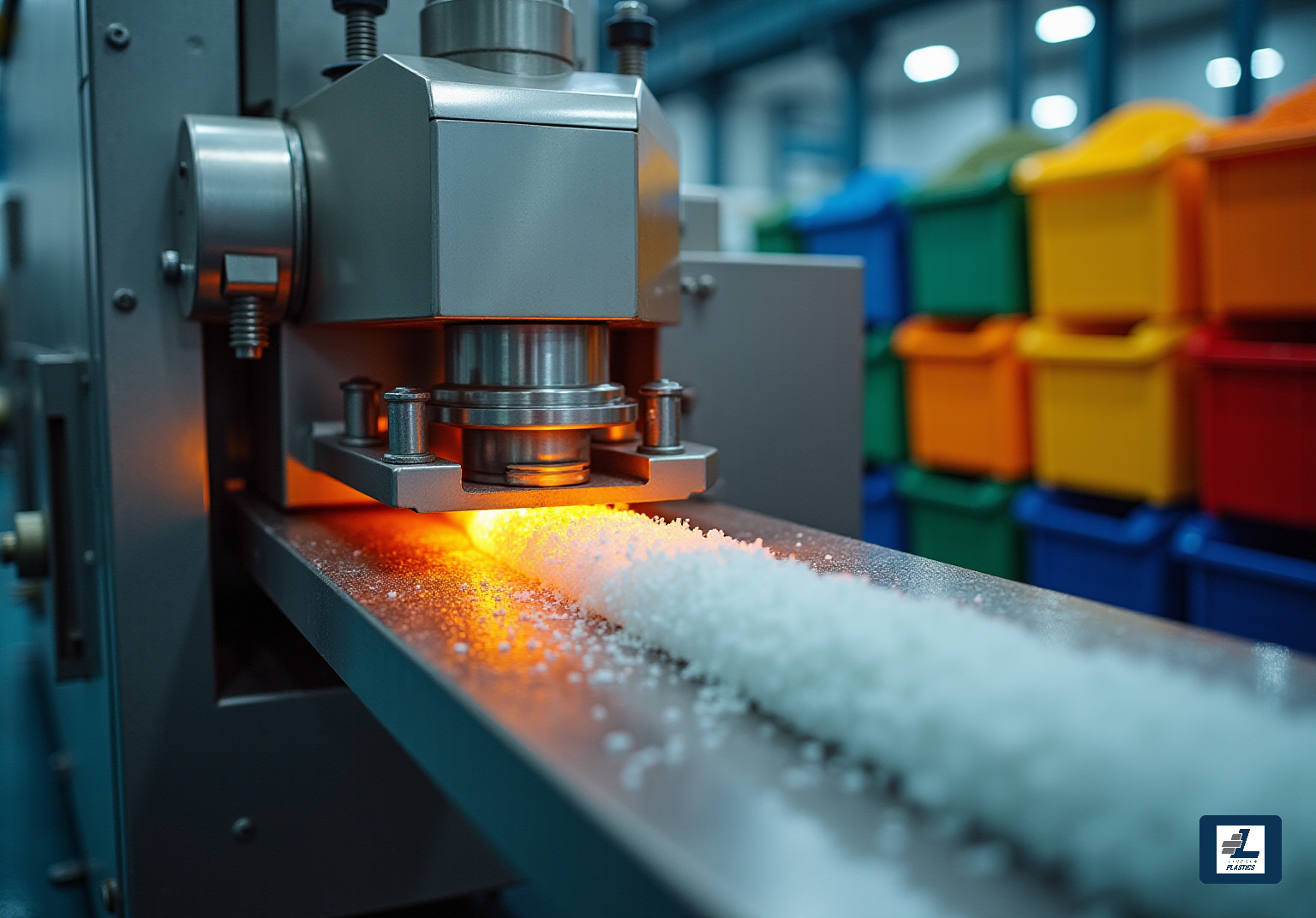
Select the Right Plastic Extruder Company: Key Steps for OEMs
Introduction
When you think about the intricate world of plastic manufacturing, choosing the right plastic extruder company can really make a difference for an Original Equipment Manufacturer (OEM). With the industry changing so quickly, it’s super important to grasp the key elements of the plastic extrusion process—from picking the right materials to understanding production capabilities. In this article, we’ll dive into the crucial steps and considerations that OEMs need to think about to make smart choices. This way, they can partner with a company that not only meets their specific needs but also boosts their operational efficiency.
So, how can OEMs strike the perfect balance between quality, customization, and reliability when selecting a plastic extruder partner in such a competitive landscape? You might be wondering about the best approach. Let’s explore this together!
Understand the Basics of Plastic Extrusion
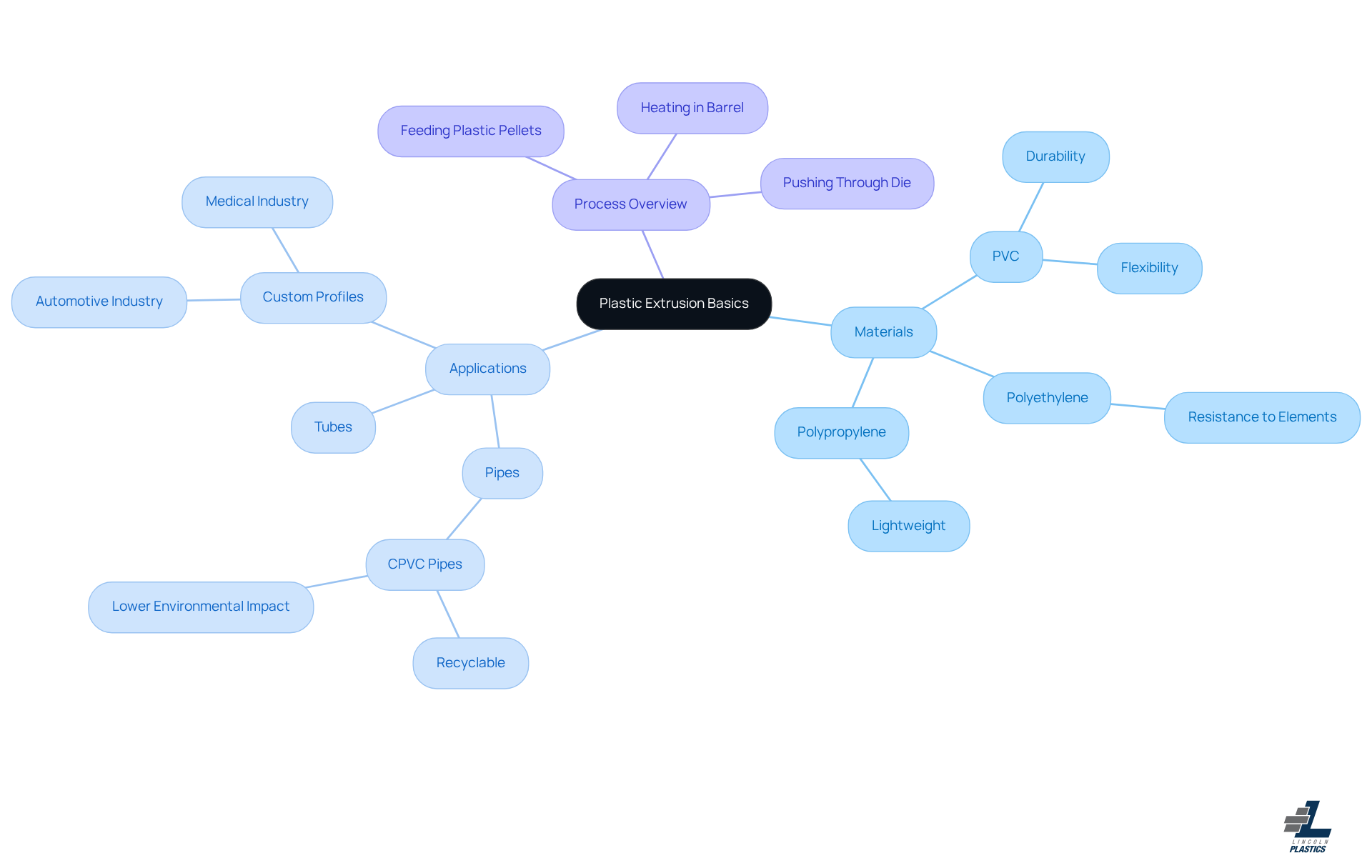
Plastic shaping is a key production method that turns materials into items with a consistent cross-sectional profile. Basically, it involves melting and pushing them through a die to get the shape you want. Let’s break down some key elements of the process:
- Materials: You’ll often find PVC, polyethylene, and polypropylene in extrusion. Each of these materials has unique traits that make them perfect for different uses—think durability, flexibility, and resistance to the elements.
- Applications: The products that come from extrusion are diverse, ranging from pipes to sheets for industries like construction, automotive, and consumer goods. For example, CPVC pipes are gaining popularity because they’re recyclable and have a lower environmental impact than traditional metal options.
- Process Overview: So, how does the shaping happen? It starts with feeding raw materials into a heated barrel, where they melt and are then pushed through a die to create the final product. Understanding these basics helps OEMs define their needs and choose the right materials for their projects, especially when working with a specific application.
Now, let’s talk about something important: sustainability. There’s a growing focus on sustainability in manufacturing. As the market evolves, staying up-to-date with these trends is crucial for OEMs looking to use sustainable practices effectively in their operations. What do you think about these changes? Are you ready to explore how they can benefit your projects?
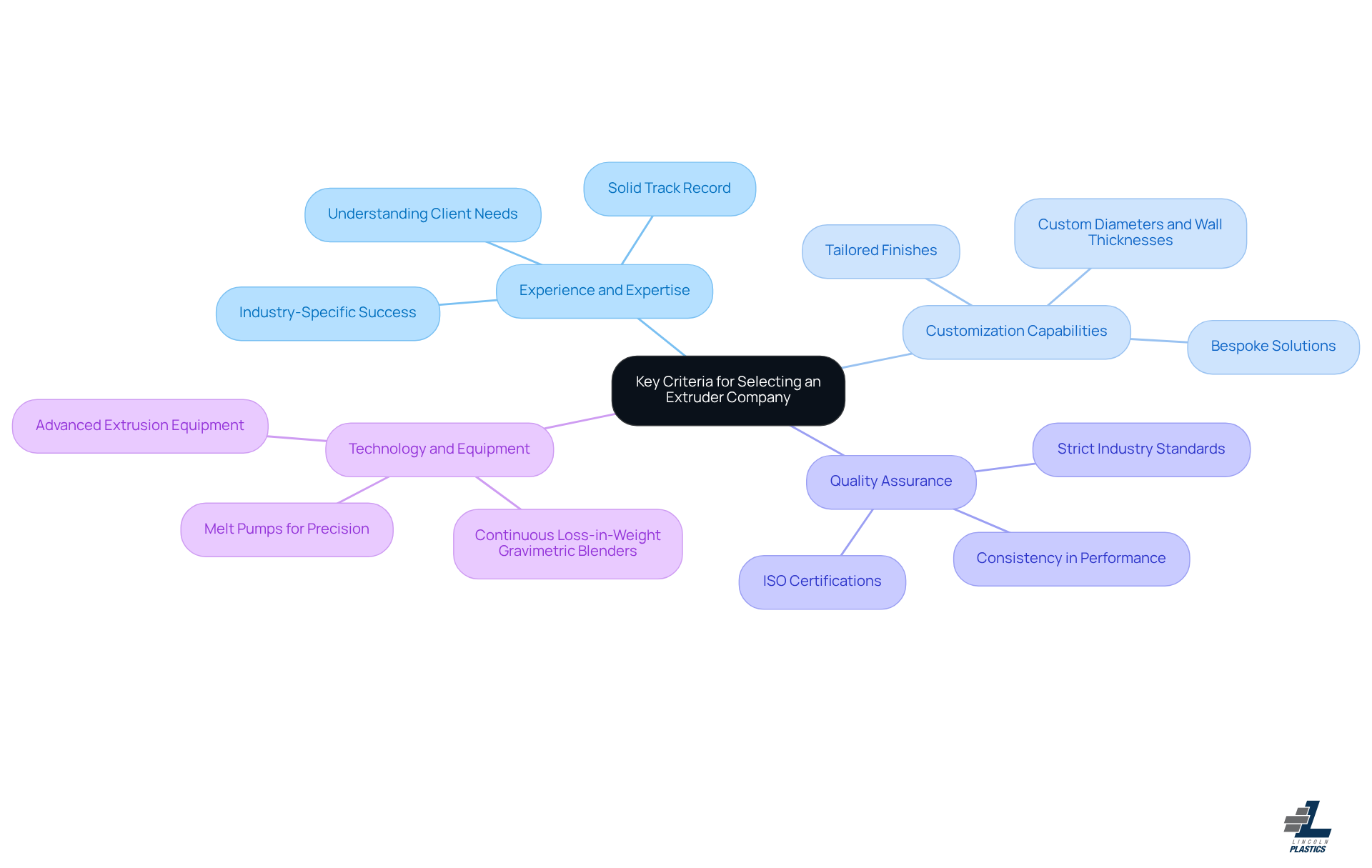
Identify Key Criteria for Selecting an Extruder Company
When you're on the hunt for a plastic extruder company, there are a few key things to keep in mind that can really help you out:
- Experience and Expertise: First off, look for companies that have a solid track record in the industry. You want those who have shown success in your specific application. Experienced manufacturers tend to grasp the nuances of your needs and can deliver solutions tailored just for you.
- Capabilities: It's super important to pick a company that can handle projects like a pro. The ability to provide options—think custom diameters, wall thicknesses, and finishes—is crucial for meeting those unique project specifications without skimping on design or functionality.
- Quality Assurance: Make sure the extruder sticks to strict industry standards, including safety regulations. This commitment to quality means their products are likely to meet the required specifications and performance criteria consistently, which reduces the risk of defects and boosts reliability.
- Technology: Take a good look at the technology and machinery the company uses. Advanced tools, like continuous loss-in-weight gravimetric blenders and melt pumps, can really amp up production precision and efficiency, leading to better overall product quality.
By keeping these criteria in mind, you can make informed choices when selecting a plastic extruder company. This way, you ensure your chosen partner can meet your specific requirements and help you achieve operational success.
Evaluate Company Capabilities and Product Offerings
When you're looking to evaluate a plastic extruder company, there are a few key things to keep in mind:
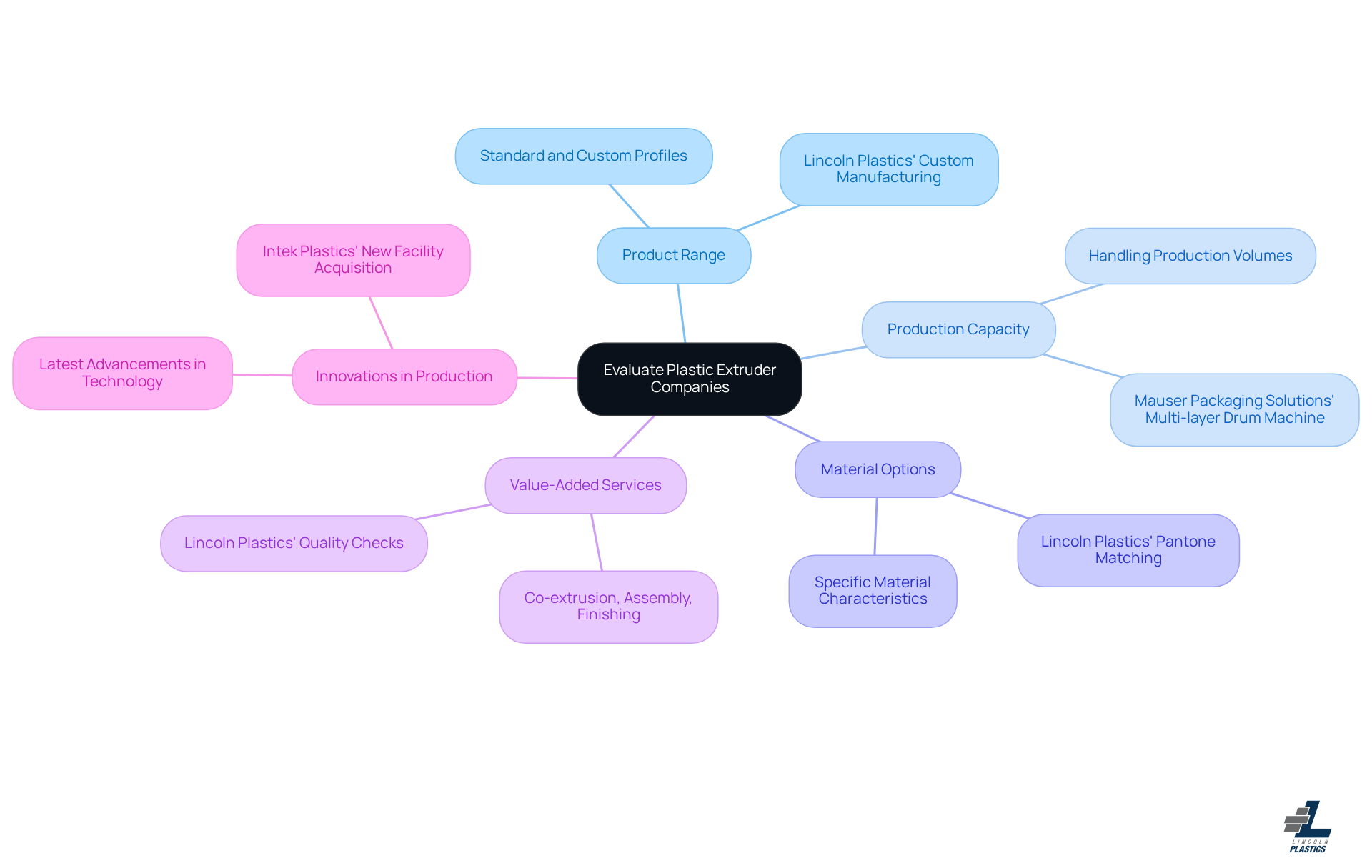
- Product Range: First up, take a look at the variety of products they offer. You want to see both standard and custom options to make sure they can meet your specific needs. For example, Lincoln Plastics really shines in custom solutions, tailoring their offerings to the unique requirements of OEMs.
- Production Capacity: Next, think about how well the company can handle your production demands. Consider lead times and whether they can scale for future growth. A great example here is Mauser Packaging Solutions, which has invested in a new facility to boost its capacity and adapt to changing market needs.
- Material Compatibility: Don’t forget to check out the materials they can work with. Different applications might need specific material characteristics. Lincoln Plastics can easily source colors that match your Pantone specifications, ensuring consistency across manufacturers.
- Value-Added Services: What about those extra services? Look for things like design support, assembly, or finishing that can enhance the final product and streamline your supply chain. Lincoln Plastics collaborates closely with OEMs to meet all quality requirements, even conducting special checks for ‘fit and function.’
- Innovations in Production: Finally, stay updated on the latest technologies. Companies that invest in new machinery or expand their capabilities are often in a better position to meet market demands. A recent example is Intek Plastics, which acquired a new facility—showing just how important scalability in production can be.
By focusing on these aspects, you can make informed decisions when selecting a plastic extruder company. Partnering with a company like Lincoln Plastics means you're choosing a team that's committed to delivering tailored solutions just for you.
Assess Supplier Reliability and Customer Support
When it comes to assessing supplier reliability, there are some key factors to keep in mind:
- Communication: How responsive and transparent is the supplier during your inquiries and negotiations? Good communication is a sign of a reliable partner, helping to build trust and collaboration.
- References and Reviews: Have you gathered feedback from other OEMs who’ve worked with the vendor? Their experiences can provide valuable insights into the vendor's reliability and service quality, helping you make informed decisions.
- Post-Sale Support: What kind of assistance can you expect after the sale? Look into how the vendor handles issues, warranty services, and ongoing communication. Strong support is crucial for keeping everything running smoothly and tackling any challenges that arise.
- Delivery Performance: Check the vendor's track record for on-time deliveries and their ability to meet deadlines. Consistent performance is essential for sticking to production schedules and avoiding supply chain disruptions.
- Risk Evaluation: What potential risks come with this vendor? Understanding their ability to manage supply chain hiccups can help you mitigate risks and ensure a steady flow of materials.
- Vendor Network: Have you thought about the benefits of a reliable vendor network? A reliable provider network can boost operational efficiency and give you options during unexpected disruptions.
Now, let’s not forget about Lincoln Plastics! Their location in Lincoln, Nebraska, makes logistics a breeze by providing easy access to major transportation routes, which ensures timely deliveries. By focusing on these factors, OEMs can foster solid relationships with suppliers like Lincoln Plastics. They’re committed to quality management through rigorous standards and even offer international shipping solutions. This way, you can enjoy a reliable and responsive partnership that meets all your manufacturing needs.

Conclusion
Choosing the right plastic extruder company is a big deal for OEMs looking to boost their production processes. By getting a grasp on the ins and outs of plastic extrusion and knowing what to look for in a trustworthy partner, manufacturers can pick a company that fits their unique needs and project goals.
So, what should you keep in mind? The article highlights key factors like:
- Experience
- Customization options
- Quality assurance
- The latest tech
These elements should guide OEMs in their search. It’s crucial to evaluate a company's product range, production capacity, and customer support to build a solid partnership. By focusing on these criteria, businesses can reduce risks and improve their operations.
In the end, the choice of a plastic extruder company can really make or break your manufacturing projects. OEMs should take a proactive stance—do your homework, tap into insights from industry peers, and prioritize companies that are all about quality and innovation. This way, you’ll be better positioned to thrive in a competitive landscape and meet the changing demands of your customers.
Frequently Asked Questions
What is plastic extrusion?
Plastic extrusion is a production method that shapes materials into items with a consistent cross-sectional profile by melting plastic pellets and pushing them through a die.
What materials are commonly used in plastic extrusion?
Common materials used in plastic extrusion include PVC, polyethylene, and polypropylene, each with unique traits suitable for different applications.
What are some applications of products made from plastic extrusion?
Products from plastic extrusion are diverse and include pipes, tubes, and custom profiles used in industries such as construction, automotive, and consumer goods.
How does the plastic extrusion process work?
The process begins with feeding plastic pellets into a heated barrel where they melt, and then the molten plastic is pushed through a die to create the final product.
Why is sustainability important in plastic extrusion?
There is a growing focus on eco-friendly materials and innovative production methods in manufacturing, making it crucial for OEMs to stay updated on these trends to effectively use polymer shaping in their operations.
List of Sources
- Understand the Basics of Plastic Extrusion
- paulmurphyplastics.com (https://paulmurphyplastics.com/industry-news-blog/why-plastic-profile-extrusion-is-key-to-product-innovation)
- The Extrusion Industry in 2025: Innovations, Trends, and Opportunities (https://plextrusions.com/extrusion-blog/the-extrusion-industry-in-2025-innovations-trends-and-opportunities)
- sheet-extrusionline.com (https://sheet-extrusionline.com/news/advancements-in-plastic-extrusion-technology-a-look-at-the-future-224319.html)
- midtech-mc.com (https://midtech-mc.com/how-will-plastic-extrusion-technology-revolutionize-the-next-decade-deep-dive-into-global-trends-sustainable-solutions)
- Identify Key Criteria for Selecting an Extruder Company
- lincoln-plastics.com (https://lincoln-plastics.com/news-post/4-best-practices-for-choosing-a-reliable-plastic-extrusion-supplier)
- paulmurphyplastics.com (https://paulmurphyplastics.com/industry-news-blog/what-is-plastic-extrusion-and-how-to-select-the-best-manufacturing-partner)
- clarkrandp.com (https://clarkrandp.com/how-to-choose-the-right-company-for-your-next-extrusion-project)
- Plastics Extrusion: 4 Critical Statistics to Track for Increased Quality & Plant Profit (https://gaugeadvisor.com/2025/05/26/plastics-extrusion-4-critical-statistics-to-track-for-increased-quality-plant-profit)
- The Role of Plastic Extrusion in Modern Manufacturing | Rocal (https://rocalextrusions.co.uk/news/the-role-of-plastic-extrusion-in-modern-manufacturing)
- Evaluate Company Capabilities and Product Offerings
- Interplas Insights | Latest Plastics Extrusion Machinery News (https://interplasinsights.com/plastics-machinery/plastics-extrusion-machinery-news)
- plasticstoday.com (https://plasticstoday.com/extrusion-pipe-profile/extruder-intek-plastics-adds-injection-molding-capabilities-with-five-star-plastics-acquisition)
- openpr.com (https://openpr.com/news/4226876/u-s-plastic-extrusion-market-set-for-dynamic-prospective-as-key)
- Assess Supplier Reliability and Customer Support
- 889globalsolutions.com (https://889globalsolutions.com/blog/how-to-evaluate-suppliers-for-industrial-component-manufacturing)
- verusen.com (https://verusen.com/blog/the-dos-and-donts-of-securing-supplier-reliability)
- mhlnews.com (https://mhlnews.com/archive/article/22033191/measure-supplier-reliability)
- The Value of a Reliable Supplier | Dixon (https://dixonvalve.com/en/news-and-events/news/value-reliable-supplier)
- netstock.com (https://netstock.com/blog/5-key-factors-to-consider-when-evaluating-supplier-performance)
Related posts

Discover essential steps for selecting reliable custom plastic tubing solutions for various industries.


Discover best practices for procuring clear plastic flexible tubing to enhance performance and reliability.
Discover key insights and features of top flexible PVC manufacturers for your business needs.
