
Select the Right High Temperature Plastic Sheet for Your Needs
Introduction
High temperature plastics are changing the game in various industries by delivering outstanding performance even in extreme conditions. With the growing need for materials that can handle heat, mechanical stress, and chemical exposure, it’s super important for manufacturers to understand the specific properties and selection criteria. But with so many options out there, how do you pick the right high temperature plastic sheet for your unique application?
This guide is here to help you navigate through the key factors to consider. We’ll cover everything from material properties to supplier reliability, ensuring that you can make informed decisions that lead to optimal performance and efficiency. So, let’s dive in!
Understand High Temperature Plastics and Their Properties
High-heat plastics are pretty amazing! They’re specifically designed as a sheet to maintain their shape and strength while handling high temperatures. Let’s break down some of their key properties:
- Heat Resistance: This is all about how well a material can perform when things heat up. We usually look at metrics like temperature and Continuous Use Temperature (CUT). For instance, Polyetheretherketone (PEEK) can handle temperatures between 250°C and 300°C. That makes it perfect for tough jobs!
- Stiffness: It’s super important for these materials to stay strong and stiff even when things get hot. This is crucial in industries like automotive and aerospace, where heat and mechanical loads are part of the deal.
- Chemical Resistance: Materials need to resist breaking down when they come into contact with various chemicals at elevated temperatures. This stability is key for ensuring they last and perform well in harsh environments.
Now, you might be wondering why this matters. Well, recent advancements in material science are making waves across different industries. Take the automotive sector, for example. They’re increasingly using high-temperature plastics, all thanks to the push for better fuel efficiency and performance. With the aerospace industry, understanding these properties is crucial for picking the right material for specific applications, whether it’s aerospace, automotive, or industrial.
Findings from materials scientists show that the ongoing development of high-performance plastics is vital for meeting strict industry standards. As regulations evolve, the need for materials that combine heat resistance, durability, and chemical stability will keep growing. This trend only strengthens the role of high-temperature plastics in modern manufacturing. So, next time you think about materials, remember how important these properties are!

Identify Key Selection Criteria for Your Application
When you're on the hunt for a high temperature plastic sheet, there are a few key things to keep in mind to ensure you get the best performance for those demanding applications.
- Temperature Range: First off, think about the temperatures your material will face during its life. For example, materials like PEEK can handle extreme heat, and they can even take short bursts over 275°C. That makes them a solid choice for those extreme environments.
- Mechanical Properties: Next, let’s chat about the mechanical properties. You’ll want to look at things like tensile strength, impact resistance, and flexibility. These traits are super important to ensure the material can handle stress without breaking a sweat. PEEK, for instance, is well-known for its mechanical strength and wear resistance, making it a go-to for aerospace and automotive applications.
- Chemical Resistance: Now, how about chemical resistance? It’s crucial to consider how well the material can stand up to various chemicals it might encounter. Materials like PPS (Polyphenylene Sulfide) are great in this department, but they can be a bit more brittle compared to options like PEEK or PEI (Polyetherimide).
- Thermal Stability: You might be wondering how the material reacts to heat changes. High temperature plastics can expand and contract quite a bit, which can impact fit and function in precision applications. This is especially important in fields like electronics, where keeping everything stable is key.
- Cost and Availability: Lastly, let’s not forget about cost and availability. While high temperature plastics deliver fantastic performance, some, like PEEK, can be pricier and harder to find. It’s all about balancing performance with cost-effectiveness to ensure your project hits the mark.
By keeping these considerations in mind, you’ll be well on your way to selecting the right high temperature plastic sheet for your specific needs, ensuring reliability and efficiency in your operations.

Evaluate Supplier Reliability and Material Availability
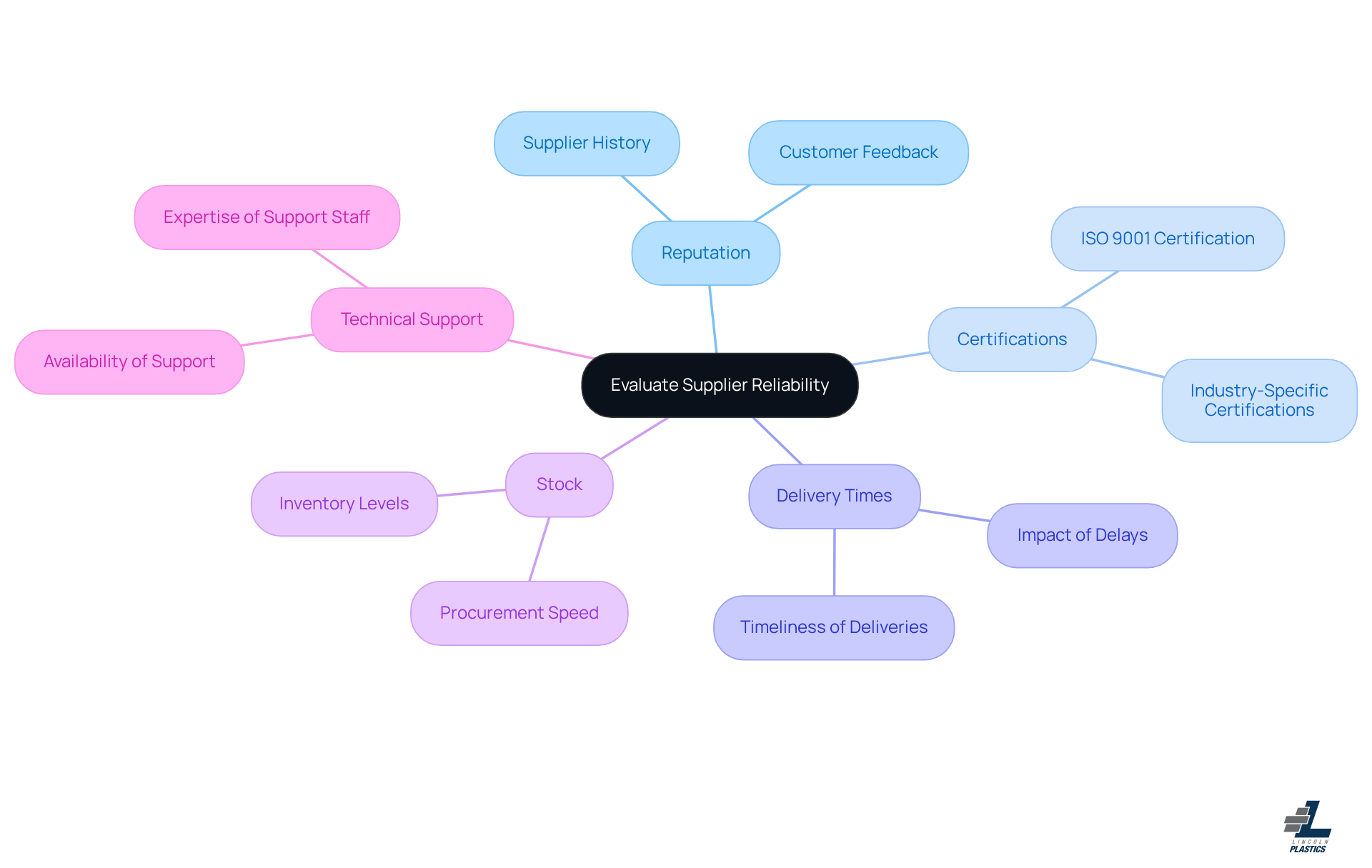
When it comes to a successful procurement process, evaluating potential suppliers is key. So, let’s dive into some important criteria you should consider:
- Reputation: Have you looked into the supplier's history and performance? A solid reputation often means reliability and quality. It’s worth checking!
- Certifications: Does the supplier have the right credentials, like ISO 9001? This one’s crucial because it shows they’re committed to quality management. Suppliers with this certification usually enjoy better operational efficiency and less waste, making them trustworthy partners.
- Delivery Times: Can the supplier meet your deadlines? Timely deliveries are super important - delays can throw a wrench in your production schedule and mess with project timelines.
- Stock: Is the supplier keeping enough inventory on hand? You want to make sure they can provide what you need. This helps keep your production flowing smoothly, which is essential for operations.
- Support: What kind of customer service does the supplier offer? Having access to knowledgeable support can be a game-changer when troubleshooting issues and optimizing performance. It really contributes to the success of your projects.
By keeping these factors in mind, procurement pros like you can make smart decisions that boost efficiency and ensure you have high-quality materials at your fingertips. So, what are you waiting for? Start evaluating those suppliers!
Explore Available High Temperature Plastic Options
When it comes to high temperature plastics, there are several available, each with its own unique perks that fit various industrial needs. Let’s break it down:
- PEEK (Polyether Ether Ketone): This one’s a superstar! PEEK is known for its incredible strength and durability, making it perfect for aerospace and automotive applications. Think about bearings and thrust washers that need to withstand high stress. It can handle heat levels up to 500°F (260°C) and can even reduce weight by up to 60% compared to metal. Pretty impressive, right?
- PTFE (Polytetrafluoroethylene): If you’re looking for something with fantastic chemical resistance and low friction, PTFE is your go-to. It’s commonly used in seals and gaskets, and engineers love it for its reliability in high heat situations. It stands strong against harsh chemicals, ensuring long-lasting performance. With the growing demand for materials in high-heat applications, it’s clear this material is making waves across various sectors.
- Ultem (Polyetherimide): Now, let’s talk about Ultem. This material combines strength with excellent thermal properties, making it a favorite in electrical and electronic applications. It meets strict FAA regulations for passenger safety, which is super important for components in aircraft ventilation systems and circuit boards. Plus, the market is expected to reach a whopping US$ 34.8 billion by 2035, showing just how essential materials like Ultem are becoming.
- PPS (Polyphenylene Sulfide): PPS is another solid choice, offering high thermal stability. It’s well-suited for automotive and industrial applications, and its ability to perform in tough environments is a big win for manufacturers looking for durable materials.
- Vespel (Polyimide): Last but not least, we have Vespel. This material shines in extreme heat conditions and is often used in aerospace components. It can handle continuous temperatures up to 500°F and withstands thermal cycling without breaking down. Case studies have shown Vespel’s remarkable performance under stress, making it a reliable option for demanding uses.
Understanding these options helps you make informed decisions when selecting the right material for your needs. It’s all about ensuring optimal performance and reliability in critical applications. So, which one do you think fits your project best?

Test and Validate Your Selected High Temperature Plastic
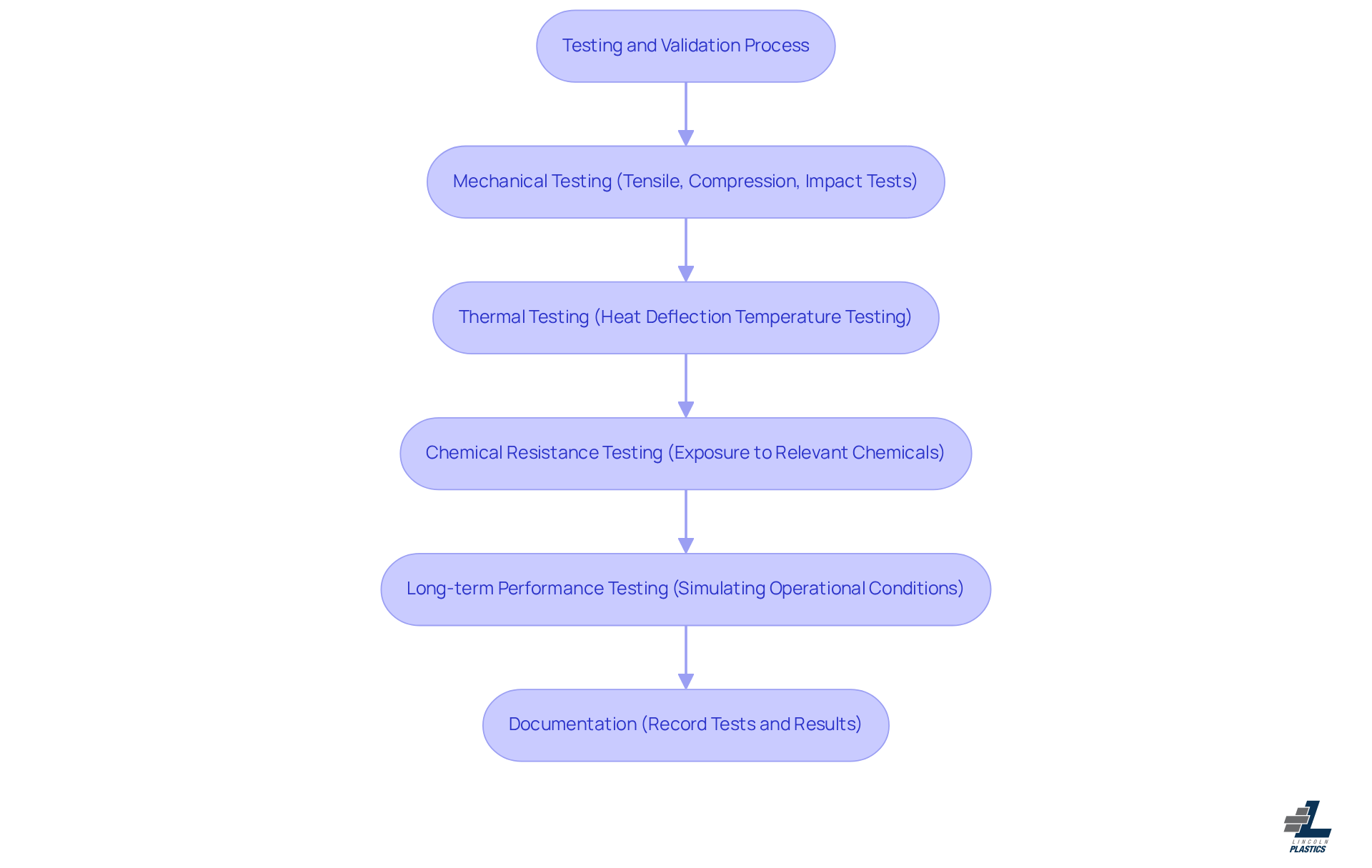
To get the best performance out of your plastic sheet, it’s super important to follow a thorough testing process. Let’s break it down:
- Mechanical Testing: You’ll want to conduct tensile, compression, and impact tests. These help you understand how strong and durable the material is when put under stress. Think of it as a way to see how the plastic will hold up in tough situations, ensuring it can handle operational loads.
- Thermal Testing: Next up is thermal testing, which follows the ASTM D 648 standard. This is where you check how the material performs at high heat levels. HDT testing shows the point where the plastic starts to deform under load, which is crucial for applications that need high temperature resistance. For instance, materials with higher HDTs are less likely to sag during processes like 3D printing, which can really enhance the quality of your final product. Just keep in mind that these tests are short-term and don’t reflect long-term exposure effects.
- Chemical Resistance Testing: It’s also key to expose samples to relevant chemicals to see how well the material resists degradation. This step is vital for industries like automotive and medical, where harsh substances are often encountered.
- Long-Term Performance Testing: Simulating operational conditions over extended periods is another must. This helps you evaluate how the material performs in real-world use, giving you a good idea of its durability and reliability.
- Documentation: Don’t forget to keep detailed records of all tests and results. This is essential for compliance and quality assurance, showing that you meet industry standards and providing a reference for the future.
By following these steps, you can confidently validate that your chosen plastic sheet will meet the specific demands of your application, ensuring both performance and reliability. And hey, don’t overlook the impact of fillers and reinforcements on HDT; these can really change the thermal properties of your polymers!
Conclusion
Choosing the right high-temperature plastic sheet is super important for getting the best performance in tough applications. When you understand the unique properties of these materials - like heat resistance, mechanical strength, and chemical stability - you can make informed choices that really fit your industry needs. Each type of high-temperature plastic, from PEEK to PTFE, has its own perks that cater to different operational requirements. So, it’s crucial to pick wisely based on what you need for your specific application.
Now, let’s talk about what to consider when making your selection. You’ll want to evaluate the following factors:
- Temperature range
- Mechanical properties
- Chemical resistance
- Thermal expansion
- Reliability of your supplier
By taking a close look at these factors, you can ensure that the material you choose not only meets your performance expectations but also sticks to industry standards. Plus, don’t forget that thorough testing and validation are key steps to confirm that your chosen high-temperature plastic can handle real-world conditions. This way, you’re protecting the integrity of your project.
Ultimately, the rising demand for high-temperature plastics across various industries shows just how important they are in modern manufacturing. By spending some time getting to know the properties and selection criteria of these materials, you can make smart choices that boost efficiency and reliability in your operations. The future of high-performance applications really hinges on using the right materials, and the insights shared here can help you navigate this crucial aspect of your projects effectively.
Frequently Asked Questions
What are high-temperature plastics and their main properties?
High-temperature plastics are specially designed materials that maintain their shape and strength while exposed to high temperatures. Key properties include heat resistance, mechanical strength, and chemical stability.
How is heat resistance measured in high-temperature plastics?
Heat resistance is typically measured using metrics like Heat Deflection Temperature (HDT) and Continuous Use Temperature (CUT). For example, Polyetheretherketone (PEEK) can withstand temperatures between 250°C and 300°C.
Why is mechanical strength important for high-temperature plastics?
Mechanical strength is crucial because these materials need to remain strong and stiff under high temperatures and mechanical loads, especially in industries like automotive and aerospace.
What role does chemical stability play in high-temperature plastics?
Chemical stability is vital as it ensures that high-temperature materials do not break down when exposed to various chemicals at elevated temperatures, allowing them to perform well in harsh environments.
How are high-temperature plastics impacting various industries?
Recent advancements in high-temperature materials are making a significant impact, especially in the automotive sector, where lightweight materials that can withstand high temperatures are increasingly used to improve fuel efficiency and performance.
What are the key selection criteria for choosing a high-temperature plastic sheet?
Key selection criteria include temperature range, mechanical properties, chemical resistance, thermal expansion, and cost and availability.
What temperature range can high-temperature plastics like PEEK handle?
PEEK can handle continuous service temperatures up to 250°C and can endure short bursts over 275°C, making it suitable for extreme environments.
Why are mechanical properties important when selecting high-temperature plastics?
Mechanical properties such as tensile strength, impact resistance, and flexibility are important to ensure that the material can withstand operational stresses without failing.
How does chemical resistance vary among high-temperature plastics?
Different materials have varying levels of chemical resistance. For instance, PPS (Polyphenylene Sulfide) has good chemical resistance but may be more brittle compared to PEEK or PEI (Polyetherimide).
Why is thermal expansion a consideration for high-temperature plastics?
Thermal expansion is important because high-heat polymers can expand and contract significantly with temperature changes, which can affect fit and function in precision applications, particularly in electronics.
What should be considered regarding the cost and availability of high-temperature plastics?
While high-heat polymers offer excellent performance, some, like PEEK, may be more expensive and harder to find, so it is essential to balance performance with cost-effectiveness for specific projects.
List of Sources
- Understand High Temperature Plastics and Their Properties
- swcpu.com (https://swcpu.com/blog/high-temperature-plastic-material)
- marketresearchfuture.com (https://marketresearchfuture.com/reports/high-temperature-plastic-market-24719)
- factmr.com (https://factmr.com/report/high-temperature-plastics-htp-market)
- stratviewresearch.com (https://stratviewresearch.com/3923/high-temperature-plastics-market.html?srsltid=AfmBOopnfMpzgcrHMh8zlWgaI6Z3wTzzKxsQe-867CxSytbes0nLntxb)
- zionmarketresearch.com (https://zionmarketresearch.com/report/high-temperature-plastics-market)
- Identify Key Selection Criteria for Your Application
- factmr.com (https://factmr.com/report/high-temperature-plastics-htp-market)
- shini.com (https://shini.com/en/index.html/solutions_i_case_studies.html)
- twprototype.com (https://twprototype.com/news/enduring-the-fire-a-selection-of-plastics-that-work-over-275c)
- High-Temperature Plastics: Comprehensive Guide (https://plastopialtd.com/high-temperature-plastics)
- Evaluate Supplier Reliability and Material Availability
- quora.com (https://quora.com/How-can-you-tell-if-a-supplier-is-reliable)
- amtivo.com (https://amtivo.com/us/resources/insights/benefits-of-iso-9001-certification)
- How Accurate Are Your Supplier Quotes? | Tset (https://tset.com/blog/how-accurate-are-your-supplier-quotes)
- talismangroup.co.uk (https://talismangroup.co.uk/news/standards-in-plastics-manufacturing-why-certification-matters)
- linkedin.com (https://linkedin.com/posts/tom-mills-procurement_after-20-years-in-purchasing-and-procurement-activity-7364215303595065345-4Ox5)
- Explore Available High Temperature Plastic Options
- factmr.com (https://factmr.com/report/high-temperature-plastics-htp-market)
- engineering.com (https://engineering.com/why-aerospace-needs-3d-printed-thermoplastics-like-peek-pekk-and-ultem)
- openpr.com (https://openpr.com/news/4124210/high-temperature-plastics-market-innovations-demand-drivers)
- aipprecision.com (https://aipprecision.com/aerospace-polymers-tested-ultem-vs-peek-vs-vespel-performance-data)
- Test and Validate Your Selected High Temperature Plastic
- matweb.com (https://matweb.com/reference/deflection-temperature.aspx)
- xometry.com (https://xometry.com/resources/3d-printing/heat-deflection-temperature)
- ul.com (https://ul.com/services/heat-resistance-tests-plastics)
- goodreads.com (https://goodreads.com/work/quotes/204737733)
Related posts

Right-Sized Production Runs: Flexibility Without the Waste
Lincoln Plastics offers right-sized production runs with a 10-hour minimum — balancing efficiency with flexibility so OEMs avoid oversized orders.


Co-Extrusion: Combining Two Materials for Better Performance
Lincoln Plastics offers co-extrusion, combining two plastics into a single profile for greater design freedom, performance, and cost savings.
Beyond Extrusion: Value-Added Services That Simplify Production
Beyond Extrusion: Value-Added Services That Simplify Production
