

Maximize Procurement Efficiency with a Plastics Chart Strategy
Introduction
In a rapidly evolving market, mastering the nuances of plastic materials is crucial for companies aiming to enhance procurement efficiency. By leveraging a well-structured plastics chart, organizations can streamline their sourcing processes, minimize waste, and optimize costs - all while aligning material characteristics with specific application needs. As the market shifts, procurement teams face the challenge of adapting to new material innovations. Without a strategic approach, they may find themselves at a disadvantage, unable to leverage the latest advancements in synthetic materials.
Understand Different Types of Plastics and Their Applications
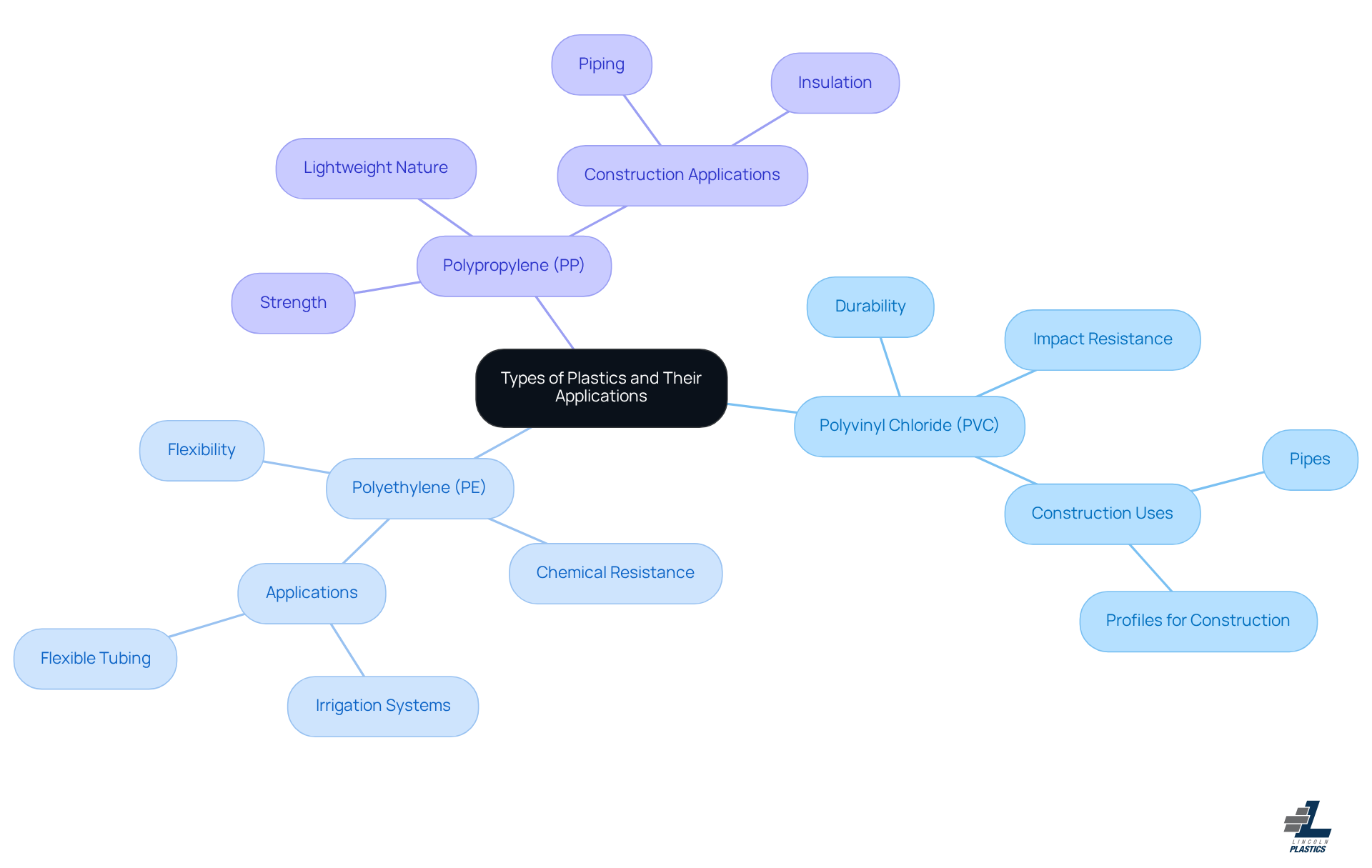
Understanding the diverse properties of polymers is crucial for effective material sourcing in today's competitive landscape. Polyvinyl Chloride (PVC), Polyethylene (PE), and Polypropylene (PP) each exhibit unique properties that cater to various uses.
- PVC is predominantly employed in rigid profiles for construction and plumbing due to its durability and resistance to impact and chemicals.
- In contrast, PE is preferred for its flexibility, making it ideal for applications such as irrigation systems where adaptability is essential.
- PP, known for its strength and lightweight nature, is also utilized in various construction applications, including piping and insulation.
The adaptability of these substances permits a wide array of uses, from PVC pipes utilized in home plumbing to PE tubing in agricultural irrigation systems. For instance, PVC's ability to be molded into various shapes facilitates its use in constructing robust structures, while PE's excellent chemical resistance ensures longevity in outdoor environments. How can aligning material characteristics with application needs enhance sourcing efficiency?
By aligning the characteristics of these materials with particular application needs, companies can greatly improve sourcing efficiency. This strategic approach not only minimizes waste but also optimizes production costs, ultimately contributing to more sustainable practices in the industry. Mastering these nuances can be the key to unlocking project success and sustainability in construction.
Utilize a Plastics Chart to Streamline Procurement Processes
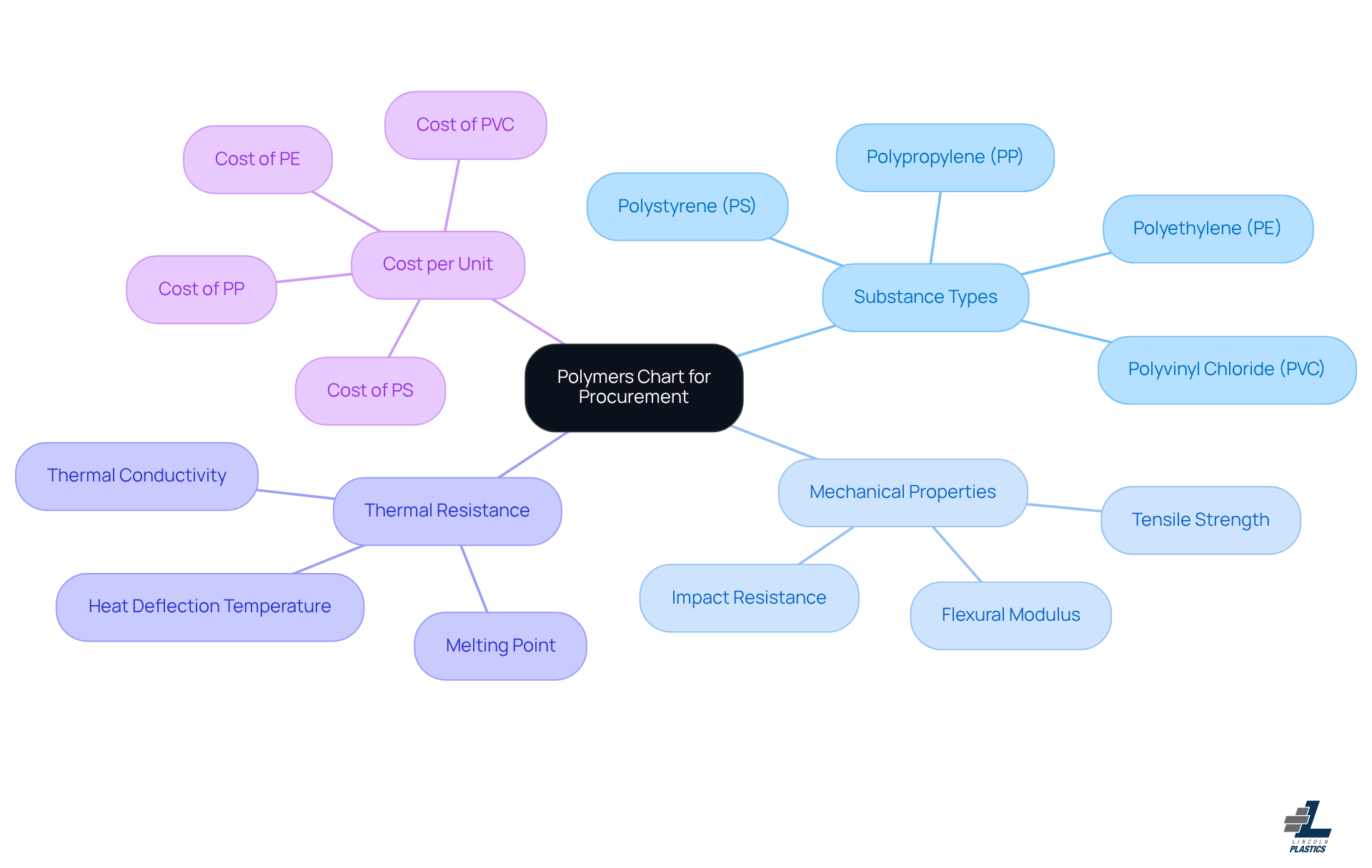
In the fast-paced world of custom plastic extrusion, having immediate access to a well-organized chart of polymers can transform your purchasing process. This invaluable resource encapsulates essential information such as substance types, mechanical properties, thermal resistance, and cost per unit. With this information at their fingertips, purchasing teams can swiftly evaluate resources and make informed choices that align with project specifications.
For instance, when sourcing materials for custom extrusion applications, a chart can pinpoint the most economical options without sacrificing quality. Furthermore, integrating this chart into purchasing software can automate comparisons and simplify the ordering process, leading to shorter lead times and enhanced vendor relationships.
Organizations that have implemented materials charts report significant improvements in procurement efficiency. By leveraging data visualization, organizations can not only streamline their procurement but also gain a competitive edge in the market.
Evaluate Supplier Reliability Using Plastics Data
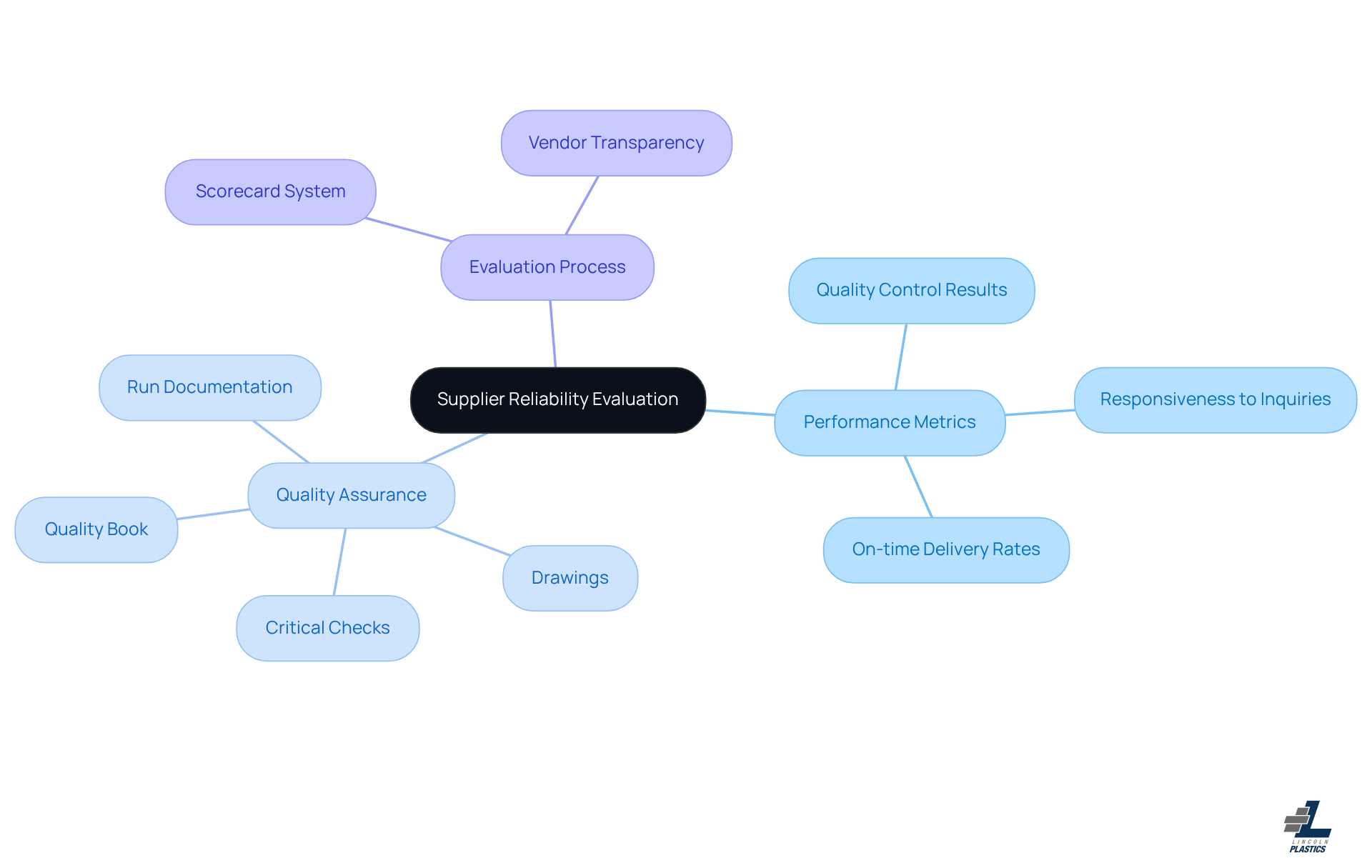
In today's competitive landscape, ensuring vendor reliability is not just beneficial - it's essential for operational success. Assessing vendor reliability through a data-driven approach involves analyzing historical performance metrics, including:
- On-time delivery rates
- Quality control results
- Responsiveness to inquiries
Data shows that in the polymer sector, vendors boasting on-time delivery rates above 95% are often prioritized, significantly reducing operational disruptions. For instance, companies like Toyota demand near-zero defects to uphold their reputation for reliability, underscoring the importance of stringent quality metrics.
At Lincoln Plastics, we partner with OEMs to guarantee our products not only meet but exceed quality standards, including rigorous checks for ‘fit and function’. Our robust quality system features a dedicated quality book for each polymer profile, complete with:
- Drawings
- Critical in-process checks
- Run documentation
Utilizing the plastics chart enables procurement teams to identify vendors who consistently meet or exceed expectations. Vendors providing comprehensive reports on material quality and delivery timelines are viewed as more reliable than those lacking transparency. Furthermore, establishing a scorecard system to monitor provider performance over time can facilitate informed decisions regarding future partnerships. This proactive approach not only enhances vendor accountability but also strengthens the overall supply chain, leading to improved operational efficiency and cost-effectiveness.
Additionally, it's important to note that 77% of organizations admit they lack the information needed to fully understand vendor risks, highlighting the challenges faced in vendor evaluation. Incorporating a scoring system to rate suppliers on various performance indicators can further enhance the evaluation process.
Engage in Continuous Education on Plastics and Market Trends
In an industry where change is the only constant, continuous education is not just beneficial; it's essential for purchasing professionals. Staying updated on the latest developments in synthetic materials and processing techniques is crucial. It can significantly enhance purchasing strategies.
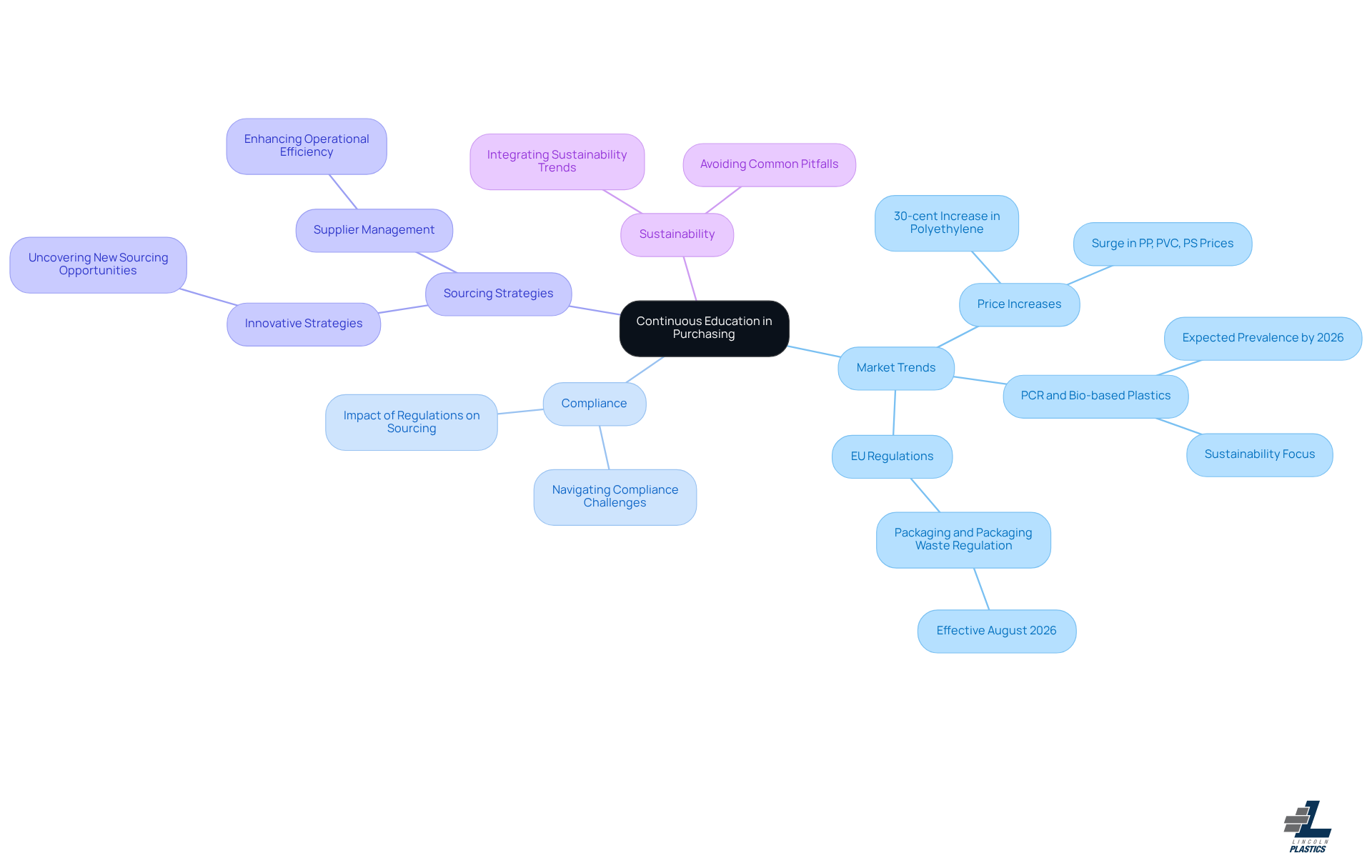
Attending industry conferences, webinars, and reading relevant publications is crucial for staying informed. For instance, the recent 30-cent price increase in polyethylene and the expected prevalence of post-consumer recycled content (PCR) and bio-based plastics in 2026 are important trends that can guide purchasing decisions aligned with corporate sustainability objectives.
Organizations that prioritize education within their purchasing teams often uncover innovative sourcing and supplier management strategies, resulting in enhanced operational efficiency. However, many purchasing professionals struggle to keep pace with rapid industry changes.
Additionally, with the upcoming EU Packaging and Packaging Waste Regulation set to take effect in August 2026, staying informed will be crucial for navigating compliance challenges. As a result, those who invest in continuous education often find themselves ahead of the competition.
Furthermore, avoiding common pitfalls, such as neglecting to integrate sustainability trends into procurement strategies, can enhance the effectiveness of procurement practices. By prioritizing education and adapting to trends, purchasing teams can transform challenges into opportunities for growth and innovation.
Conclusion
Navigating the complexities of procurement in the plastics industry requires a deep understanding of polymer properties and their applications. By employing a well-structured plastics chart, organizations can streamline their procurement processes, making informed decisions that enhance both cost-effectiveness and sustainability.
Key insights from this article highlight the importance of utilizing a plastics chart to evaluate material properties, supplier reliability, and market trends. Are you leveraging the right materials for your applications? Understanding the distinctions between materials like PVC, PE, and PP allows procurement teams to select the right options for specific applications. Data-driven evaluations of suppliers ensure consistent quality and timely delivery. Continuous education on emerging trends and regulatory changes further empowers professionals to adapt and innovate in a rapidly evolving landscape.
By mastering these strategies, procurement teams can not only overcome challenges but also seize opportunities for growth and innovation. Prioritizing education, leveraging data, and effectively utilizing a plastics chart positions organizations to thrive in a competitive market.
Frequently Asked Questions
What are the main types of plastics discussed in the article?
The main types of plastics discussed are Polyvinyl Chloride (PVC), Polyethylene (PE), and Polypropylene (PP).
What are the primary applications of Polyvinyl Chloride (PVC)?
PVC is primarily used in rigid profiles for construction and plumbing due to its durability and resistance to impact and chemicals.
Why is Polyethylene (PE) preferred for certain applications?
PE is preferred for its flexibility, making it ideal for applications such as irrigation systems where adaptability is essential.
What characteristics make Polypropylene (PP) suitable for construction?
PP is known for its strength and lightweight nature, making it suitable for various construction applications, including piping and insulation.
How does the adaptability of these plastics impact their uses?
The adaptability of these plastics allows for a wide array of uses, such as PVC pipes in home plumbing and PE tubing in agricultural irrigation systems.
How does aligning material characteristics with application needs enhance sourcing efficiency?
Aligning material characteristics with application needs improves sourcing efficiency by minimizing waste and optimizing production costs, contributing to more sustainable practices in the industry.
What is the significance of mastering the nuances of different plastics in construction?
Mastering these nuances can be key to unlocking project success and sustainability in construction.
List of Sources
- Understand Different Types of Plastics and Their Applications
- acplasticsinc.com (https://acplasticsinc.com/informationcenter/r/ways-plastic-building-materials-are-revolutionizing-construction)
- plasticstoday.com (https://plasticstoday.com/end-markets/building-construction)
- linkedin.com (https://linkedin.com/pulse/construction-plastics-market-outlook-20252033-building-yovwc)
- globenewswire.com (https://globenewswire.com/news-release/2025/12/04/3199981/0/en/trends-in-north-america-post-consumer-recycled-plastics-food-packaging-market-2035.html)
- Utilize a Plastics Chart to Streamline Procurement Processes
- packagingdive.com (https://packagingdive.com/news/biden-plastic-pollution-strategy-federal-procurement/721945)
- White House Announces New Strategy on Plastics Pollution | Insights | Holland & Knight (https://hklaw.com/en/insights/publications/2024/07/white-house-announces-new-strategy-on-plastics-pollution)
- espoo.fi (https://espoo.fi/en/news/2023/09/how-can-public-procurements-support-circulation-plastics)
- plasticstoday.com (https://plasticstoday.com/resin-pricing/a-21st-century-resin-purchasing-strategy)
- 2026 Forecast for U.S. Plastics Procurement - Sterling Plastics (https://sterlingplasticsinc.com/insights/2026-forecast-for-plastics-procurement)
- Evaluate Supplier Reliability Using Plastics Data
- fastercapital.com (https://fastercapital.com/content/Supplier-evaluation--Supplier-Evaluation-Best-Practices--Ensuring-Quality-and-Reliability.html)
- veridion.com (https://veridion.com/blog-posts/supplier-performance-metrics)
- order.co (https://order.co/blog/vendor-management/supplier-risk-assessment)
- 2026 Forecast for U.S. Plastics Procurement - Sterling Plastics (https://sterlingplasticsinc.com/insights/2026-forecast-for-plastics-procurement)
- be-cu.com (https://be-cu.com/blog/the-key-factors-to-consider-when-performing-a-supplier-evaluation)
- Engage in Continuous Education on Plastics and Market Trends
- plasticsnews.com (https://plasticsnews.com/opinion/sp-opinion-commitment-plastics-recycling-more-important-than-ever)
- plasticsnews.com (https://plasticsnews.com/opinion/viewpoint/pn-rising-stars-2026-hopeful-realistic-plastics-future)
- Energy-Efficient Technologies in Plastic Processing 2026 (https://plastics-technology.com/articles/top-energy-efficient-technologies-transforming-plastic)
- 8 Trends in Plastic Materials and Packaging for 2026 (https://productsandsolutions.pttgcgroup.com/en/market-movement/8-trends-in-plastic-materials-and-packaging-for-2026)
- What are the Plastic Manufacturing Trends for 2026? (https://linkedin.com/pulse/what-plastic-manufacturing-trends-2026-key-plastics-ltd-d4ekf)
Related posts

Why Custom Pipe Extrusion Matters More Than Ever
Standard pipe sizes don’t always work. Learn how Lincoln Plastics delivers custom diameters, wall thicknesses, and finishes in right-sized runs.


Reducing Trip Hazards with Custom Cord Management
Loose cords are more than messy — they’re a safety hazard. Lincoln Plastics’ custom cord covers and Flexiduct solutions improve safety and efficiency.
The Power of Custom Plastic Profiles for OEMs
Off-the-shelf profiles force compromises. Learn how Lincoln Plastics designs custom extruded profiles for OEMs with exact specs and right-sized runs.
