
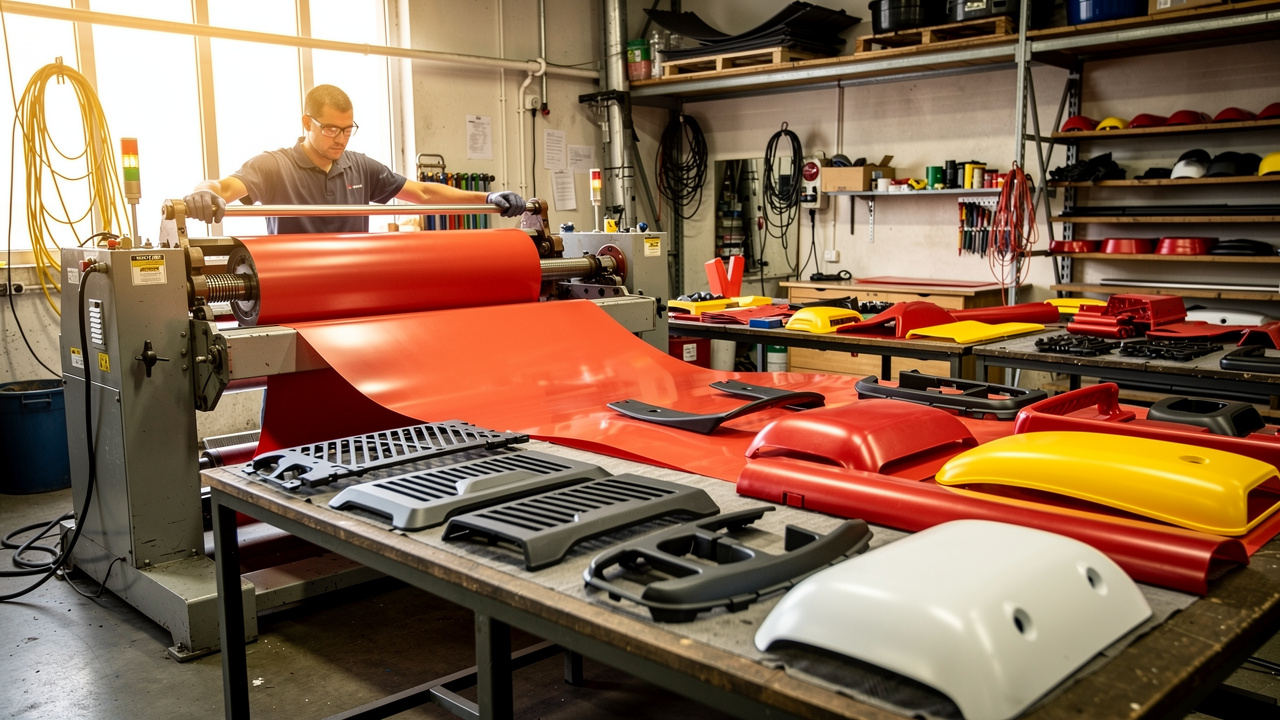
Maximize Efficiency with Extruded ABS Plastic in Manufacturing
Introduction
In a rapidly evolving manufacturing landscape, the adoption of Acrylonitrile Butadiene Styrene (ABS) plastic is not just an option; it's a necessity for those aiming to enhance efficiency and durability. This versatile thermoplastic not only boasts impressive mechanical properties but also offers manufacturers a pathway to streamline production processes and reduce costs. But as more industries turn to ABS, how can manufacturers tackle the challenges of sourcing it and truly leverage its benefits?
Understand Key Properties of ABS Plastic
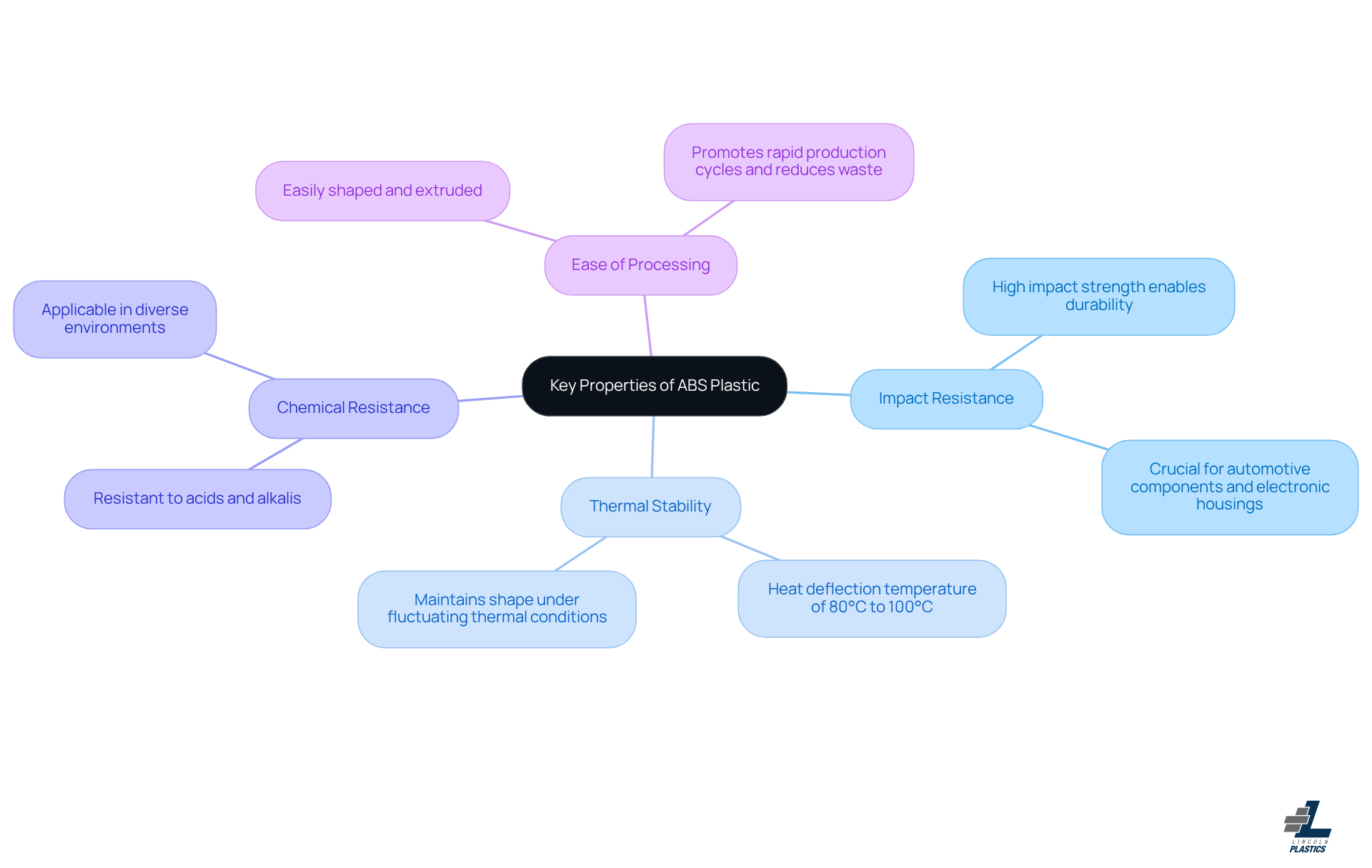
Acrylonitrile Butadiene Styrene (ABS) stands out as a powerhouse in thermoplastics, offering unmatched mechanical properties that elevate manufacturing standards. Key attributes include:
- Impact Resistance: ABS boasts high impact strength, enabling it to endure significant stress without cracking. This characteristic is crucial for products requiring durability, such as automotive components and electronic housings.
- Thermal Stability: With a heat deflection temperature ranging from 80°C to 100°C, ABS retains its shape and integrity under fluctuating thermal conditions. This stability is especially advantageous for uses subjected to heat, such as in electrical and electronic devices.
- Chemical Resistance: ABS demonstrates resistance to a wide array of chemicals, including acids and alkalis, enhancing its applicability in diverse environments, from industrial machinery to household appliances.
- Ease of Processing: The capability of the substance, particularly extruded ABS plastic, to be easily shaped and extruded promotes rapid production cycles and reduces waste, which is crucial for sustaining efficiency in manufacturing processes.
Imagine how these properties can transform your approach to industrial machinery, cable management systems, and agricultural equipment. The increasing demand for ABS, expected to hit USD 40.8 billion by 2026, signals a shift towards more efficient and durable materials in manufacturing. As industries evolve, embracing ABS could be the key to staying ahead in a competitive market landscape.
Leverage Advantages of ABS in Manufacturing
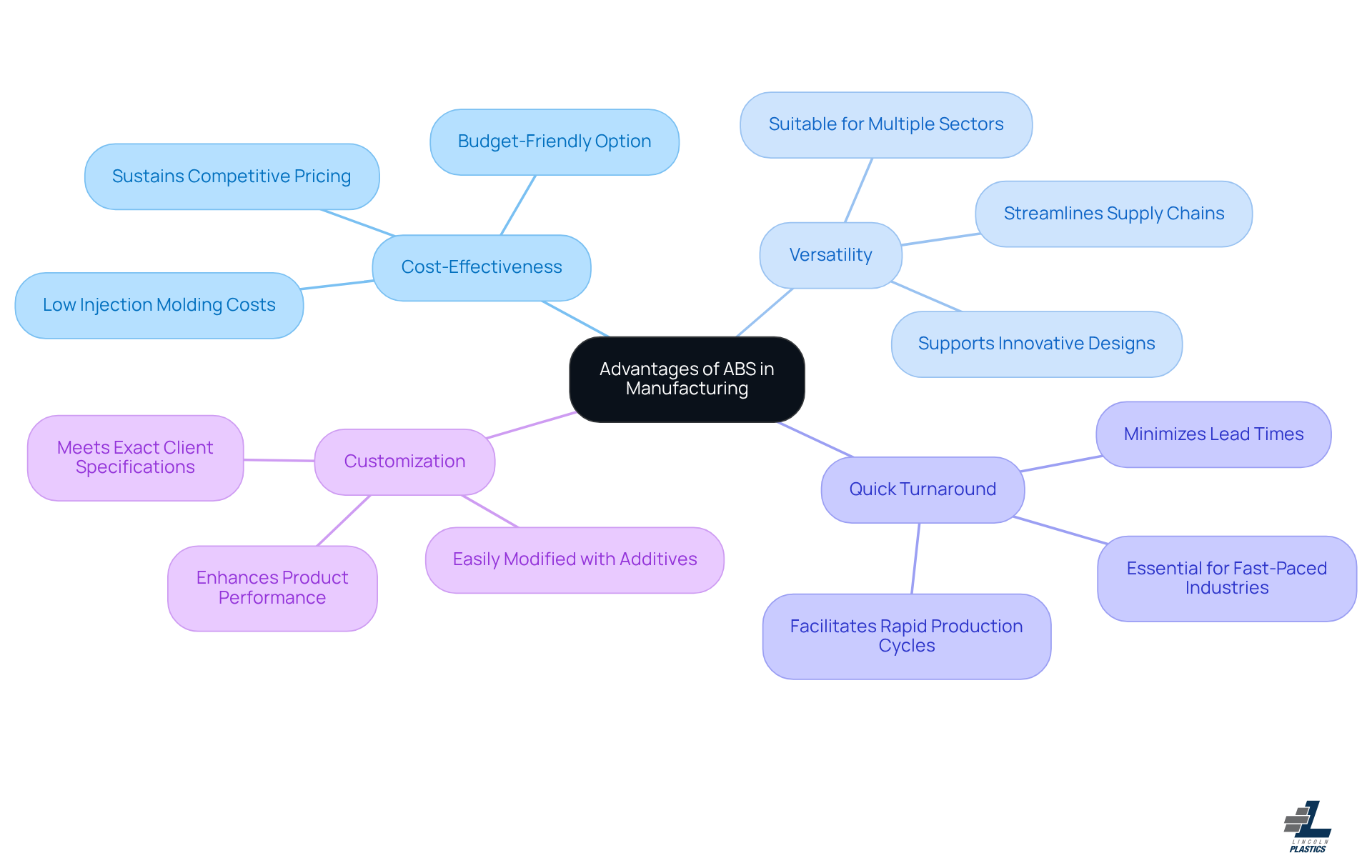
Manufacturers today face the challenge of optimizing production efficiency while maintaining quality and cost-effectiveness. Utilizing ABS in manufacturing processes presents numerous advantages that can significantly enhance operational efficiency:
- Cost-Effectiveness: ABS is a budget-friendly option compared to other engineering plastics, making it ideal for mass production without sacrificing quality. Its affordability enables producers to sustain competitive pricing while ensuring durability and performance.
- Versatility: This material is suitable for a wide array of sectors, from automotive parts to consumer products, allowing producers to streamline their supply chains by employing a single material for multiple items. ABS's adaptability supports innovative designs and applications, enhancing its appeal in multiple sectors.
- Quick Turnaround: The straightforward processing of ABS facilitates rapid production cycles, essential for meeting tight deadlines and minimizing lead times. In fast-paced industries, where every second counts, this efficiency can make all the difference.
- Customization: ABS can be easily modified with additives to improve specific characteristics, such as UV resistance or flame retardancy. This flexibility enables producers to customize products to meet exact client specifications, enhancing overall product performance.
By choosing ABS, manufacturers can not only cut costs but also enhance their product quality and market competitiveness. Furthermore, the extrusion molding method employed by Lincoln Plastics improves the efficiency and accuracy of uses for extruded ABS plastic. At Lincoln Plastics, we leverage our expertise in custom flexible cord covers and cable management solutions, such as our innovative Flexiduct, to ensure that our clients receive tailored extrusions that enhance workplace safety and productivity. Our commitment to rigorous quality control and collaboration with OEMs ensures that every product meets the highest standards of precision and performance. Choosing ABS not only streamlines production but also positions manufacturers for greater success in a competitive market.
Explore Applications of ABS Plastic in Custom Solutions
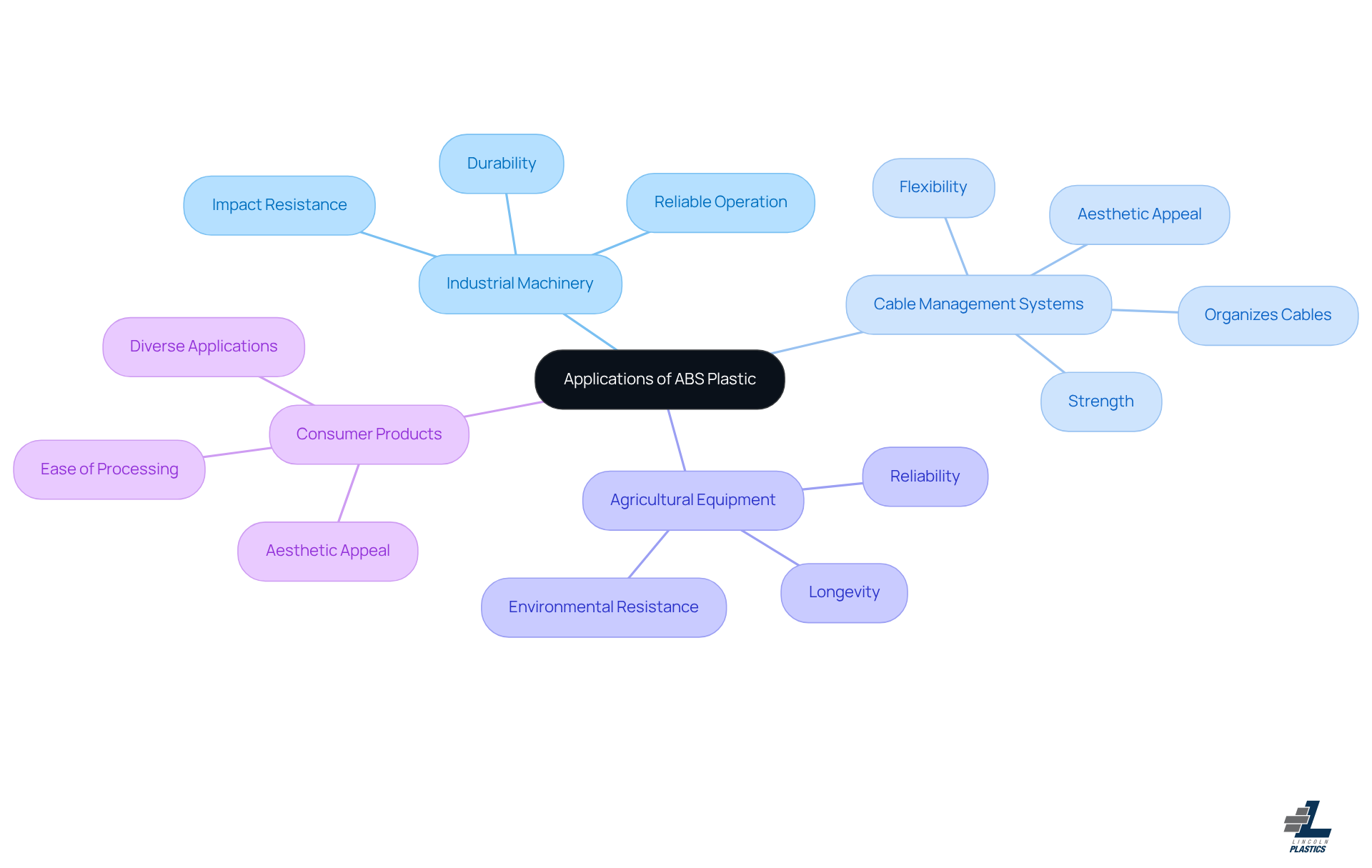
When it comes to versatility and performance, ABS plastic stands out as a top choice across multiple industries. Its adaptability makes it a preferred material in various applications, including:
- Industrial Machinery: Its durability and impact resistance make ABS a preferred choice for housings and components in industrial machines, ensuring reliable operation under demanding conditions.
- Cable Management Systems: The substance's flexibility and strength are crucial for developing cable conduits and management solutions. ABS effectively protects and organizes cables in complex setups, enhancing both functionality and aesthetics. As the global demand for ABS in cable management systems grows, driven by the increasing need for efficient and organized electrical installations, producers must consider its advantages.
- Agricultural Equipment: In irrigation systems and agricultural machinery, ABS's resistance to environmental factors contributes to enhanced longevity and reliability, making it an ideal material for outdoor use.
- Consumer Products: From toys to electronic housings, ABS's aesthetic appeal and ease of processing facilitate the creation of visually attractive and functional products, catering to diverse consumer needs.
These applications demonstrate the versatility of ABS plastic, showing its ability to satisfy the diverse needs of producers across various sectors. As industries evolve, the demand for reliable materials like ABS will only continue to rise, making it essential for producers to stay informed.
Address Challenges in Sourcing ABS Plastic
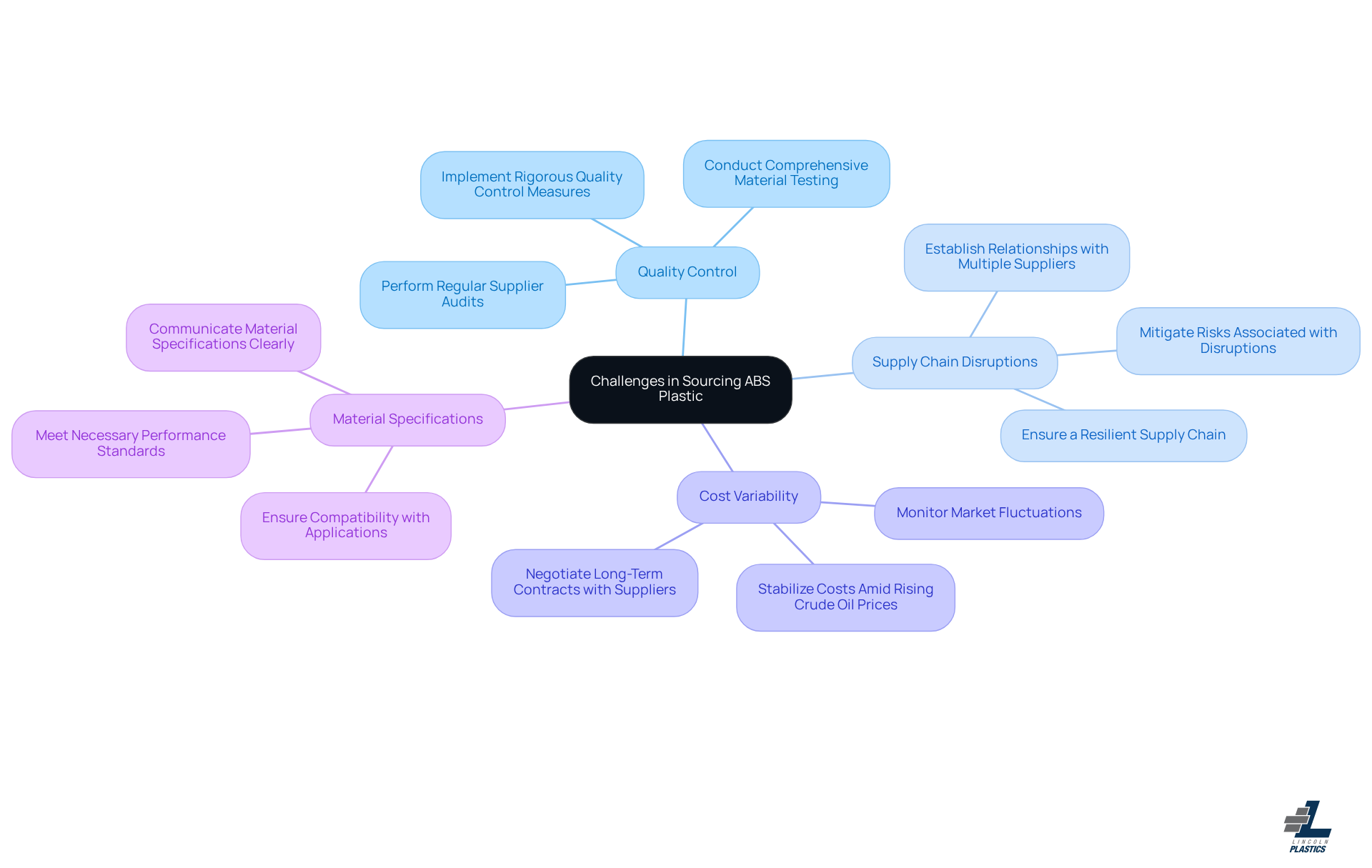
Navigating the complexities of sourcing extruded ABS plastic is crucial for manufacturers aiming for excellence in production. Several challenges must be adeptly navigated:
- Quality Control: Ensuring the quality of ABS from suppliers is critical. Manufacturers should implement rigorous quality control measures, including comprehensive material testing and regular supplier audits, to confirm the integrity and compliance of the materials used in production.
- Supply Chain Disruptions: Recent fluctuations in the availability of ABS due to supply chain disruptions have significantly impacted production schedules. Establishing relationships with multiple suppliers can mitigate risks associated with these disruptions, ensuring a more resilient supply chain.
- Cost Variability: The price of ABS is subject to market fluctuations, influenced by factors such as rising crude oil prices and supply constraints. To stabilize costs and secure consistent pricing, manufacturers should consider negotiating long-term contracts with their suppliers.
- Material Specifications: Different applications may require specific grades of extruded ABS plastic. Clear and ongoing communication with suppliers regarding material specifications and performance requirements is essential to prevent compatibility issues and ensure that the materials meet the necessary standards.
By refining sourcing strategies, manufacturers not only secure quality but also fortify their production capabilities against future uncertainties.
Conclusion
Maximizing efficiency in manufacturing through extruded ABS plastic is a strategic imperative for enhancing production capabilities. This thermoplastic combines durability, thermal stability, and ease of processing, making it ideal for various applications across multiple industries. ABS adapts to specific needs while keeping costs in check, making it essential for manufacturers aiming to stay competitive.
Key insights highlighted throughout the article underscore the advantages of ABS, including:
- Impact resistance
- Versatility
- Rapid processing capabilities
By leveraging these properties, manufacturers can streamline operations, reduce costs, and improve product quality. Furthermore, addressing the challenges associated with sourcing ABS, such as quality control and supply chain management, is crucial for ensuring a consistent and reliable production flow.
As industries evolve, the demand for high-quality materials like ABS plastic is set to surge. Manufacturers are encouraged to embrace the benefits of extruded ABS and implement best practices in sourcing and production to enhance efficiency and foster innovation. By prioritizing ABS in manufacturing strategies, businesses can position themselves for success in a rapidly changing marketplace, ultimately driving growth and sustainability in their operations.
Frequently Asked Questions
What is ABS plastic?
ABS plastic, or Acrylonitrile Butadiene Styrene, is a type of thermoplastic known for its outstanding mechanical properties, making it a popular choice in various manufacturing applications.
What are the key properties of ABS plastic?
The key properties of ABS plastic include high impact resistance, thermal stability, chemical resistance, and ease of processing.
Why is impact resistance important for ABS plastic?
Impact resistance is crucial for ABS plastic as it allows the material to withstand significant stress without cracking, making it ideal for durable products like automotive components and electronic housings.
What is the thermal stability range of ABS plastic?
ABS plastic has a heat deflection temperature ranging from 80°C to 100°C, allowing it to maintain its shape and integrity under varying thermal conditions.
How does ABS plastic perform in terms of chemical resistance?
ABS plastic exhibits resistance to a wide range of chemicals, including acids and alkalis, which broadens its applicability in various environments, from industrial machinery to household appliances.
What advantages does ABS plastic offer in manufacturing processes?
ABS plastic is easy to process, particularly in its extruded form, allowing for rapid production cycles and reduced waste, which enhances efficiency in manufacturing.
What is the projected demand for ABS plastic by 2026?
The demand for ABS plastic is expected to reach USD 40.8 billion by 2026, indicating a growing trend towards more efficient and durable materials in manufacturing.
In what industries can ABS plastic be utilized?
ABS plastic can be utilized in various industries, including industrial machinery, cable management systems, and agricultural equipment, thanks to its desirable properties.
List of Sources
- Understand Key Properties of ABS Plastic
- ABS Polymer Growth Statistics 2023 (https://polymer-compounders.com/abs-polymer-growth-statistics-2023)
- industryarc.com (https://industryarc.com/Report/19830/acrylonitrile-butadiene-styrene-abs-market.html)
- polymerupdate.com (https://polymerupdate.com/News/Details/1446620/san)
- th-filter.com (https://th-filter.com/news/the-abs-plastic-market-will-see-a-further-increase-in-new-production-capacity-by-2026)
- Leverage Advantages of ABS in Manufacturing
- th-filter.com (https://th-filter.com/news/the-abs-plastic-market-will-see-a-further-increase-in-new-production-capacity-by-2026)
- The enduring role of ABS in advancing modern healthcare (https://todaysmedicaldevelopments.com/news/enduring-role-abs-advancing-modern-healthcare)
- rjcmold.com (https://rjcmold.com/news/the-benefits-of-abs-plastic-in-injection-molding)
- lyshire.com (https://lyshire.com/news/how-can-smooth-abs-plastic-sheet-improve-manufacturing-efficiency.html)
- recyclingtoday.org (https://recyclingtoday.org/blogs/news/abs-plastic-and-its-advantages)
- Explore Applications of ABS Plastic in Custom Solutions
- industryarc.com (https://industryarc.com/Report/19830/acrylonitrile-butadiene-styrene-abs-market.html)
- The enduring role of ABS in advancing modern healthcare (https://todaysmedicaldevelopments.com/news/enduring-role-abs-advancing-modern-healthcare)
- cognitivemarketresearch.com (https://cognitivemarketresearch.com/abs-plastic-market-report)
- th-filter.com (https://th-filter.com/news/the-abs-plastic-market-will-see-a-further-increase-in-new-production-capacity-by-2026)
- ABS Polymer Growth Statistics 2023 (https://polymer-compounders.com/abs-polymer-growth-statistics-2023)
- Address Challenges in Sourcing ABS Plastic
- marketplace.org (https://marketplace.org/story/2026/04/09/wardriven-plastic-shortage-raises-costs-for-some-manufacturers)
- ABS Resin Prices Rising in 2026: What It Means for Automotive ABS Parts (https://hsspoiler.com/new_detail/ABS-Resin-Prices-Rising-in-2026:-What-It-Means-for-Automotive-ABS-Parts.html)
- Plastics Industry Faces Cost and Policy Pressures (https://plasticstoday.com/industry-trends/plastics-industry-faces-mounting-challenges-in-2026)
- wanplas.com (https://wanplas.com/news/industry-news/the-paradox-of-plenty-and-scarcity-how-2026s-plastic-price-crisis-is-transforming-global-recycling-industries-and-equipment-markets)
- INEOS ABS Closure: Impact on Medical Device Manufacturers - Cambridge Polymer Group, Inc. (https://campoly.com/blog/ineos-abs-closure-impact-medical-device-manufacturers)
Related posts

Right-Sized Production Runs: Flexibility Without the Waste
Lincoln Plastics offers right-sized production runs with a 10-hour minimum — balancing efficiency with flexibility so OEMs avoid oversized orders.


Co-Extrusion: Combining Two Materials for Better Performance
Lincoln Plastics offers co-extrusion, combining two plastics into a single profile for greater design freedom, performance, and cost savings.
Beyond Extrusion: Value-Added Services That Simplify Production
Beyond Extrusion: Value-Added Services That Simplify Production
