

Maximize Efficiency with Electrically Conductive Plastics in Manufacturing
Introduction
Have you ever thought about how the materials we use in manufacturing can really change the game? Well, electrically conductive plastics are doing just that! They combine the lightweight perks of synthetic materials with the conductivity that modern applications need. As industries look for fresh ways to boost efficiency and cut costs, these materials are stepping up as a fantastic alternative to traditional metals, especially in fields like automotive and electronics.
But here’s the kicker: can manufacturers really tackle the higher costs and complexities that come with integrating these advanced materials into their processes? It’s a big question, and exploring the potential of electrically conductive plastics might just be the key to ushering in a new era of manufacturing efficiency and innovation. So, what do you think? Are you ready to dive into this exciting world?
Understand Electrically Conductive Plastics: Definition and Importance
Have you ever thought about how electricity travels through materials? Well, electrically conductive plastics are pretty fascinating! These compounds are designed to carry electricity by mixing conductive fillers like carbon black, metal fibers, or conductive polymers into a framework of plastic. They’re becoming quite popular in manufacturing because they blend the properties of synthetic materials with additives, which provide the electrical conductivity needed for various applications, especially in electronics and telecommunications.
Now, why does this matter? These materials could potentially replace traditional metals, offering benefits like reduced weight and improved performance. For instance, in the automotive industry, you’ll find electrically conductive plastics becoming more common in wiring and battery parts. This not only boosts performance but also helps cut down on the overall weight of vehicles.
Looking ahead, the global market for electrical materials is expected to hit a whopping USD 3.5 billion by 2035! In the USA alone, demand is projected to grow at a 7.9% CAGR from 2025 to 2035. As manufacturers look for innovative solutions, understanding what these materials can do is crucial. They’re versatile too, finding applications in electronics, capacitors, actuators, sensors, batteries, and solar cells.
But here’s the catch: the higher cost of these materials compared to regular polymers can be a hurdle for manufacturers. Still, the potential savings that transmit electricity is huge! It’s set to transform industries, and sparking innovation. So, what do you think? Are you ready to explore the possibilities?

Leverage Benefits of Electrically Conductive Plastics in Manufacturing
Have you ever thought about how incorporating electrically conductive plastics into manufacturing could change the game? Well, let’s dive into it! With the expertise of Lincoln Plastics in material science, these materials are making waves, especially when it comes to enhancing product performance. This is super important in industries like automotive and aerospace, where every ounce counts for better fuel efficiency and performance.
For example, the automotive industry is shifting gears towards using electrically conductive plastics for parts such as housings. This not only lightens the load of vehicles but also boosts the reliability of electronic systems by providing improved electrical connections. Pretty cool, right?
Now, let’s talk about costs. Using energy-conducting polymers can lead to significant savings. Their ease of processing often means you can skip secondary operations like plating or coating, which streamlines the whole workflow. This efficiency can lower operational costs and speed up turnaround times. In fact, the market for electrically conductive plastics in the USA is expected to grow from USD 1.6 billion in 2025 to USD 3.5 billion by 2035. That’s a big leap, driven by their increasing use in various applications.
But wait, there’s more! Experts say these materials are super versatile, allowing for customization to meet specific conductivity needs. This makes them suitable for a variety of applications beyond just automotive, including aerospace and electronics. Lincoln Plastics is committed to quality, ensuring these materials meet the highest standards. However, it’s worth noting that conductive materials might not match the conductivity levels of traditional metals, which could limit their use in high-performance situations.
As industries continue to seek innovative solutions, electrically conductive plastics are poised to play a vital role in the future of manufacturing. So, what do you think? Are you ready to explore how these innovations can impact your field?

Implement Strategies for Integrating Electrically Conductive Plastics
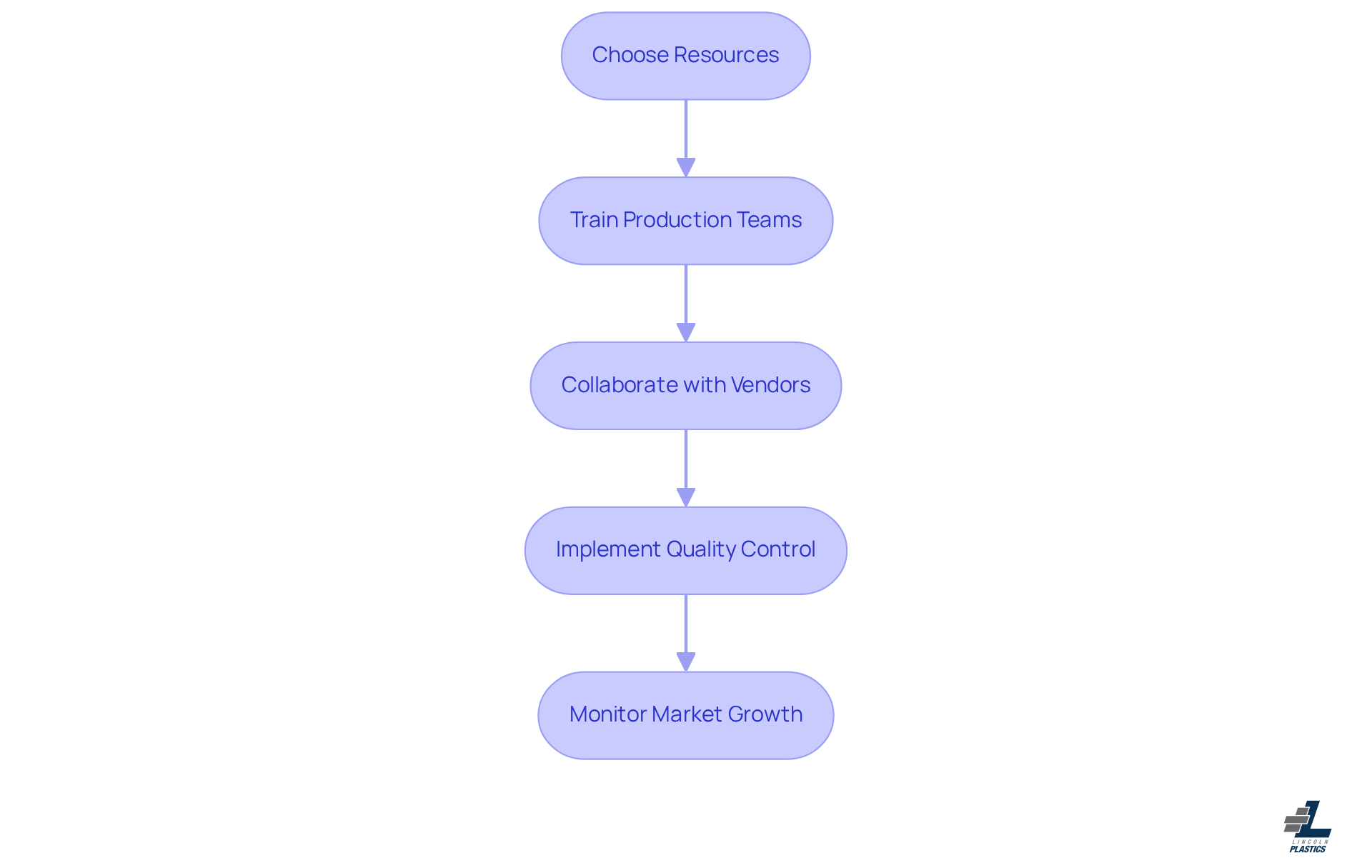
When it comes to incorporating electrically conductive plastics into manufacturing, a strategic approach is key. First off, choosing the right materials is super important. You want to focus on the properties in terms of conductivity. Think about the type and concentration of fillers in plastics that conduct electricity. Getting this right is crucial for performance in while maintaining the material's mechanical integrity. For example, did you know that the carbon black filled segment is expected to hold a whopping 56.0% market share by 2025? That really shows how effective it is for electrostatic discharge protection!
Now, let’s talk about processing techniques. Understanding the parameters of processing, including the ideal temperature ranges and cooling rates during injection molding or extrusion, can really make a difference in product quality. Research suggests that low barrel temperatures and high injection speeds can actually reduce the conductivity of materials. So, training on these parameters? Absolutely essential!
You might be wondering how to get the best insights on formulation and processing methods. Well, industry experts can provide valuable perspectives. This partnership can really enhance your selection process, ensuring you’re using the most effective materials for your specific needs.
Lastly, let’s not forget about quality control. Implementing strict measures throughout the production process is critical. Regular oversight helps ensure that your end products meet performance and reliability standards. This is especially important given market trends, which is set to jump from USD 2.9 billion in 2025 to USD 5.1 billion by 2035. That growth is driven by the increasing demand for advanced transmission solutions across various electronics sectors. So, are you ready to take action and make the most of these insights?
Ensure Quality Control and Supplier Reliability in Material Sourcing
For manufacturers looking to boost performance and safety, quality control is crucial when sourcing materials. Think about it: establishing clear specifications for materials is key. You need to cover all the bases, like electrical conductivity, durability, and thermal stability. Regular testing? Absolutely essential! They help ensure everyone’s on the same page with those specifications and keep quality consistent.
Now, let’s talk about testing. Implementing a solid quality assurance process for incoming materials can really help catch any issues before production kicks off. This way, you can dodge the risks that come with using subpar materials. Plus, building strong relationships is a game changer. Good communication and collaboration can make all the difference when challenges pop up during the manufacturing process.
By prioritizing quality control and supplier reliability, manufacturers can significantly enhance the effectiveness and safety of their products made from electrically conductive plastics. So, why not take a closer look at your sourcing strategy? It could make a world of difference!

Conclusion
Electrically conductive plastics are shaking things up in manufacturing! They blend the lightweight perks of modern materials with the electrical conductivity that today’s applications need. You can see their growing role in industries like automotive and electronics, where they’re stepping in to replace traditional metals. This shift offers manufacturers a chance to enjoy better design flexibility, lighter products, and lower production costs.
Now, let’s talk about some key insights that popped up during our discussion. Incorporating these materials into production processes can lead to some serious operational savings. Plus, they improve electromagnetic interference shielding and boost product reliability. But, it’s not all smooth sailing - there are challenges too, like higher material costs and the need for proper training and quality control. These factors are crucial for making sure everything runs smoothly.
As the market for electrically conductive plastics keeps growing - projected to jump from USD 1.6 billion to USD 3.5 billion by 2035 - it’s a great time for manufacturers to embrace these innovations. By focusing on quality control, teaming up with reliable suppliers, and investing in employee training, companies can really tap into the full potential of electrically conductive plastics. This could pave the way for a more efficient and innovative future in manufacturing. So, what do you think? Are you ready to explore these exciting possibilities?
Frequently Asked Questions
What are electrically conductive plastics?
Electrically conductive plastics are materials designed to carry electricity by incorporating conductive fillers such as carbon black, metal fibers, or conductive polymers into a synthetic framework.
Why are electrically conductive plastics important?
They are important because they can potentially replace traditional metals, offering benefits like reduced weight, lower production costs, and greater design flexibility, especially in applications like electronics and automotive components.
Where are electrically conductive plastics commonly used?
They are commonly used in the automotive industry for wiring and battery parts, as well as in antistatic packaging, capacitors, actuators, sensors, batteries, and solar cells.
What is the projected market growth for electrically conductive materials?
The global market for electrical materials is expected to reach USD 3.5 billion by 2035, with a projected growth rate of 7.9% CAGR in the USA from 2025 to 2035.
What challenges do manufacturers face with electrically conductive plastics?
The higher cost of these materials compared to regular polymers can be a hurdle for manufacturers, despite their potential benefits.
How do electrically conductive plastics benefit the automotive industry?
They boost performance and help reduce the overall weight of vehicles, which can lead to improved efficiency and innovation in manufacturing methods.
List of Sources
- Understand Electrically Conductive Plastics: Definition and Importance
- futuremarketinsights.com (https://futuremarketinsights.com/reports/united-states-conductive-plastics-market)
- openpr.com (https://openpr.com/news/4280405/electrically-conductive-plastic-compound-carbon-black-based)
- openpr.com (https://openpr.com/news/4361149/conductive-plastics-market-to-reach-us-8-0-billion-by-2033)
- futuremarketinsights.com (https://futuremarketinsights.com/reports/conductive-plastics-market)
- linkedin.com (https://linkedin.com/pulse/united-states-electrically-conductive-plastics-market-os7ec)
- Leverage Benefits of Electrically Conductive Plastics in Manufacturing
- forinsightsconsultancy.com (https://forinsightsconsultancy.com/reports/electrically-conductive-plastics-market)
- persistencemarketresearch.com (https://persistencemarketresearch.com/market-research/conductive-plastics-market.asp)
- te.com (https://te.com/en/about-te/capabilities/materials-science/building-lighter-less-expensive-products-with-conductive-plastics.html)
- futuremarketinsights.com (https://futuremarketinsights.com/reports/united-states-conductive-plastics-market)
- Implement Strategies for Integrating Electrically Conductive Plastics
- chalmers.se (https://chalmers.se/en/current/news/k-pioneering-recipe-for-conductive-plastics-paves-the-way-for-your-body-to-go-online)
- premixgroup.com (https://premixgroup.com/blog/electrically-conductive-plastics-in-injection-molding-applications)
- factmr.com (https://factmr.com/report/conductive-plastic-compounds-market)
- linkedin.com (https://linkedin.com/pulse/electrically-conductive-plastics-market-intelligence-pqwee)
- Ensure Quality Control and Supplier Reliability in Material Sourcing
- proqc.com (https://proqc.com/blog/25-quotes-to-inspire-quality-success)
- lincoln-plastics.com (https://lincoln-plastics.com/news-post/4-best-practices-for-supplier-reliability-in-plastic-manufacturing)
- futuremarketinsights.com (https://futuremarketinsights.com/reports/conductive-plastics-market)
- linkedin.com (https://linkedin.com/pulse/global-electrically-conductive-plastics-market-impact-vlnoe)
- linkedin.com (https://linkedin.com/pulse/electrically-conductive-plasticsmarket-analysis-forecastinggrowth-xj8ee)


