

Mastering Plastic PE: Best Practices for Effective Sourcing and Use
Introduction
Polyethylene (PE) is a big deal in modern manufacturing. It's super versatile and cost-effective, making it a go-to for many industries. But as demand skyrockets - especially in packaging, which is set to take the lead - manufacturers are faced with the challenge of sourcing and using this essential material effectively.
Now, you might be wondering: with all the rapid advancements and a growing focus on sustainability, how can businesses not just meet today’s demands but also gear up for future success in polyethylene sourcing and manufacturing? Let’s dive into that!
Understand Polyethylene: Definition and Importance in Manufacturing
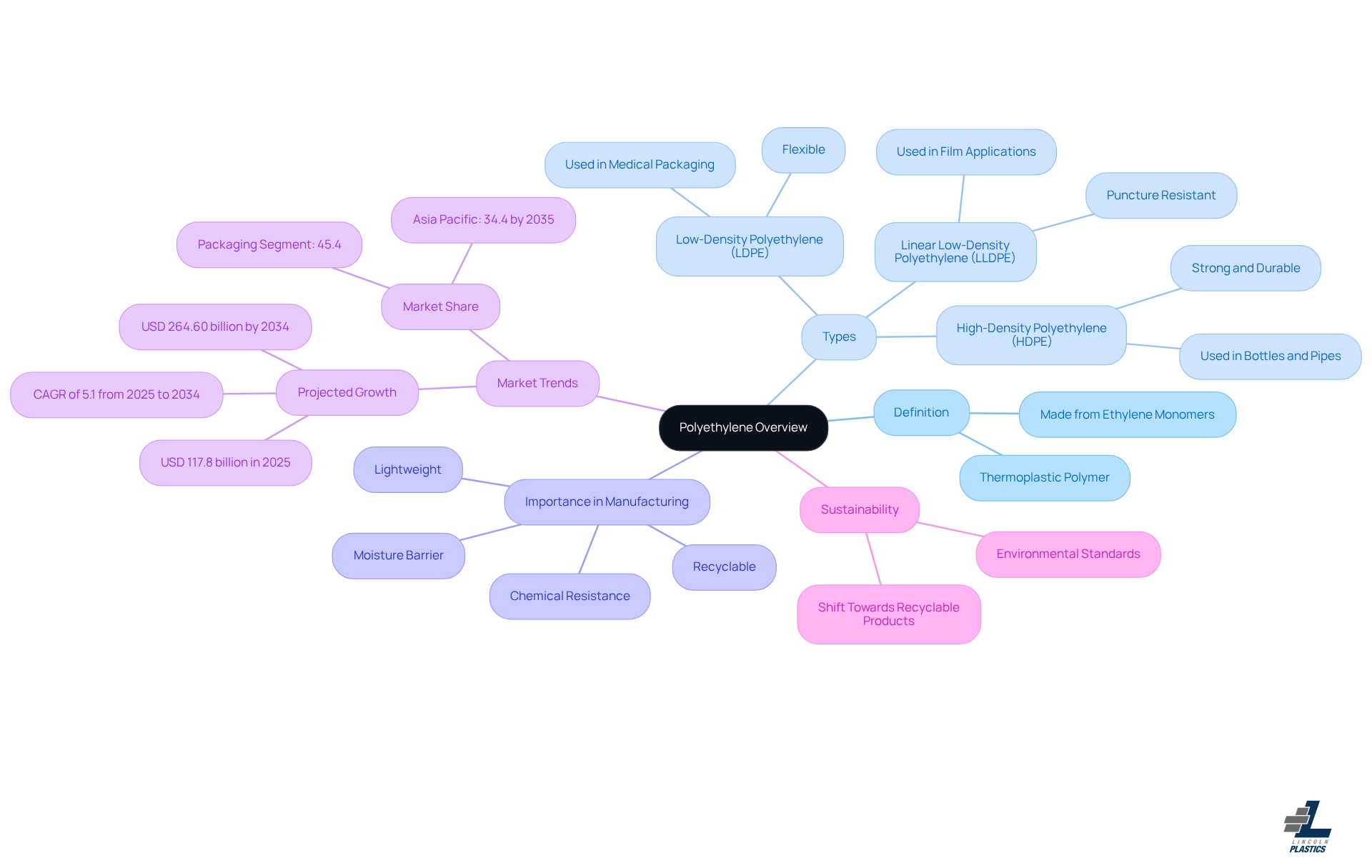
PE, or polyethylene, is a thermoplastic polymer made from ethylene monomers. It's pretty amazing how versatile, durable, and cost-effective it is, making it one of the most popular plastics out there. You might have heard of its different types:
- Low-Density Polyethylene (LDPE)
- High-Density Polyethylene (HDPE)
- Linear Low-Density Polyethylene (LLDPE)
Each type has its own unique properties and uses.
In the manufacturing world, polyethylene is essential. Why? Well, it boasts fantastic strength, acts as a moisture barrier, and can be molded in various ways. Plus, plastic PE is lightweight and recyclable, making it a sustainable choice for industries like packaging, construction, and automotive. Did you know that in 2024, the global plastic PE market is projected to reach leading market revenue? It captured a huge share thanks to the growing demand for both consumer goods and industrial applications. The market size is expected to soar to USD 264.60 billion by 2034. That’s some serious growth!
Now, let’s talk about trends. There’s a noticeable shift towards sustainability, with more manufacturers jumping on the bandwagon to meet environmental standards. The packaging sector is projected to capture 45.4% of the global plastic PE market share during the forecast period. This really highlights how important sustainable practices are becoming. As urbanization speeds up, the need for durable materials and products is on the rise. So, it’s crucial for manufacturers to get a good grasp of polyethylene's characteristics to optimize their sourcing and production strategies.
Explore Types of PE Plastics: Properties and Applications
Polyethylene comes in three main types, and each has its own unique perks:
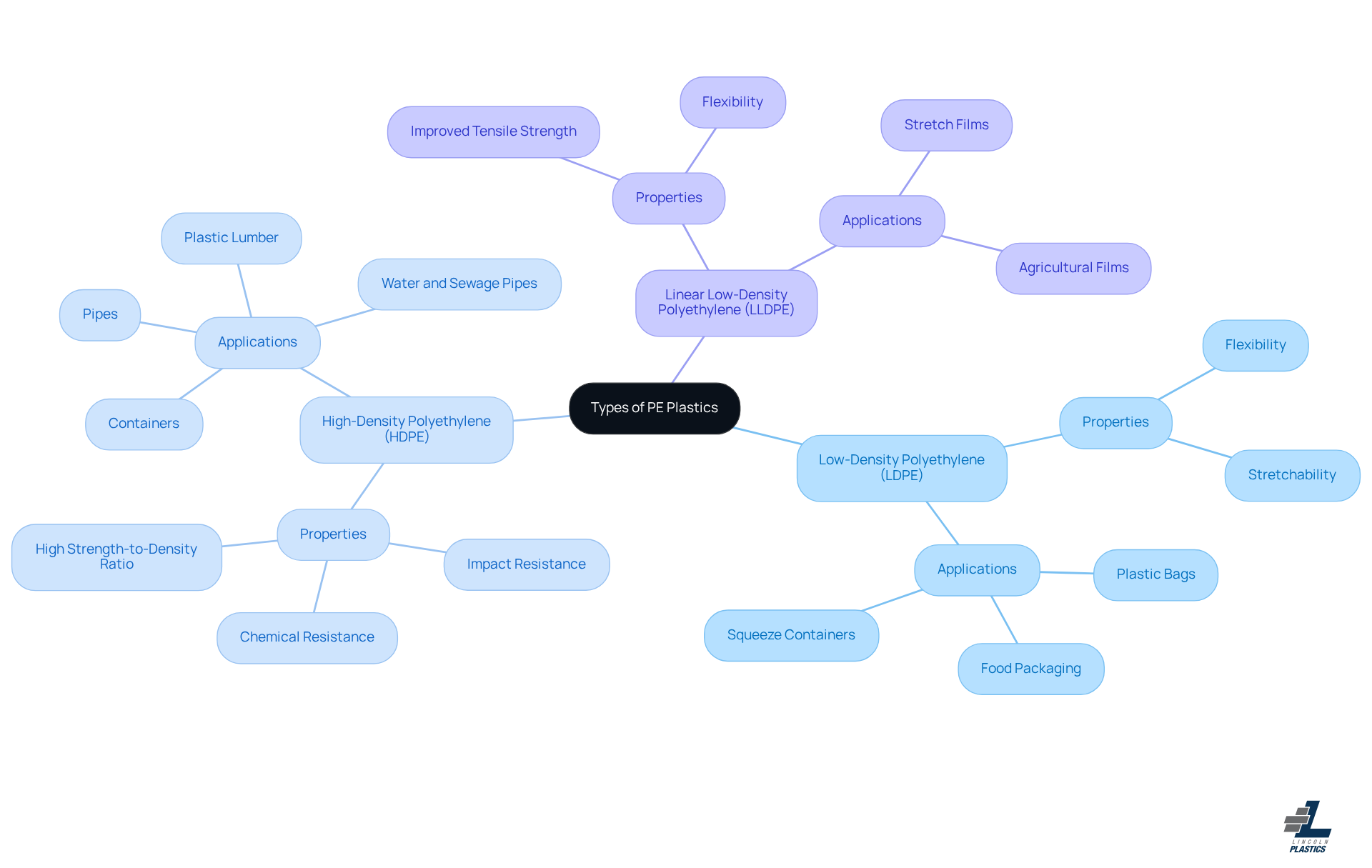
- LDPE: This one’s all about flexibility! You’ll find LDPE in plastic bags, food wraps, and those handy squeeze containers. Its stretchy nature means it can bend without breaking, making it perfect for products that need a soft touch.
- HDPE: Now, if you’re looking for something strong, HDPE is your go-to. It has a high strength-to-density ratio, making it ideal for bottles, containers, and even piping. Plus, it can handle impacts and high temperatures, so it’s a favorite for outdoor products. Did you know it’s widely used in the packaging industry? Its durability and chemical resistance are key here. And thanks to recent advancements, HDPE is not only better quality but also more affordable, making it a popular choice for milk, water, shampoo, and detergent containers.
- LLDPE: This type combines the best of both worlds-LDPE and HDPE. LLDPE offers improved tensile strength and flexibility, making it ideal for stretch films and agricultural films where you need both durability and flexibility.
Understanding these types helps producers pick the right material, ensuring they get the best performance without breaking the bank. HDPE, in particular, shines with its versatility in both construction and packaging, proving to be a vital material in today’s manufacturing landscape.
Implement Effective Sourcing Strategies for PE Materials
When it comes to sourcing materials, manufacturers often encounter several challenges. So, how can you tackle this effectively? Here are some strategies that might just do the trick:
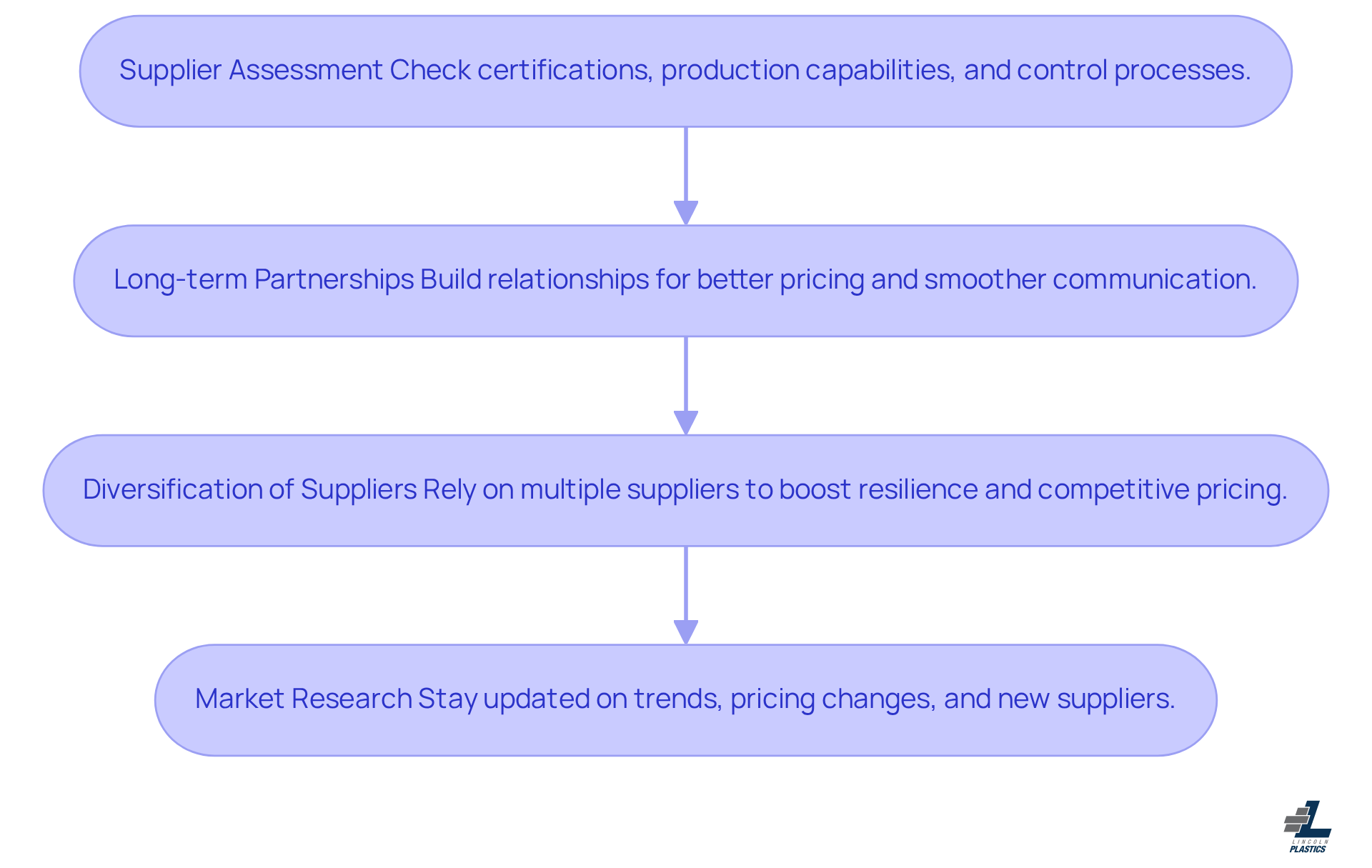
- Supplier Evaluation: First off, take a good look at potential suppliers. Check their certifications, production capabilities, and quality control processes. It’s a smart move to prioritize those with a strong track record - this shows they’re serious about meeting international quality standards.
- Long-term Partnerships: Now, let’s talk about building relationships with your suppliers. This can really pay off! Think about it: better pricing, priority access during shortages, and smoother communication. By negotiating contracts that work for both sides, you can solidify these partnerships, creating a foundation of trust and collaboration.
- Diversification of Suppliers: You might be wondering how to handle supply chain disruptions. One way is to diversify your supplier base. Relying on multiple suppliers not only boosts your resilience but also encourages competitive pricing, which can lead to some nice cost savings.
- Market Research: Staying in the loop is key! Keep an eye on market trends, pricing changes, and new suppliers. Regularly checking out industry reports and attending trade shows can open up new opportunities and innovations in sourcing materials.
By putting these strategies into action, you can optimize your sourcing process with plastic PE. This way, you’ll ensure a steady supply of materials while enhancing your overall business performance.
Utilize PE Effectively: Best Practices in Manufacturing Processes
To get the most out of polyethylene in manufacturing, let’s chat about some best practices that can really make a difference:
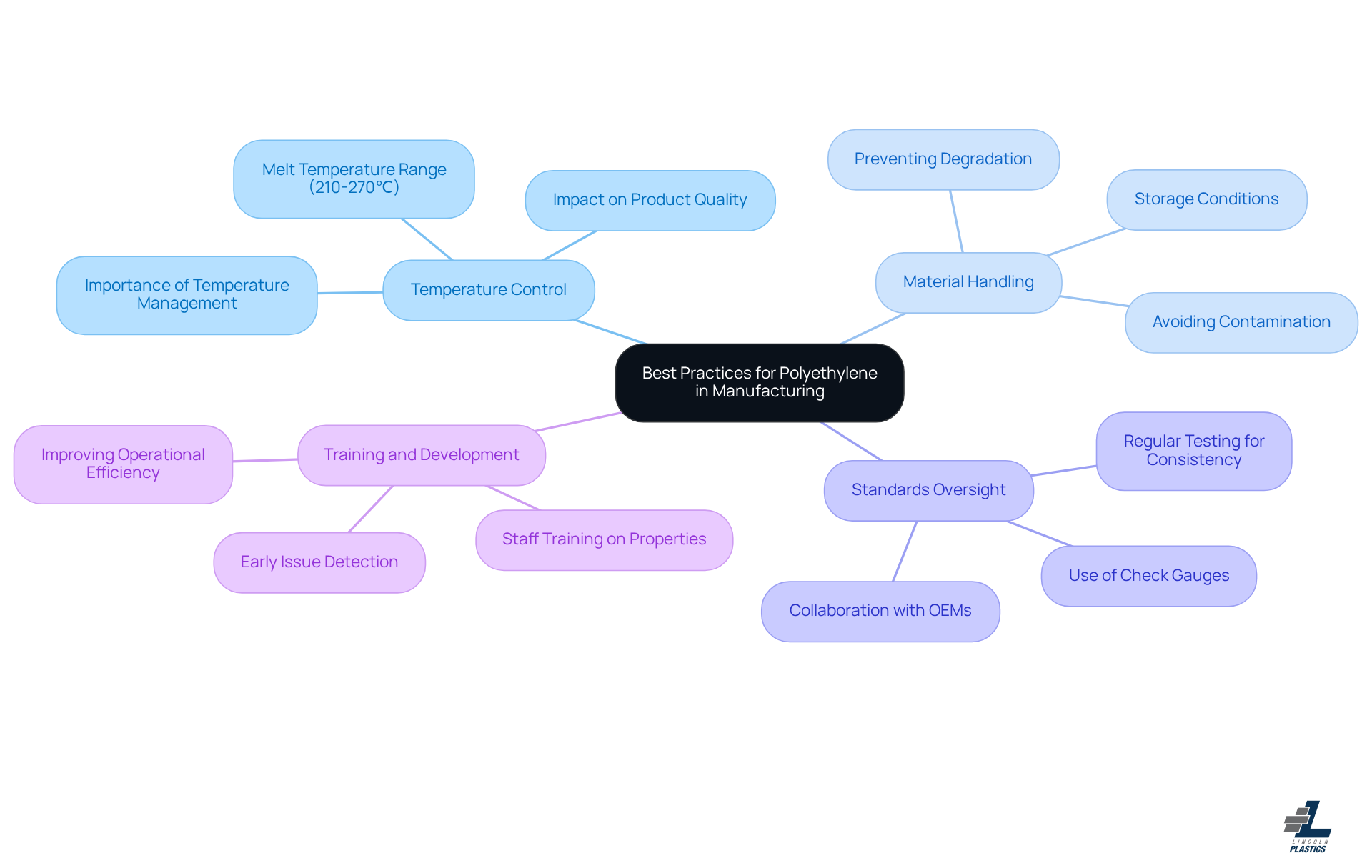
- Temperature Control: Keeping an eye on processing temperatures is super important. It helps ensure the material melts and flows just right, preventing issues like warping or incomplete molding that can mess with product quality. Did you know the ideal temperature range? So, nailing that range is crucial!
- Material Handling: Now, let’s talk about how we handle the material. Using effective techniques here is crucial to keep contamination and degradation at bay. Make sure to store it in clean, dry conditions and steer clear of direct sunlight, which can really mess with the material’s properties. Proper handling not only keeps the polyethylene in good shape but also boosts the efficiency of your production process.
- Standards Oversight: Establishing solid quality control measures is essential. At Lincoln Plastics, we work hand-in-hand with OEMs to ensure our products meet all necessary standards, including those special checks for ‘fit and function’. We use various check gauges to guarantee a proper end-use fit. Plus, regular testing of samples for consistency in thickness, color, and mechanical properties helps us ensure that the final products hit the mark. This proactive approach can really enhance product reliability and keep customers happy.
- Staff Training: Investing in staff training on polyethylene’s properties and processing techniques is essential. When your team is informed, they can spot potential issues early and tackle them effectively, leading to smoother operations and better outputs.
By sticking to these best practices, manufacturers can really amp up their production processes, resulting in top-notch products and greater operational efficiency. At Lincoln Plastics, our robust quality assurance program includes a dedicated team, complete with drawings, critical in-process checks, and run documentation. This ensures your products are exactly what you specified. And don’t worry, we can easily source colors that match your Pantone specifications for consistency across manufacturers.
Conclusion
Mastering how to source and use polyethylene (PE) is key for manufacturers looking to stand out in today’s competitive market. Let’s take a closer look at the different types of polyethylene - like LDPE, HDPE, and LLDPE - and what makes each one special. Knowing these differences helps you pick the right material and highlights just how important polyethylene is in modern manufacturing, especially in packaging and construction.
Now, what are some smart strategies for sourcing? Think about:
- Assessing your suppliers
- Building long-term partnerships
- Diversifying your sources
- Keeping an eye on market trends
These tactics are vital for tackling supply chain challenges and ensuring you always have a steady stream of quality materials. Plus, by implementing best practices in your manufacturing processes - like controlling temperatures, handling materials carefully, and maintaining strict oversight - you can boost product quality and efficiency.
As the push for sustainable solutions grows, it’s time for manufacturers to adapt and meet environmental standards while making the most of polyethylene. By embracing these sourcing strategies and best practices, you can not only enhance your bottom line but also play a part in the industry’s sustainability goals. Remember, mastering polyethylene isn’t just about knowing the material; it’s about using it wisely to spark innovation and growth in manufacturing. So, are you ready to take the next step?
Frequently Asked Questions
What is polyethylene (PE)?
Polyethylene (PE) is a thermoplastic polymer made from ethylene monomers, known for its versatility, durability, and cost-effectiveness.
What are the different types of polyethylene?
The main types of polyethylene are Low-Density Polyethylene (LDPE), High-Density Polyethylene (HDPE), and Linear Low-Density Polyethylene (LLDPE), each with unique properties and uses.
Why is polyethylene important in manufacturing?
Polyethylene is important in manufacturing due to its excellent chemical resistance, moisture barrier properties, lightweight nature, and recyclability, making it a sustainable choice for various industries.
What industries utilize polyethylene?
Polyethylene is widely used in industries such as packaging, construction, and automotive.
What is the current market trend for polyethylene in packaging?
The packaging segment is leading the polyethylene market, capturing a significant share due to the growing demand for both flexible and rigid packaging solutions.
What is the projected growth of the plastic market?
The plastic market size was estimated at USD 117.8 billion in 2025 and is expected to grow to USD 264.60 billion by 2034.
How is sustainability influencing the polyethylene market?
There is a noticeable shift towards sustainability, with more manufacturers adopting recyclable plastic solutions to meet environmental standards, particularly in the packaging sector.
What percentage of the global polyethylene market share is projected for the packaging sector?
The packaging sector is projected to capture 45.4% of the global polyethylene market share during the forecast period.
List of Sources
- Understand Polyethylene: Definition and Importance in Manufacturing
- plasticsindustry.org (https://plasticsindustry.org/newsroom/2025-size-and-impact-report-u-s-plastics-industry-remains-robust-impactful-and-vital)
- chemorbis.com (https://chemorbis.com/en/free-pe-prices-news)
- polarismarketresearch.com (https://polarismarketresearch.com/industry-analysis/polyethylene-market)
- researchnester.com (https://researchnester.com/reports/polyethylene-market/439)
- statista.com (https://statista.com/statistics/1245162/polyethylene-market-volume-worldwide?srsltid=AfmBOorqh0ZmNqAezeMpX97bitqrP3n-rMEWsyWPbx07ZMl9EKfD0-9Q)
- Explore Types of PE Plastics: Properties and Applications
- global.noharm.org (https://global.noharm.org/focus/plastics/case_studies)
- blog.burnsmcd.com (https://blog.burnsmcd.com/polyethylene-demand-climbs-but-market-uncertainty-slows-expansion)
- farahipolymer.com (https://farahipolymer.com/high-density-polyethylene)
- fortunebusinessinsights.com (https://fortunebusinessinsights.com/low-density-polyethylene-market-114332)
- Implement Effective Sourcing Strategies for PE Materials
- 50 Quotes To Inspire Business Partnerships and Collaboration (https://indeed.com/career-advice/career-development/business-partnership-quotes)
- enterpriseleague.com (https://enterpriseleague.com/blog/business-partnership-quotes)
- lincoln-plastics.com (https://lincoln-plastics.com/news-post/4-best-practices-for-sourcing-polyethylene-extrusions-effectively?dcc2137a_page=3)
- veridion.com (https://veridion.com/blog-posts/supplier-sourcing-statistics)
- Utilize PE Effectively: Best Practices in Manufacturing Processes
- askewsltd.com (https://askewsltd.com/blog/why-temperature-control-is-essential-to-the-manufacturing-sector)
- Why are Temperature Control Units Important for Plastic Processing? | Wensui (https://wensuimachinery.com/news/why-are-temperature-control-units-important-for-plastic-processing)
- topsbest-precision.com (https://topsbest-precision.com/blog/plastic-material-melt-mould-temperatures-chart)
- eurochiller.com (https://eurochiller.com/en/your-business/plastic-industry/extrusion/the-crucial-role-of-temperature-in-plastic-extrusion)


