

Mastering Extrusion Tech: Best Practices for OEM Procurement Success
Introduction
Mastering the ins and outs of OEM procurement is super important in today’s competitive world. Quality, customization, and timeliness can really make or break a business, right? In this article, we’re going to explore some essential practices that can help procurement pros tackle the unique challenges OEMs face. From picking reliable suppliers to managing costs effectively, we’ve got you covered.
But here’s the thing: with technology changing so fast and market dynamics shifting all the time, how can procurement experts stay ahead of the game? How can they ensure they’re securing the best outcomes for their organizations? Let’s dive in and find out!
Understand OEM Procurement Needs and Challenges
Mastering OEM procurement starts with understanding the unique needs and challenges OEMs face. Let’s break it down:
- Quality Assurance: For OEMs, quality standards are a must. Suppliers need to stick to recognized standards and certifications, like ISO 9001, to ensure reliability and consistency. At Lincoln Plastics, we use various check gauges to make sure everything fits just right. Plus, our solid assurance system includes a quality management plan, complete with drawings, critical in-process checks, and run documentation. Poor quality can hit hard—losing customers to competitors over subpar products can have lasting effects.
- Customization: OEMs often need tailored solutions for specific applications. This means they need providers who can be flexible and adapt to unique design and material requirements. At Lincoln Plastics, we shine in offering custom solutions, like standardized components for consistency across manufacturers.
- Timeliness: Timely deliveries are crucial for OEMs to keep production schedules on track. Suppliers must show they can meet deadlines because delays can lead to higher operational costs and supply chain disruptions. Did you know that 65% of customers stop shopping with a retailer after just two or three late deliveries? That really highlights how important punctuality is in supplier performance. At Lincoln Plastics, we’re all about meeting those deadlines, so our clients can count on us.
- Cost Management: OEMs are always under pressure to keep expenses in check while maintaining high standards. Balancing these factors is key for successful procurement. Research shows that improving quality standards can lead to less rework and waste, ultimately cutting costs. A comprehensive approach that brings together people, processes, and technologies can boost efficiency and lower expenses. Plus, with the demand for logisticians expected to grow by 19% from 2023 to 2033, there’s a rising need for skilled professionals in supply chain management.
By tackling these challenges, purchasing experts can enhance procurement strategies, building stronger vendor relationships and improving overall performance. For instance, a case study featuring a client in the oil and gas industry shows how Lincoln Plastics’ quick development capabilities helped them seize a $24 million sales opportunity. This really underscores the value in partnerships.

Evaluate and Select Reliable Suppliers
Choosing the right vendors is super important for OEM procurement success. So, let’s dive into some tips to help you evaluate and pick suppliers:
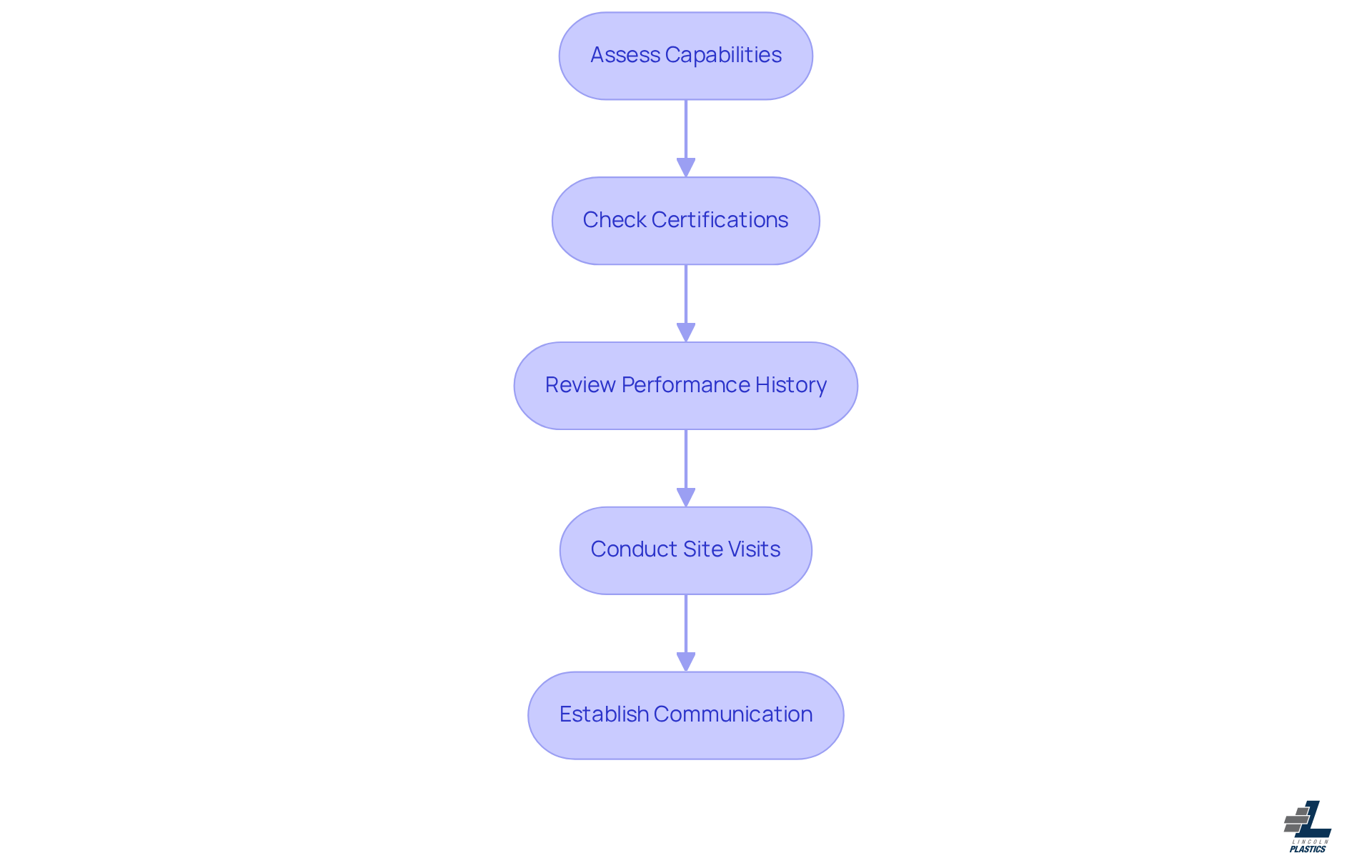
- Assess Capabilities: First off, take a good look at what suppliers can do. Check out their expertise, technology, capacity, and how flexible they are with production. This way, you’ll know they can adapt to your specific project needs and scale up when necessary.
- Check Certifications: Next, make sure potential vendors have the right certifications, like ISO 9001. These show they’re committed to excellence in quality management and stick to industry standards. Trust me, these certifications are key for keeping operations running smoothly.
- Review Performance: Now, let’s talk about their track record. Look at historical performance metrics—delivery times, defect rates, and customer feedback. This info gives you a peek into a vendor's reliability and their ability to meet commitments, which is crucial for keeping your projects on track.
- Conduct Site Visits: If you can, visit their facilities. Seeing their operations firsthand can really help you gauge their dedication to quality and transparency. Plus, it’s a great way to get a feel for their production methods and control measures.
- Establish Communication: Lastly, keep those lines of communication open! Make sure your vendors are responsive and ready to collaborate on any design or production challenges. Building a partnership that can adapt to changing project needs is so important.
By following these best practices, you can build a network that aligns with your operational goals. This will ultimately boost your efficiency and product quality. So, what are you waiting for? Start evaluating those vendors!
Manage Costs and Negotiate Contracts Effectively
and effective bargaining are key to nailing negotiations. So, what can you do to make it work? Here are some strategies to keep in mind:
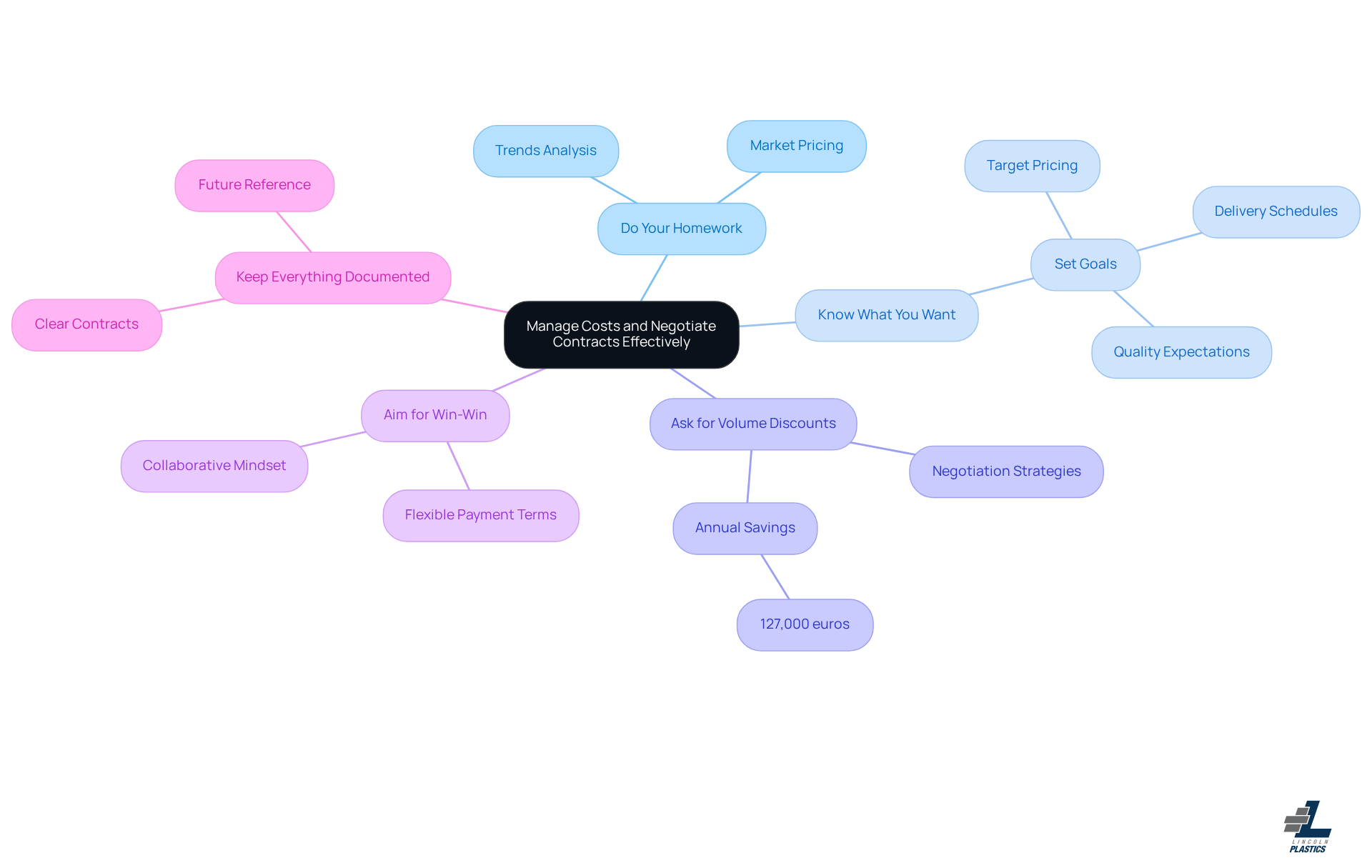
- Do Your Homework: Get a grip on market trends. This info can really boost your negotiation game, especially with the big contracts coming in 2026.
- Know What You Want: Before diving into talks, lay out your goals. Think about target pricing, delivery timelines, and quality expectations. Having this clarity will steer your discussions in the right direction.
- Ask for Discounts: If it fits, don’t hesitate to negotiate based on how much you plan to order. Suppliers often play ball with better pricing for larger commitments. Just think - annual savings from bulk orders could hit around 127,000 euros!
- Aim for Win-Win: Approach negotiations with a collaborative mindset. Look for ways both sides can gain, like cost-sharing or sharing risks in product development.
- Keep Everything Documented: Make sure all agreements are clearly laid out in contracts. This not only protects both parties but also gives you a handy reference for future chats.
By putting these strategies into action, procurement pros can really boost their bargaining outcomes and keep costs in check. For instance, a mechanical engineering firm snagged an 18% volume discount by bundling orders - proof that these tactics can work wonders! Plus, isolating costs from negotiated ones, as Israel Rodrigo points out, can help clarify your budget even further.
Leverage Technology for Procurement Efficiency
Let’s face it: procurement can be a bit of a headache sometimes, right? But guess what? Incorporating technology into your procurement strategy can really boost efficiency and effectiveness. Here are some key technologies you might want to consider:
- E-Procurement Systems: Think about implementing e-procurement systems. They can automate your purchasing processes, cut down on manual errors, and make order tracking a breeze.
- Data Analytics: Have you ever wondered how to get a better grip on your data or market trends? Data analytics can provide insights that help you make smarter strategic decisions.
- Vendor Relationship Management (SRM) Software: SRM tools are fantastic for managing supplier relationships. They help you streamline processes and facilitate communication, which can really strengthen those partnerships.
- Blockchain Technology: Now, let’s talk about blockchain. It can enhance transparency and traceability in your supply chain, boosting trust and accountability among suppliers.
- Artificial Intelligence: And don’t forget about AI! Leveraging it for predictive analytics and demand forecasting can lead to more accurate planning and inventory management.
By embracing these technologies, you can streamline your processes, cut costs, and really improve your overall procurement efficiency. So, why not take the plunge and explore these options?

Conclusion
Mastering OEM procurement can feel like a daunting task, right? It’s all about understanding the unique needs and challenges that original equipment manufacturers face. By honing in on quality assurance, customization, timeliness, and cost management, organizations can craft strategies that not only meet but actually exceed OEM expectations. This leads to successful procurement outcomes that everyone can celebrate.
Throughout this article, we’ve shared some key insights on evaluating and selecting reliable suppliers, managing costs effectively, and leveraging technology to boost procurement efficiency. Think about it: from assessing supplier capabilities and certifications to using negotiation tactics that create win-win situations, these best practices are your roadmap to building strong vendor relationships. Plus, incorporating advanced technologies like e-procurement systems and AI can really streamline processes and provide valuable data insights, making your operations run smoother than ever.
Now, let’s not underestimate the significance of these strategies. In a market that’s always changing, being able to adapt and respond to OEM needs is crucial for keeping that competitive edge. By putting the practices we’ve discussed into action, procurement experts can enhance their immediate outcomes and contribute to the long-term success and sustainability of their organizations. Embracing these methodologies will pave the way for more effective procurement processes, leading to stronger partnerships and increased profitability in the dynamic world of OEM procurement. So, what are you waiting for? Let’s get started!
Frequently Asked Questions
What are the primary challenges OEMs face in procurement?
OEMs face challenges in quality assurance, customization, timeliness, and cost management. They require high-quality components, tailored solutions, quick turnaround times, and effective cost control.
Why is quality assurance important for OEMs?
Quality assurance is crucial for OEMs because they need components that meet strict specifications. Poor quality can lead to losing customers to competitors, making reliability and consistency essential.
How does Lincoln Plastics ensure quality in their products?
Lincoln Plastics ensures quality by using check gauges to verify component fit and maintaining a solid assurance system that includes dedicated record books for each plastic profile, with drawings, critical in-process checks, and run documentation.
What role does customization play in OEM procurement?
Customization is important as OEMs often require tailored solutions for specific applications. They need suppliers who can adapt to unique design and material requirements.
How does Lincoln Plastics address the need for customization?
Lincoln Plastics offers flexible solutions, such as sourcing colors that match Pantone specifications, ensuring consistency across manufacturers.
Why is timeliness critical for OEMs?
Timeliness is crucial because quick turnaround times help keep production schedules on track. Delays can lead to higher operational costs and supply chain disruptions.
What impact do late deliveries have on customer retention?
Research indicates that 65% of customers stop shopping with a retailer after just two or three late deliveries, highlighting the importance of punctuality in supplier performance.
How does Lincoln Plastics ensure timely deliveries?
Lincoln Plastics prioritizes meeting deadlines to ensure their clients can rely on them for timely deliveries.
What is the significance of cost management in OEM procurement?
Cost management is essential as OEMs are pressured to keep expenses in check while maintaining high standards. Balancing these factors is key for successful procurement.
How can improving standards affect costs for OEMs?
Improving standards can lead to less rework and waste, ultimately cutting costs and boosting operational efficiency.
What is the projected growth for logisticians in supply chain management?
The demand for logisticians is expected to grow by 19% from 2023 to 2033, indicating a rising need for skilled professionals in supply chain management.
How can purchasing experts improve vendor relationships with OEMs?
By tackling challenges such as quality assurance, customization, timeliness, and cost management, purchasing experts can develop strategies that align with OEM expectations, strengthening vendor relationships and enhancing operational efficiency.
List of Sources
- Understand OEM Procurement Needs and Challenges
- mastercontrol.com (https://mastercontrol.com/au/gxp-lifeline/quality-inspiration-5-quality-quotes-for-industry-professionals-to-consider)
- aqiservice.com (https://aqiservice.com/quality-quotes-from-visionary-leaders-business)
- Supply Chain Statistics — 70 Key Figures of 2026 (https://procurementtactics.com/supply-chain-statistics)
- autonews.gasgoo.com (https://autonews.gasgoo.com/articles/news/oemsupplier-relations-fundamentally-different-now-2007827167142744065)
- acmeind.com (https://acmeind.com/case-studies)
- Evaluate and Select Reliable Suppliers
- artofprocurement.com (https://artofprocurement.com/blog/learn-supplier-performance-management-metrics)
- 889globalsolutions.com (https://889globalsolutions.com/blog/how-to-evaluate-suppliers-for-industrial-component-manufacturing)
- nexdigm.com (https://nexdigm.com/market-research/insights/blog/oem-supplier-evaluation-and-research-services)
- reverscore.com (https://reverscore.com/85-quotes-operational-excellence-and-continuous-improvement)
- inkonit.com (https://inkonit.com/blog/10-inspiring-quotes-every-procurement-professional-needs-to-read)
- Manage Costs and Negotiate Contracts Effectively
- eoxs.com (https://eoxs.com/new_blog/leveraging-volume-discounts-and-long-term-contracts)
- en.tacto.ai (https://en.tacto.ai/buyer-lexicon/quantity-discount-in-procurement)
- 5 negotiation tactics manufacturers need to win in 2026 (https://fastmarkets.com/insights/5-negotiation-tactics-manufacturers-need-to-win-in-2026)
- vendavo.com (https://vendavo.com/all/importance-of-volume-related-discounts)
- precoro.com (https://precoro.com/blog/procurement-cost-reduction)
- Leverage Technology for Procurement Efficiency
- grovesandcompany.com (https://grovesandcompany.com/digital-procurement-case-studies)
- mckinsey.com (https://mckinsey.com/capabilities/operations/our-insights/the-era-of-advanced-analytics-in-procurement-has-begun)
- inkonit.com (https://inkonit.com/blog/10-inspiring-quotes-every-procurement-professional-needs-to-read)
- grovesandcompany.com (https://grovesandcompany.com/leveraging-data-analytics-procurement-decision-making)
Related posts

Discover the key benefits of ISO certified plastic extrusion services for reliability and efficiency.


Discover the diverse applications of plastic tubing PVC across industries, enhancing efficiency and safety.
Master the installation and benefits of strain relief clamps for range cords to enhance safety and reliability.
