
Master the Plastic Grade Chart for Optimal Material Selection
Introduction
Choosing the right plastic for your project can feel overwhelming, right? With so many options out there, it’s easy to get lost in the details. Each type of polymer has its own unique properties, and understanding these can really make a difference in how your project performs, its sustainability, and even its cost.
So, how do you make sure you’re picking the best one? This guide is here to help! We’ll break down the plastic grade chart and give you a straightforward way to navigate the selection process. By the end, you’ll be empowered to make choices that truly align with your project goals.
Understand the Plastic Grade Chart
Choosing the right polymer can feel a bit overwhelming, right? With so many options out there, it’s crucial to understand the unique properties of each material, like strength, flexibility, and thermal resistance. Let’s break down some key grades you should consider:
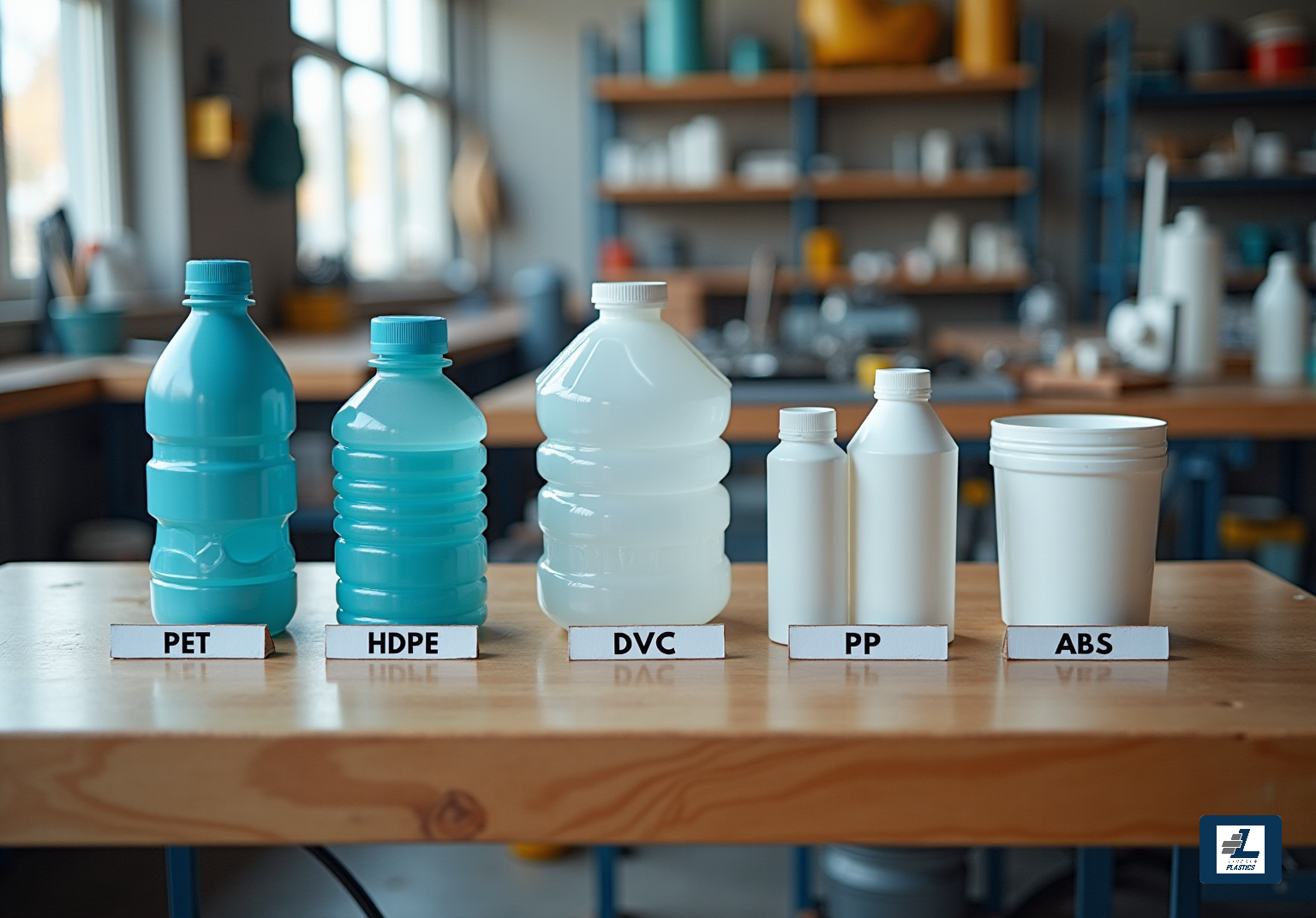
- Polyethylene Terephthalate (PET): You’ve probably seen this one in bottles and containers. PET is a favorite because it’s strong and super recyclable, making it a go-to for sustainable packaging solutions.
- High-Density Polyethylene (HDPE): Known for its impressive strength and impact resistance, HDPE is often used in containers and piping. It’s a solid choice for a variety of applications.
- Polyvinyl Chloride (PVC): This versatile plastic pops up in construction, plumbing, and electrical work. It’s adaptable and cost-effective, which is why it’s so popular.
- Low-Density Polyethylene (LDPE): If you need something flexible, LDPE is your friend. It’s commonly used in bags and films, perfect for industries that need lightweight and adaptable materials.
- Polypropylene (PP): This one’s known for its chemical resistance. You’ll find PP in automotive parts and packaging, providing durability even in tough conditions.
- Polystyrene (PS): A rigid material, PS is often used for disposable cutlery and containers. It’s all about convenience in food service and packaging.
- Acrylonitrile Butadiene Styrene (ABS): ABS is recognized for its durability and impact resistance, making it a popular choice for consumer products and automotive components.
Understanding the plastic grades and their applications is essential for selections that align with your project needs and market trends. Looking ahead to 2026, the market share of these materials is shifting, with PET and HDPE leading the pack thanks to their recyclability. Recent research is shining a light on sustainability, so picking the right grade is more important than ever for optimizing performance and sustainability in manufacturing.
So, what do you think? Are you ready to dive into the world of polymers and make choices that align with your goals?

Identify Project Requirements
Choosing the right plastic material starts with understanding what you need for your project.
- What’s the Purpose? First off, think about what you’ll be using the plastic for. Are there specific factors like temperature, chemical exposure, or environmental conditions that could impact how it performs?
- Performance Matters Next, let’s talk about the performance criteria. What are the requirements for your project? You’ll want to consider things like tensile strength, impact resistance, and durability. For instance, if you’re in the automotive field, materials like ABS are often favored for their impressive toughness and mechanical strength.
- Stay Compliant Now, don’t forget about regulations. It’s crucial that the material you choose meets industry standards and regulations, especially if it’s related to safety or environmental impact. Following these guidelines not only keeps you within legal limits but also supports sustainability efforts. As Lincoln Plastics points out, 'Loose cords are more than untidy - they pose a safety risk.' This highlights how important it is to select components that meet safety regulations. Plus, Lincoln Plastics is reputable, which means their products meet high-quality standards across various applications.
- Budgeting Wisely Let’s not overlook cost constraints. Setting a budget for your materials is key. While premium plastics might offer better performance, they can also be pricier. Finding that sweet spot between cost and performance is essential for your project’s success.
- Lastly, think about the aesthetics. What visual elements matter for your final product? Consider aspects like color, finish, and overall look. Lincoln Plastics can help you get colors that match your Pantone specifications, which is especially important in consumer markets where appearance can influence buying decisions.
By laying out these requirements, you can make the material selection process smoother. This way, the polymer you choose not only meets performance expectations but also aligns with your goals. Successful examples, like Lincoln Plastics’ custom solutions, show how tailored solutions can effectively meet specific needs, steering clear of the compromises that often come with off-the-shelf products.

Compare Plastic Grades Using the Chart
Once you’ve figured out what your project needs, it’s time to explore the chart to see how different materials compare.
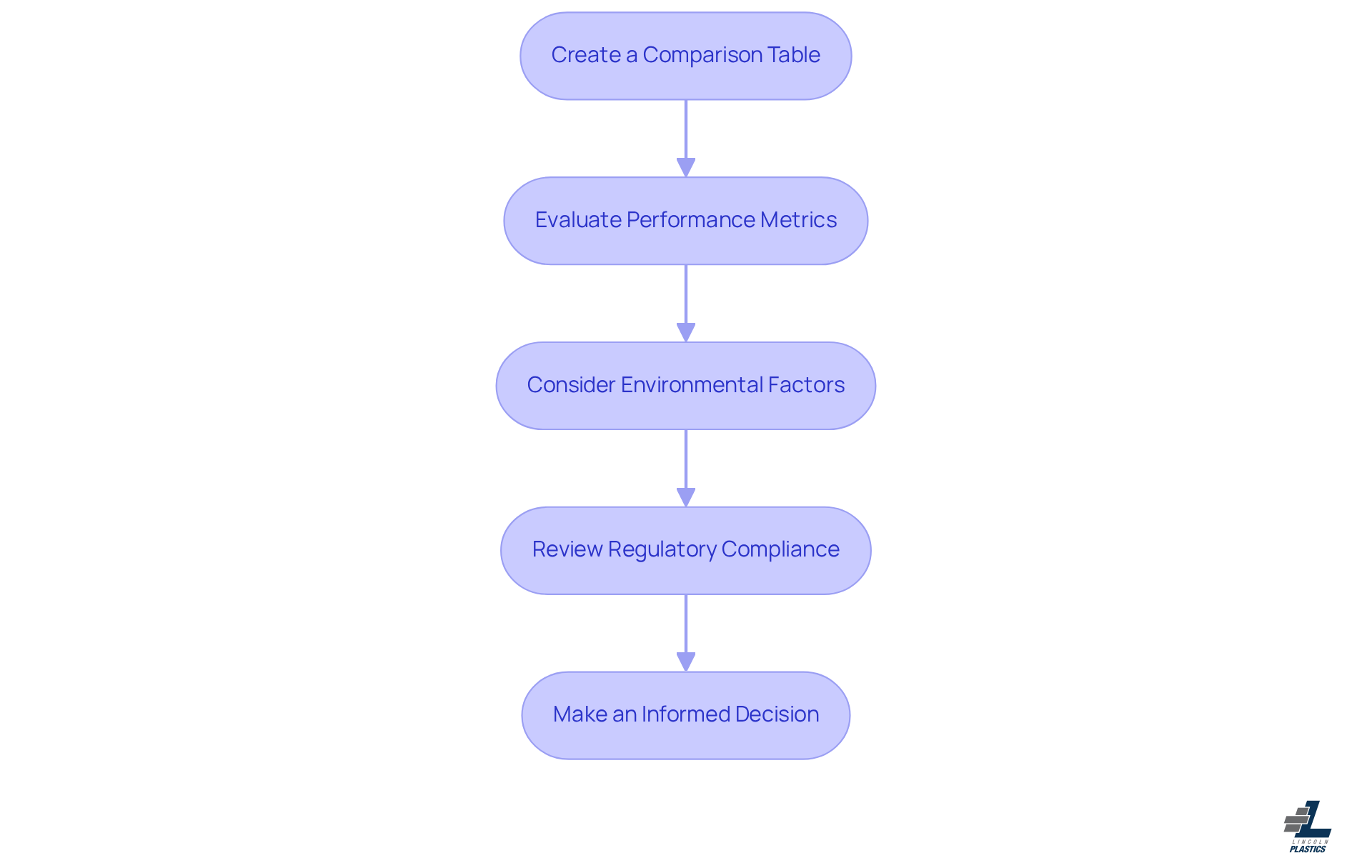
- Create a Comparison Table: Start by listing the plastic grades. Don’t forget to include their properties. This will give you a clear picture right off the bat.
- Analyze Performance: Now, take a good look at how each grade measures up to your performance criteria. For example, if your project needs something that can take a hit, you might want to lean towards materials like ABS or polycarbonate.
- Consider Environmental Factors: Think about the conditions. Are they going to be exposed to UV light or extreme temperatures? It’s worth checking out!
- Check Compliance: Make sure the materials you’re considering meet any necessary regulations for your application. You don’t want any surprises down the line.
- Summarize Findings: After all that comparing, finalize your choices.
This organized approach will help you evaluate and choose the best materials. So, what are you waiting for? Let’s get started!
Consult with Suppliers for Expert Insights
Collaborating with suppliers is super important for improving how you choose your resources. Let’s dive into some insights that can help you out:
- Ask About Plastic Grades: Have you ever wondered about the specific traits of the plastic grades as outlined in the chart? Don’t hesitate to ask about their strengths and weaknesses. Understanding these properties is crucial to ensure the material fits your project’s needs as indicated by the specifications.
- Request Samples: It’s always a good idea to get your hands on some samples. This way, you can check out their physical properties and see if they’re right for your application. Trust me, this can really sway your decision-making.
- Discuss Customization: Have you thought about customization? Many suppliers are now offering cool options tailored just for you. This can lead to solutions that really boost functionality.
- Inquire About Timelines: Clarity on production timelines is key! Make sure to ask about how long it’ll take to get the resources you’re considering. Knowing this helps you plan better and ensures everything runs smoothly.
- Seek Suggestions: Don’t forget to tap into your network! They can offer valuable advice on the best resources for your needs based on their experience with similar projects. This insight can help you dodge common pitfalls and optimize your selection.
By working closely with your vendors, you can gain insights that empower you to make informed choices about your materials. This not only boosts your performance but also sets you up for success!
Finalize Material Selection
So, you’ve done your homework, and now it’s time to nail down your material selection. Let’s break it down step by step:
- Review: Take a good look at your comparison table, requirements, and specifications. It’s super important to consider how each material stacks up against your specifications.
- Testing: Now, let’s talk about testing. You’ll want to conduct tests on the materials you’re leaning towards. This is crucial because testing reveals how these substances perform under different conditions, ensuring they meet your needs and the project goals.
- Compliance: Next up, make sure the materials you’ve chosen comply with all the necessary regulations. Compliance is key for safety and functionality in manufacturing, and Lincoln Plastics really emphasizes this point.
- Place Orders: Feeling good about your selection? Great! It’s time to place those orders with your chosen supplier. Don’t forget to check lead times and delivery schedules to keep everything on track. Lincoln Plastics is known for timely deliveries, which can really help you stick to your timelines.
- Document Your Process: Lastly, keep a detailed log of how you made your selections. Documenting your criteria and reasoning not only serves as a handy reference for future projects but also showcases Lincoln Plastics’ commitment to quality for all products.
By following these steps, you’ll be well on your way to finalizing your material selection. You’ll have the right plastic for your project, all backed by Lincoln Plastics’ expertise in quality assurance and customization, including sourcing colors that match your Pantone specifications. Ready to get started?

Conclusion
Choosing the right plastic material? It’s a big deal! The materials you select can really shape your project’s success. By getting to know the plastic grade chart and the unique traits of different polymers, you can make choices that hit the mark on both performance and sustainability. This know-how gives you the confidence to tackle the tricky parts of material selection.
Throughout this article, we’ve spotlighted key grades like PET, HDPE, and ABS. Each one has its own perks, depending on what you need. Think about your project’s purpose, performance needs, regulations, budget, and even how it looks - these factors are crucial when making your decision. And don’t forget, chatting with suppliers can provide valuable insights and customization options that make your selection process even smoother.
So, why is understanding the plastic grade chart so important? As the market keeps changing, staying updated on new material properties and trends is key to optimizing your manufacturing practices. By using the strategies we’ve discussed, you can make smart, informed choices that not only meet your project goals but also support broader sustainability efforts. So, why not take this chance to refine your material selection process? It could lead to great success in your upcoming projects!
Frequently Asked Questions
What is the purpose of understanding the plastic grade chart?
Understanding the plastic grade chart helps in choosing the right polymer by highlighting the unique properties of each material, such as strength, flexibility, and thermal resistance, which are crucial for various applications.
What are some common types of plastic and their uses?
- Polyethylene Terephthalate (PET): Strong and recyclable, commonly used in bottles and containers.
- High-Density Polyethylene (HDPE): Known for strength and impact resistance, used in containers and piping.
- Polyvinyl Chloride (PVC): Versatile and cost-effective, used in construction and plumbing.
- Low-Density Polyethylene (LDPE): Flexible, often used in bags and films.
- Polypropylene (PP): Known for chemical resistance, found in automotive parts and packaging.
- Polystyrene (PS): Rigid material used for disposable cutlery and containers.
- Acrylonitrile Butadiene Styrene (ABS): Durable and impact-resistant, popular in consumer products and automotive components.
What factors should be considered when identifying project requirements for plastic materials?
Factors to consider include the purpose of the plastic, performance criteria (such as tensile strength and impact resistance), regulatory compliance, budget constraints, and aesthetic appeal.
Why is it important to consider the purpose of the plastic in a project?
Understanding the purpose helps identify specific factors like load-bearing capacity, chemical exposure, and environmental conditions that could affect the plastic's performance.
How do performance criteria influence the selection of plastic materials?
Performance criteria, such as tensile strength, flexibility, and impact resistance, determine which materials are suitable for specific applications, ensuring that the chosen plastic meets the project's mechanical requirements.
What role does regulatory compliance play in material selection?
Regulatory compliance ensures that the chosen material meets industry standards and regulations, particularly for food safety or environmental impact, supporting sustainability efforts and avoiding legal issues.
How should budget constraints affect the choice of plastic materials?
Budget constraints are important because while premium plastics may offer better performance, they can also be more expensive. Finding a balance between cost and performance is essential for project success.
Why is aesthetic appeal important in selecting plastic materials?
Aesthetic appeal matters for the final product's visual elements, such as color and finish, which can influence consumer buying decisions, especially in markets where appearance is crucial.
What is the significance of custom solutions in plastic material selection?
Custom solutions, like those provided by Lincoln Plastics, can effectively meet specific project needs without the compromises often associated with off-the-shelf products, ensuring better alignment with performance expectations and project goals.
List of Sources
- Understand the Plastic Grade Chart
- waste4change.com (https://waste4change.com/blog/7-types-plastic-need-know)
- plasticsoupfoundation.org (https://plasticsoupfoundation.org/en/plastic-facts-and-figures)
- plasticcollective.co (https://plasticcollective.co/plastic-pollution-facts-data-and-statistics-plastic-collective)
- Identify Project Requirements
- jlccnc.com (https://jlccnc.com/blog/plastic-material-properties-and-applications)
- grandviewresearch.com (https://grandviewresearch.com/industry-analysis/global-plastics-market)
- Plastic Products Market Forecast Shows Significant Expansion (https://plasticsindustry.org/articles/plastic-product-market-forecast-shows-significant-expansion)
- lincoln-plastics.com (https://lincoln-plastics.com/news-post/evaluate-plastic-transparent-vs-alternatives-for-oem-needs?dcc2137a_page=54)
- Compare Plastic Grades Using the Chart
- scribd.com (https://scribd.com/document/52974937/Plastic-Materials-Comparison-Table)
- auburnplastics.com (https://auburnplastics.com/insights/case-study-the-importance-of-material-selection)
- polymerexpert.biz (https://polymerexpert.biz/blog/141-material-selection-case-studies)
- Consult with Suppliers for Expert Insights
- auburnplastics.com (https://auburnplastics.com/insights/case-study-the-importance-of-material-selection)
- plasticstoday.com (https://plasticstoday.com/materials/four-crucial-questions-to-ask-your-materials-supplier-to-mitigate-supply-chain-uncertainty)
- plasticsindustry.org (https://plasticsindustry.org/newsroom/2025-size-and-impact-report-u-s-plastics-industry-remains-robust-impactful-and-vital)
- automationplastics.com (https://automationplastics.com/news/custom-injection-molding-ohio-innovations)
- beaverstateplastics.com (https://beaverstateplastics.com/a-case-study-new-product-line-driving-30-revenue-increase)
- Finalize Material Selection
- 4spepublications.onlinelibrary.wiley.com (https://4spepublications.onlinelibrary.wiley.com/doi/10.1002/pls2.10098)
- 62 Software testing quotes to inspire you (https://globalapptesting.com/blog/software-testing-quotes)
- swfindustrial.com (https://swfindustrial.com/news/best-practices-materials-selection-purchasing)
- aqiservice.com (https://aqiservice.com/quality-quotes-from-visionary-leaders-business)
- redsauce.net (https://redsauce.net/en/article?post=testing-quotes)
Related posts

Why Custom Pipe Extrusion Matters More Than Ever
Standard pipe sizes don’t always work. Learn how Lincoln Plastics delivers custom diameters, wall thicknesses, and finishes in right-sized runs.


Reducing Trip Hazards with Custom Cord Management
Loose cords are more than messy — they’re a safety hazard. Lincoln Plastics’ custom cord covers and Flexiduct solutions improve safety and efficiency.
The Power of Custom Plastic Profiles for OEMs
Off-the-shelf profiles force compromises. Learn how Lincoln Plastics designs custom extruded profiles for OEMs with exact specs and right-sized runs.
