
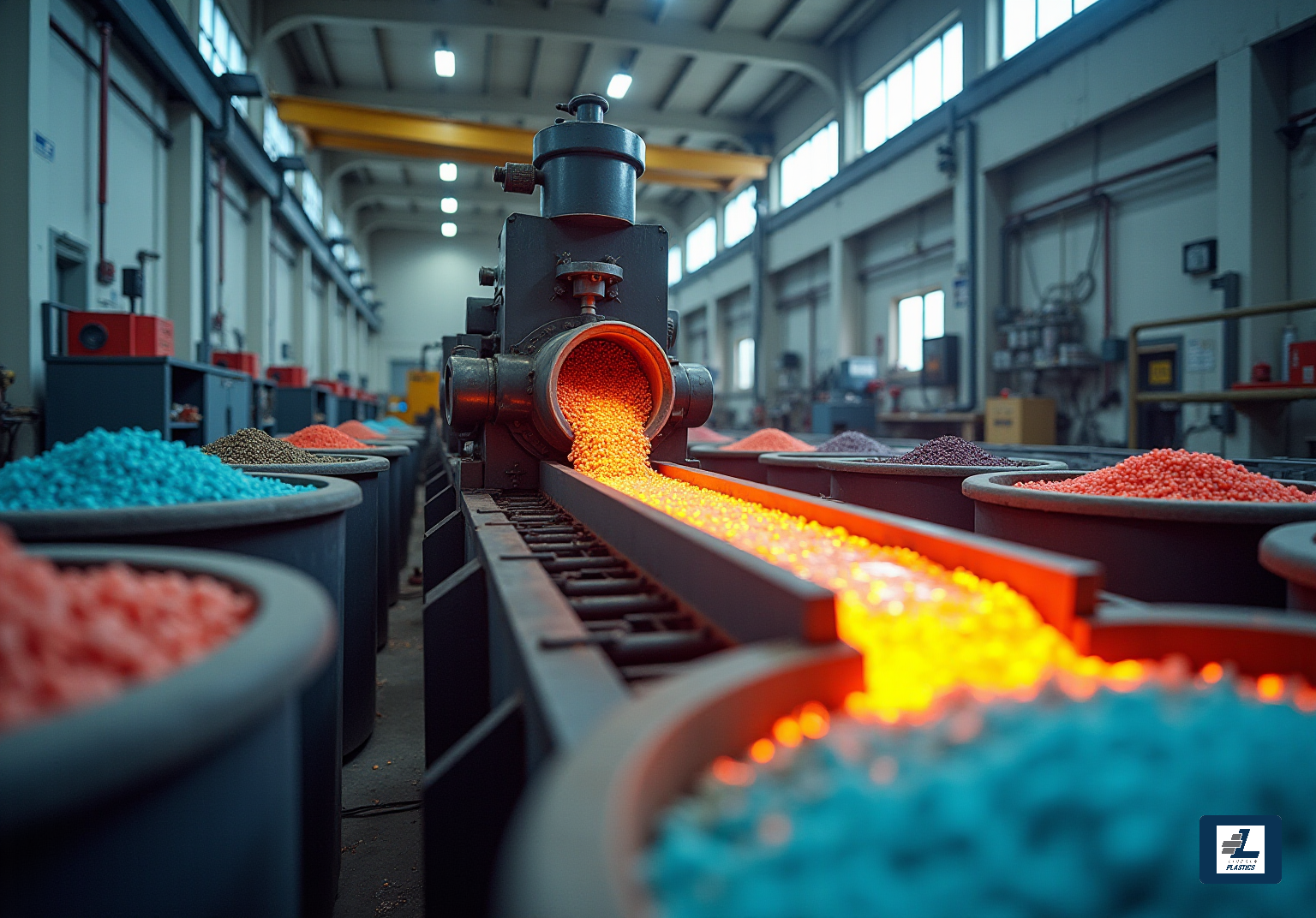
Master the Plastic Extrusion Molding Process for Optimal Results
Introduction
Plastic extrusion molding is a big deal in modern manufacturing. It’s behind a ton of essential products we use every day. When manufacturers get the hang of this process, they can really see some awesome benefits - think better product quality and smoother operations. But here’s the catch: as the industry keeps evolving, things like picking the right materials, controlling temperatures, and ensuring quality can get pretty tricky. So, how can manufacturers tackle these challenges and keep up in such a fast-paced world?
Understand the Plastic Extrusion Molding Process
Let’s explore the plastic extrusion molding process. The process is made up of several key stages that are crucial for crafting plastic products.
- First up, we have Preparation. Here, raw plastic materials, usually in pellet or granule form, are loaded into a hopper. This step ensures a steady feed for the whole process.
- Next, we move on to Melting. The plastic is heated in a barrel until it turns into a molten state. It’s super important to keep an eye on the temperature during this phase. If it gets too hot, the plastic degrades, leading to flaws in the final product. Nobody wants that!
- Now, let’s talk about the Shaping. This is where the magic happens! The molten plastic is pushed through a die, shaping it into a continuous profile that’s tailored for specific applications.
- After that, we have Cooling. Once shaped, the plastic needs to cool down to harden. This is often done using water baths or air cooling techniques to get the right consistency and strength.
- Finally, we reach Cutting. In this last stage, the extruded item is cut to the required length, and sometimes additional finishing processes are applied to boost its functionality and appearance.
Staying updated with the latest trends in plastic processing technology - like automation and sustainability - can really impact efficiency and product quality. Industry leaders emphasize the importance of understanding these stages to optimize production. Even small tweaks can lead to big improvements in output and quality. So, what do you think? Ready to explore more about how these processes can enhance your work?

Optimize Material Selection and Temperature Control
When it comes to picking materials and managing temperatures in plastic extrusion, there are a few things you might want to keep in mind:
- Substance Characteristics: Think about the materials you’re choosing. For instance, silicone is great if you need something flexible, while polycarbonate is your go-to for rigidity and durability. It’s all about finding the right fit for your application!
- Temperature Control: Now, let’s talk about temperature control. It’s super important to keep a close eye on the temperatures during the extrusion process. Using a temperature monitoring system can help you monitor and adjust things as needed. This way, you’re ensuring that everything is processed under the best conditions possible. Plus, the system helps reduce defects that can arise from temperature swings.
- Testing Protocol: Don’t forget about testing! Regular evaluations of your materials can really help you understand how they perform at different temperatures. By setting up a solid testing protocol, you can pinpoint the best materials and temperature combos for your specific needs. This not only improves performance but also makes your products more reliable.
So, what do you think? Are you ready to dive into these practices and see how they can enhance your production process?

Implement Rigorous Quality Control Measures
When it comes to achieving top-notch quality in the plastic extrusion molding process, having solid quality control measures in place is key.
- Imagine you're keeping an eye on critical factors like temperature, pressure, and material flow while the production is happening. This real-time tracking helps you catch any deviations from the ideal conditions right away, ensuring everything runs smoothly. For example, effective monitoring has been shown to keep the extrusion line in check, with case studies backing up the improved reliability of the output.
- Now, let’s talk about what happens when the items are finished. It’s crucial to test them thoroughly to check for dimensional accuracy, strength, and surface quality. Techniques like tensile testing and visual inspections are must-haves for making sure each product meets high standards. These really boost the performance and durability of the extruded components.
- Keeping detailed records of production runs and performance evaluations is another important step. This documentation isn’t just for show; it’s a valuable tool for refining processes and tackling recurring issues. By looking at historical data, manufacturers can come up with solutions and cut down on waste, which ultimately leads to better profits.
By integrating these quality control measures in the production process, you’re not just sticking to industry standards; you’re also enhancing efficiency and building a reputation for excellence. It’s a crucial focus for anyone in the competitive plastic production scene!

Leverage Customization for Enhanced Product Offerings
To really make the most of customization, let’s dive into some strategies that can help:
- Have you ever thought about how important it is to work closely with your clients? Engaging with them to understand their specific needs and challenges is key. This partnership opens the door to tailored solutions just for them, boosting relevance and customer satisfaction. For instance, Lincoln Plastics teams up with OEMs to ensure their products meet all requirements, including those special checks for ‘fit and function’. As industry leaders often say, collaboration can really make a difference in development and market success.
- Now, let’s talk about the importance of investing in adaptable manufacturing systems. Why? Because they allow you to handle a variety of materials, colors, and designs. This allows you to quickly adjust production runs based on client feedback, keeping you responsive to market demands and individual specifications. Did you know that the process control systems segment is expected to grow at a 5.2% CAGR through 2034? That just shows how crucial flexibility in manufacturing is becoming.
- Showcase: Lastly, don’t underestimate the power of showcasing your work. Highlighting successful projects in your marketing materials can really draw in new clients. When you demonstrate past successes, you not only show off your capabilities but also build trust. It reinforces the value of collaboration in product development, making it clear that you’re ready to meet their unique challenges.

Conclusion
Mastering the plastic extrusion molding process is key to getting the best results when producing high-quality plastic products. Think about it: when you understand the stages - from preparation and melting to cooling and finishing - you can really streamline your operations and boost product performance. Each phase matters, and paying attention to the details can make a huge difference in the final outcome.
Now, let’s talk about some critical insights we’ve shared throughout this article. Material selection, temperature control, and solid quality control measures are all vital. Choosing the right materials based on their characteristics, keeping a close eye on temperature, and doing thorough testing are practices that help minimize defects and maximize efficiency. Plus, collaborating with clients and being flexible in your manufacturing processes can lead to innovative solutions that meet specific customer needs.
The importance of mastering these techniques? It can’t be overstated! As the industry evolves and the demand for customized solutions grows, staying updated on the latest advancements and trends will help you stay competitive. By focusing on quality assurance and embracing customization, you can enhance your product offerings and build lasting relationships with clients. This approach can lead to greater success in the marketplace, and who wouldn’t want that?
Frequently Asked Questions
What is the plastic extrusion molding process?
The plastic extrusion molding process involves several key stages to craft high-quality plastic products, including preparation, melting, shaping, cooling, and cutting/finishing.
What happens during the preparation stage of plastic extrusion molding?
In the preparation stage, raw plastic materials, typically in pellet or granule form, are loaded into a hopper to ensure a steady feed for the entire process.
How is the plastic melted in the extrusion process?
The plastic is heated in a barrel until it becomes molten. It's crucial to monitor the temperature during this phase to prevent degradation of the resin, which can result in flaws in the final product.
What occurs during the shaping phase of the plastic extrusion molding process?
During the shaping phase, the molten plastic is pushed through a die, forming it into a continuous profile tailored for specific applications.
How is the extruded plastic cooled after shaping?
The shaped plastic is cooled to harden, often using water baths or air cooling techniques to achieve the desired consistency and strength.
What happens in the cutting and finishing stage?
In the cutting and finishing stage, the extruded item is cut to the required length, and additional finishing processes may be applied to enhance its functionality and appearance.
Why is it important to stay updated with trends in plastic processing technology?
Staying informed about advancements in polymer chemistry and high-performance materials can significantly impact production efficiency and product quality, helping to improve the shaping process and overall output.
List of Sources
- Understand the Plastic Extrusion Molding Process
- grandviewresearch.com (https://grandviewresearch.com/industry-analysis/global-plastics-market)
- ptonline.com (https://ptonline.com/articles/extrusion-excellence-this-years-top-stories)
- Optimize Material Selection and Temperature Control
- North America Plastic Extrusion Measurement and Control Technology Market, 2034 Report (https://gminsights.com/industry-analysis/north-america-plastic-extrusion-measurement-and-control-technology-market)
- auburnplastics.com (https://auburnplastics.com/insights/case-study-the-importance-of-material-selection)
- ptonline.com (https://ptonline.com/articles/extrusion-know-how-in-2025-build-your-extrusion-knowledge-base)
- researchandmarkets.com (https://researchandmarkets.com/reports/6214820/north-america-plastic-extrusion-measurement?srsltid=AfmBOopJl-M9gVzYpzXJvWUseaDH1HHd5Gy5GlxC3GWcez-ZcORxLiIZ)
- Implement Rigorous Quality Control Measures
- Quality Control and Testing Procedures - Plastic Extrusion Technologies (https://plasticextrusiontech.net/quality-control-and-testing-procedures-in-plastic-extrusions)
- Plastics Extrusion: 4 Critical Statistics to Track for Increased Quality & Plant Profit (https://gaugeadvisor.com/2025/05/26/plastics-extrusion-4-critical-statistics-to-track-for-increased-quality-plant-profit)
- Quality Control in Plastic Extrusion for Consistent Results | Rocal (https://rocalextrusions.co.uk/news/quality-control-in-plastic-extrusion-to-ensure-consistent-results)
- The Importance of Quality Control in Plastic Extrusion Manufacturing - Craftedplastics (https://craftedplastics.com/blog/the-importance-of-quality-control-in-plastic-extrusion-manufacturing)
- Leverage Customization for Enhanced Product Offerings
- qualaroo.com (https://qualaroo.com/blog/customer-experience-quotes)
- amcor.com (https://amcor.com/insights/blogs/collaboration-is-fuelling-a-plastic-packaging-revolution)
- North America Plastic Extrusion Measurement and Control Technology Market, 2034 Report (https://gminsights.com/industry-analysis/north-america-plastic-extrusion-measurement-and-control-technology-market)
- racami.com (https://racami.com/top-25-customer-experience-quotes-to-inspire-you-in-2021)
- 10 Innovative Extrusion Plastic Products for OEM Needs (https://lincoln-plastics.com/news-post/10-innovative-extrusion-plastic-products-for-oem-needs)
Related posts

Custom Colors & Branding in Extrusion
Lincoln Plastics delivers Pantone-matched colors, striping, and finishes in extrusion for OEMs — combining performance with branding.


How We Solve Problems When Standard Parts Don’t Work
Lincoln Plastics solves challenges OEMs face when standard parts don’t work — delivering custom extrusions that improve fit, cost, and reliability.
Cable & Cord Protection in High-Traffic Environments
Lincoln Plastics manufactures durable cord covers and management solutions to keep high-traffic environments safe, organized, and compliant.
