
Master the Extrusion Manufacturing Process: 5 Best Practices for OEMs
Introduction
The extrusion manufacturing process is super important for shaping all sorts of plastic products, from pipes to custom profiles. It’s really a cornerstone of modern manufacturing! When OEMs get the hang of this process, they can enjoy some serious perks, like better efficiency, lower costs, and higher product quality.
But let’s be real - there are some challenges that come with extrusion. Things like picking the right materials, designing the die, and keeping an eye on quality can really affect how successful you are. So, what can OEMs do to tackle these complexities and make their manufacturing processes shine?
Now, let’s talk about some best practices that can help navigate these hurdles and optimize your operations!
Understand the Extrusion Process and Its Importance
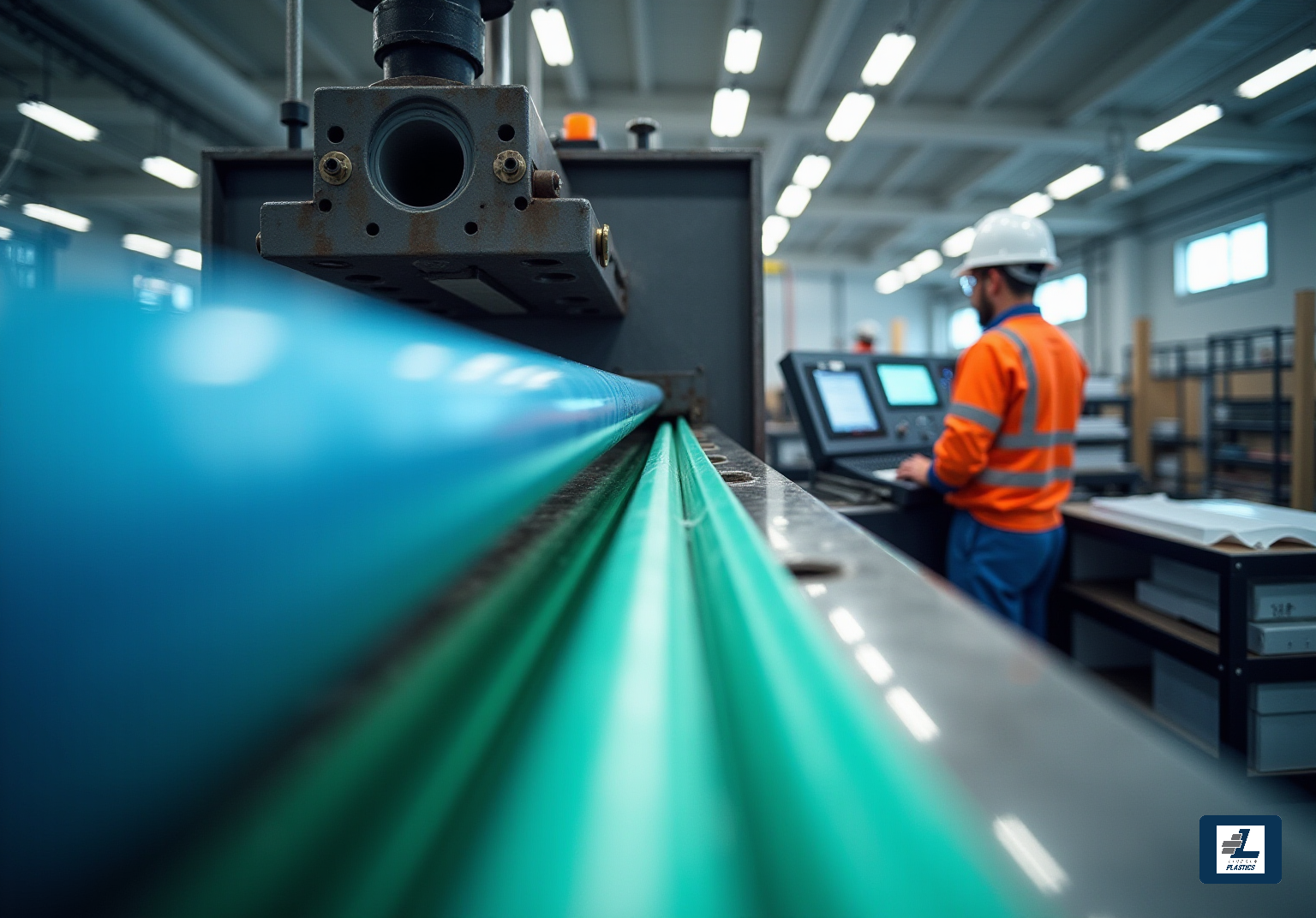
The extrusion process is a crucial method that involves pushing material through a die to create specific shapes. This is super important for making all sorts of plastic items, like pipes and sheets. At Lincoln Plastics, we’re all about crafting solutions tailored to your needs. We make sure our products meet top-notch standards of quality and customization.
Now, you might be wondering how this all works. A solid understanding of the extrusion process helps OEMs see how design choices impact both efficiency and performance. For example, the die design affects how the material flows and the final product's characteristics.
Let’s talk about some cool advancements in shaping technology. Tools like continuous loss-in-weight gravimetric blenders and real-time monitoring systems have really improved production. Did you know that a well-designed die can cut down on material waste and improve precision? Aiming for a Process Capability Index (Cpk) of 1.33 is ideal for manufacturing.
By mastering the extrusion process, OEMs can ensure their designs are not just doable but also optimized for manufacturing. This means lower costs and better product performance. With Lincoln Plastics as your partner, you can count on us for support and a commitment to excellence in every project.

Explore Different Types of Extrusion Processes
The extrusion process comes in three main flavors: direct, indirect, and co-extrusion. Let’s start with direct extrusion, which is the go-to technique for many. Here, a substance is pushed through a die, allowing for a variety of profiles to be created efficiently. It’s super flexible and can handle frequent die changes, making it ideal for construction and general industrial uses - think irrigation products and cable management solutions from Lincoln Plastics.
Now, you might be curious about indirect extrusion. This method uses a hollow ram to push the substance through the die, which means less friction and a better surface finish. Manufacturers are really starting to embrace this technique because it often results in lower scrap rates and more consistent mechanical properties. For instance, indirect extrusion can boost production capacity while keeping quality standards high, making it a great fit for those looking to optimize efficiency.
Then there’s co-extrusion, which is pretty cool because it lets you combine multiple materials in one go. This means you can pack different features - like structural strength and weather resistance - into a single profile without needing extra finishing steps like painting or laminating. Co-extrusion not only speeds up lead times but also simplifies production, making it a top choice for big projects that need consistency and durability.
Understanding the extrusion process and other shaping techniques helps OEMs make smart choices tailored to their specific needs, improving both performance and cost-effectiveness. As the industry keeps evolving, the decision between direct, indirect, and co-extrusion will hinge on the unique demands of each project. That’s why it’s so important to select the appropriate method to address modern manufacturing challenges. At Lincoln Plastics, we’re all about partnering with OEMs to deliver solutions that meet and exceed quality assurance standards.

Select Appropriate Materials for Optimal Results
Material selection is super important at Lincoln Plastics. You might be familiar with common options like polyethylene (PE), polyvinyl chloride (PVC), and acrylonitrile butadiene styrene (ABS). Each of these materials has its own unique traits that can really affect how the extrusion process goes and how well the final product performs.
For example, PE is lightweight and flexible, which makes it a great choice for things like packaging. On the flip side, PVC is all about durability, making it perfect for construction projects. At Lincoln Plastics, we work hand-in-hand with OEMs to make sure the materials we choose meet all specifications. This includes using various check gauges.
And hey, if you need specific colors, we can source them to match your Pantone specifications, ensuring consistency across manufacturers. By collaborating and leveraging our expertise, OEMs can pick the best options for their products. This not only boosts performance but also enhances product quality. So, let’s make sure you’re set up for success!

Implement Effective Quality Control Practices
in shaping processes is super important, right? It’s all about making sure we thoroughly test and keep an eye on both the raw materials and the final products. Think about it:
- Regular checks on quality
- Maintaining a close watch on the parameters like temperature and pressure
- Performing inspections are essential practices.
Now, let’s talk about collaboration. We work hand-in-hand with suppliers to ensure their products meet all the necessary standards. This includes:
- Special checks for defects
- Making sure the colors match Pantone specifications for consistency across different manufacturers.
It’s all about getting it right!
And here’s where it gets interesting: automation can really help minimize human error and improve efficiency. For instance, using sensors to keep tabs on production processes ensures we have the ideal processing conditions. This can significantly reduce defects and elevate product standards.
By focusing on these control measures, manufacturers can confidently meet those tough industry standards and even exceed customer expectations. It’s all about building trust and reliability in what they offer. But, let’s not forget - there are potential pitfalls when implementing automated systems. Proper training and maintenance are crucial to avoid any hiccups in the production process.
So, what do you think? Are you ready to take your quality control to the next level?
Foster Strong Supplier Relationships for Success
Building relationships is super important for OEMs looking to get results and ensure success. You know, communication is key here! Regular check-ins and open chats about what everyone expects really help build trust and collaboration.
Now, let’s talk about expectations. Having clear expectations allows both sides to align their goals, which boosts overall efficiency. For instance, when you share timelines and schedules, it helps suppliers manage their inventory and production better. By fostering collaboration, OEMs can create a more resilient supply chain, leading to better products and happier customers.
Did you know that companies with solid supplier relationships see a big drop in defects and improved operational performance? This really highlights how valuable collaboration is in this crucial area. So, why not start fostering those connections today?

Conclusion
Mastering the extrusion manufacturing process is key for OEMs looking to boost product quality and efficiency. By getting a grip on the ins and outs of extrusion - like the different types and material choices - manufacturers can really optimize their operations and cut costs. This foundational knowledge helps OEMs make smart decisions that lead to better product performance and happier customers.
Now, let’s talk about some key practices. Selecting the right materials, implementing solid quality control, and building strong relationships with suppliers are all crucial. Each of these elements plays a vital role in making sure the extrusion process not only meets but exceeds industry standards. Plus, understanding the benefits of direct, indirect, and co-extrusion methods, along with the importance of material characteristics, highlights the need for a tailored approach to manufacturing challenges.
In conclusion, embracing these best practices can really make a difference in the success of your extrusion projects. By focusing on quality, innovation, and collaboration, OEMs can create a resilient supply chain that not only meets customer expectations but also sets a standard for excellence in the industry. So, why not take those proactive steps to enhance your extrusion process? It’ll streamline operations and pave the way for lasting partnerships and top-notch products.
Frequently Asked Questions
What is the extrusion manufacturing process?
The extrusion manufacturing process involves pushing material through a die to create specific shapes, which is essential for producing various plastic items like pipes and custom profiles.
Why is understanding the extrusion process important for OEMs?
A solid understanding of the extrusion process helps OEMs recognize how design choices impact manufacturing efficiency and product quality, particularly regarding die design and material flow.
What advancements have improved the extrusion process?
Advancements such as continuous loss-in-weight gravimetric blenders and real-time monitoring systems have enhanced efficiency and consistency in the extrusion process.
What is the ideal Process Capability Index (Cpk) for minimizing issues in extrusion?
An ideal Process Capability Index (Cpk) of 1.33 is aimed for to minimize issues in the extrusion manufacturing process.
What are the main types of extrusion processes?
The main types of extrusion processes are direct extrusion, indirect extrusion, and co-extrusion.
How does direct extrusion work?
In direct extrusion, a substance is pushed through a die, allowing for the efficient creation of various profiles, making it suitable for construction resources and industrial uses.
What are the benefits of indirect extrusion?
Indirect extrusion uses a hollow ram to push the substance through the die, resulting in less friction, better surface finishes, lower scrap rates, and more consistent mechanical properties.
What is co-extrusion and its advantages?
Co-extrusion combines multiple materials in a single process, allowing for profiles with different features like structural strength and weather resistance, which speeds up lead times and simplifies production.
How can understanding extrusion processes help OEMs?
By understanding extrusion processes, OEMs can make informed choices tailored to their specific needs, improving performance and cost-effectiveness while addressing modern manufacturing challenges.
List of Sources
- Understand the Extrusion Process and Its Importance
- Plastics Extrusion: 4 Critical Statistics to Track for Increased Quality & Plant Profit (https://gaugeadvisor.com/2025/05/26/plastics-extrusion-4-critical-statistics-to-track-for-increased-quality-plant-profit)
- The Extrusion Industry in 2025: Innovations, Trends, and Opportunities (https://plextrusions.com/extrusion-blog/the-extrusion-industry-in-2025-innovations-trends-and-opportunities)
- How to Collect & Interpret Process Data in Extrusion (https://ptonline.com/articles/how-to-collect-interpret-process-data-in-extrusion-part-1(2))
- paulmurphyplastics.com (https://paulmurphyplastics.com/industry-news-blog/why-plastic-profile-extrusion-is-key-to-product-innovation)
- The Role of Plastic Extrusion in Modern Manufacturing | Rocal (https://rocalextrusions.co.uk/news/the-role-of-plastic-extrusion-in-modern-manufacturing)
- Explore Different Types of Extrusion Processes
- extruderpress.com (https://extruderpress.com/what-differences-between-direct-indirect-aluminum-extrusion-presses)
- howardprecision.com (https://howardprecision.com/advantages-and-disadvantages-of-direct-extrusion)
- Redefining Durability and Customization with Coextrusion Technology (https://windowanddoor.com/article/redefining-durability-and-customization-coextrusion-technology)
- howardprecision.com (https://howardprecision.com/what-are-the-differences-between-a-direct-and-indirect-aluminum-extrusion-press)
- How to Collect & Interpret Process Data in Extrusion (https://ptonline.com/articles/how-to-collect-interpret-process-data-in-extrusion-part-1(2))
- Select Appropriate Materials for Optimal Results
- 2026 Aluminum Extrusion Trends & Outlook | Profile Precision Extrusions (https://profileprecisionextrusions.com/2026-outlook-innovations-and-trends-shaping-the-future-of-aluminum-extrusions)
- A Guide to Material Selection for Extrusion | Inplex LLC (https://inplexllc.com/blog/a-guide-to-material-selection-for-extrusion)
- grandviewresearch.com (https://grandviewresearch.com/industry-analysis/extrusion-coating-market-report)
- beskamold.com (https://beskamold.com/pvc-vs-abs)
- Choosing the Right Plastic for Your Extrusion (https://paulmurphyplastics.com/industry-news-blog/choosing-the-right-plastic-for-your-extrusion)
- Implement Effective Quality Control Practices
- deliberatedirections.com (https://deliberatedirections.com/manufacturing-excellence-quotes-industry-leaders)
- 2026 Aluminum Extrusion Trends & Outlook | Profile Precision Extrusions (https://profileprecisionextrusions.com/2026-outlook-innovations-and-trends-shaping-the-future-of-aluminum-extrusions)
- Interplas Insights | Latest Plastics Extrusion Machinery News (https://interplasinsights.com/plastics-machinery/plastics-extrusion-machinery-news)
- The Importance of Quality Control in Plastic Extrusion Manufacturing - Craftedplastics (https://craftedplastics.com/blog/the-importance-of-quality-control-in-plastic-extrusion-manufacturing)
- Foster Strong Supplier Relationships for Success
- pairsoft.com (https://pairsoft.com/blog/3-powerful-benefits-of-strong-supplier-relationships)
- bfsmanufacturing.com (https://bfsmanufacturing.com/the-importance-of-supplier-relationships-in-manufacturing)
- Simple Ways to Build Stronger Supplier Partnerships (https://ascm.org/ascm-insights/simple-ways-to-build-stronger-supplier-partnerships)
- veridion.com (https://veridion.com/blog-posts/supplier-sourcing-statistics)
- icpas.org (https://icpas.org/information/copy-desk/insight/article/fall-2023/3-benefits-of-strong-supplier-relationships)
Related posts

Discover essential practices for selecting a reliable plastic extrusion supplier to meet your needs.


Discover the essential PVC properties that make this versatile material ideal for various applications.
Master the selection of extrusion heads with this comprehensive step-by-step guide for OEMs.
