
Master the Extruding Manufacturing Process: Best Practices for Success
Introduction
Extrusion manufacturing is such a cool mix of art and science! It’s where raw materials get transformed into all sorts of profiles that different industries rely on. But here’s the thing: understanding the ins and outs of this process doesn’t just boost production capabilities; it also leads to better product quality.
Now, you might be wondering, with so many techniques, equipment options, and quality control measures out there, how can manufacturers really maximize efficiency and output? This article is here to dive into the best practices for mastering the extrusion manufacturing process. We’ll share insights that can elevate your operations and help drive your success!
Understand the Basics of Extrusion Manufacturing
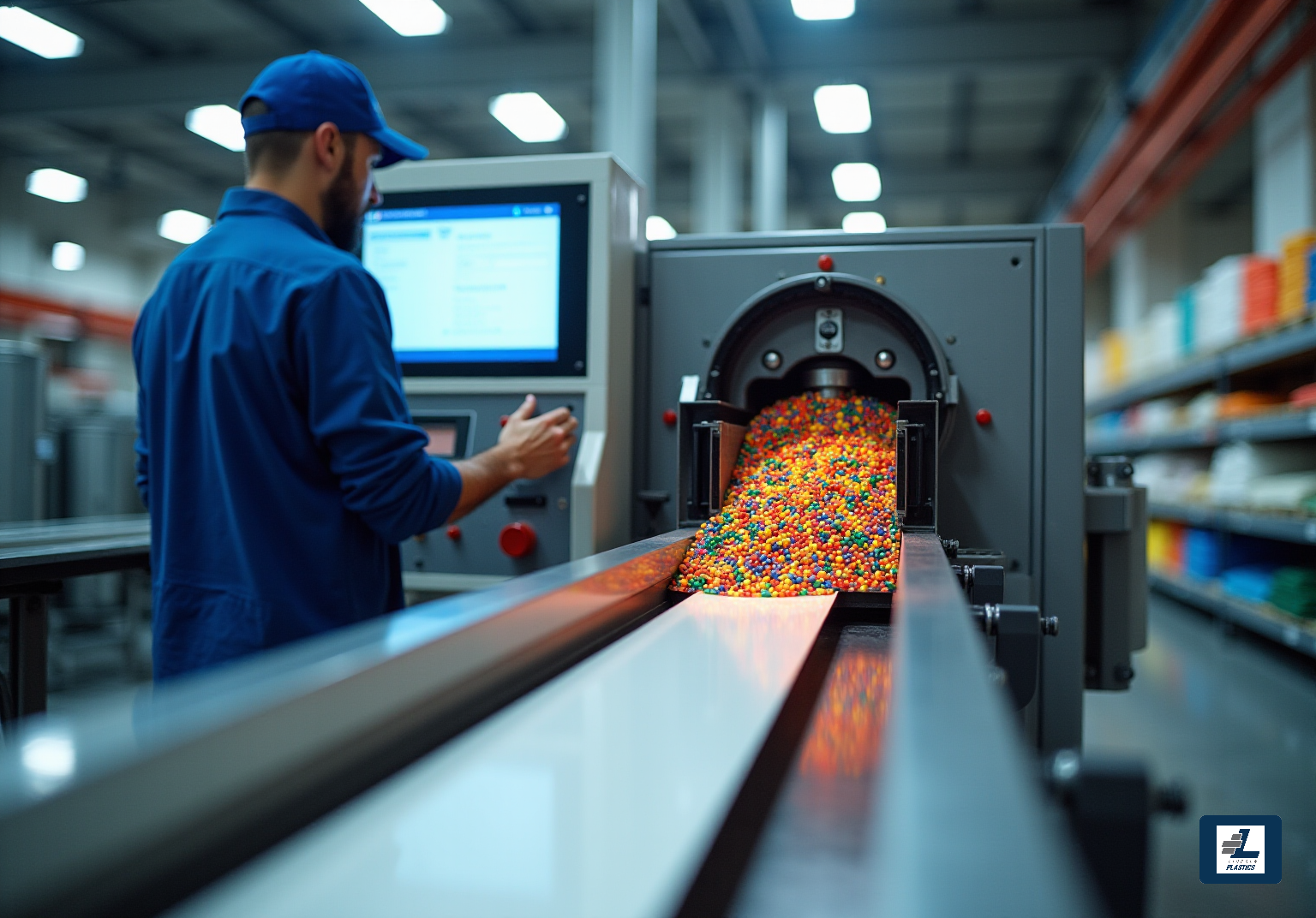
The extrusion process involves pushing materials through a die to create a continuous profile. It’s a technique that Lincoln Plastics has been nailing since 1948! So, how does it work? Well, it all starts with raw materials, typically in pellet form, used in the extrusion process. In the extruder, these pellets are heated and melted before being pushed through a die that shapes them into the desired cross-section.
Now, let’s discuss the different types of extrusion processes. There are several processes, including the single screw, direct, indirect, and co-extrusion, each tailored for specific applications and materials. Lincoln Plastics specializes in products created using the extrusion method, available in a rainbow of colors, various diameters, and lengths. Plus, they can even incorporate additives into your profile, which really amps up the versatility!
Temperature management in the extrusion process is crucial to avoid degrading the material and to ensure consistent quality. Lincoln Plastics is committed to maintaining this standard in all their manufacturing processes.
And what about the management of pressure in the extrusion process? Balancing pressure and product characteristics is key in the manufacturing process, and getting the pressure just right is essential for this. That’s how Lincoln Plastics delivers reliable products.
Cooling techniques also play a vital role in the extrusion process. They help solidify the extruded product and maintain its shape during the cooling phase, which is essential for optimizing order sizes and boosting production efficiency in manufacturing.
Understanding these basics is super important for improving production and ensuring top-notch results, especially when you're involved in the industry with a leader like Lincoln Plastics. So, are you ready to dive into the world of extrusion manufacturing?

Utilize Essential Auxiliary Equipment for Enhanced Efficiency
Auxiliary equipment is super important in the shaping process. It supports the main extruder and enhances production efficiency. Let’s break down some key types of equipment you might find helpful:
- Conveyors and loaders: Think of conveyors and loaders that move raw materials to the extruder. They cut down on manual labor and ramp up throughput.
- Temperature control systems: These handy systems keep temperatures just right during shaping, ensuring a smooth material flow and preventing any degradation.
- Cooling systems: Cooling tanks and chillers help solidify the extruded items quickly, keeping their shape intact and avoiding warping.
- Automated cutters: Automated cutters make sure you get precise lengths and minimize waste, which is a win for efficiency.
By bringing these auxiliary systems into the production process, manufacturers can really step up their game. This leads to improved product quality and shorter cycle times. So, why not consider integrating some of these systems into your operations?

Select and Prepare Materials for Optimal Extrusion Results
Choosing the right components for the extrusion process is crucial if you want to achieve the best results. Let’s dive into some key things to think about:
- Material Properties: First off, take a good look at the characteristics of the materials you’re considering. You’ve got options like thermoplastics, each with its own unique traits that fit different applications. At Lincoln Plastics, we’re here to help you pick the right materials based on what you need and any environmental factors you might have in mind.
- Compatibility: Next, make sure the materials you choose are a good fit for the forming process and what you plan to do with them. This means checking out things like thermal stability. Our team works closely with OEMs to ensure that everything meets the necessary standards, including any special tests for fit and function.
- Preparation: Don’t forget about prepping your materials! Dry them out to get rid of any moisture, which can cause issues during extrusion. Plus, make sure they’re free from impurities that could mess with the quality of your final product. We take quality control seriously, ensuring that your products hit all the critical dimensions you need.
By carefully selecting and organizing your materials, and using our inventory management system to keep stock levels just right and cut down on waste, you can really boost the performance and reliability of your products produced through the extrusion process. So, are you ready to take your extrusion game to the next level?

Implement Quality Control Measures to Ensure Product Excellence
Quality control is super important at Lincoln Plastics. It’s all about making sure our items meet the standards we set. Let’s dive into some key measures we have in place:
- Monitoring: We keep an eye on key parameters like temperature, pressure, and material flow during extrusion. This way, we can catch any deviations early on. Plus, we use various check gauges to ensure everything fits just right, especially for OEM products.
- Material Testing: Before we even start production, we thoroughly test our raw materials for purity and compatibility. This means checking moisture levels and physical characteristics to make sure they meet our specifications.
- Final Item Inspection: Once the items are finished, we conduct a thorough inspection. This includes detailed assessments. Our assurance system is pretty robust, featuring a dedicated manual for each plastic profile, complete with drawings and critical in-process checks. This helps enhance accuracy and cut down on human error.
- Feedback Loops: We’ve set up mechanisms to learn from any defects and continuously improve our processes. This involves implementing changes based on what we find, ensuring we consistently meet our quality goals.
By putting these practices into action, Lincoln Plastics ensures that the quality control system allows our extruded products to not only meet but exceed high standards, tailored specifically for the needs of OEMs. So, what do you think? How do you ensure quality in your processes?

Conclusion
Mastering the extruding manufacturing process is key to getting high-quality results and boosting production efficiency. Think about it: when you really understand the ins and outs of extrusion - like why raw material selection matters and how quality control plays a role - you can seriously up your game. Paying attention to every little detail can lead to better products and happier clients.
Now, let’s talk about some important points.
- Temperature and pressure management? Super critical.
- Don’t forget about integrating auxiliary equipment and carefully selecting and prepping your materials.
Each of these factors is vital for making sure your extrusion process is a success, helping you meet those tough quality standards while keeping efficiency high. Plus, being committed to quality control at every stage - from monitoring during production to final inspections - really highlights how important it is to maintain excellence throughout your manufacturing journey.
In today’s competitive landscape, embracing these best practices in extrusion manufacturing isn’t just a nice-to-have; it’s a must. By putting quality and efficiency first, you’re setting yourself up for success in 2025 and beyond. So, why not engage with experts and keep refining your processes? This approach will open doors to innovation and growth, ensuring your business stays ahead in the industry.
Frequently Asked Questions
What is the extrusion manufacturing process?
The extrusion manufacturing process involves pushing materials, typically in pellet form, through a die to create a continuous profile. The pellets are heated and melted before being shaped into the desired cross-section.
What types of extrusion processes are there?
There are several types of extrusion processes, including direct, indirect, and co-extrusion, each tailored for specific applications and materials.
What does Lincoln Plastics specialize in regarding extrusion manufacturing?
Lincoln Plastics specializes in custom flexible profiles created using the extrusion manufacturing process, offering a variety of colors, diameters, and lengths. They can also co-extrude another color into the profile for added versatility.
Why is temperature control important in the extrusion manufacturing process?
Temperature control is crucial to avoid degrading the material and to ensure consistent quality throughout the extrusion manufacturing process.
How is pressure managed in the extrusion manufacturing process?
Managing pressure is essential for achieving the desired flow rate and product characteristics, which is key to delivering reliable rigid plastic manufacturing solutions.
What role do cooling techniques play in the extrusion manufacturing process?
Effective cooling techniques help solidify the extruded product and maintain its shape, which is essential for optimizing order sizes and boosting production efficiency in custom plastic shaping.
List of Sources
- Understand the Basics of Extrusion Manufacturing
- Plastics Extrusion Market Research Report 2034 (https://dataintelo.com/report/plastics-extrusion-market)
- plasticsnews.com (https://plasticsnews.com/suppliers/machinery/pn-plasticsindustryassociation-machinery-stats-3q-2025)
- databridgemarketresearch.com (https://databridgemarketresearch.com/reports/global-extrusion-machinery-market?srsltid=AfmBOoro_TnGXYEKbKQBOnKxbK472-DUFWd_sgzSKUDlAd1V7-zwa0WM)
- Understanding the Extrusion Process in Manufacturing: Key Insights (https://lincoln-plastics.com/news-post/understanding-the-extrusion-process-in-manufacturing-key-insights)
- Utilize Essential Auxiliary Equipment for Enhanced Efficiency
- 2026 Aluminum Extrusion Trends & Outlook | Profile Precision Extrusions (https://profileprecisionextrusions.com/2026-outlook-innovations-and-trends-shaping-the-future-of-aluminum-extrusions)
- kangjumachine.com (https://kangjumachine.com/plastic-extrusion-industry-2026.html)
- Interplas Insights | Latest Plastics Extrusion Machinery News (https://interplasinsights.com/plastics-machinery/plastics-extrusion-machinery-news)
- polarismarketresearch.com (https://polarismarketresearch.com/industry-analysis/plastic-extrusion-machine-market)
- linkedin.com (https://linkedin.com/pulse/butyl-extruder-market-key-stats-trends-impact-jji5f)
- Select and Prepare Materials for Optimal Extrusion Results
- omegaplastics.com (https://omegaplastics.com/the-future-of-plastics-emerging-thermoplastic-materials-what-they-mean-for-custom-extrusion)
- kangjumachine.com (https://kangjumachine.com/plastic-extrusion-industry-2026.html)
- The Extrusion Industry in 2025: Innovations, Trends, and Opportunities (https://plextrusions.com/extrusion-blog/the-extrusion-industry-in-2025-innovations-trends-and-opportunities)
- 2026 Aluminum Extrusion Trends & Outlook | Profile Precision Extrusions (https://profileprecisionextrusions.com/2026-outlook-innovations-and-trends-shaping-the-future-of-aluminum-extrusions)
- winrichmachine.com (https://winrichmachine.com/news/raw-materials-for-extrusion-process-in-coating-and-lamination-machines)
- Implement Quality Control Measures to Ensure Product Excellence
- 5 Best Practices for the Manufacturing Process of Extrusion (https://lincoln-plastics.com/news-post/5-best-practices-for-the-manufacturing-process-of-extrusion)
- Plastics Extrusion: 4 Critical Statistics to Track for Increased Quality & Plant Profit (https://gaugeadvisor.com/2025/05/26/plastics-extrusion-4-critical-statistics-to-track-for-increased-quality-plant-profit)
- deliberatedirections.com (https://deliberatedirections.com/manufacturing-excellence-quotes-industry-leaders)
Related posts

Why Custom Pipe Extrusion Matters More Than Ever
Standard pipe sizes don’t always work. Learn how Lincoln Plastics delivers custom diameters, wall thicknesses, and finishes in right-sized runs.


Reducing Trip Hazards with Custom Cord Management
Loose cords are more than messy — they’re a safety hazard. Lincoln Plastics’ custom cord covers and Flexiduct solutions improve safety and efficiency.
The Power of Custom Plastic Profiles for OEMs
Off-the-shelf profiles force compromises. Learn how Lincoln Plastics designs custom extruded profiles for OEMs with exact specs and right-sized runs.
