
Master the Extruded Tube Process: Steps for Quality and Efficiency
Introduction
The world of extruded tubing is pretty fascinating, right? It’s this cool mix of engineering and material science, where heated plastics get transformed into all sorts of shapes that serve countless industries. With the demand for customized plastic profiles on the rise, it’s crucial for manufacturers to really get the hang of the extrusion process. It’s not just a nice-to-have; it’s essential for boosting quality and efficiency.
But here’s the kicker: with all the complexities involved - from picking the right materials to ensuring quality control - how can companies navigate this landscape? How do they ensure optimal performance while keeping waste to a minimum? You might be wondering about the steps involved in the extruded tube process. Well, this article dives into those essential steps, offering insights that can empower manufacturers like you to achieve excellence in your production lines. So, let’s get started!
Understand Extruded Tubing Basics
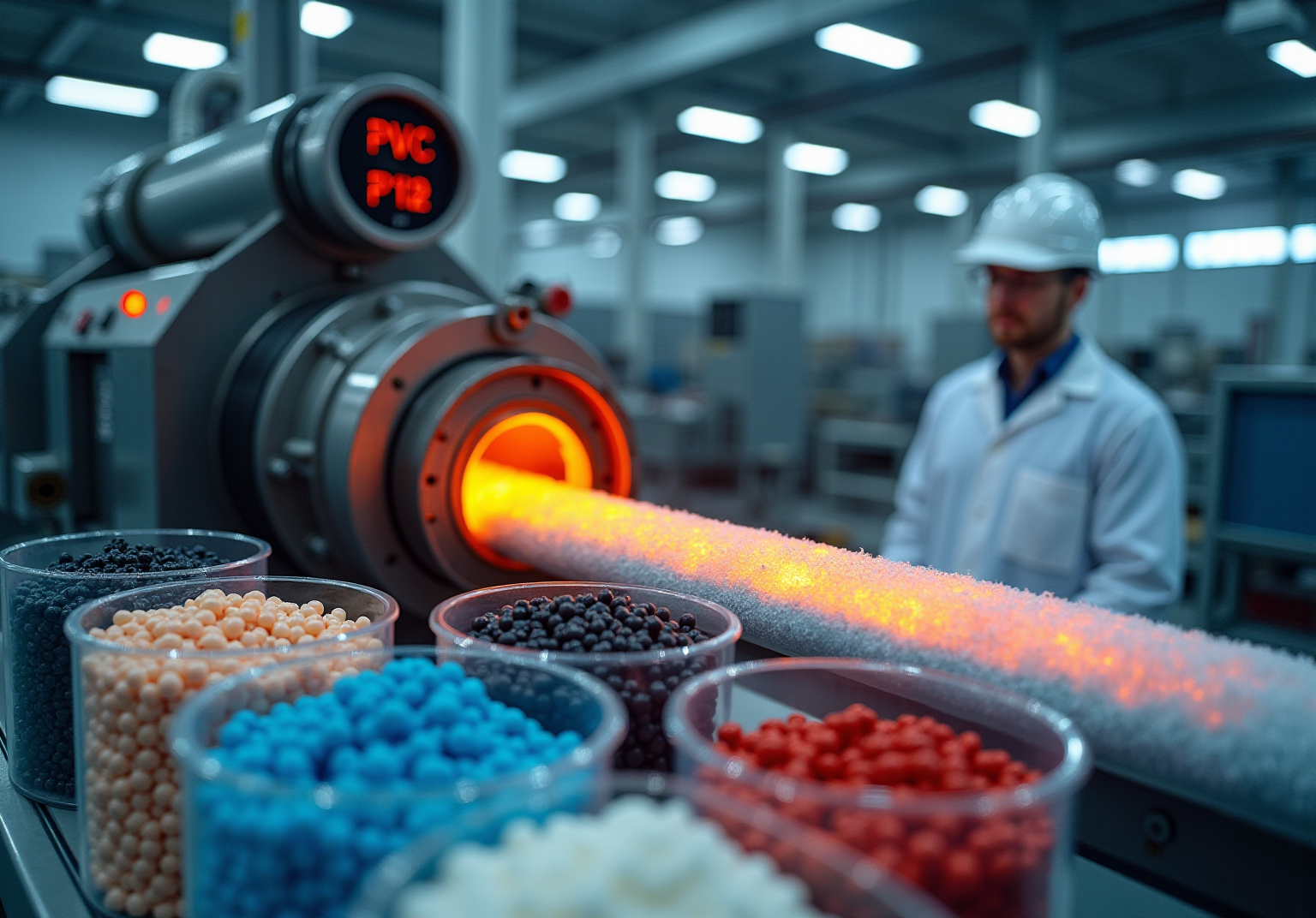
Extruded tubing is made by pushing heated plastic through a die, creating a continuous shape that fits various needs. It all starts with raw materials, usually in the form of pellets or granules, which are heated until they’re nice and pliable. Understanding the materials is key, as each one has unique traits that can impact how the final product performs. Here are some common materials:
- PVC: This material is tough and versatile, making it a go-to for everything from irrigation pipes to cable protection systems.
- Polyethylene: Known for its flexibility and resistance to impacts, this is a favorite for outdoor applications and many industrial uses.
- Polypropylene: With its lightweight and chemical-resistant properties, polypropylene is often chosen for parts that need to be strong and durable.
At Lincoln Plastics, we really focus on quality and customization in our shaping processes. Our team works closely with OEMs to make sure designs are optimized for manufacturing, and we’re here to offer expert advice on material selection tailored to specific applications and environments. Getting familiar with terms like die, shaping, and thermoplastic is crucial for managing the forming process effectively. This foundational knowledge will really boost your understanding of the ins and outs of the process for producing tubing.
Looking ahead, the global shaping market is expected to exceed $12 billion by 2025, showing just how much demand there is for tailored solutions in industrial applications. Companies are stepping up their investments in technology to enhance efficiency and cut down on waste. Modern production lines can achieve output rates of 800-1200 kg/hour for pipes in the 110mm-315mm diameter range. As the industry evolves, grasping the materials and techniques involved in shaping becomes essential for improving production and meeting specific operational needs.
As industry leader Andrew Reale puts it, "Understanding the materials used in shaping is vital for ensuring product performance and reliability." Plus, we offer services to help keep stock levels just right, and our typical production runs range from 10,000 to 20,000 feet annually, with the flexibility to handle larger orders when needed. By integrating case studies, like the recent project, we can show how companies like Lincoln Plastics are adapting to global demands for eco-friendly materials and practices. This knowledge will help you make informed decisions in your procurement processes.

Follow the Plastic Extrusion Process Steps
- Material Selection: Choosing the right resin is key to getting the best performance in shaping. You might find yourself considering options like PVC for its durability, polyethylene for flexibility, or polypropylene for its chemical resistance. Each of these materials has unique traits that cater to specific needs, so making an informed choice is super important. Did you know that around 30% of flaws in plastic shaping come from inconsistent material quality? That’s why thorough preparation is crucial. At Lincoln Plastics, we work closely with OEMs to ensure the materials we select meet all quality standards, including specific checks for ‘fit and function.’
- Resin Preparation: Now, let’s talk about preparing that resin. It’s vital to load it into the extruder's hopper while making sure it’s clean and properly dried. This step is essential because any moisture or contaminants can lead to issues during shaping. Our solid quality system includes dedicated plans that document critical in-process checks to ensure we hit the highest standards.
- Heating and Melting: As the resin travels through the heated barrel, it gets melted by the rotating screw. Keeping a close eye on the temperature is crucial to achieve optimal melting without causing any degradation. Ideally, you want to maintain a consistent temperature.
- In the extrusion phase, the resin is melted and then pushed through the die to shape it into the desired profile. Adjusting the speed and pressure during this phase is super important for consistent output. You’ll need a careful balance to minimize defects and meet the required specifications. At Lincoln Plastics, we ensure precision in every run through the extrusion process, offering various wall thicknesses and finishes to meet specific OEM needs.
- Cooling: After extrusion, the pipe needs to cool down to solidify its shape. Cooling methods can vary; you might use air or water cooling depending on the material and its intended use. A controlled cooling process, ideally at a rate of 5°C/sec, is necessary to prevent warping and ensure everything stays dimensionally accurate.
- Cutting and Finishing: Once cooled, the pipe is cut to length. We might also apply additional finishing processes, like trimming or surface treatments, to meet specific customer requirements. Our commitment to quality and customization extends to various options, including custom printing solutions that enhance product functionality and branding.

Explore Types and Applications of Extruded Tubing
When it comes to the extruded tubing process, there’s a variety of options available, each one designed for specific needs. Let’s break it down:
- Rigid PVC Tubing: This is your go-to for structural applications. Rigid PVC tubing is tough and durable, making it perfect for everything from industrial machinery to construction projects.
- Flexible Tubing: Need something that bends and moves? Flexible tubing is essential for cable management. Materials like polyethylene and polypropylene are popular choices because they’re resilient and flexible, keeping your cables safe from wear and tear.
- Composite Tubing: Ever heard of composite tubing? They combine different materials to boost performance, whether it’s barrier properties or flexibility. This is a game changer in medical and food packaging, where specific material traits really matter.
- Specialty Profiles: Sometimes, you need something custom-made. Specialty profiles are designed to fit the exact specs of OEM equipment, ensuring everything works smoothly. Think protective covers for cables in industrial settings or components for irrigation systems in agriculture.
Now, let’s talk about how advanced materials technology is shaking things up in medical devices. It allows for complex designs that meet those tough industry standards. Plus, extruded tubes are gaining recognition for their role in making cable management safer and more efficient, tackling the common hazards of loose cords. By focusing on these tailored solutions, manufacturers can really optimize their operations and ensure their equipment is reliable.
So, what do you think? Are you ready to explore these options and see how they can work for you?

Implement Quality Control in Extrusion
Before we dive into manufacturing, let’s talk about something crucial: the quality control process. At Lincoln Plastics, we take a good look at materials to make sure they meet our high standards. This includes checking for purity and how well they’ll work with our shaping process. We team up with OEMs to ensure their products hit all the specifications, including those special checks for ‘fit and function’ using various gauges.
Now, during the extrusion process, we closely monitor key parameters such as temperature, pressure, and extrusion speed. We even use automated systems when we can to boost accuracy. It’s all about getting it right!
We also conduct regular inspections. This means we evaluate samples of the extruded material for things like wall thickness, flexibility, and tensile strength. Our quality control system is pretty robust, featuring a dedicated quality book for each plastic profile. This book documents all the critical checks and run documentation to ensure we’re sticking to the specs.
After production wraps up, we perform a final inspection of the tubing. This involves visual checks and functional testing based on what the tubing is meant to do. Plus, we’ve set up a feedback mechanism to learn from any defects or issues that pop up during production. This helps us refine our processes and improve future runs.
And here’s something cool: by sharing real-time inventory data through our system, we help our clients keep their stock levels just right. This not only ensures quality but also enhances efficiency. So, let’s keep the conversation going - how can we help you maintain that quality and efficiency?

Conclusion
Mastering the extruded tube process is key to producing high-quality products efficiently in various industries. You know, when you really get into the nitty-gritty of material selection, heating, cooling, and quality control, it’s amazing how much you can optimize your operations and meet your customers' needs.
Let’s break it down a bit. We’ve highlighted some important points, like choosing the right materials - think PVC, polyethylene, and polypropylene. Plus, we’ve covered the essential steps in the extrusion process, from preparation to cutting and finishing. And don’t forget about quality assurance! Integrating advanced technologies is crucial for keeping those high standards and minimizing defects.
So, why does all this matter? Well, embracing these practices not only leads to better products but also helps companies thrive in a competitive market. As the demand for customized solutions keeps growing, investing in knowledge and technology around the extruded tube process can really empower businesses to innovate and excel. Have you considered engaging with industry leaders or utilizing resources like Vendor Managed Inventory? These can significantly boost your operational efficiency and product reliability.
Frequently Asked Questions
What is extruded tubing?
Extruded tubing is made by pushing heated plastic through a die, creating a continuous shape that meets various needs.
What are the common materials used in extruded tubing?
Common materials include PVC (Polyvinyl Chloride), known for its toughness and versatility; Polyethylene, recognized for its flexibility and impact resistance; and Polypropylene, which is lightweight and chemical-resistant.
How does Lincoln Plastics ensure quality in extruded tubing?
Lincoln Plastics focuses on quality and customization by working closely with OEMs to optimize designs for manufacturing and providing expert advice on material selection for specific applications.
Why is it important to understand terms like die, shaping, and thermoplastic in the extruded tubing process?
Understanding these terms is crucial for managing the forming process effectively and enhancing knowledge of how high-quality tubing is produced.
What is the expected growth of the global shaping market by 2025?
The global shaping market is expected to exceed $12 billion by 2025, indicating a significant demand for tailored plastic profiles in industrial applications.
What are the production capabilities for extruded tubing at Lincoln Plastics?
Modern production lines can achieve output rates of 800-1200 kg/hour for pipes in the 110mm-315mm diameter range, with typical annual production runs ranging from 10,000 to 20,000 feet.
What solutions does Lincoln Plastics offer to manage inventory?
Lincoln Plastics offers Vendor Managed Inventory (VMI) solutions to help maintain optimal stock levels.
How is Lincoln Plastics adapting to global demands for eco-friendly practices?
Lincoln Plastics integrates sustainability initiatives in manufacturing to respond to global demands for eco-friendly materials and practices.
List of Sources
- Understand Extruded Tubing Basics
- tuscaloosanews.com (https://tuscaloosanews.com/press-release/story/20946/leading-innovation-top-plastic-pipe-extrusion-line-manufacturer-advances-industry-standards)
- The Extrusion Industry in 2025: Innovations, Trends, and Opportunities (https://plextrusions.com/extrusion-blog/the-extrusion-industry-in-2025-innovations-trends-and-opportunities)
- plasticstoday.com (https://plasticstoday.com/plastics-processing/extrusion-pipe-profile)
- lehighvalley.org (https://lehighvalley.org/news/manufacturing/lehigh-valley-manufacturer-phoenix-tube-expansion-nearly-complete)
- Follow the Plastic Extrusion Process Steps
- jurryextrusion.com (https://jurryextrusion.com/blog/improve-extrusion-design-for-better-product-quality)
- jurryextrusion.com (https://jurryextrusion.com/blog/2026-best-plastic-extruder-design-tips-innovations)
- plastics-technology.com (https://plastics-technology.com/articles/plastics-extrusion-innovations-applications)
- Best Practices for the Extrusion of Polymers in Manufacturing (https://lincoln-plastics.com/news-post/best-practices-for-the-extrusion-of-polymers-in-manufacturing)
- 2026 Top Extrusion Machine Trends Every Manufacturer Should Know? (https://jurryextrusion.com/blog/2026-extrusion-machine-trends-manufacturers-should-know)
- Explore Types and Applications of Extruded Tubing
- lincoln-plastics.com (https://lincoln-plastics.com/news-post/10-essential-insights-on-extrusion-tubing-for-oe-ms)
- openpr.com (https://openpr.com/news/4427046/united-states-extruded-plastics-market-2026-growth-drivers)
- en.medtecchina.com (https://en.medtecchina.com/media/manufacturing/the-science-of-multi-layer-extruded-tubing-and-medical-devices-incorporating-such-tubing)
- linstants.com (https://linstants.com/news/industry-news/why-are-multilumen-tubing-crucial-for-complex-medical-applications.html)
- finance.yahoo.com (https://finance.yahoo.com/news/medical-tubing-market-register-8-134500978.html)
- Implement Quality Control in Extrusion
- Quality Control and Testing Procedures - Plastic Extrusion Technologies (https://plasticextrusiontech.net/quality-control-and-testing-procedures-in-plastic-extrusions)
- Plastics Extrusion: 4 Critical Statistics to Track for Increased Quality & Plant Profit (https://gaugeadvisor.com/2025/05/26/plastics-extrusion-4-critical-statistics-to-track-for-increased-quality-plant-profit)
- The Importance of Quality Control in Plastic Extrusion Manufacturing - Craftedplastics (https://craftedplastics.com/blog/the-importance-of-quality-control-in-plastic-extrusion-manufacturing)
- 5 Proven Practices to Increase Product Quality in Extrusion (https://lincoln-plastics.com/news-post/5-proven-practices-to-increase-product-quality-in-extrusion)
- Quality Assurance in Plastic Extrusion (https://bwcprofiles.co.uk/extrusion-academy/quality-assurance-in-plastic-extrusion)
Related posts

Right-Sized Production Runs: Flexibility Without the Waste
Lincoln Plastics offers right-sized production runs with a 10-hour minimum — balancing efficiency with flexibility so OEMs avoid oversized orders.


Co-Extrusion: Combining Two Materials for Better Performance
Lincoln Plastics offers co-extrusion, combining two plastics into a single profile for greater design freedom, performance, and cost savings.
Beyond Extrusion: Value-Added Services That Simplify Production
Beyond Extrusion: Value-Added Services That Simplify Production
