
Master Stiffest Plastic Selection: A Step-by-Step Guide for OEMs
Introduction
Navigating the complexities of plastic stiffness is crucial for OEMs aiming to elevate product performance and reliability. The selection of the right stiffest plastic can significantly influence the durability and functionality of components across various applications, from agricultural irrigation systems to precision machinery.
With so many materials at their disposal, are OEMs truly equipped to navigate the complexities of stiffness and make choices that enhance operational efficiency and product excellence? Making the right choice can lead to enhanced product performance and reliability.
Understand Plastic Stiffness and Its Importance
Understanding the properties of the stiffest plastic is crucial for OEMs aiming to enhance product performance and reliability. Plastic rigidity refers to how well the stiffest plastic resists deformation under applied force, making it a key attribute that directly impacts the performance of plastic components across various applications. OEMs need to understand the concept of rigidity, especially in relation to the stiffest plastic, to ensure product strength and durability, as it influences the overall functionality of their products.
- Defining Stiffness: Stiffness is measured by the modulus of elasticity, which shows how much a material deforms under stress. The stiffest plastic, which has higher modulus values, exhibits greater rigidity, making it ideal for demanding applications. Adding fillers like calcium carbonate and glass fibers can enhance rigidity without sacrificing other important properties.
- Importance in Applications: The stiffest plastic is essential in situations where structural integrity is paramount, such as in machinery components, irrigation systems, and cable management solutions. Lincoln Plastics has been delivering high-quality custom extrusion solutions since 1948, ensuring that their products meet the highest standards of quality and reliability, including on-time delivery. For instance, high-density polyethylene (HDPE), recognized as one of the stiffest plastics, is commonly used in agricultural applications due to its exceptional rigidity and strength, allowing components to withstand operational stresses without failure.
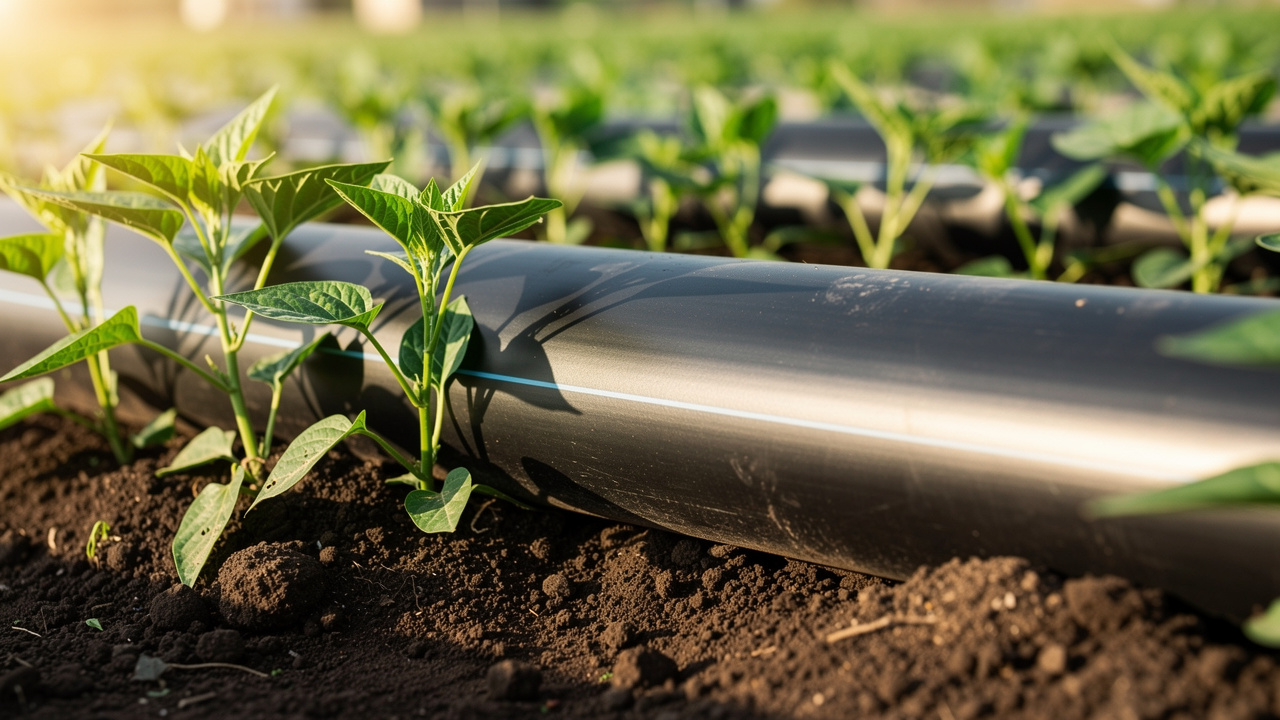
- Impact on Design: The choice of material rigidity significantly influences design factors, including wall thickness, shape, and the need for reinforcements. In the design of irrigation pipes, for example, the rigidity of the stiffest plastic, rigid PVC, ensures that the pipes maintain their shape under pressure, facilitating efficient water flow and minimizing the risk of deformation. Manufacturing factors, including processing conditions, also play a crucial role in achieving the desired rigidity in the final product. Lincoln Plastics' expertise in custom thick wall pipe solutions allows for optimized designs tailored to specific application needs.
- Real-World Examples: A practical illustration of the significance of rigidity can be seen in the use of rigid PVC for agricultural irrigation pipes. The natural rigidity of these pipes, akin to the stiffest plastic, enables them to withstand high pressure without deforming, ensuring consistent and efficient water delivery in agricultural settings. This principle of selecting the right materials and processing techniques to optimize performance is a cornerstone of Lincoln Plastics' manufacturing processes.
By mastering the intricacies of rigidity, OEMs can significantly improve their product outcomes and operational efficiency.

Explore Types of Stiff Plastics Suitable for Manufacturing
When it comes to selecting the right stiffest plastic for manufacturing, OEMs face critical decisions that can impact performance and reliability. Consider the following materials:
- Polyvinyl Chloride (PVC): Renowned for its rigidity and chemical resistance, PVC is extensively utilized in construction and irrigation applications. The use of the stiffest plastic is especially beneficial for pipes and profiles that require structural integrity, making it a favored option in the agricultural sector.
- Polypropylene (PP): This material achieves a balance between rigidity and flexibility, making it ideal for automotive components and packaging. Its remarkable impact resistance improves its appropriateness for situations where durability is essential.
- Acrylonitrile Butadiene Styrene (ABS): Considered one of the stiffest plastics, it combines high impact resistance with notable rigidity, making it ideal for consumer products and a variety of industrial uses. Its versatility allows it to perform effectively in demanding environments, especially when using the stiffest plastic.
- Polycarbonate (PC): Recognized as the stiffest plastic, it is renowned for its outstanding strength and rigidity, often utilized in contexts needing clarity and resilience, such as safety goggles and machine guards. Its capacity to endure high impact makes it a dependable option in safety-critical scenarios.
- Nylon (Polyamide): Considered one of the stiffest plastics, it is known for its robustness and excellence in applications requiring wear resistance and low friction. Its properties make it particularly suitable for gears and bearings, where performance and longevity are crucial.
In addition to these materials, Lincoln Plastics offers flexible profiles tailored to meet specific needs. Our co-extrusion capabilities allow for the integration of different colors into profiles, enhancing both functionality and aesthetics. Current trends indicate a growing preference for these materials in OEM applications, driven by their unique properties and the increasing demand for durable, high-performance components across various industries. At Lincoln Plastics, we ensure that our rigid material extrusion solutions meet the highest quality standards, with rigorous quality control processes in place. With our deep expertise in custom rigid conduit manufacturing, we can create solutions that perfectly match your Pantone color requirements, ensuring consistency across manufacturers. Choosing the right materials not only enhances product performance but also positions your brand as a leader in quality and innovation.

Evaluate Your Manufacturing Requirements for Stiff Plastics
To ensure optimal performance in manufacturing stiffest plastic, a strategic approach is essential. Consider the following steps:
- Define Usage Requirements: What factors will impact your choice? Think about load-bearing capacity, environmental conditions, and regulatory compliance. Understanding these needs is crucial for selecting the right material.
- Assess Tolerances: Determine the tolerances required for your application. The stiffest plastic often necessitates tighter tolerances to ensure proper fit and function, particularly in precision machinery components. This precision is vital for maintaining operational efficiency and safety.
- Select Production Methods: Choose the suitable manufacturing process based on the chosen substance. For instance, extrusion is ideal for creating continuous profiles, while injection molding may be better suited for complex shapes. Each method has its advantages based on the usage requirements.
- Explore Co-Extrusion Alternatives: If your use case necessitates various material characteristics, investigate co-extrusion alternatives that enable the combination of different polymers in a single profile. This approach can enhance functionality and performance, providing tailored solutions for specific needs.
- Review Quality Control Standards: Furthermore, ensure that your manufacturing process adheres to quality control standards, such as ISO 9001, to maintain consistency and reliability in production. By following these steps, you can enhance the reliability and quality of your plastic products, ensuring they meet the highest standards of performance.

Source and Procure Your Chosen Stiff Plastics
Sourcing the right stiffest plastic is crucial for your manufacturing success, yet many face challenges in this process. To effectively source and procure the right stiff plastics for your manufacturing needs, follow these essential steps:
- Identify reliable suppliers: Conduct thorough research to find suppliers with a strong reputation for delivering high-quality stiffest plastic. Prioritize those with certifications like ISO 9001, which indicate adherence to rigorous quality standards. We at Lincoln Plastics partner with OEMs to guarantee our products meet all quality standards, including special checks for ‘fit and function.’
- Request Material Samples: Before committing to a bulk purchase, always request samples of the materials. This lets you evaluate their properties and confirm they meet your specific application needs. It's vital for maintaining product integrity. Our robust quality system includes a dedicated quality book for your stiffest plastic profile, complete with drawings and critical in-process checks to ensure compliance with your specifications.
- Evaluate Pricing and Terms: While comparing prices from various suppliers, also consider important factors such as lead times, minimum order quantities, and shipping costs. Confirm that the supplier can fulfill your delivery timelines to avoid production delays. Lincoln Plastics can easily source colors that meet your Pantone specifications for consistency across manufacturers.
- Establish Open Communication: Foster a strong line of communication with your supplier to address any specific needs or concerns. A collaborative relationship can enhance service quality and responsiveness, ensuring smoother transactions. At Lincoln Plastics, we utilize multiple types of check gauges to ensure a proper end-use fit, reinforcing our commitment to quality assurance.
- Finalize the Order: Once you are confident in your supplier and the selected materials, proceed to finalize your order. Clearly outline all specifications in the purchase agreement to prevent any potential misunderstandings and ensure compliance with your requirements. Our engineering expertise ensures that your rigid profiles are exactly as specified for critical dimensions.
Not selecting the right supplier can result in expensive production delays and lower product quality. Choosing the right supplier can make all the difference in ensuring your products meet the highest standards.

Conclusion
Selecting the right stiff plastics is not just important; it’s essential for OEMs aiming to achieve peak product performance and reliability. This guide underscores how plastic stiffness is crucial for maintaining structural integrity and functionality in various applications. Mastering material rigidity allows OEMs to significantly boost product offerings and operational efficiency.
Key arguments explored include:
- The definition of stiffness through the modulus of elasticity
- The importance of choosing the right material for specific applications
- The impact of design considerations on manufacturing processes
Real-world examples, such as the use of rigid PVC in irrigation systems, illustrate how selecting the appropriate stiff plastic can lead to superior performance and durability in demanding environments. Furthermore, the guide emphasizes the importance of strategic sourcing and procurement to ensure that manufacturers receive high-quality materials that meet their specific needs.
Ultimately, the journey of selecting the right stiff plastic for manufacturing is not merely a technical decision but a strategic one that can elevate a brand's reputation for quality and innovation. By following the outlined best practices and understanding the critical factors involved, OEMs can position themselves as leaders in their industries, delivering products that not only meet but exceed customer expectations. By embracing these principles, OEMs can not only enhance their product outcomes but also solidify their position as industry leaders, setting new standards for quality and innovation.
Frequently Asked Questions
What is plastic stiffness and why is it important?
Plastic stiffness refers to how well plastic resists deformation under applied force. It is crucial for OEMs as it directly impacts the performance and reliability of plastic components across various applications.
How is stiffness measured in plastics?
Stiffness is measured by the modulus of elasticity, which indicates how much a material deforms under stress. Higher modulus values signify greater rigidity in the stiffest plastics.
What are some ways to enhance the rigidity of plastics?
Rigidity can be enhanced by adding fillers such as calcium carbonate and glass fibers, which improve stiffness without compromising other important properties.
In what applications is the stiffest plastic particularly important?
The stiffest plastic is essential in applications where structural integrity is crucial, such as machinery components, irrigation systems, and cable management solutions.
What is an example of a stiff plastic used in agricultural applications?
High-density polyethylene (HDPE) is recognized as one of the stiffest plastics and is commonly used in agricultural applications due to its exceptional rigidity and strength.
How does material rigidity influence design factors?
Material rigidity affects design factors such as wall thickness, shape, and the need for reinforcements. For instance, in irrigation pipes, the rigidity of rigid PVC helps maintain shape under pressure, ensuring efficient water flow.
What role do manufacturing factors play in achieving desired rigidity?
Manufacturing factors, including processing conditions, are crucial in achieving the desired rigidity in the final product, impacting the overall performance and reliability.
Can you provide a real-world example of the significance of rigidity in plastics?
Rigid PVC is used for agricultural irrigation pipes, where its natural rigidity allows it to withstand high pressure without deforming, ensuring consistent and efficient water delivery.
List of Sources
- Understand Plastic Stiffness and Its Importance
- madisongroup.com (https://madisongroup.com/optimizing-strength-and-stiffness-of-a-plastic-part)
- plasticstoday.com (https://plasticstoday.com/business/manufacturing-slump-spares-plastics-amid-economic-concerns)
- plasticstoday.com (https://plasticstoday.com/automotive-mobility/composite-material-achieves-paradoxical-properties-realizes-high-stiffness-and-damping)
- dallasplastics.com (https://dallasplastics.com/blog/polymer-film-stiffness)
- tldvietnam.com (https://tldvietnam.com/optimizing-film-stiffness)
- piedmontplastics.com (https://piedmontplastics.com/blog/engineered-plastics-manufacturing?srsltid=AfmBOooSdoF6oAfoyaPeTWq3U31M8w2Ljx8FZUE-AeurVee5tcr3MgCT)
- designnews.com (https://designnews.com/plastics/unreinforced-plastics-get-stiffer)
- Explore Types of Stiff Plastics Suitable for Manufacturing
- PVC prices continue upward trend in May (https://plasticsnews.com/resin-prices/pn-pvc-prices-up-may-2026)
- PVC Pipe Market Analysis Report 2026: Major Trends, Influencing Factors and Forecast Overview (https://openpr.com/news/4513271/pvc-pipe-market-analysis-report-2026-major-trends-influencing)
- vinylplus.eu (https://vinylplus.eu/news/future-of-pvc-2026-highlights-innovation)
- Industrial sources drive rise in PVC recycling (https://resource-recycling.com/plastics/2026/04/13/industrial-sources-drive-rise-in-pvc-recycling)
- Plastics Processing recent news | Plastics Today (https://plasticstoday.com/plastics-processing)
- PlasticsToday (https://plasticstoday.com)
- Plastics Industry News, analysis & insights (https://interplasinsights.com/plastics-industry-news)
- Evaluate Your Manufacturing Requirements for Stiff Plastics
- plasticsnews.com (https://plasticsnews.com/news/us-plastics-manufacturing-needs-more-investment-offset-trade-deficits)
- Scientists Invent New Type of Reformable Plastic Material (https://plasticsindustry.org/articles/university-chicago-scientists-invent-new-type-reformable-plastic-material)
- lincoln-plastics.com (https://lincoln-plastics.com/news-post/10-toughest-plastics-for-heavy-duty-applications-you-need)
- plasticstoday.com (https://plasticstoday.com/end-markets/plastics-manufacturing-adapts-workforce-strategy-for-advanced-technology)
- newsherald.com (https://newsherald.com/press-release/story/37518/peek-plastic-high-temperature-limits-detailed-in-new-interstate-advanced-materials-white-paper)
- Source and Procure Your Chosen Stiff Plastics
- fred.stlouisfed.org (https://fred.stlouisfed.org/series/PCU32613261)
- Plastics Industry Faces Cost and Policy Pressures (https://plasticstoday.com/industry-trends/plastics-industry-faces-mounting-challenges-in-2026)
- Tips for Building a Smarter Resin Purchasing Strategy in 2026 (https://mholland.com/market-insights/tips-for-building-a-smarter-resin-purchasing-strategy-in-2026)
- 2026 Forecast for U.S. Plastics Procurement - Sterling Plastics (https://sterlingplasticsinc.com/insights/2026-forecast-for-plastics-procurement)
- ycharts.com (https://ycharts.com/indicators/us_producer_price_index_plastics_material_and_resins_manufacturing)


