
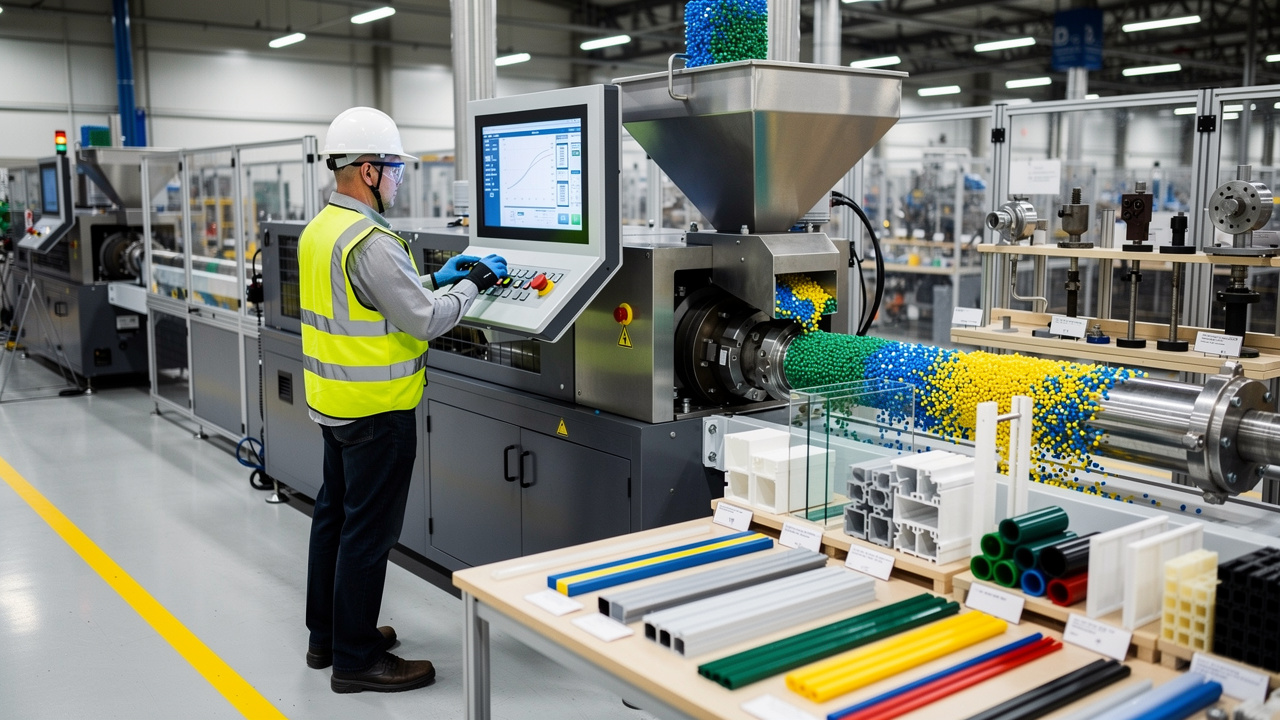
Master Profile Techniques: Best Practices for Efficient Manufacturing
Introduction
In the competitive landscape of plastic extrusion manufacturing, the ability to master profile techniques is not just beneficial - it's essential for operational excellence. We will explore best practices that enhance manufacturing efficiency, ensure product quality, and maintain compliance with rigorous standards.
Manufacturers often struggle with inefficiencies that compromise both productivity and quality. Implementing cutting-edge strategies can significantly enhance production capabilities and ensure compliance with industry standards.
Understand Profile Techniques in Plastic Extrusion Manufacturing
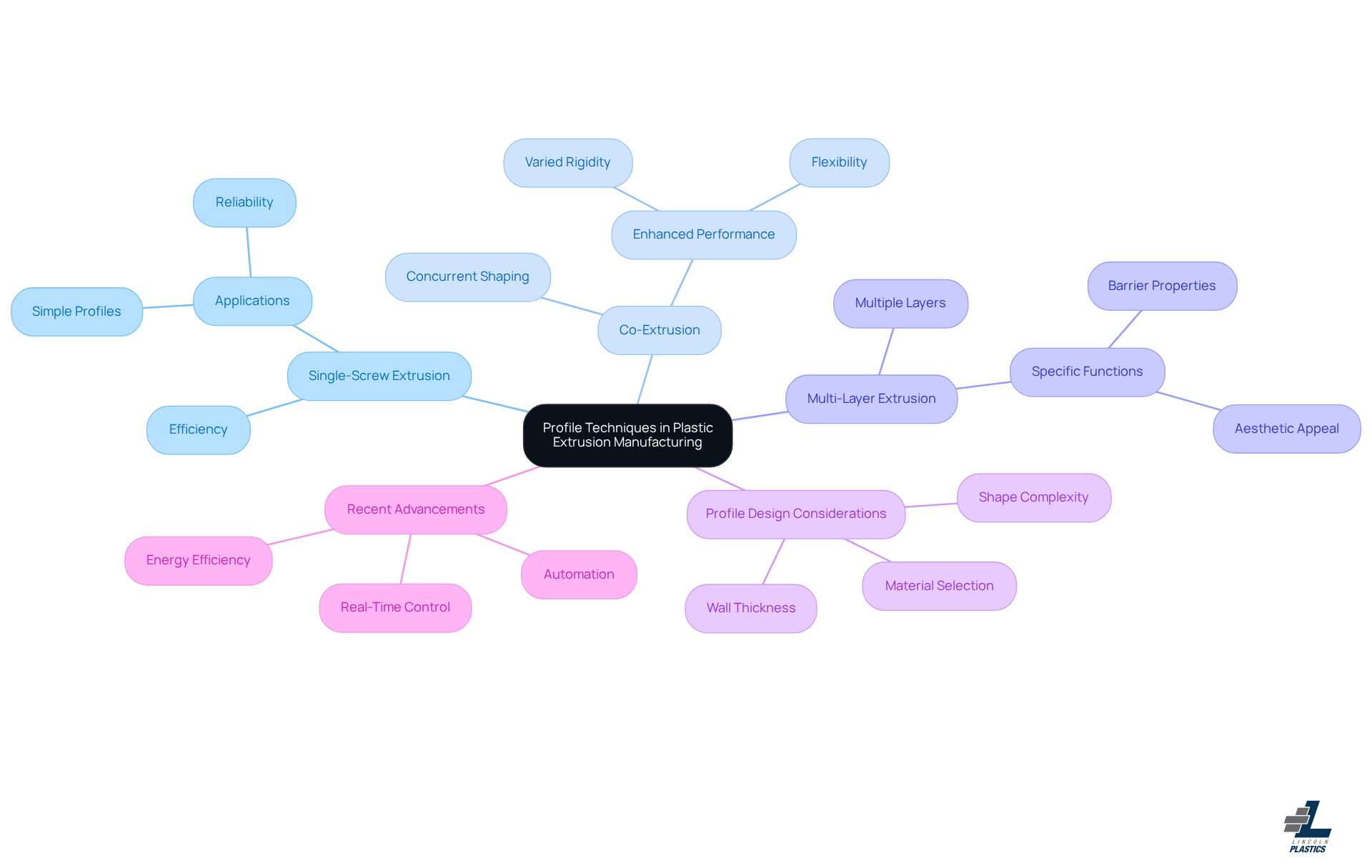
Are you looking to revolutionize your manufacturing process with cutting-edge profile techniques? Profile techniques are a specialized method that molds thermoplastic substances into continuous profiles, which are essential for manufacturers aiming to improve efficiency and product quality. Let’s explore the key techniques that can elevate your production capabilities:
- Single-Screw Extrusion: This is the most prevalent method, where a single screw conveys, melts, and shapes the plastic. It’s particularly efficient for producing simple profiles and is widely adopted due to its reliability.
- Co-Extrusion: This technique allows for the concurrent shaping of two or more substances, facilitating the formation of profiles with varied characteristics, such as differing rigidity and flexibility. Co-extrusion is especially beneficial for applications that demand enhanced performance characteristics.
- Multi-Layer Extrusion: Similar to co-extrusion, this technique produces profiles with multiple layers, each designed for specific functions, such as providing barrier properties or enhancing aesthetic appeal.
- Profile Design Considerations: Critical factors such as wall thickness, shape complexity, and material selection significantly influence the shaping method. Ensuring uniform wall thickness is essential to prevent defects and maintain structural integrity.
Furthermore, recent advancements are focusing on energy efficiency and sustainability, ensuring your processes are both modern and responsible. Innovations such as advanced melt filtration and dual-vent extruders are becoming more prevalent. The manufacturing sector is also experiencing a transition towards automation and real-time control, which improves product consistency and minimizes downtime.
Statistics indicate that the global extruded plastics market is projected to grow at a compound annual growth rate of 5-7% through the early 2030s, driven by demand in sectors like packaging, construction, and automotive lightweighting. By mastering profile techniques, manufacturers can optimize their production processes and effectively meet the specific needs of their clients. By embracing these innovative techniques, you can not only meet but exceed your clients' expectations in a competitive market.
Implement Best Practices for Profile Techniques
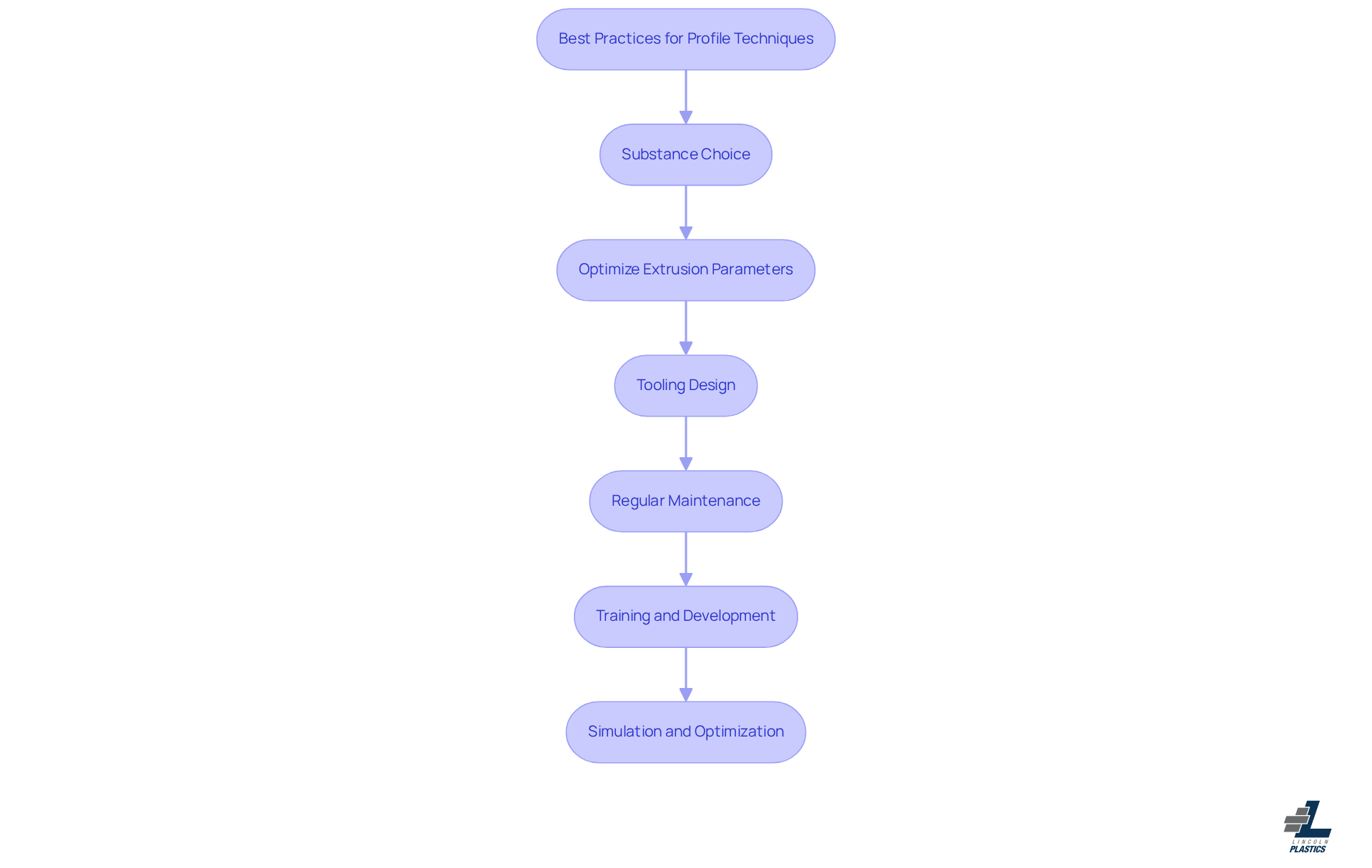
To achieve efficient manufacturing in profile extrusion, understanding the nuances of material selection and profile techniques for process optimization is crucial.
- Substance Choice: Choose substances based on your application’s specific needs, considering factors like cost, durability, cycle time, recovery, energy, health and safety, and environmental impact. Common materials such as PVC, polyethylene, and polypropylene each offer unique characteristics suited for various profiles, influencing performance and durability. At Lincoln Plastics, we can assist you in selecting the right substance for your application, ensuring it meets your specific requirements.
- Optimize Extrusion Parameters: [[Adjust parameters such as temperature, screw speed, and feed rate](https://ptonline.com/articles/how-to-collect-interpret-process-data-in-extrusion-part-1(2))](https://ptonline.com/articles/how-to-collect-interpret-process-data-in-extrusion-part-1(2)) to align with the material being processed. Regular monitoring and adjustments can lead to significant improvements in output quality and efficiency, reducing waste and enhancing productivity. Our team at Lincoln Plastics is dedicated to helping you optimize these parameters for the best results. If these parameters aren’t adjusted, you risk wasting resources and producing inferior products.
- Tooling Design: Invest in high-quality tooling specifically designed for the profiles being produced. Proper die design minimizes defects and improves material flow through the extruder. Consider using hot work tool steels like H13 for tooling in direct contact with workpieces, as they maintain performance at elevated temperatures. Lincoln Plastics emphasizes the importance of tooling design in achieving high-quality outputs.
- Regular Maintenance: Implement a routine maintenance schedule for shaping equipment to prevent breakdowns and ensure consistent performance. This includes cleaning, lubrication, and inspection of critical components, which can significantly extend the lifespan of the machinery. At Lincoln Plastics, we’re committed to excellence in management, backed by our ISO 9001:2015 certification, which guarantees that we uphold strict standards in our processes.
- Training and Development: Provide ongoing training for operators to keep them updated on the latest techniques and technologies in extrusion. Skilled operators can identify issues early and make necessary adjustments to maintain quality, ultimately leading to better production outcomes. At Lincoln Plastics, we believe in empowering our team to deliver excellence.
- Simulation and Optimization: Utilize simulation tools for material selection and optimization of tooling designs. This approach allows manufacturers to make informed decisions before finalizing tooling designs, enhancing productivity and reducing the likelihood of defects. Lincoln Plastics leverages advanced technologies to support our clients in achieving optimal results.
By implementing these best practices and utilizing profile techniques, you can not only enhance production capabilities but also ensure your products consistently meet the highest standards of quality. For tailored solutions and expert guidance, contact Lincoln Plastics today to discuss how we can assist you in optimizing your production processes.
Ensure Quality Control and Compliance in Profile Manufacturing
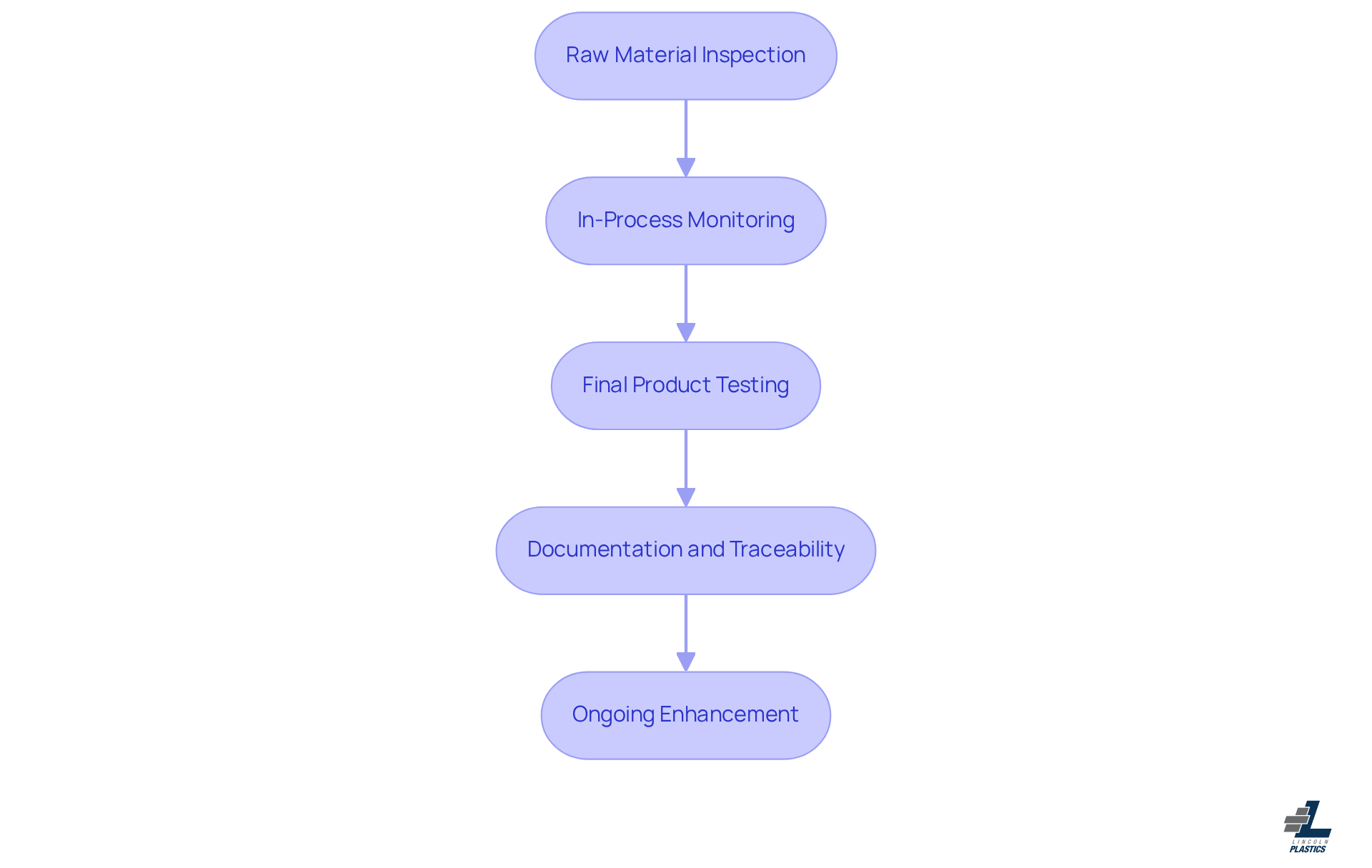
In the competitive landscape of custom plastic extrusion, maintaining control is paramount to delivering reliable and consistent products. Key practices to ensure quality and compliance include:
- Raw Material Inspection: Conduct thorough inspections of raw materials before they enter production. This includes verifying purity, moisture content, and compatibility with the shaping method, which is crucial for attaining desired product characteristics.
- In-Process Monitoring: Implement real-time monitoring of critical parameters such as temperature, pressure, and flow rate during extrusion. This approach allows for the identification of deviations from established standards, enabling immediate corrective actions to maintain product integrity.
- Final Product Testing: Establish a rigorous testing protocol for finished products, including dimensional checks, mechanical property assessments, and visual inspections. These measures ensure that products meet required specifications and industry standards, enhancing reliability.
- Documentation and Traceability: Keep comprehensive records of production methods, material batches, and control checks. This documentation is essential for traceability and adherence to industry regulations, promoting accountability throughout the manufacturing cycle.
- Ongoing Enhancement: Cultivate an environment of ongoing enhancement by frequently assessing control procedures and requesting input from operators. This practice can lead to the identification of enhancement opportunities and the implementation of best practices, ultimately driving operational efficiency.
Without stringent control measures, manufacturers risk producing inconsistent and unreliable products. By prioritizing these practices, manufacturers not only enhance product quality but also build lasting relationships with their clients. Ultimately, these control measures not only safeguard product quality but also fortify the manufacturer's reputation in the marketplace.
Leverage Innovative Solutions for Enhanced Manufacturing Efficiency
In the fast-paced world of profile production manufacturing, innovation through effective profile techniques is not just an option; it's a necessity for success. Here are several innovative solutions to consider:
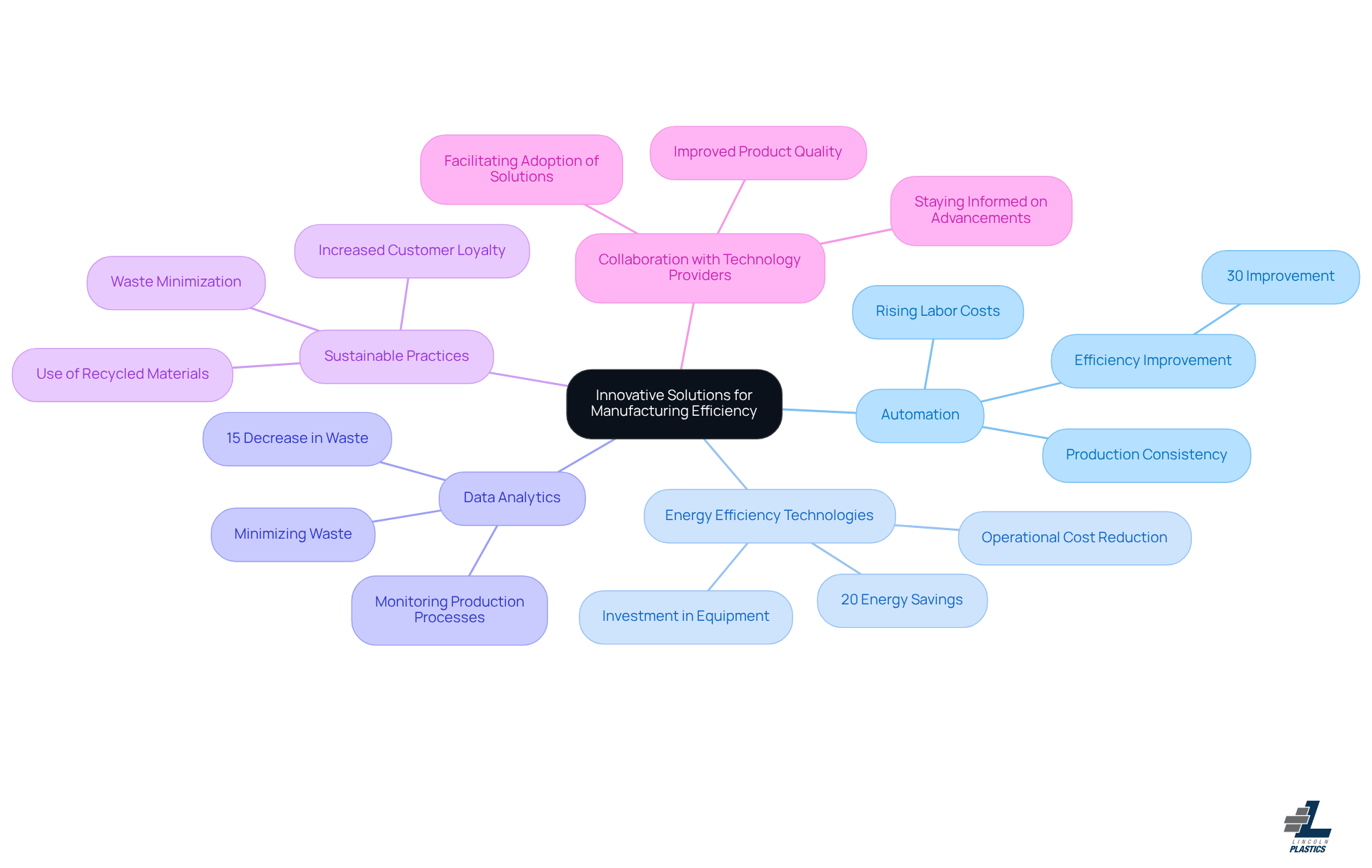
- Automation: Are you concerned about rising labor costs? Implementing automated systems for resource handling, extrusion control, and quality monitoring can not only ease those worries but also enhance production consistency. Automation technologies are increasingly being adopted, with reports indicating that they can improve manufacturing efficiency by up to 30%.
- Energy Efficiency Technologies: Investing in energy-efficient equipment, such as servo-driven extruders and advanced heating systems, can lead to substantial energy savings. These innovations not only lower operational costs but also contribute to sustainability goals, with energy-efficient systems reducing energy consumption by as much as 20%.
- Data Analytics: Utilizing data analytics to monitor production processes allows manufacturers to identify trends and optimize operations. By examining production data, companies can minimize waste and enhance yield, with some manufacturers indicating a 15% decrease in waste through effective data utilization.
- Sustainable Practices: Exploring sustainable manufacturing practices, including the use of recycled materials and waste minimization, benefits both the environment and brand reputation. Companies that adopt eco-friendly practices often see increased customer loyalty and market differentiation.
- Collaboration with Technology Providers: Partnering with technology providers keeps manufacturers informed about the latest advancements in production technology. Collaborating with experts can facilitate the adoption of innovative solutions that enhance manufacturing capabilities, leading to improved product quality and operational efficiency.
Without embracing innovation, manufacturers risk falling behind in a competitive market. By leveraging these innovative profile techniques, manufacturers can significantly enhance their operational efficiency and maintain a competitive edge in the plastic extrusion industry. Embracing these innovative solutions is not merely beneficial; it's essential for survival in the evolving landscape of the plastic extrusion industry.
Conclusion
In the competitive landscape of plastic extrusion, mastering profile techniques is not just beneficial; it's essential for survival. By embracing best practices and innovative solutions, manufacturers don't just boost efficiency; they elevate product quality and stay ahead in a fast-paced market. Key insights from this article emphasize the importance of:
- Selecting the right materials
- Optimizing extrusion parameters
- Investing in high-quality tooling
Furthermore, maintaining rigorous quality control through in-process monitoring and comprehensive documentation is crucial for delivering reliable products. Ongoing training and the adoption of automation and energy-efficient technologies further support the drive for efficiency and sustainability in manufacturing processes.
This commitment to excellence doesn’t just enhance production; it builds lasting partnerships with clients who value quality and reliability. By prioritizing innovation, manufacturers can navigate challenges and seize opportunities in the plastic extrusion industry. For tailored solutions and expert guidance, choosing Lincoln Plastics means partnering with a leader in innovation and quality that can elevate your production capabilities.
Frequently Asked Questions
What are profile techniques in plastic extrusion manufacturing?
Profile techniques are specialized methods that mold thermoplastic substances into continuous profiles, aimed at improving efficiency and product quality in manufacturing processes.
What is single-screw extrusion?
Single-screw extrusion is the most common method in plastic extrusion, where a single screw conveys, melts, and shapes the plastic. It is particularly efficient for producing simple profiles and is known for its reliability.
How does co-extrusion work?
Co-extrusion is a technique that allows for the simultaneous shaping of two or more substances, enabling the creation of profiles with varied characteristics, such as differing rigidity and flexibility. This method is beneficial for applications requiring enhanced performance.
What is multi-layer extrusion?
Multi-layer extrusion is similar to co-extrusion but focuses on producing profiles with multiple layers, each designed for specific functions, such as providing barrier properties or enhancing aesthetic appeal.
What factors should be considered in profile design?
Critical factors in profile design include wall thickness, shape complexity, and material selection. Ensuring uniform wall thickness is essential to prevent defects and maintain structural integrity.
What recent advancements are being made in plastic extrusion manufacturing?
Recent advancements focus on energy efficiency and sustainability, with innovations such as advanced melt filtration and dual-vent extruders becoming more prevalent. The sector is also transitioning towards automation and real-time control to improve product consistency and minimize downtime.
What is the projected growth of the global extruded plastics market?
The global extruded plastics market is projected to grow at a compound annual growth rate of 5-7% through the early 2030s, driven by demand in sectors like packaging, construction, and automotive lightweighting.
How can mastering profile techniques benefit manufacturers?
By mastering profile techniques, manufacturers can optimize their production processes and effectively meet the specific needs of their clients, allowing them to exceed expectations in a competitive market.
List of Sources
- Understand Profile Techniques in Plastic Extrusion Manufacturing
- The Extrusion Industry in 2026-2027: Innovations, Trends, and Opportunities (https://plextrusions.com/extrusion-blog/the-extrusion-industry-in-2026-2027-innovations-trends-and-opportunities)
- Plastic Extrusion News and Press Releases | Bausano (https://bausano.com/en/press-and-news?q=NEWS)
- Plastics Extrusion: 4 Critical Statistics to Track for Increased Quality & Plant Profit (https://gaugeadvisor.com/plastics-extrusion-4-critical-statistics-to-track-for-increased-quality-plant-profit)
- Single Screw Extruder Market | Global Market Analysis Report - 2035 (https://futuremarketinsights.com/reports/single-screw-extruder-market)
- Shaping the Future: Innovations in Plastic Extrusion Techniques - SeaGate Plastics Company (https://seagateplastics.com/shaping-the-future-innovations-in-plastic-extrusion-techniques)
- Implement Best Practices for Profile Techniques
- 5 Best Practices for the Manufacturing Process of Extrusion (https://lincoln-plastics.com/news-post/5-best-practices-for-the-manufacturing-process-of-extrusion)
- Material Selection for Extrusion Tooling - Light Metal Age Magazine (https://lightmetalage.com/news/industry-news/extrusion/material-selection-for-extrusion-tooling)
- Plastics Extrusion: 4 Critical Statistics to Track for Increased Quality & Plant Profit (https://gaugeadvisor.com/plastics-extrusion-4-critical-statistics-to-track-for-increased-quality-plant-profit)
- Ensure Quality Control and Compliance in Profile Manufacturing
- The Importance of Quality Control in Plastic Extrusion Manufacturing - Craftedplastics (https://craftedplastics.com/blog/the-importance-of-quality-control-in-plastic-extrusion-manufacturing)
- Polymer Extrusion Monitoring: Real-Time Insights for Better Process Control (https://thermofisher.com/blog/materials/polymer-extrusion-monitoring-real-time-insights-for-better-process-control)
- Quality Assurance in Plastic Extrusion (https://bwcprofiles.co.uk/extrusion-academy/quality-assurance-in-plastic-extrusion)
- Quality Control and Testing Procedures - Plastic Extrusion Technologies (https://plasticextrusiontech.net/quality-control-and-testing-procedures-in-plastic-extrusions)
- 4 Best Practices for Effective Process Control Quality in Extrusion (https://lincoln-plastics.com/news-post/4-best-practices-for-effective-process-control-quality-in-extrusion)
- Leverage Innovative Solutions for Enhanced Manufacturing Efficiency
- Shaping the Future: Innovations in Plastic Extrusion Techniques - SeaGate Plastics Company (https://seagateplastics.com/shaping-the-future-innovations-in-plastic-extrusion-techniques)
- 10 new extrusion technologies reshaping plastics processing in 2026 (https://plasticsmachinerymanufacturing.com/extrusion/article/55395844/10-new-extrusion-technologies-reshaping-plastics-processing-in-2026)
- The Extrusion Industry in 2026-2027: Innovations, Trends, and Opportunities (https://plextrusions.com/extrusion-blog/the-extrusion-industry-in-2026-2027-innovations-trends-and-opportunities)
Related posts

Right-Sized Production Runs: Flexibility Without the Waste
Lincoln Plastics offers right-sized production runs with a 10-hour minimum — balancing efficiency with flexibility so OEMs avoid oversized orders.


Co-Extrusion: Combining Two Materials for Better Performance
Lincoln Plastics offers co-extrusion, combining two plastics into a single profile for greater design freedom, performance, and cost savings.
Beyond Extrusion: Value-Added Services That Simplify Production
Beyond Extrusion: Value-Added Services That Simplify Production
