

Master Profile Extrusion: Key Practices for OEM Success
Introduction
Mastering profile extrusion is a key part of the manufacturing world. Think about it: transforming raw plastic into specialized shapes can really make a difference in product quality and efficiency. In this article, we’ll explore some essential practices that original equipment manufacturers (OEMs) can adopt to boost their extrusion processes. From picking the right materials to putting solid quality control measures in place, there’s a lot to cover.
But here’s a question for you: with the market constantly changing, how can manufacturers not just keep up but actually lead the way in innovation and client satisfaction? Let’s dive into this together!
Understand the Fundamentals of Profile Extrusion
The manufacturing process known as profile extrusion transforms raw plastic into continuous shapes that have a fixed cross-section. It all starts with picking the right materials, like polyethylene or PVC. These materials are heated and pushed through a die to create the desired profile. Now, there are a few important factors that can really influence the outcome, such as:
- The type of extruder you use
- The temperature settings
- The design of the die
Understanding these basics helps OEMs make smart choices about material properties, processing techniques, and design.
Material selection is super important for the efficiency and performance of products. For example, using materials with low surface resistance can significantly improve the quality of profiles, a common application in construction. Industry leaders often emphasize that choosing the right material not only impacts the quality of the product but also affects production timelines and costs. By getting a handle on these principles, OEMs can innovate effectively and spark innovation in their product lines, ensuring they keep up with the ever-changing demands of their markets.
Implement Effective Techniques for Quality Control
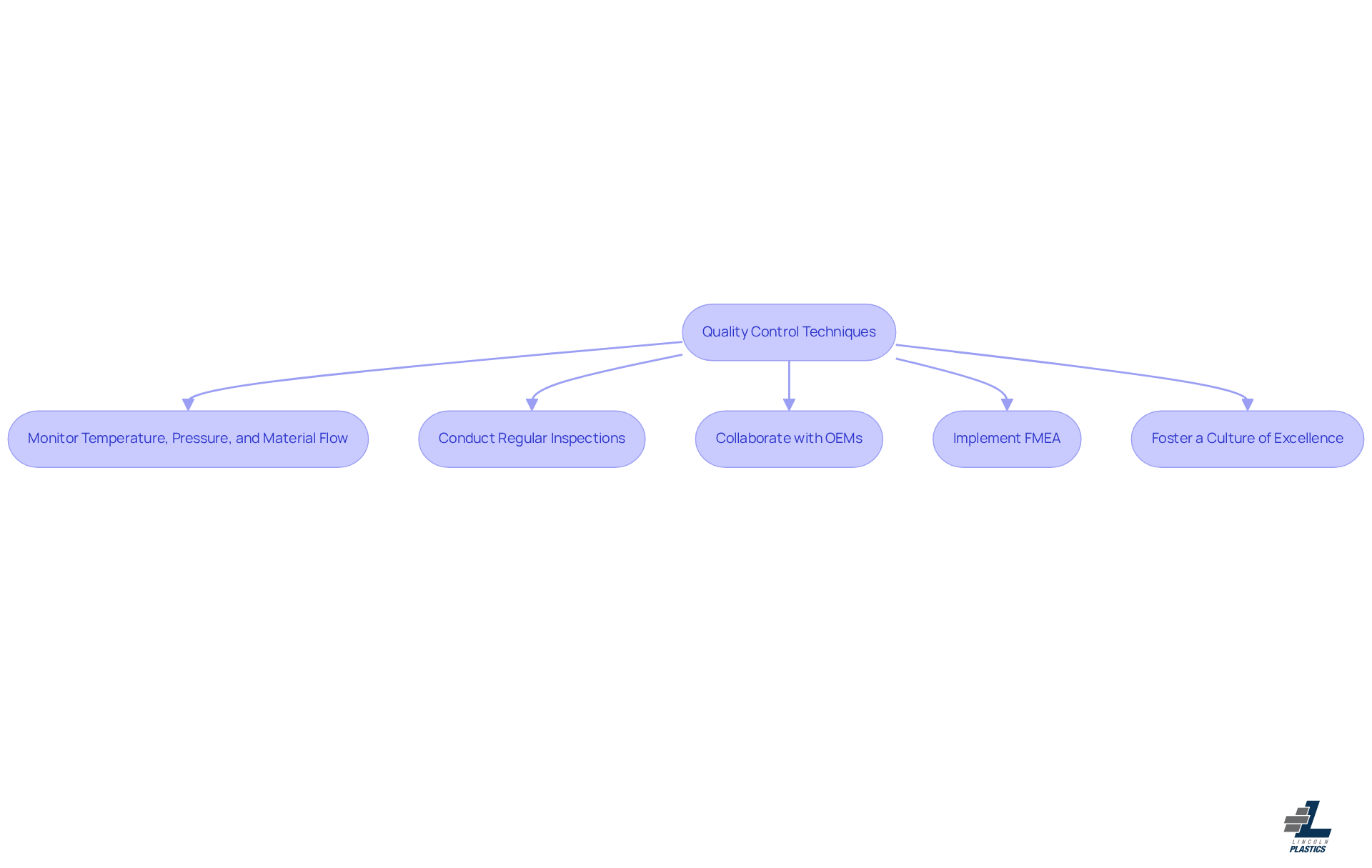
When it comes to maintaining consistent quality in profile extrusion, Lincoln Plastics truly excels in making it work for OEMs. They take a thorough approach to quality control, which means they’re always keeping an eye on key factors like temperature, pressure, and material flow during the extrusion process. You might be wondering why this matters - well, it’s all about spotting any production variations early on that could lead to defects, and that’s where statistical process control (SPC) comes into play.
Regular inspections of extruded items are a must. Think of it like checking your work before handing it in - inspections help catch any deviations from specifications right away. Plus, they use detailed examination techniques at every stage of manufacturing to cut down on waste and boost the overall quality of their products.
Now, here’s something interesting: Lincoln Plastics works closely with suppliers. They even have special checks for ‘fit and function’ to make sure everything aligns perfectly. And let’s not forget about the materials - they rely on high-quality materials to achieve the strength, durability, and flexibility that extruded goods need.
Teamwork is key, too. Everyone in the organization plays a part in maintaining those high standards, which really amps up the effectiveness of their measures. They also proactively identify potential defects using advanced techniques. This way, they can tackle issues before they become bigger problems. So, if you’re looking to enhance your processes, taking a page from Lincoln Plastics’ book might just be the way to go!
Leverage Customization for Tailored Solutions
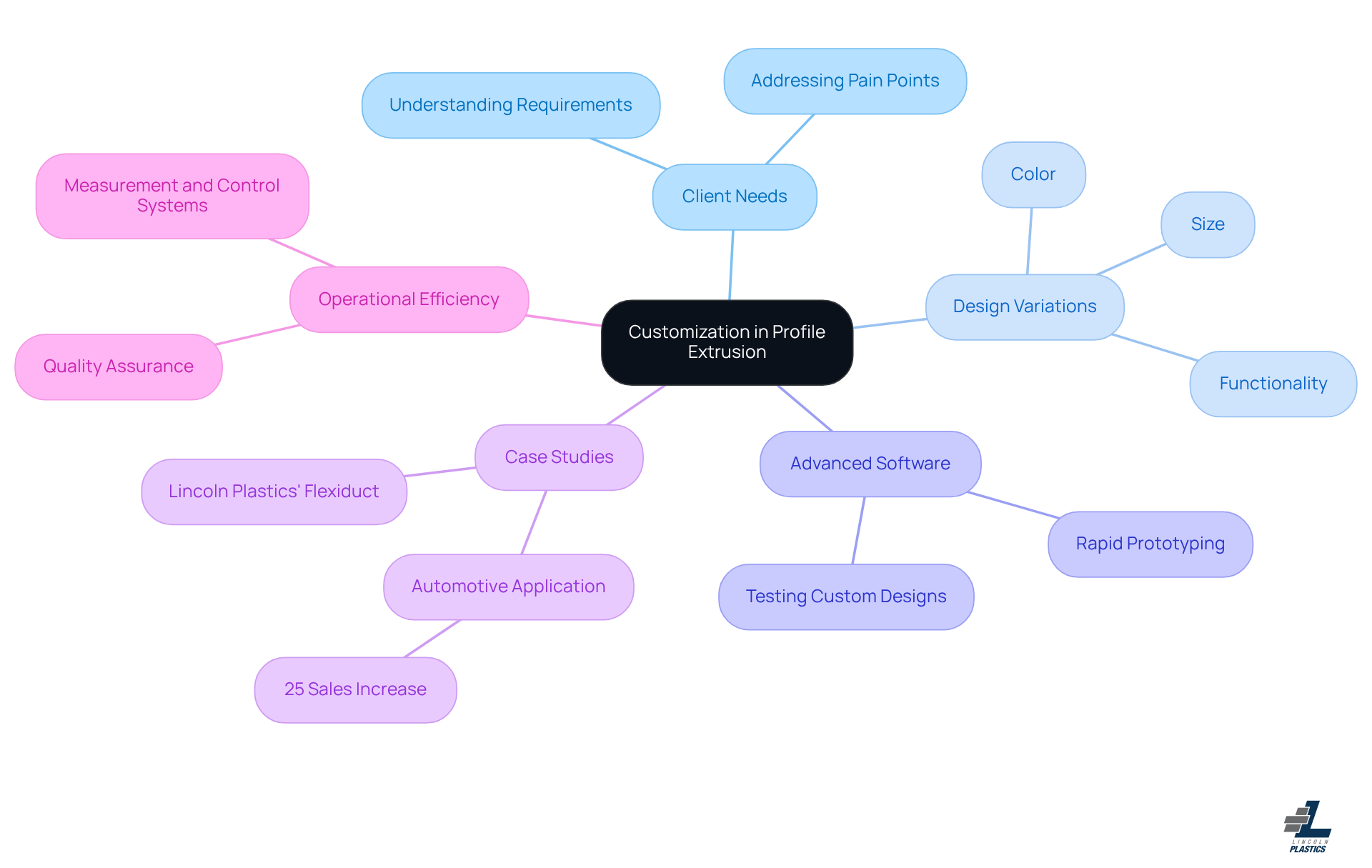
Customization is crucial for tailoring designs and material properties to meet client needs. Think about it: variations in color, size, and functionality can really make a difference for end users. Take Lincoln Plastics' proprietary technology, for example. It shows how customized offerings can effectively tackle the specific challenges clients face.
Now, to really get the most out of customization, manufacturers should have thorough discussions with clients. Understanding their requirements is key. Plus, advanced design software can help with rapid prototyping and testing of designs, allowing for quicker iterations and valuable feedback.
Here’s a cool case: one manufacturer developed a specialized profile extrusion for automotive applications, resulting in a fantastic 25% increase in sales. Why? More options and happier customers! By focusing on customization, OEMs can stand out in a competitive market and build strong relationships, driving growth and success.
If you’re looking to kick off your next extrusion molding project, Lincoln Plastics is here to help. They ensure quality throughout the process. And don’t forget, incorporating best practices is crucial for achieving tighter tolerances and cutting down on material waste. This really highlights how customization can boost operational efficiency!
Cultivate Strong Supplier Relationships for Reliability
Building strong connections with suppliers is super important for manufacturers in the industry. Communication is the backbone of these relationships. It’s all about sharing forecasts, chatting about challenges, and giving feedback. When you set clear expectations around deliverables, it helps avoid misunderstandings and keeps everyone on the same page.
Take Lincoln Plastics, for example. They work closely with their suppliers to make sure their products hit all the quality marks. This includes special assessments for ‘fit and function’ and using different types of materials. Because of this teamwork, they’ve developed some cool innovations, such as new composite materials that enhance the durability of items while reducing costs.
And guess what? We can easily source colors that match your brand, ensuring consistency across all manufacturers. Regular check-ins and performance reviews are key, too. They help spot issues and create a culture of ongoing collaboration. By treating suppliers as partners instead of just vendors, OEMs can really strengthen their supply chain. This ultimately leads to better products and happier customers. So, how are you nurturing your supplier relationships?

Conclusion
Mastering profile extrusion is key for original equipment manufacturers (OEMs) who want to stand out in a crowded market. Think about it: understanding the basics of the extrusion process, keeping a close eye on quality, embracing customization, and building strong relationships with suppliers can really make a difference. These steps help ensure that manufacturers produce top-notch products that meet what the market is asking for.
Now, let’s talk about materials. Choosing the right ones and optimizing the extrusion process with techniques like statistical process control and regular inspections can really pay off. Customization isn’t just a buzzword; it can lead to innovative solutions that meet specific client needs, boosting product performance and customer satisfaction. Plus, having solid supplier relationships is crucial for reliability and improving supply chain efficiency, which directly affects product quality and overall success.
As manufacturers tackle the challenges of profile extrusion, adopting these best practices not only boosts their production capabilities but also sets them up for long-term success. Embracing these strategies can spark innovation, enhance quality, and strengthen their presence in the market. By focusing on these key areas, OEMs can not only meet but exceed their clients' expectations, giving them a competitive edge in the ever-changing manufacturing landscape.
Frequently Asked Questions
What is profile extrusion?
Profile extrusion is a manufacturing process that transforms raw plastic into continuous shapes with a fixed cross-section by heating and pushing materials like polyethylene or PVC through a die.
What materials are commonly used in profile extrusion?
Common materials used in profile extrusion include polyethylene and PVC.
What factors influence the profile extrusion process?
Key factors that influence the extrusion process include the type of extruder used, temperature settings, and the design of the die.
Why is material selection important in profile extrusion?
Material selection is crucial because it affects the efficiency and performance of extruded items, impacting product quality, production efficiency, and costs.
Can you give an example of how material properties affect specific applications in profile extrusion?
Yes, using materials with low surface resistance can significantly enhance the effectiveness of irrigation pipes, a common application in profile extrusion.
How can understanding the fundamentals of profile extrusion benefit manufacturers?
Understanding these fundamentals helps manufacturers make informed choices about material properties, production speeds, and design, allowing them to troubleshoot challenges and innovate their product lines.
List of Sources
- Understand the Fundamentals of Profile Extrusion
- alexandriaindustries.com (https://alexandriaindustries.com/industry-news/overcoming-challenges-misconceptions-extrusion)
- The Extrusion Industry in 2025: Innovations, Trends, and Opportunities (https://plextrusions.com/extrusion-blog/the-extrusion-industry-in-2025-innovations-trends-and-opportunities)
- zsjtjx.com (https://zsjtjx.com/blog/trends-2025-pvc-profile-extruder-innovations-efficiency)
- plasticstoday.com (https://plasticstoday.com/plastics-processing/profile-extrusion-new-applications-technology-entering-market)
- lincoln-plastics.com (https://lincoln-plastics.com/news-post/10-key-insights-on-profile-extrusion-plastic-for-oem-managers?dcc2137a_page=3)
- Implement Effective Techniques for Quality Control
- Quality Control in Plastic Extrusion for Consistent Results | Rocal (https://rocalextrusions.co.uk/news/quality-control-in-plastic-extrusion-to-ensure-consistent-results)
- yeshaextrusionmachineries.com (https://yeshaextrusionmachineries.com/what-is-new-in-plastic-extrusion-technology-in-2025)
- The Importance of Quality Control in Plastic Extrusion Manufacturing - Craftedplastics (https://craftedplastics.com/blog/the-importance-of-quality-control-in-plastic-extrusion-manufacturing)
- eitmanufacturing.eu (https://eitmanufacturing.eu/news-events/news/ai-driven-in-line-quality-assurance-for-aluminium-extrusion)
- Quality Control Measures in Precision Aluminum Extrusion Manufacturing | Profile Precision Extrusions - Aluminum Extrusions Blog (https://profileprecisionextrusions.com/quality-control-measures-in-precision-aluminum-extrusion-manufacturing)
- Leverage Customization for Tailored Solutions
- lincoln-plastics.com (https://lincoln-plastics.com/news-post/10-innovative-extrusion-plastic-products-for-oem-needs?dcc2137a_page=17)
- North America Plastic Extrusion Measurement and Control Technology Market, 2034 Report (https://gminsights.com/industry-analysis/north-america-plastic-extrusion-measurement-and-control-technology-market)
- Plastic Extrusion Machine Market | Global Market Analysis Report - 2036 (https://futuremarketinsights.com/reports/plastic-extrusion-machine-market)
- Cultivate Strong Supplier Relationships for Reliability
- nefab.com (https://nefab.com/news-insights/2025/2025-year-in-review-the-packaging-and-supply-chain-trends-that-defined-the-year)
- icis.com (https://icis.com/explore/resources/news/2025/09/16/11138211/us-plastics-shipments-jobs-to-fall-in-2025-trade-group)
- plasticstoday.com (https://plasticstoday.com/legislation-regulations/tariffs-reshape-us-plastics-trade-in-2025)
- plasticsindustry.org (https://plasticsindustry.org/newsroom/plastics-economic-analysis-how-2025-trade-shifts-are-reshaping-us-plastics-imports)
- plasticsnews.com (https://plasticsnews.com/mergers-acquisitions/pn-stout-fall-2025-report)
Related posts

Discover key plastic extrusion process steps that ensure quality and efficiency for OEM managers.


Discover essential FDA compliant plastics for safe and sustainable food packaging solutions.
Discover the essential properties, types, and applications of high temp plastic in various industries.
