
Master PPS Plastic Properties: Key Insights for OEM Managers
Introduction
In the evolving landscape of manufacturing, polyphenylene sulfide (PPS) stands out as a game-changer for innovation and performance. Known for its exceptional thermal stability and chemical resistance, PPS offers OEM managers a unique opportunity to enhance product reliability across various applications, from automotive components to industrial machinery. Yet, the integration of PPS into designs poses significant challenges that must be addressed. Understanding the fundamental characteristics of PPS plastic empowers manufacturers to optimize their products and meet competitive market demands.
Explore the Fundamentals of PPS Plastic
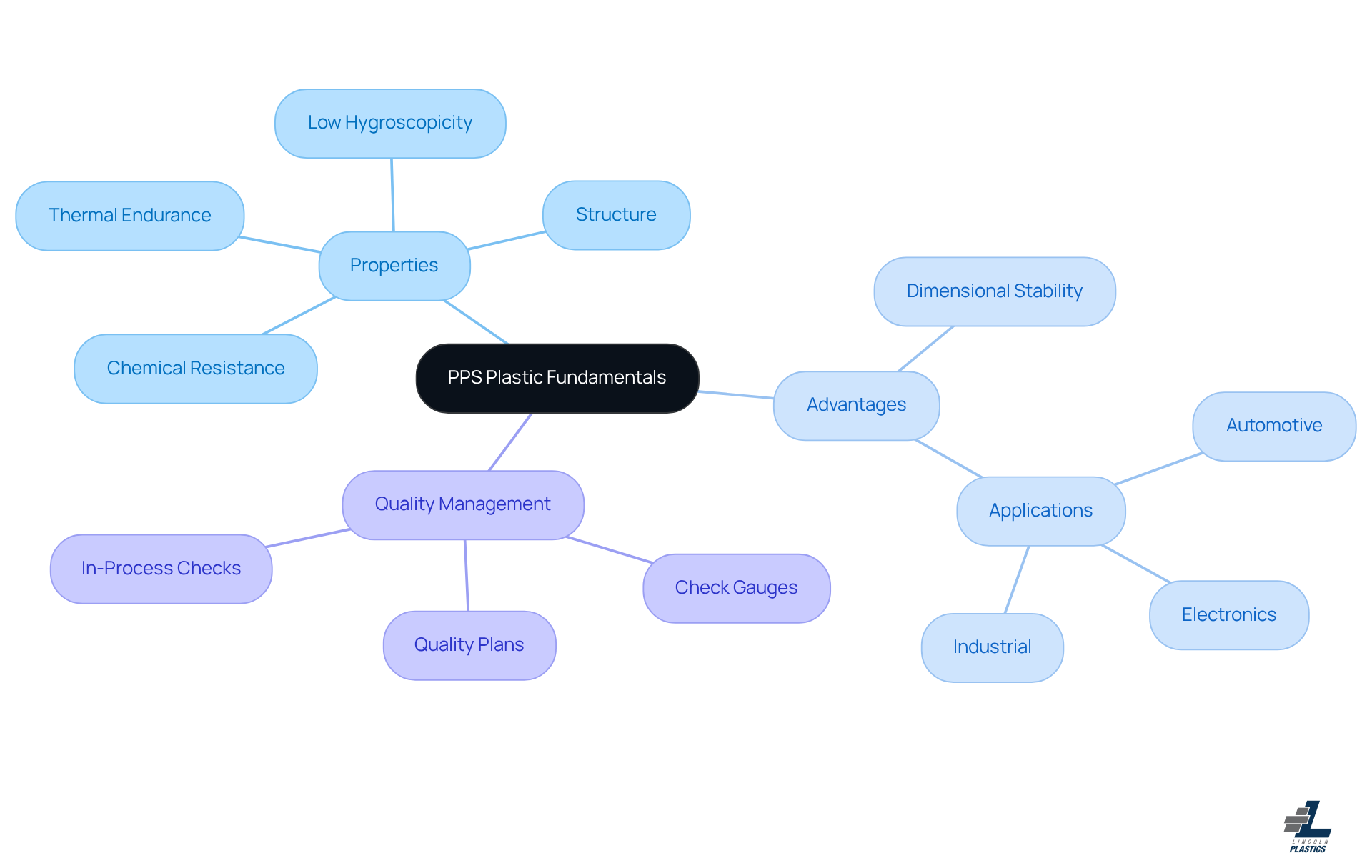
When it comes to high-performance thermoplastics, polyphenylene sulfide (PPS) stands out for its unmatched thermal endurance and chemical resistance. This semi-crystalline polymer has a unique structure with benzene rings linked by sulfur atoms. This design gives it a high melting point of around 280 °C. PPS retains its mechanical characteristics even in extreme conditions, making it an ideal option for challenging applications.
One of the key advantages of PPS is its low hygroscopicity, meaning it absorbs minimal moisture compared to many other engineering plastics. This trait guarantees dimensional stability under varying environmental conditions, which is especially beneficial in fields like agriculture, where equipment might face fluctuating humidity and temperature. Have you considered how material choice impacts your product's performance?
At Lincoln Plastics, we guarantee that your rigid profiles meet critical dimensions. Our rigorous quality management program includes:
- Dedicated quality plans
- Multiple check gauges
- In-process checks
Our ISO 9001:2015 certification underscores our commitment to excellence and customer partnership. OEM managers need to understand these fundamentals to effectively utilize PPS plastic properties in their product designs and manufacturing, ensuring precision and compliance tailored to their needs.
We invite OEM managers to contact Lincoln Plastics for tailored solutions that meet their specific requirements. Don't let material selection hinder your product's success; reach out to Lincoln Plastics for expert guidance and tailored solutions.
Analyze Key Properties of PPS Plastic
PPS stands out as a premier choice for industries demanding high-performance materials, thanks to its exceptional properties:
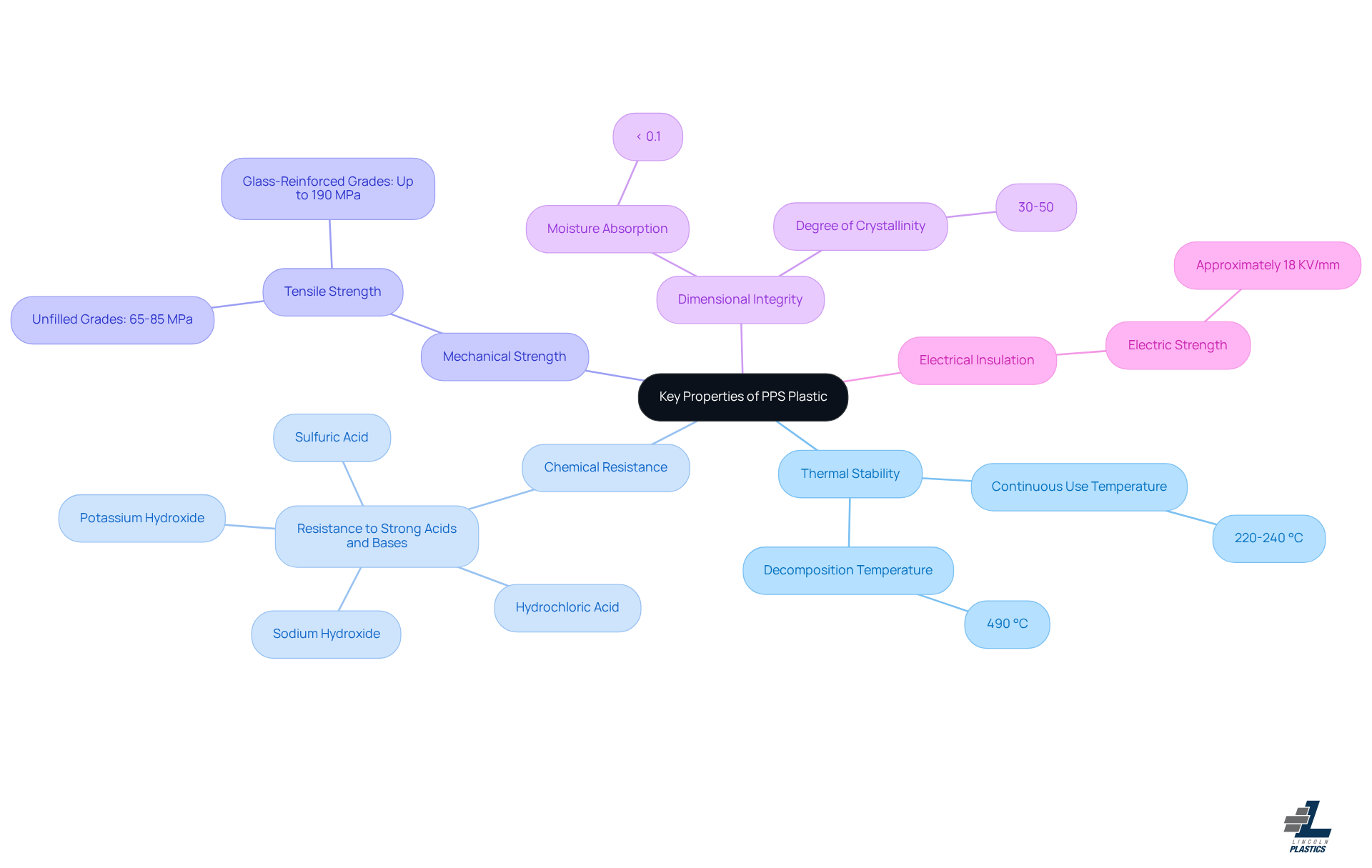
- Thermal Stability: PPS can endure continuous use at temperatures reaching 220-240 °C, making it suitable for high-heat applications such as automotive parts and industrial machinery. Notably, the material begins to decompose at around 490 °C, reinforcing its suitability for demanding environments. How can your projects benefit from such resilience?
- Chemical Resistance: It is highly resistant to a variety of chemicals, including strong acids and bases, which allows it to perform well in harsh environments. This strong chemical compatibility profile is essential for uses in industries such as automotive and chemical processing. Are you considering materials that can withstand the toughest conditions?
- Mechanical Strength: PPS possesses high tensile strength, with unfilled grades ranging from 65-85 MPa and glass-reinforced variants reaching up to 190 MPa. This guarantees durability and reliability in challenging applications, especially in automotive parts where the PPS plastic properties are crucial for maintaining structural integrity. How does your current material choice measure up?
- Dimensional Integrity: Its low moisture absorption of less than 0.1 percent contributes to excellent dimensional integrity, which is crucial for precision parts. The degree of crystallinity of PPS ranges from 30-50%, further enhancing its mechanical strength and stability. Are you prioritizing precision in your designs?
- Electrical Insulation: PPS is an effective electrical insulator, with unfilled grades exhibiting an electric strength of approximately 18 KV/mm. This renders it appropriate for electrical and electronic uses, especially in parts needing dependable insulation and flame resistance. Is your material choice providing the necessary safety and reliability?
As industries evolve, the choice of materials like PPS will define the future of performance and reliability in manufacturing.
Examine Applications of PPS Plastic in Industry
In a world where material performance can make or break an industry, PPS stands out as a game-changer across multiple sectors. Key applications include:
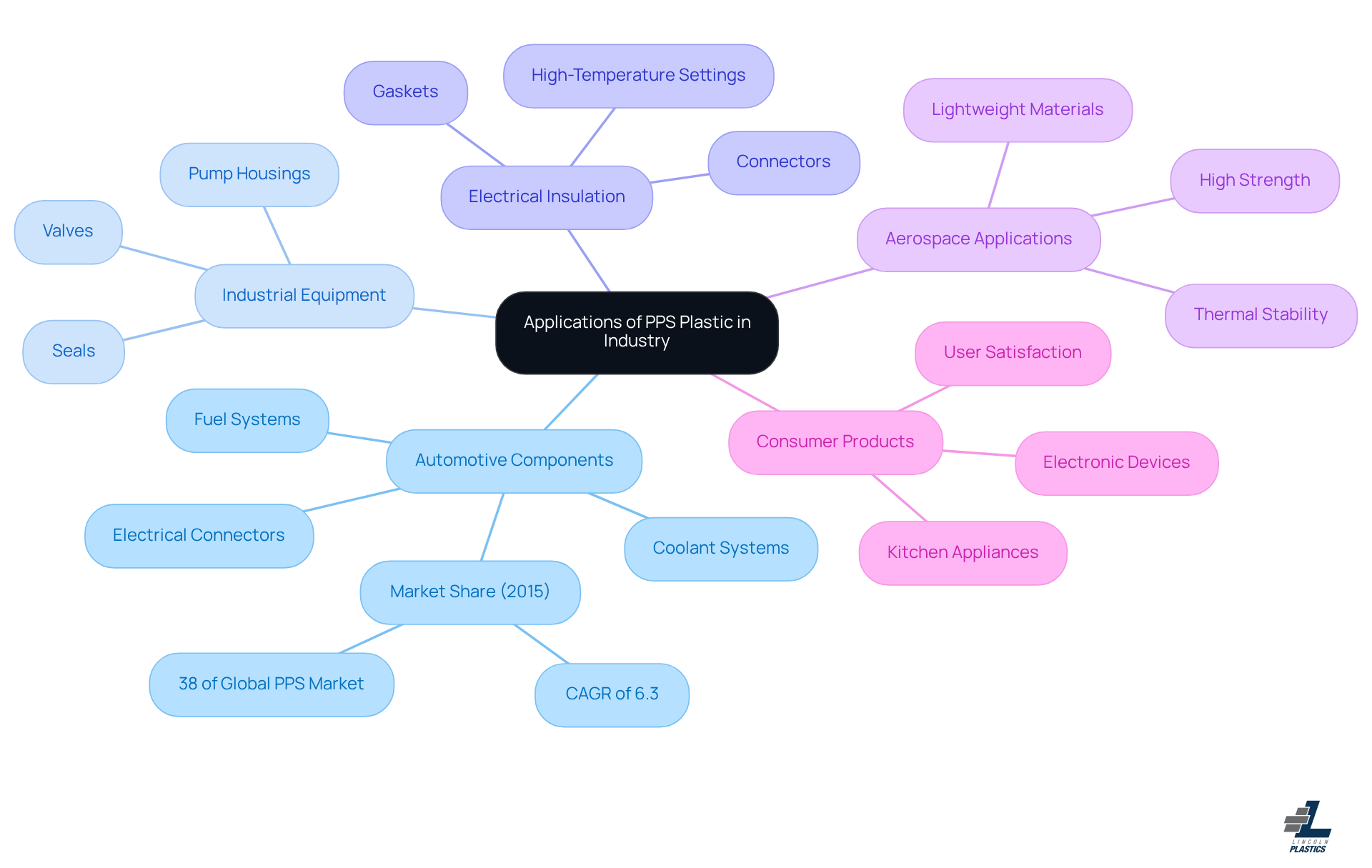
- Automotive Components: PPS is extensively utilized in fuel systems, coolant systems, and electrical connectors, valued for its exceptional heat resistance and chemical stability. The automotive industry alone represented almost 38% of the global PPS market share in 2015, with substantial growth anticipated at a CAGR of 6.3% in the short term. This suggests a strong dependence on PPS for automotive parts, raising the question: how can manufacturers ensure they are leveraging this material effectively?
- Industrial Equipment: This material is commonly found in pump housings, valves, and seals, where its durability and resistance to corrosive substances are critical for performance and longevity. Are your current materials meeting the rigorous demands of your applications?
- Electrical Insulation: PPS is utilized in various electrical parts, including connectors and gaskets, offering dependable insulation in high-temperature settings. This reliability is crucial for sustaining operational efficiency in today's fast-paced environments.
- Aerospace Applications: Although not the primary focus, PPS is sometimes used in aerospace components that require lightweight materials with high strength and thermal stability. This contributes to overall performance in demanding conditions, prompting a consideration of how material choices impact safety and efficiency.
- Consumer Products: PPS is also present in a range of consumer goods, such as kitchen appliances and electronic devices, where its heat resistance and durability enhance product reliability and user satisfaction. How can you ensure your products stand out in a competitive market?
By leveraging the PPS plastic properties, OEM managers can not only enhance product performance but also align with sustainability goals that are increasingly vital in today's market. Additionally, advancements in recycling technologies are enhancing the sustainability profile of PPS resin, addressing potential concerns of OEM managers regarding environmental impact. Understanding the PPS plastic properties and their applications is crucial for optimizing product performance and ensuring reliability in supply chains.
Understand Processing Techniques for PPS Plastic
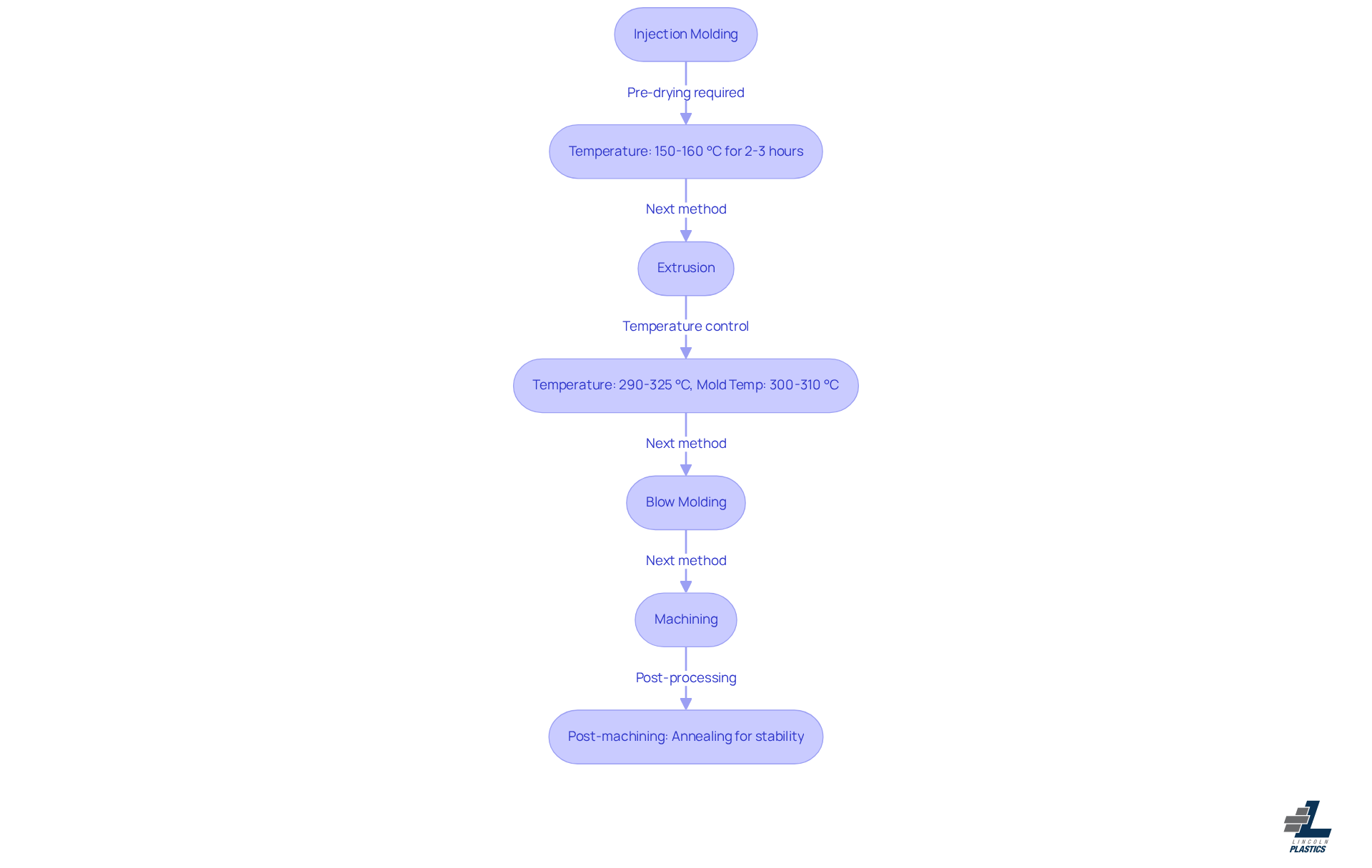
Processing PPS effectively requires a mastery of specific techniques that ensure optimal results. Key methods include:
- Injection Molding: This is the most common method for processing PPS, where the material is heated and injected into molds to create complex shapes. Pre-drying the material at 150-160 °C for 2-3 hours is essential to prevent moisture-related issues, ensuring high-quality output.
- Extrusion: PPS can be extruded into various forms, including sheets, rods, and tubes. The extrusion process typically requires high temperatures between 290-325 °C, with careful control of cooling rates to maintain dimensional stability. Maintaining mold temperatures between 300-310 °C is ideal for achieving optimal crystallization and minimizing warping. We at Lincoln Plastics emphasize best practices in extrusion, particularly for tube profiles, to enhance efficiency and quality, ensuring that our products meet the rigorous standards expected by OEMs.
- Blow Molding: This technique is used for creating hollow PPS products, where air is used to expand the heated material into a mold. This method is particularly effective for producing lightweight parts that require high strength.
- Machining: PPS can also be machined to create precise components. Post-machining processes such as annealing can help relieve internal stresses and improve the material's performance, enhancing its dimensional stability and mechanical properties.
Currently, there's a growing interest in optimizing PPS manufacturing processes. Innovations are focused on enhancing melt strength and reducing production costs. For example, recent advancements in moldable PPS resins have improved the material's toughness and ductility, making it suitable for a broader variety of uses.
At Lincoln Plastics, we take pride in our ISO 9001:2015 certification, which showcases our commitment to quality through a robust quality management program, including dedicated quality plans and in-process checks. By understanding these processing techniques, OEM managers can optimize their manufacturing processes and ensure the production of high-quality PPS components that meet their specifications related to PPS plastic properties. However, managing moisture and ensuring dimensional stability can pose significant challenges during production. Failure to address these issues can lead to compromised product quality and performance.
Conclusion
For OEM managers, mastering polyphenylene sulfide (PPS) is not just beneficial; it's essential for achieving superior product performance. This high-performance thermoplastic stands out for its exceptional thermal stability, chemical resistance, and mechanical strength, making it a preferred choice across various industries. By understanding these characteristics, manufacturers can effectively leverage PPS. This ensures their products meet the rigorous demands of modern applications.
Throughout this article, we've explored key insights into the fundamental properties of PPS, including its low moisture absorption, high tensile strength, and effective electrical insulation. We also highlighted the diverse applications of PPS in sectors such as automotive, industrial equipment, and consumer products, emphasizing its role in enhancing product reliability and performance. Furthermore, the importance of proper processing techniques, such as injection molding and extrusion, was underscored, showcasing how these methods can optimize the use of PPS in manufacturing.
With evolving industry standards, choosing the right materials is more critical than ever. OEM managers are encouraged to consider how these properties can align with their sustainability goals and operational efficiency. By embracing the advantages of PPS, you position your products for success in an increasingly competitive landscape. For tailored solutions and expert guidance on utilizing PPS plastic properties in your projects, reaching out to Lincoln Plastics is a proactive step toward ensuring product success and maintaining a competitive edge in the market.
Frequently Asked Questions
What is polyphenylene sulfide (PPS) plastic?
Polyphenylene sulfide (PPS) is a high-performance thermoplastic known for its exceptional thermal endurance and chemical resistance. It is a semi-crystalline polymer characterized by a unique structure of benzene rings linked by sulfur atoms, giving it a high melting point of around 280 °C.
What are the advantages of using PPS plastic?
The key advantages of PPS plastic include its low hygroscopicity, which means it absorbs minimal moisture, ensuring dimensional stability under varying environmental conditions. This property is particularly beneficial in applications such as agriculture, where equipment may encounter fluctuating humidity and temperature.
How does Lincoln Plastics ensure quality in its products?
Lincoln Plastics employs a rigorous quality management program that includes dedicated quality plans, multiple check gauges, and in-process checks. This commitment to quality is further underscored by their ISO 9001:2015 certification.
Why is it important for OEM managers to understand PPS plastic properties?
Understanding the properties of PPS plastic is crucial for OEM managers as it allows them to effectively utilize these characteristics in their product designs and manufacturing processes, ensuring precision and compliance tailored to their specific needs.
How can OEM managers get tailored solutions from Lincoln Plastics?
OEM managers are encouraged to contact Lincoln Plastics for expert guidance and tailored solutions that meet their specific requirements, ensuring that material selection does not hinder their product's success.
List of Sources
- Explore the Fundamentals of PPS Plastic
- Polyphenylene Sulfide (PPS) Market - Price, Size, Share & Growth (https://coherentmarketinsights.com/market-insight/polyphenylene-sulfide-pps-market-327)
- Polyphenylene Sulfide (PPS) Market | Strategic Assessment and Competitive Analysis (https://stratviewresearch.com/market-reports/polyphenylene-sulfide-market.html)
- Toray develops highly flexible PPS resin (https://plasticstoday.com/materials/toray-develops-highly-flexible-pps-resin)
- Syensqo launches extrudable PPS material for piping applications (https://plasticsnews.com/news/syensqo-launches-extrudable-pps-material-piping-applications)
- Polyphenylene Sulfide (PPS) Fiber Global Industry Overview Report 2026 (https://globenewswire.com/news-release/2026/04/07/3268979/0/en/polyphenylene-sulfide-pps-fiber-global-industry-overview-report-2026.html)
- Analyze Key Properties of PPS Plastic
- PPS plastic: The versatile high-performance thermoplastic for demanding industrial applications - Linseis (https://linseis.com/en/wiki/pps-plastic-the-versatile-high-performance-thermoplastic-for-demanding-industrial-applications)
- Polyphenylene Sulfide (PPS) Plastic: Structure, Material Properties, and Uses (https://specialchem.com/plastics/guide/polyphenylene-sulfide-pps-plastic-guide)
- Polyphenylene Sulfide (PPS) Market | Strategic Assessment and Competitive Analysis (https://stratviewresearch.com/market-reports/polyphenylene-sulfide-market.html)
- Polyphenylene Sulfide (PPS) Fiber Global Industry Overview Report 2026 (https://globenewswire.com/news-release/2026/04/07/3268979/0/en/polyphenylene-sulfide-pps-fiber-global-industry-overview-report-2026.html)
- PPS plastics (https://mcam.com/en/products/pps)
- Examine Applications of PPS Plastic in Industry
- Polyplastics to Launch 40% Glass-Filled Recycled PPS (https://plasticstoday.com/automotive-mobility/polyplastics-to-launch-40-glass-filled-recycled-pps)
- Chevron Phillips Chemical (https://cpchem.com/media-events/news/news-release/chevron-phillips-chemical-offers-pps-resin-nearly-every-application)
- PPS Resin Market Study Provides Key Market Insights with a Projected CAGR of 8.8% and Analysis of Current Trends from 2026 to 2033 (https://linkedin.com/pulse/pps-resin-market-study-provides-key-insights-projected-cagr-04rpe)
- PPS (Polyphenylene Sulfide) (https://rebling.com/products/custom-molding/pps-polyphenylene-sulfide)
- PPS resin market slated for strong growth (https://plasticstoday.com/automotive-mobility/pps-resin-market-slated-for-strong-growth)
- Understand Processing Techniques for PPS Plastic
- Toray develops highly flexible PPS resin (https://plasticstoday.com/materials/toray-develops-highly-flexible-pps-resin)
- PPS Plastic | Material Series for Product Design (https://firstmold.com/guides/pps-plastic)
- Polyphenylene Sulfide (PPS) Plastic: Structure, Material Properties, and Uses (https://specialchem.com/plastics/guide/polyphenylene-sulfide-pps-plastic-guide)
- PPS Role Shapes Up in Thermoforming (https://ptonline.com/articles/pps-role-shapes-up-in-thermoforming)
- PPS plastic | Ensinger (https://ensingerplastics.com/en-us/thermoplastic-materials/pps-plastic)
Related posts

Discover key plastic extrusion process steps that ensure quality and efficiency for OEM managers.


Discover essential FDA compliant plastics for safe and sustainable food packaging solutions.
Discover the essential properties, types, and applications of high temp plastic in various industries.
