
Master Polyethylene Extrusion: Best Practices for Quality and Efficiency
Introduction
Mastering polyethylene extrusion is a big deal for manufacturers looking to boost product quality and streamline operations. This process takes raw polyethylene pellets and turns them into custom profiles, and getting the hang of it can really give you an edge in production. But with technology changing fast and industry standards on the rise, how can manufacturers not just keep up but actually shine?
Let’s dive into some best practices! From picking the right materials to monitoring techniques and cooling processes, there are key strategies that can take your polyethylene extrusion game to the next level. So, are you ready to explore how to elevate your production?
Define Polyethylene Extrusion: Understanding the Process
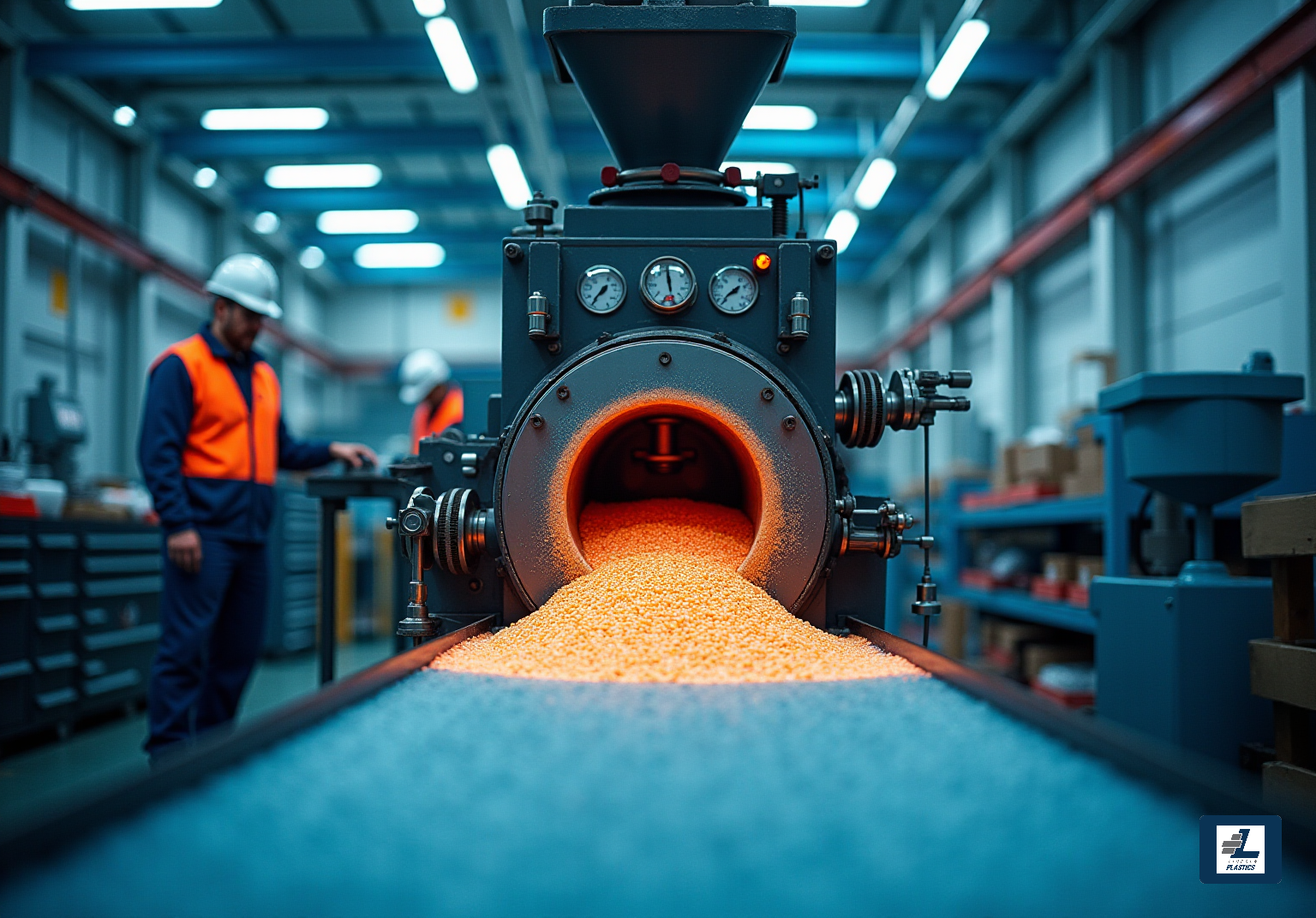
The manufacturing method known as polyethylene extrusion takes raw polyethylene materials, usually in pellet form, and transforms them into continuous profiles. So, how does it work? Well, it all starts when plastic pellets are fed into an extruder. They get heated up until they melt into a gooey state. Then, this molten plastic is pushed through a die, shaping it into whatever profile you need. After that, it cools down and solidifies. Mastering this process is key for boosting efficiency and ensuring the final product is top-notch, especially when it comes to quality control and monitoring from Lincoln Plastics.
Now, let’s talk about temperature control. It’s super important in plastic manufacturing, and guess what? Accuracy has improved to ±1°C across heating zones! This level of control means consistent material processing, which is essential for high-quality outputs. Plus, with automation in the mix - like vision systems that keep an eye on pipe dimensions in real-time - you can make immediate adjustments to parameters. This really amps up production efficiency. Modern shaping lines at Lincoln Plastics even use servo motor controls that cut energy usage by 30-40%, making everything more efficient.
What other factors influence the extrusion process? Well, material properties play a big role. Innovations with barrier mixing sections and optimized compression ratios not only boost output but also help reduce melt temperature variations. This leads to better consistency. Lincoln Plastics works closely with OEMs to ensure their products meet all specifications, including special checks for ‘fit and function’. Real-world examples show just how effective these advancements are; for instance, modern shaping lines can crank out 800-1200 kg/hour for pipes in the 110mm-315mm diameter range. That’s some serious efficiency!
As the industry keeps evolving, understanding these manufacturing methods and their impact on quality becomes more important than ever. Innovations in extrusion technology, including multi-layer coextrusion, enable the creation of profiles with enhanced properties, catering to diverse application needs across various sectors. Lincoln Plastics is all about quality and customization, ensuring their offerings not only meet but exceed industry standards.

Optimize Material Selection and Preparation for Quality Outputs
Choosing the right type of plastic - whether it’s polyethylene, low-density (LDPE), or linear low-density (LLDPE) - is super important for getting the best out of your products. LDPE is known for its flexibility, making it a go-to for things like piping and containers. On the flip side, LLDPE offers strength and durability, which is why it’s perfect for packaging. And then there’s LLDPE, which combines the best of both worlds, offering versatility for those tougher applications.
Now, let’s talk about what’s trending in the market. There’s a growing focus on sustainable polyethylene materials. These additives not only make the products look better but also help them stand up to environmental stressors, which can really extend their lifespan.
But here’s the kicker: how you prepare these materials matters a lot! Proper preparation is key to achieving consistency, which helps prevent issues during the extrusion process. By taking a thoughtful approach to material selection and preparation - keeping in mind what your specific application needs - you can see some serious improvements. So, if you follow these tips, you’ll be on your way to providing top-notch plastic solutions that really meet your clients’ needs!

Implement Effective Monitoring and Control Techniques in Extrusion
When it comes to achieving the best performance out of extrusion, manufacturers really need to focus on solid monitoring. Think about it: factors like temperature, pressure, and material flow rate should be watched closely. By setting up control systems, operators can make quick, informed decisions. For instance, if you integrate sensors to keep an eye on temperature, you can prevent overheating, which could mess with the material properties.
Now, let’s talk about another important tool: monitoring techniques. These can help you spot trends and variations in your shaping technique, allowing for proactive adjustments. Plus, don’t forget about maintenance of your equipment and calibrating your instruments. This is key to ensuring accuracy and reliability in production, which ultimately boosts quality and efficiency. So, why not take these steps to enhance your processing today?

Enhance Cooling and Cutting Processes for Optimal Product Quality
Cooling is super important in polyethylene extrusion because it helps solidify molten polyethylene into its final shape. You might be wondering what the cooling methods are. Well, there are a few options like:
- Water baths
- Air cooling
- Contact cooling with chill rolls
Each method has its perks, and the choice really depends on what you’re extruding. For instance, water baths are often the go-to for pipes and profiles since it cools things down quickly.
Now, let’s talk about cutting. It’s crucial to manage this step carefully to ensure clean cuts without damaging the extruded material. Using cutting tools, like:
- Guillotine cutters
- Rotary cutters
can really boost precision and help reduce waste. By implementing these best practices in cooling and cutting, you can significantly enhance the quality and consistency of your products.
And here’s something cool: Lincoln Plastics’ products and Flexiduct solutions not only make the extrusion process smoother but also improve safety by preventing hazards from loose cords. By designing equipment tailored to OEM specifications, Lincoln Plastics makes sure that safety and efficiency are top priorities in every product.

Conclusion
Mastering the polyethylene extrusion process is key to achieving high quality and efficiency in production. Think about it: from melting plastic pellets to cooling and cutting, understanding these steps can really boost your output and help you meet those tough industry standards.
Now, let’s talk about some important insights. Precise temperature control, smart material selection, and solid monitoring techniques are crucial. Innovations like advanced screw designs and real-time data collection systems can help you optimize every phase of the extrusion process. Plus, when you implement best practices in cooling and cutting, you not only enhance product quality but also cut down on waste. Who wouldn’t want greater operational efficiency?
As the polyethylene extrusion landscape keeps evolving, embracing these best practices is vital for staying competitive. By focusing on quality, customization, and continuous improvement, you can not only meet but exceed customer expectations. Your commitment to excellence in polyethylene extrusion not only boosts product performance but also sets the stage for sustainable growth in the industry. So, why not take these insights to heart and see how they can transform your production process?
Frequently Asked Questions
What is polyethylene extrusion?
Polyethylene extrusion is a manufacturing method that transforms raw polyethylene materials, typically in pellet form, into continuous profiles by melting the pellets and shaping the molten plastic through a die.
How does the polyethylene extrusion process work?
The process begins with feeding plastic pellets into an extruder, where they are heated until melted. The molten plastic is then pushed through a die to form the desired shape, after which it cools down and solidifies.
Why is temperature regulation important in polyethylene extrusion?
Temperature regulation is crucial because accurate control of heating zones (with a precision of ±1°C) ensures consistent material processing, which is essential for producing high-quality outputs.
What role does automation play in polyethylene extrusion?
Automation, including vision systems that monitor pipe dimensions in real-time, allows for immediate adjustments to production parameters, enhancing production accuracy and efficiency.
How do modern shaping lines improve energy efficiency in polyethylene extrusion?
Modern shaping lines utilize servo motor controls, which can reduce energy usage by 30-40%, contributing to overall efficiency in the extrusion process.
What factors influence the polyethylene extrusion process?
Key factors include material flow, die design, and advanced screw designs that improve output and reduce melt temperature variations, leading to better consistency in the final product.
What is the significance of working with OEMs in polyethylene extrusion?
Collaborating with Original Equipment Manufacturers (OEMs) ensures that products meet quality standards and undergo special checks for 'fit and function'.
What are some examples of production efficiency in polyethylene extrusion?
Modern shaping lines can produce between 800-1200 kg/hour for pipes with diameters ranging from 110mm to 315mm, demonstrating significant efficiency in production.
How is innovation impacting polyethylene extrusion technology?
Innovations such as multi-layer coextrusion allow for the creation of profiles with enhanced properties, meeting diverse application needs across various sectors.
What is Lincoln Plastics' commitment in the polyethylene extrusion industry?
Lincoln Plastics is dedicated to quality and customization, ensuring that their products not only meet but exceed industry standards.
List of Sources
- Define Polyethylene Extrusion: Understanding the Process
- natlawreview.com (https://natlawreview.com/press-releases/leading-innovation-top-plastic-pipe-extrusion-line-manufacturer-advances)
- The Extrusion Industry in 2025: Innovations, Trends, and Opportunities (https://plextrusions.com/extrusion-blog/the-extrusion-industry-in-2025-innovations-trends-and-opportunities)
- plasticsnews.com (https://plasticsnews.com/news/weber-extrusion-tackles-wear-recyclates)
- Optimize Material Selection and Preparation for Quality Outputs
- shobeirshimi.com (https://shobeirshimi.com/ldpe-lldpe-and-hdpe)
- lincoln-plastics.com (https://lincoln-plastics.com/news-post/4-best-practices-for-sourcing-polyethylene-extrusions-effectively)
- vem-tooling.com (https://vem-tooling.com/ldpe-vs-hdpe)
- Best Practices for Designing High-Quality Extruded Parts (https://resmart.com/news/post/best-practices-for-designing-high-quality-extruded-parts.html)
- Implement Effective Monitoring and Control Techniques in Extrusion
- interplasinsights.com (https://interplasinsights.com/plastics-industry-news/Plastic-industry-events-conferences-news/the-future-of-extrusion-promix-solutions-at-k-2025)
- plasticstoday.com (https://plasticstoday.com/extrusion-pipe-profile/advances-in-real-time-monitoring-of-polymer-melt-viscosity-during-extrusion)
- hilscher.com (https://hilscher.com/solutions/success-stories/success-story-data-driven-process-optimization-in-plastic-extrusion)
- sciencedirect.com (https://sciencedirect.com/science/article/pii/S2665917422000150)
- plasticstoday.com (https://plasticstoday.com/extrusion-pipe-profile/guill-tool-launches-advanced-labs-for-extrusion-industry)
- Enhance Cooling and Cutting Processes for Optimal Product Quality
- ptonline.com (https://ptonline.com/articles/maximize-the-cooling-capacity-of-your-extrusion-line)
- 10 Innovative Extrusion Plastic Products for OEM Needs (https://lincoln-plastics.com/news-post/10-innovative-extrusion-plastic-products-for-oem-needs)
- worldbusinessoutlook.com (https://worldbusinessoutlook.com/3-innovations-in-cutting-technology-that-are-reshaping-the-industry)
- paulmurphyplastics.com (https://paulmurphyplastics.com/industry-news-blog/the-importance-of-cooling-in-plastic-extrusion)
- New 3D printing extrusion system redefines limits | ORNL (https://ornl.gov/news/new-3d-printing-extrusion-system-redefines-limits)


