
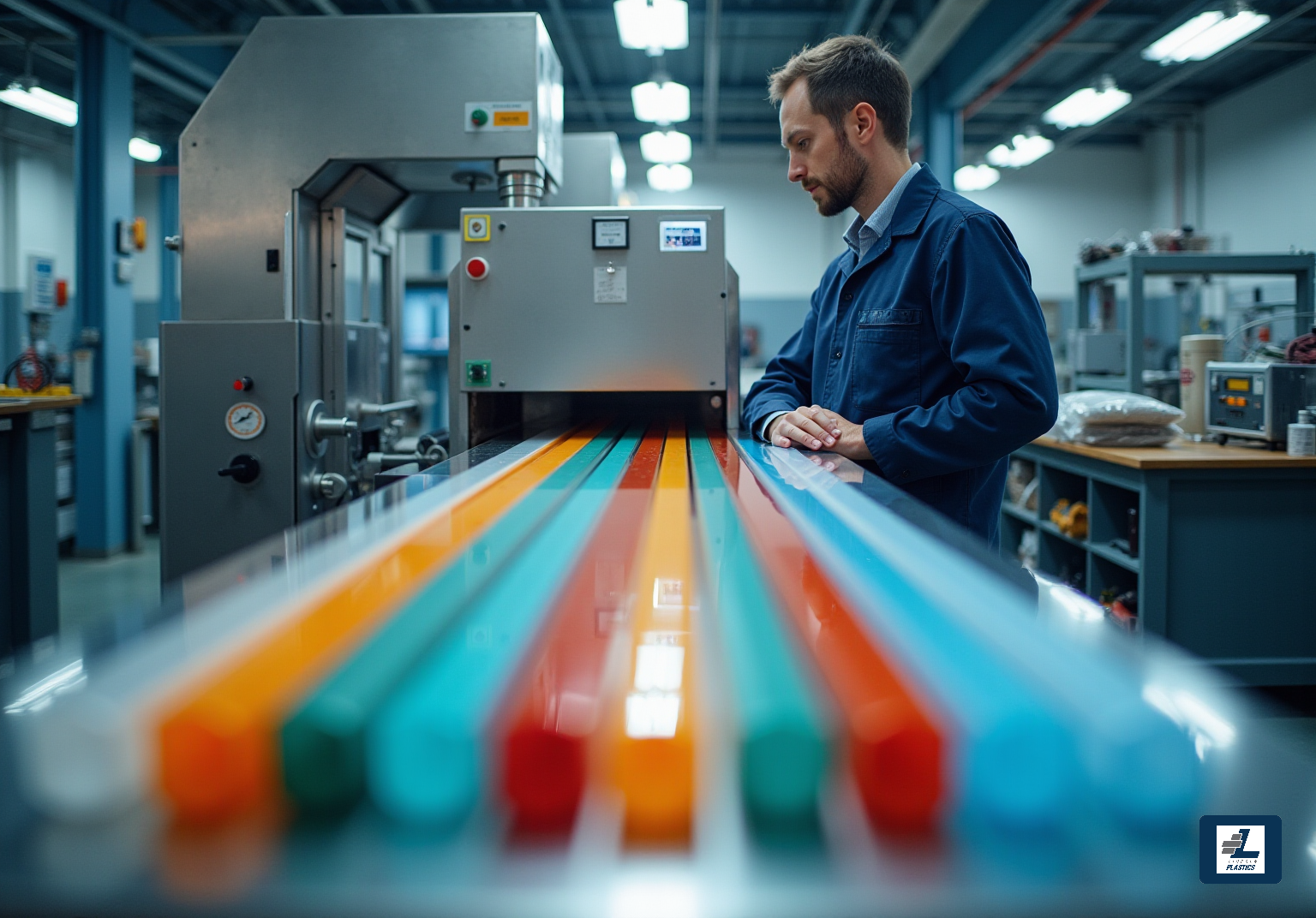
Master Polycarbonate Extrusion: Best Practices for OEM Purchasing Managers
Introduction
Navigating the world of polycarbonate extrusion can feel like a wild ride, right? It’s a landscape buzzing with opportunities for innovation and efficiency. As OEM purchasing managers, you’re often faced with the challenge of sourcing materials. Understanding the unique properties and processing techniques of polycarbonate is key to making that journey smoother.
So, what’s the scoop? This article dives into some best practices that not only boost product quality but also streamline your purchasing process. You might be wondering, how can you leverage these insights to stay ahead in a competitive market? And how do you ensure you’re meeting the ever-evolving demands of your applications? Let’s explore these questions together!
Understand the Fundamentals of Polycarbonate Extrusion
Polycarbonate (PC) is quite the versatile thermoplastic! It's known for its amazing strength, optical clarity, and durability. But let’s break down the shaping process a bit, shall we? It involves extruding pellets by melting and pushing them through a die to create continuous profiles. Here are some key things to keep in mind:
- Material Properties: Polycarbonate is impressive when it comes to impact resistance and can handle extreme temperatures. This makes it perfect for a variety of applications. Did you know it can absorb energy up to 250 times more than glass? That’s what makes it a top pick among thermoplastics!
- Processing Conditions: Keeping the temperature just right—usually between 270-320°C—is super important. Why? Because it helps prevent any degradation of the material during shaping. This careful control ensures that the final product keeps its desired properties and performance.
- Die Design: The die design is crucial for shaping. It really affects the final product's dimensions and surface finish. A well-designed die helps with consistent flow and reduces flaws, which is key for quality assurance.
By getting a handle on these basics, purchasing managers can better evaluate suppliers and their capabilities in producing top-notch products. This way, they can ensure that the products meet the specifications. So, are you ready to dive deeper into the world of polycarbonate?
Leverage the Advantages of Polycarbonate in Extrusion
is a fantastic choice, especially for Lincoln Plastics' products. Let’s dive into why this material stands out:
- Durability: Imagine a material that can take a hit without cracking. That’s polycarbonate for you! It’s perfect for safety applications like protective shields and eyewear, which is super important for keeping workplaces safe, especially with Lincoln Plastics' offerings.
- Transparency: Did you know polycarbonate boasts a light transmission rate of up to 92%? This makes it ideal for applications needing transparency, like lenses and light covers. It really aligns with the company’s commitment to quality.
- Temperature Resistance: Polycarbonate keeps its cool across a wide temperature range. With a melting point of 120°C and short-term exposure capabilities up to 155°C, it’s great for both indoor and outdoor applications. This is essential for product reliability, right?
- Versatility: This material is a dream to work with! It can be shaped into all sorts of intricate forms, allowing for creative designs in various sectors like automotive, construction, and electronics. It really showcases the company’s expertise in innovation.
Since 1948, Lincoln Plastics has been leading the way in providing tailored solutions. By understanding and leveraging these advantages, OEM purchasing managers can make smarter decisions that boost performance and customer satisfaction. So, why not explore how Lincoln Plastics can help you with your specific needs?
Optimize the Extrusion Process for Quality and Efficiency
To get the best results in extrusion, let’s chat about some key practices you should consider:
- Temperature Control: You know how temperature swings can mess things up? They can really lead to defects in your final product. By using advanced temperature regulation systems, you can ensure consistent heating during the shaping process. This is super important for maintaining the integrity of materials.
- Extruder Speed: The speed of your extruder plays a huge role in how the material flows and cools. Adjusting this speed can actually enhance the quality of your final product by optimizing the melting and blending stages. So, make it a habit to regularly monitor and tweak those speed settings to get consistent results.
- Quality Control: Implementing strict quality control checks at every stage of the extrusion process is crucial. At Lincoln Plastics, we partner closely with OEMs to ensure that all products meet quality standards, including special checks for ‘fit and function’. Catching defects early, like warping or air bubbles, can really cut down on waste and help you stay compliant with industry specs. Techniques like statistical process control can help you keep an eye on important metrics like Cpk and Ppk, which measure process capability and performance. A Cpk score of 1.33 or higher shows you’ve got a capable production line, while a Ppk score below that might mean you’re risking resin waste. Plus, we use various check gauges to ensure everything fits just right and can source colors that match your Pantone specs for consistency across manufacturers.
- Don’t Forget Maintenance: Keeping your shaping machinery in tip-top shape is essential to avoid breakdowns and ensure reliable production quality. Setting up a routine for inspections and maintenance can help you maintain optimal performance and extend the life of your machinery.
By focusing on these key aspects of the extrusion process, OEM purchasing managers can really boost quality while also cutting down on costs. The importance of extruder speed and temperature regulation in extrusion can’t be overstated—they’re vital for creating products that meet strict industry standards. And with Lincoln Plastics’ solid quality system, which includes a dedicated quality book for each plastic profile, you can be sure that all products are consistent, supporting OEMs in their quest for excellence.

Incorporate Advanced Techniques and Technologies in Extrusion
To keep your edge in the plastic extrusion market, OEM purchasing managers should definitely check out some techniques that can make a real difference:
- Co-extrusion: Ever thought about combining materials in a single extrusion process? Co-extrusion does just that! It results in products with enhanced properties, like better barrier performance and eye-catching finishes. For example, the use of co-extruded profiles not only offers durability but also looks great, making them perfect for a variety of applications.
- 3D printing: Now, let’s talk about 3D printing. When you mix this tech with traditional molding processes, you get flexibility and customization. This combo lets manufacturers respond quickly to market demands, cutting down lead times and speeding up product development. Think about it: producing complex shapes that would be tough to achieve with conventional extrusion alone becomes a breeze!
- Automation: You might be wondering how to optimize production. Well, implementing automated systems and using data analytics can really help! By keeping an eye on production metrics in real-time, manufacturers can reduce human error and boost efficiency. This not only simplifies operations but also supports smarter decision-making, leading to better quality and consistency.
- Sustainability: And let’s not forget about sustainability! Embracing eco-friendly methods, like recycling scrap materials and using green additives, can significantly lower the environmental impact of production. This commitment resonates with consumers who care about the planet and can really enhance brand reputation in a market that’s increasingly focused on eco-friendly solutions.
By adopting these strategies, OEM purchasing managers can elevate their product offerings and operational efficiencies. So, why not take the leap and position yourself as a leader in the ever-evolving plastic extrusion industry?
Conclusion
Mastering polycarbonate extrusion is super important for OEM purchasing managers who want to boost product quality and operational efficiency. When you get to know the ins and outs of this versatile thermoplastic - from its amazing properties to the details of the extrusion process - you’re better equipped to make smart decisions that fit your application needs. By tapping into the benefits of polycarbonate, like its high impact resistance and optical clarity, your organization can create outstanding products while keeping a competitive edge in the market.
Now, let’s talk about some key insights from this article. It’s all about:
- Temperature regulation
- Extruder speed
- Strict quality control to get the best results
Plus, using advanced techniques like:
- Co-extrusion
- 3D printing integration
- Automation
can really streamline your production processes. This leads to innovative solutions that meet the ever-changing demands of consumers. And don’t forget, embracing sustainable practices not only boosts your brand’s reputation but also connects with a growing audience that values eco-friendly options.
In conclusion, by adopting best practices and staying updated on the latest trends in polycarbonate extrusion, OEM purchasing managers can make a real difference in their operations. A commitment to quality, efficiency, and innovation doesn’t just drive customer satisfaction; it also positions your company as a leader in the fast-paced world of plastic manufacturing. So, why not embrace these strategies and take proactive steps to enhance your approach to polycarbonate extrusion? Your products - and your customers - will definitely thank you!
Frequently Asked Questions
What is polycarbonate and what are its key properties?
Polycarbonate (PC) is a versatile thermoplastic known for its excellent impact resistance, optical clarity, and thermal stability. It has impressive dimensional stability and can handle extreme temperatures, absorbing energy up to 250 times more than glass.
What is the process of polycarbonate extrusion?
Polycarbonate extrusion involves melting polycarbonate pellets and pushing them through a die to create continuous profiles. This process shapes the material into the desired form.
What are the ideal processing conditions for polycarbonate extrusion?
The ideal processing temperature for polycarbonate extrusion is usually between 270-320°C. Maintaining this temperature is crucial to prevent degradation of the material during shaping, ensuring the final product retains its desired properties and performance.
Why is die design important in polycarbonate extrusion?
Die design is crucial because it affects the final product's dimensions and surface finish. A well-designed die promotes consistent flow and reduces flaws, which is essential for producing high-quality outputs.
How can OEM purchasing managers benefit from understanding polycarbonate extrusion?
By understanding the fundamentals of polycarbonate extrusion, OEM purchasing managers can better evaluate suppliers and their capabilities in producing high-quality polycarbonate products, ensuring they meet the demands of their applications.
List of Sources
- Understand the Fundamentals of Polycarbonate Extrusion
- US Polycarbonate Manufacturing Gets Major Boost (https://plasticstoday.com/extrusion-film-sheet/us-polycarbonate-manufacturing-gets-major-boost)
- ud-machine.com (https://ud-machine.com/blog/pc-extrusion)
- databridgemarketresearch.com (https://databridgemarketresearch.com/reports/global-polycarbonate-market?srsltid=AfmBOoqQPrxg6lOW7Ho0Ek0MIWjnTCixZuqHXxpXWUi-VzBaSusdQNlX)
- ptsmake.com (https://ptsmake.com/what-are-the-key-advantages-of-polycarbonate-in-manufacturing)
- Leverage the Advantages of Polycarbonate in Extrusion
- sinhaiplast.com (https://sinhaiplast.com/blog/the-superior-impact-resistance-of-polycarbonate-glazing)
- ptsmake.com (https://ptsmake.com/what-are-the-key-advantages-of-polycarbonate-in-manufacturing)
- stabilitamerica.com (https://stabilitamerica.com/blog/how-durable-is-polycarbonate)
- gonplastics.com (https://gonplastics.com/a-the-rise-of-polycarbonate-manufacturers-innovations-in-shaping-the-future.html)
- cbs42.com (https://cbs42.com/business/press-releases/ein-presswire/850014720/polycarbonate-vs-acrylic-a-new-interstate-plastics-guide-for-industry-professionals)
- Optimize the Extrusion Process for Quality and Efficiency
- Plastics Extrusion: 4 Critical Statistics to Track for Increased Quality & Plant Profit (https://gaugeadvisor.com/2025/05/26/plastics-extrusion-4-critical-statistics-to-track-for-increased-quality-plant-profit)
- The Importance of Quality Control in Plastic Extrusion Manufacturing - Craftedplastics (https://craftedplastics.com/blog/the-importance-of-quality-control-in-plastic-extrusion-manufacturing)
- cowellextrusion.com (https://cowellextrusion.com/key-points-when-choosing-a-plastic-extruder-machine)
- Incorporate Advanced Techniques and Technologies in Extrusion
- The Extrusion Industry in 2025: Innovations, Trends, and Opportunities (https://plextrusions.com/extrusion-blog/the-extrusion-industry-in-2025-innovations-trends-and-opportunities)
- mordorintelligence.com (https://mordorintelligence.com/industry-reports/3d-printing-market)
- market.us (https://market.us/report/the-additive-manufacturing-market)
Related posts

Why Custom Pipe Extrusion Matters More Than Ever
Standard pipe sizes don’t always work. Learn how Lincoln Plastics delivers custom diameters, wall thicknesses, and finishes in right-sized runs.


Reducing Trip Hazards with Custom Cord Management
Loose cords are more than messy — they’re a safety hazard. Lincoln Plastics’ custom cord covers and Flexiduct solutions improve safety and efficiency.
The Power of Custom Plastic Profiles for OEMs
Off-the-shelf profiles force compromises. Learn how Lincoln Plastics designs custom extruded profiles for OEMs with exact specs and right-sized runs.
