
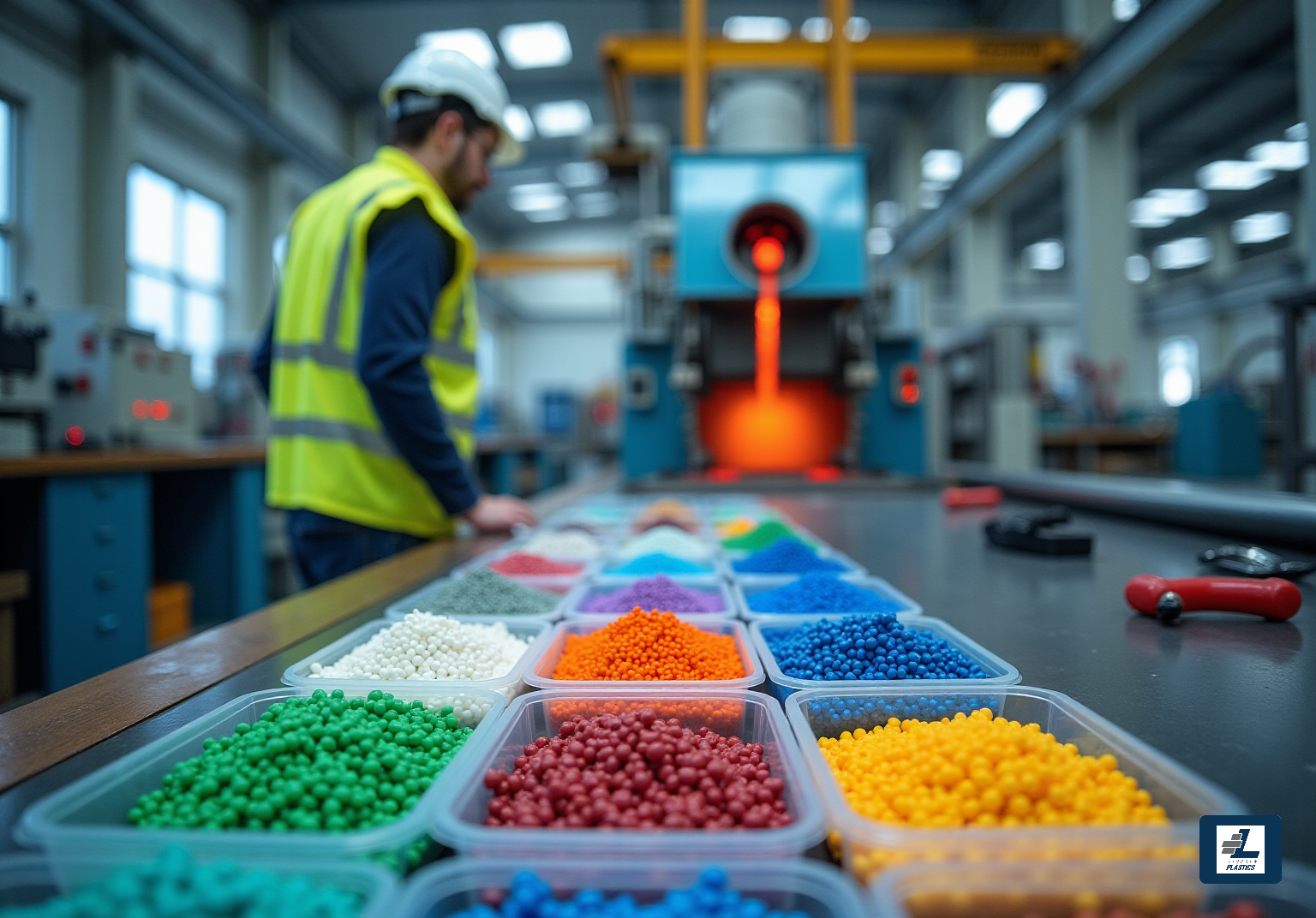
Master Plastics for Extrusion: Key Practices for OEM Purchasing Managers
Introduction
Mastering the art of plastic extrusion is super important for OEM purchasing managers who want to optimize their production processes. With so many materials out there, getting a grip on the unique properties and applications of each type can really make a difference in product quality and performance. But here’s the kicker: navigating the complexities of material selection, supplier relationships, and cost management in this fast-paced industry can be quite a challenge.
So, what can purchasing managers do to make sure they’re making informed and effective choices in this crucial area? Let’s dive into some strategies that can help you tackle these challenges head-on!
Identify Suitable Plastic Materials for Extrusion
Choosing the right plastics for extrusion is super important to meet the unique needs of different applications. Let’s break down some key players:
- Polyethylene: This one’s a favorite! Known for its flexibility and impact resistance, PE is perfect for situations where you need something durable and tough.
- Polypropylene: Lightweight and strong, PP shines with its amazing chemical resistance. It’s a go-to for a wide range of industrial applications. Plus, thanks to new production technologies, it’s becoming even more popular in fields like automotive and packaging.
- Polyvinyl Chloride: If you need something rigid, PVC is your best bet. It’s commonly used in construction and plumbing because it’s strong and long-lasting.
- Acrylonitrile Butadiene Styrene: This material combines strength with toughness, making it a top choice for consumer products and automotive parts. It strikes a great balance between performance and looks.
Now, if you’re a purchasing manager, it’s crucial to take a close look at the properties, thermal stability, and chemical resistance of plastics for extrusion. You want to make sure they meet your application needs. And here’s a tip from Lincoln Plastics: it’s all about ensuring that your products hit the mark on performance. We have a solid quality control system in place, complete with a dedicated team for each plastic profile. This includes essential in-process checks and documentation, plus we use various check gauges to ensure everything fits just right for its intended use.
Also, don’t forget about the regulations and industry standards when making your choices. We can even provide certifications, ensuring consistency across all your products. So, what do you think? Ready to dive into the world of plastic materials?

Understand the Plastic Extrusion Process
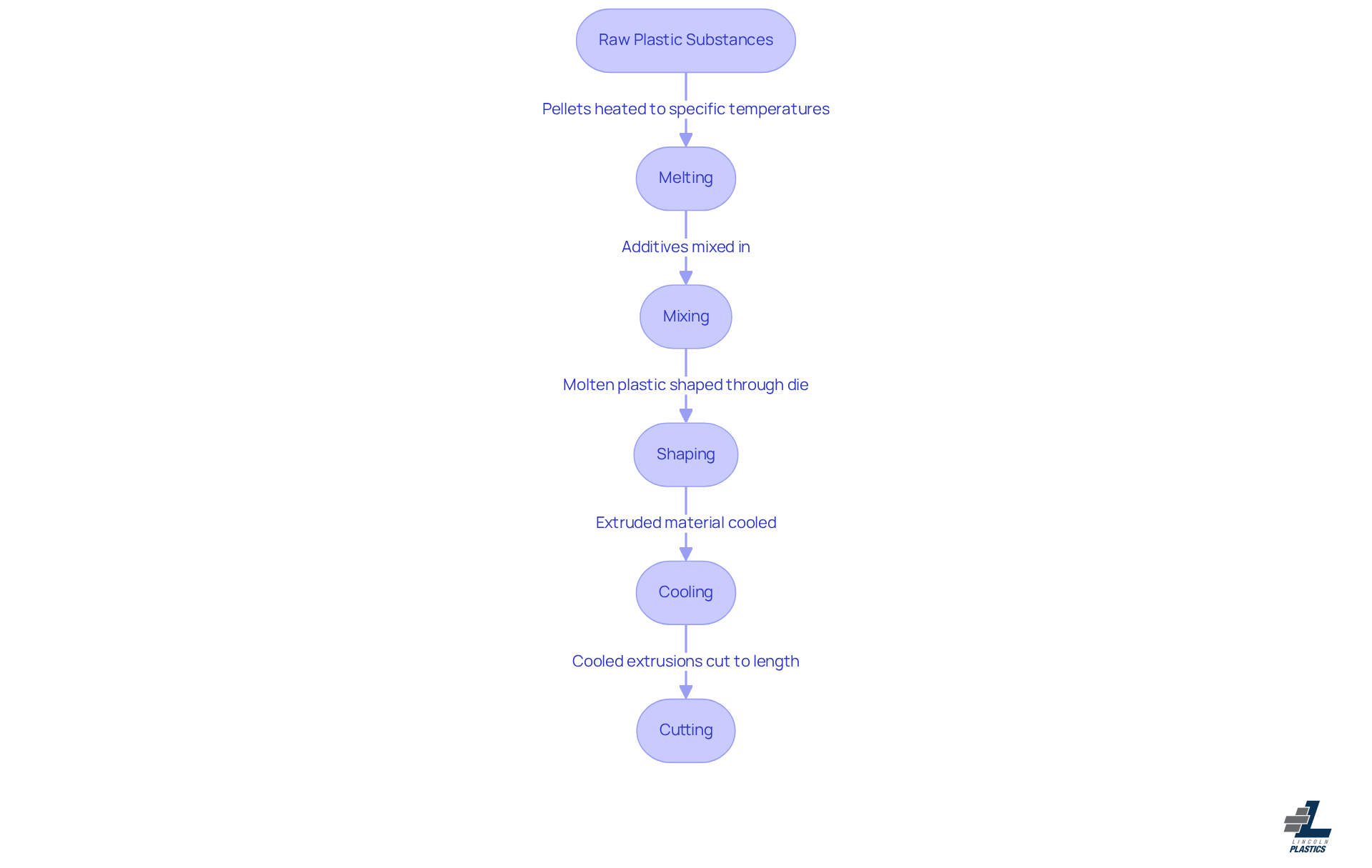
Let’s dive into the plastics for extrusion. It’s made up of several key stages that are super important for creating products.
First up, we start with raw materials, usually in pellet form. This initial step is crucial because it sets the stage for the entire process.
Now, let’s talk about melting. The pellets get heated to specific temperatures, which can vary based on the type of plastic. For example, polyethylene melts at around 120-180°C, while polyvinyl chloride (PVC) needs temperatures between 160-220°C. Getting that just right is vital to make sure the plastic becomes pliable and ready for shaping.
Next comes mixing. This is where additives might be thrown in to boost the material's properties, like color, strength, or UV resistance. It’s a key step for tailoring the final product to meet specific needs.
Then we have shaping. The molten plastic is pushed through a die, which gives it the desired profile. The design of that die is super important because it directly impacts the final dimensions and quality of the extruded product.
After shaping, we cool things down. The material needs to be cooled to solidify into its final form. Effective cooling is essential to keep everything stable and prevent any warping.
Finally, we get to cutting. The cooled extrusions are sliced to the required lengths, making them ready for packaging or further processing.
Understanding these stages is really important for dealing with suppliers. It helps them evaluate and ensure that the process aligns with their product specifications. By focusing on substance feeding and melting, OEMs can enhance their production processes and elevate product standards. So, what do you think? Ready to explore more about how these processes can impact your work?
Evaluate Key Selection Criteria for Plastics
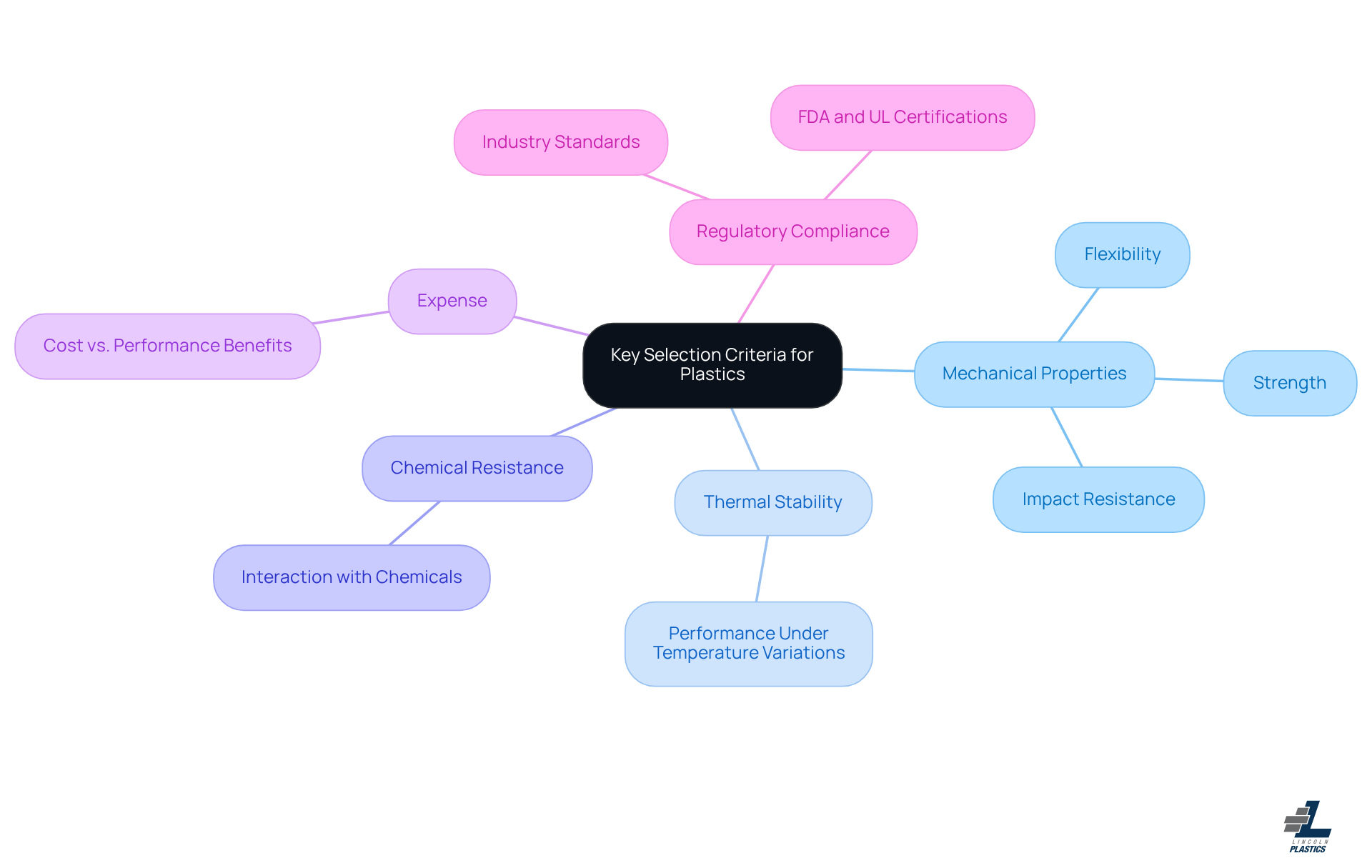
When you're looking at plastics for extrusion, there are a few key things to keep in mind:
- Strength: Think about strength, durability, and impact resistance. You want to make sure the material can handle whatever demands come its way. At Lincoln Plastics, we team up with OEMs to ensure that the materials we choose meet all requirements, including specific checks for fit and function.
- Temperature: How well does the material perform under different temperature conditions? That’s something to consider.
- Chemical Resistance: It’s important to know how the material interacts with any chemicals it might encounter during use.
- Expense: Let’s talk about costs. You’ll want to weigh the costs against their performance benefits to stay within budget. Lincoln Plastics is here to help with specification sheets and expert advice to guide you in picking the right material for your needs.
- Compliance: Don’t forget about compliance! Make sure the materials meet industry standards and regulations, like FDA or UL certifications, especially if you’re working in food or medical applications.
By taking a closer look at these criteria and leveraging Lincoln Plastics' expertise in materials and processes for plastics for extrusion, purchasing managers can make smart choices that fit both operational needs and budget constraints. So, what do you think? Ready to dive into the world of plastics with us?
Establish Reliable Supplier Relationships and Manage Costs
is key to ensuring excellence and reliability in the production of plastic products. So, let’s dive into some strategies that can really make a difference:
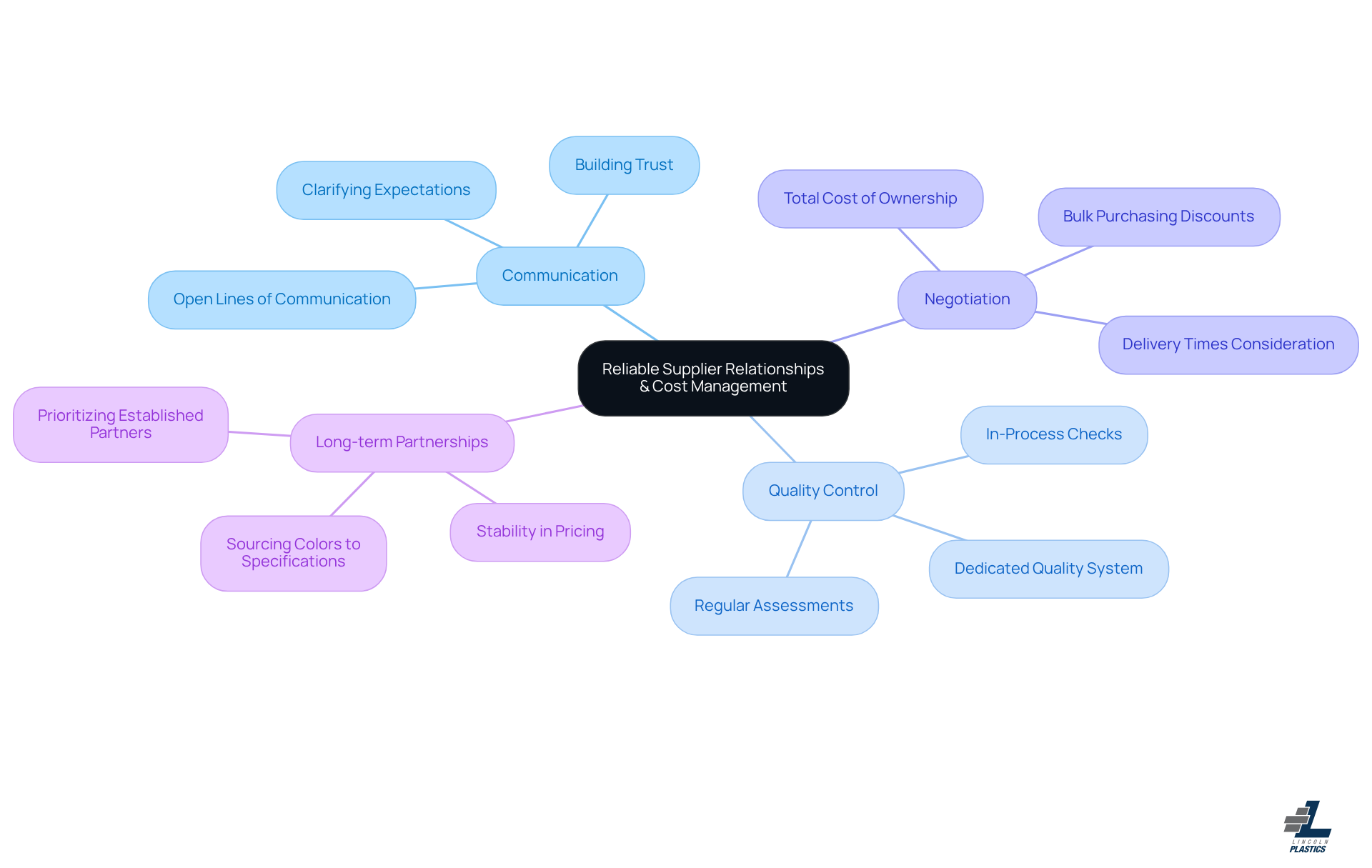
- Communication: Keeping those lines of communication open with your suppliers is crucial. It helps clarify expectations and specifications, and you can quickly address any potential issues. When you communicate effectively, you build trust and reduce misunderstandings, which can really impact production quality. At Lincoln Plastics, we work closely with OEMs to make sure their products meet all standards, including specific inspections for 'fit and function' using various check gauges.
- Quality controls are a must to ensure your suppliers consistently meet your standards. Our solid quality system includes a dedicated quality book for your plastic profile, packed with drawings, specifications, and run documentation to ensure precision and compliance.
- Negotiation: When it comes to negotiations, think beyond just the unit price. Focus on the total cost of ownership. Consider delivery times, payment terms, and bulk purchasing discounts to create a more comprehensive value proposition. Strong negotiations can lead to better pricing.
- Relationship building: Building long-term relationships with suppliers can really pay off. It brings stability in pricing and availability, and suppliers are more likely to prioritize the needs of established partners. For instance, by sourcing colors that meet your Pantone specifications, Lincoln Plastics ensures consistency across manufacturers, boosting the reliability of your supply chain.
By focusing on these strategies, purchasing managers can enhance supply chain efficiency, cut costs, and secure high-quality materials, specifically for their production needs. So, why not start implementing these ideas today?
Conclusion
Choosing the right plastics for extrusion is super important - it can really make or break your project. When you get to know the unique properties and perks of materials like polyethylene, polypropylene, PVC, and ABS, you’re setting yourself up for success. This article highlights how crucial it is not just to pick the right materials but also to understand the ins and outs of the extrusion process and what to look for when evaluating plastics.
Let’s talk about some key points. Mechanical properties, thermal stability, chemical resistance, and regulatory compliance are all big players in the material selection game. Plus, building solid relationships with suppliers and keeping costs in check through good communication, quality control, and smart negotiation can really boost your supply chain efficiency. By following these best practices, OEMs can snag high-quality plastics that fit their needs without breaking the bank.
But remember, diving into the world of plastics for extrusion isn’t just about the materials themselves; it’s about creating partnerships and rolling out strategies that spark innovation and sustainability. As the industry keeps evolving, embracing these practices will not only improve product quality but also help purchasing managers tackle the challenges and seize the opportunities that come their way in the plastic extrusion landscape. So, let’s keep the conversation going and explore how we can make the most of these insights together!
Frequently Asked Questions
Why is choosing the right plastic material important for extrusion?
Choosing the right plastics for extrusion is crucial to meet the unique needs of different applications, ensuring durability, performance, and suitability for specific uses.
What are the key types of plastics suitable for extrusion?
The key types of plastics suitable for extrusion include Polyethylene (PE), Polypropylene (PP), Polyvinyl Chloride (PVC), and Acrylonitrile Butadiene Styrene (ABS).
What are the characteristics of Polyethylene (PE)?
Polyethylene (PE) is known for its flexibility and impact resistance, making it ideal for applications that require durability and toughness.
What makes Polypropylene (PP) a popular choice for industrial applications?
Polypropylene (PP) is lightweight, strong, and exhibits excellent chemical resistance, making it suitable for a wide range of industrial applications, including automotive and packaging.
Why is Polyvinyl Chloride (PVC) commonly used in construction?
Polyvinyl Chloride (PVC) is rigid, strong, and long-lasting, which makes it a preferred material for construction and plumbing applications.
What are the benefits of using Acrylonitrile Butadiene Styrene (ABS)?
Acrylonitrile Butadiene Styrene (ABS) combines strength with toughness, making it an excellent choice for consumer products and automotive parts due to its balance of performance and aesthetics.
What factors should a purchasing manager consider when selecting plastics for extrusion?
A purchasing manager should consider mechanical properties, thermal stability, and chemical resistance of plastics to ensure they meet specific application needs.
How does Lincoln Plastics ensure quality in their extrusion products?
Lincoln Plastics maintains a solid quality system with a dedicated quality book for each plastic profile, including in-process checks, documentation, and the use of various check gauges to ensure proper fit for intended uses.
What additional considerations should be taken into account when choosing plastic materials?
It's important to consider the environmental impact and industry standards when selecting plastic materials for extrusion.
Can Lincoln Plastics customize colors for their products?
Yes, Lincoln Plastics can customize colors to match Pantone specifications, ensuring consistency across all products.
List of Sources
- Identify Suitable Plastic Materials for Extrusion
- The Extrusion Industry in 2025: Innovations, Trends, and Opportunities (https://plextrusions.com/extrusion-blog/the-extrusion-industry-in-2025-innovations-trends-and-opportunities)
- expertmarketresearch.com (https://expertmarketresearch.com/reports/polypropylene-market)
- polarismarketresearch.com (https://polarismarketresearch.com/industry-analysis/global-polypropylene-market)
- researchnester.com (https://researchnester.com/reports/polyethylene-market/439)
- Understand the Plastic Extrusion Process
- The Extrusion Industry in 2025: Innovations, Trends, and Opportunities (https://plextrusions.com/extrusion-blog/the-extrusion-industry-in-2025-innovations-trends-and-opportunities)
- renoirgroup.com (https://renoirgroup.com/case_studies/plastics/redefining-success-in-plastic-film-manufacturing-a-strategic-approach-to-achieving-competitive-advantage)
- longshengmfg.com (https://longshengmfg.com/the-ultimate-guide-to-plastic-extrusion-principles-materials-process)
- How to Collect & Interpret Process Data in Extrusion (https://ptonline.com/articles/how-to-collect-interpret-process-data-in-extrusion-part-1(2))
- Evaluate Key Selection Criteria for Plastics
- lincoln-plastics.com (https://lincoln-plastics.com/news-post/master-profile-extrusion-key-practices-for-oem-success)
- Choosing the Right Plastic for Your Extrusion (https://paulmurphyplastics.com/industry-news-blog/choosing-the-right-plastic-for-your-extrusion)
- Plastic vs Metal Extrusions for OEMs by Amfas International (https://amfasinternational.com/newsroom/plastic-vs-metal-extrusions-key-differences-strategic-trade-offs-use-cases)
- Plastics Extrusion Market Research Report 2034 (https://dataintelo.com/report/plastics-extrusion-market)
- Establish Reliable Supplier Relationships and Manage Costs
- 11 Great Quotes for Procurement Professionals | Vroozi (https://vroozi.com/blog/11-great-quotes-for-procurement-professionals)
- 5 Steps to Evaluate Reliable Extrusion Suppliers for Your Needs (https://lincoln-plastics.com/news-post/5-steps-to-evaluate-reliable-extrusion-suppliers-for-your-needs)
- georgevrakas.com (https://georgevrakas.com/2014/02/27/10-quotes-for-successful-procurement-and-contract-management)
- scmtalent.com (https://scmtalent.com/supplier-relationship-management)
- sophus.ai (https://sophus.ai/how-to-build-enduring-relationships-with-strategic-manufacturing-suppliers-in-2025)
Related posts

Why Custom Pipe Extrusion Matters More Than Ever
Standard pipe sizes don’t always work. Learn how Lincoln Plastics delivers custom diameters, wall thicknesses, and finishes in right-sized runs.


Reducing Trip Hazards with Custom Cord Management
Loose cords are more than messy — they’re a safety hazard. Lincoln Plastics’ custom cord covers and Flexiduct solutions improve safety and efficiency.
The Power of Custom Plastic Profiles for OEMs
Off-the-shelf profiles force compromises. Learn how Lincoln Plastics designs custom extruded profiles for OEMs with exact specs and right-sized runs.
