

Master Plastic Selection: A Guide for OEM Purchasing Managers
Introduction
For OEM purchasing managers, mastering the complexities of plastic materials is crucial for elevating product quality and performance. Navigating the myriad of options can be overwhelming for purchasing managers. The right selection can significantly impact manufacturing efficiency and sustainability.
How can managers effectively navigate the complexities of material properties and environmental concerns? This guide provides essential best practices for selecting the right plastics, empowering readers to make informed choices and showcasing the benefits of partnering with Lincoln Plastics for tailored solutions.
Choosing the right materials can be the difference between success and costly setbacks in a competitive market.
Define Plastics: Composition and Characteristics
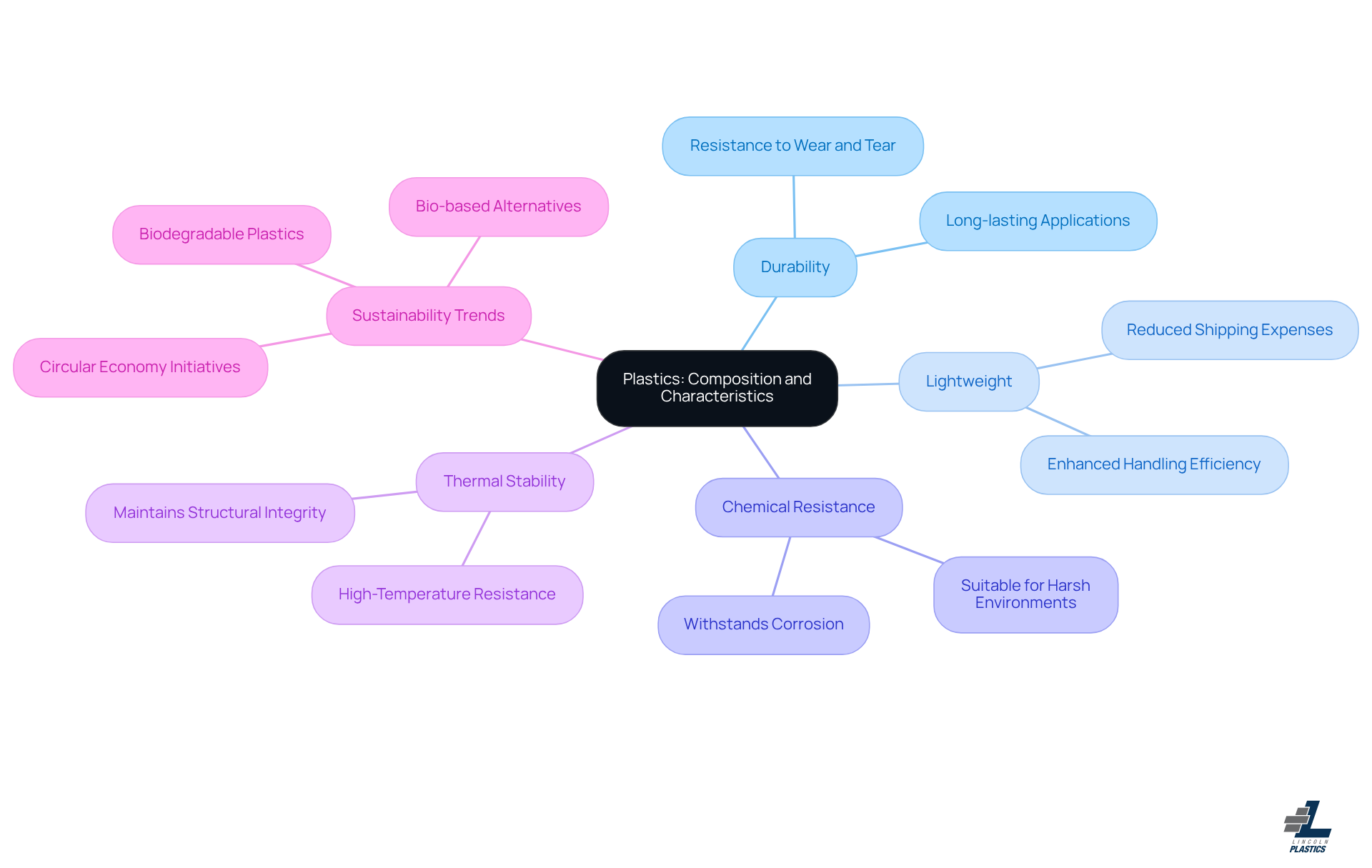
Understanding the complexities of synthetic materials is vital for making informed procurement decisions in today's competitive landscape. Synthetic materials, primarily composed of polymers, exhibit varying attributes based on their chemical makeup and the additives used to enhance performance traits like strength and flexibility.
Key Characteristics of Plastics:
- Durability: Plastics exhibit remarkable resistance to wear and tear, making them suitable for long-lasting applications across various industries.
- Lightweight: In comparison to metals, plastic materials are considerably lighter, which can result in decreased shipping expenses and enhanced handling efficiency.
- Chemical Resistance: Numerous plastic polymers are engineered to withstand corrosion and deterioration from chemicals, rendering them suitable for industrial uses where contact with harsh substances is frequent.
- Thermal Stability: Certain plastic materials can withstand high temperatures without compromising their structural integrity, which is essential for applications involving heat exposure.
Choosing the right materials is crucial for OEM procurement managers; how do you ensure you're selecting the best options for your needs? This ensures optimal performance and longevity of the products they manufacture, aligning with the growing demand for innovative and sustainable solutions in the industry. As a result, staying informed about advancements in polymer composition, including the rise of biodegradable and bio-based alternatives, is crucial for making strategic decisions. The future of material selection hinges on innovation and sustainability, making it imperative for manufacturers to adapt swiftly.
Explore Different Types of Plastics and Their Applications
Understanding the diverse characteristics of plastic r is crucial for OEM purchasing managers to make informed decisions that enhance product quality and performance. There are various kinds of plastic r, each with distinct characteristics and uses that are essential for OEM purchasing managers to comprehend. Here are some of the most common types, along with how Lincoln Plastics can support OEM purchasing managers in selecting the right materials:
-
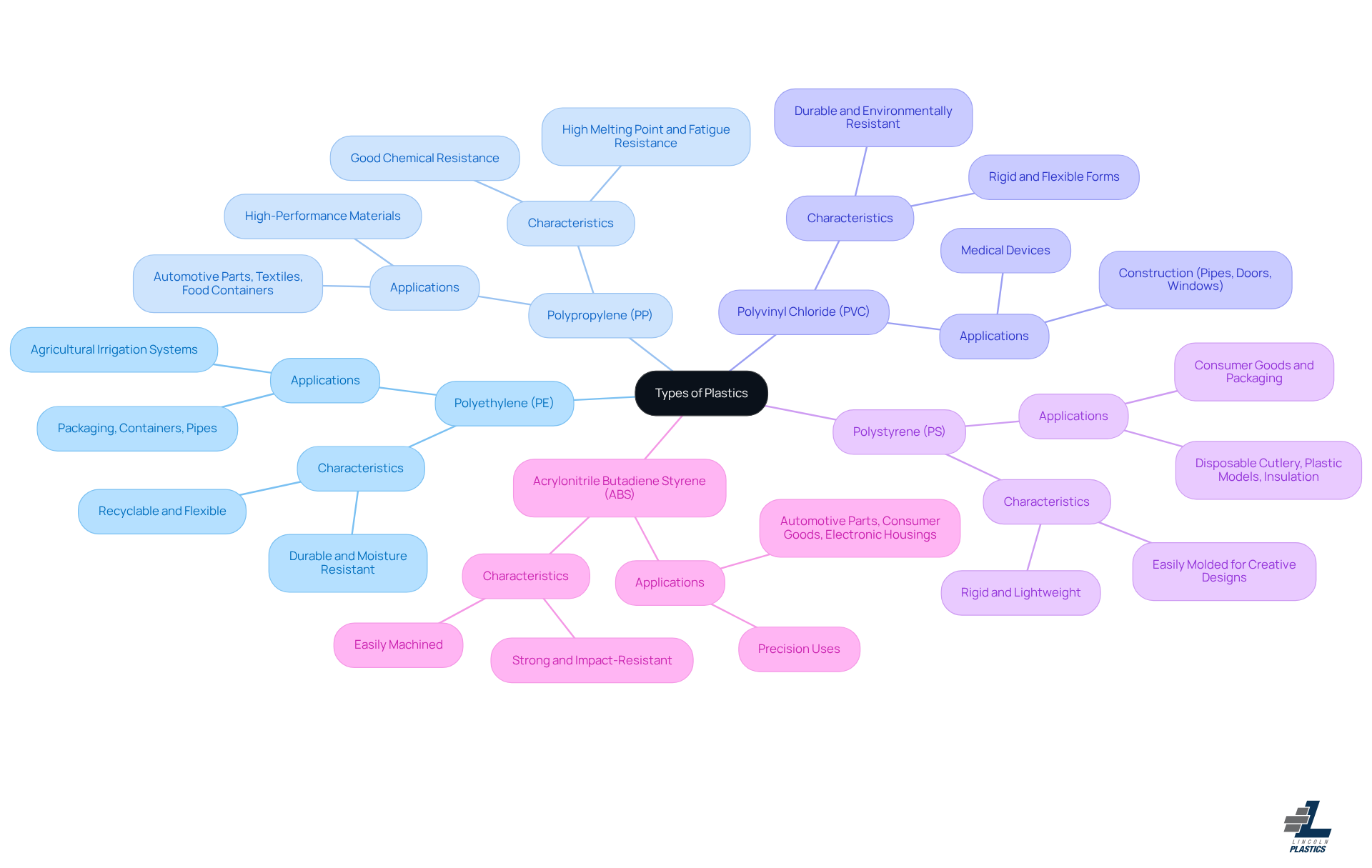
- Applications: Widely utilized in packaging, containers, and pipes, polyethylene is favored for its flexibility and chemical resistance. Its lightweight nature makes it perfect for various uses, including agricultural irrigation systems. At Lincoln Plastics, we specialize in delivering custom flexible profiles in PE that are tailored to meet your specific plastic r needs.
- Characteristics: Durable and resistant to moisture, PE is also recyclable, aligning with the growing demand for sustainable plastic r in manufacturing.
-
- Applications: Commonly found in automotive parts, textiles, and food containers, polypropylene is essential for industries requiring high-performance materials. Our rigorous quality management program, certified to ISO 9001:2015, ensures that all products made from plastic r meet the highest standards for performance and durability.
- Characteristics: With a high melting point and excellent fatigue resistance, PP also boasts good chemical resistance, making it suitable for diverse manufacturing needs, particularly in plastic r.
-
- Applications: PVC is extensively used in construction for pipes, doors, and windows, as well as in medical devices, due to its versatility. Lincoln Plastics provides both rigid and flexible forms of plastic r PVC, tailored to meet specific project requirements.
- Characteristics: Available in both rigid and flexible forms, plastic r offers excellent durability and resistance to environmental degradation, making it a reliable choice for long-lasting applications.
-
Polystyrene (PS)
- Applications: Often employed in disposable cutlery, plastic models, and insulation, polystyrene is a staple in consumer goods and packaging. Our custom solutions can include co-extruded PS profiles for added functionality and aesthetic appeal.
- Characteristics: Rigid and lightweight, PS can be easily molded, allowing for creative designs in product development.
-
Acrylonitrile Butadiene Styrene (ABS)
- Applications: ABS is commonly used in automotive parts, consumer goods, and electronic housings, valued for its strength and versatility. Lincoln Plastics ensures precision in ABS production through dedicated quality checks and documentation.
- Characteristics: Strong and impact-resistant, ABS can be easily machined, making it suitable for precision uses.
By partnering with Lincoln Plastics, you ensure that your material choices, including plastic r, are not just informed but strategically aligned with your production goals, setting you up for success in a competitive market. For customized solutions and quotes, reach out to Lincoln's specialists today. Our strategic Midwest location in Lincoln, Nebraska, allows for quick order turnaround and efficient logistics, ensuring you receive your products on time.
Assess Environmental and Health Impacts of Plastics
OEM purchasing managers must navigate the complex landscape of synthetic materials, where environmental and health effects play a crucial role in decision-making. Here are some key points to consider:
Environmental Impacts:
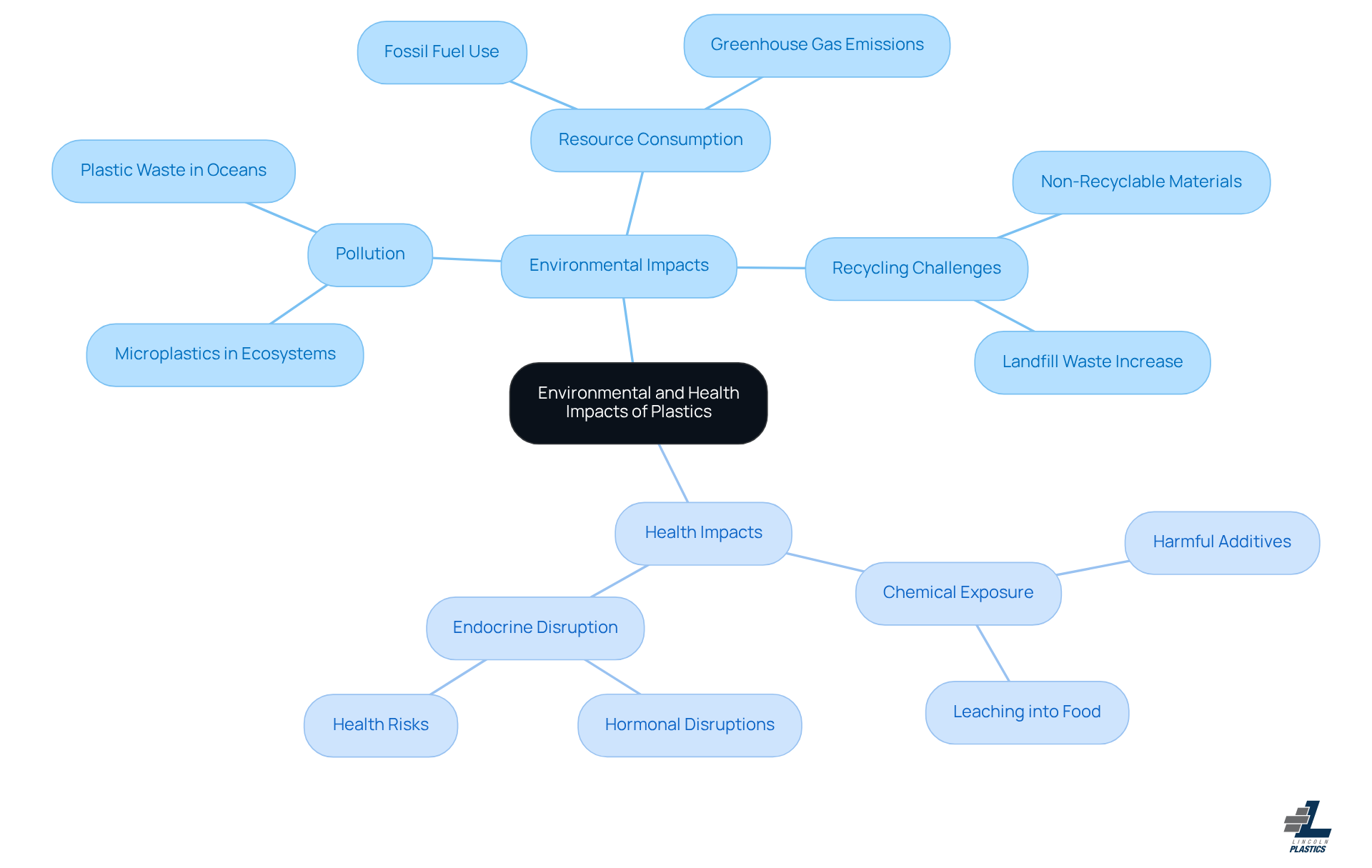
- Pollution: Plastics contribute to pollution through improper disposal and degradation, leading to microplastics in ecosystems.
- Resource Consumption: The creation of synthetic materials often involves the use of fossil fuels, contributing to greenhouse gas emissions.
- Recycling Challenges: Many synthetic materials are not recyclable, leading to increased landfill waste and environmental degradation.
Health Impacts:
- Chemical Exposure: Some plastics contain harmful additives that can leach into food or the environment, posing health risks.
- Endocrine Disruption: Certain substances found in synthetic materials have been associated with hormonal disruptions, which can impact human health.
Have you considered how the environmental and health effects of synthetic materials impact your purchasing decisions? By prioritizing sustainable and safer alternatives, OEM purchasing managers can safeguard both their products and the planet for future generations.
Select the Right Plastic: Guidelines for OEM Applications
Selecting the right plastic for OEM applications is crucial for ensuring product reliability and performance. Here are several key considerations to keep in mind:
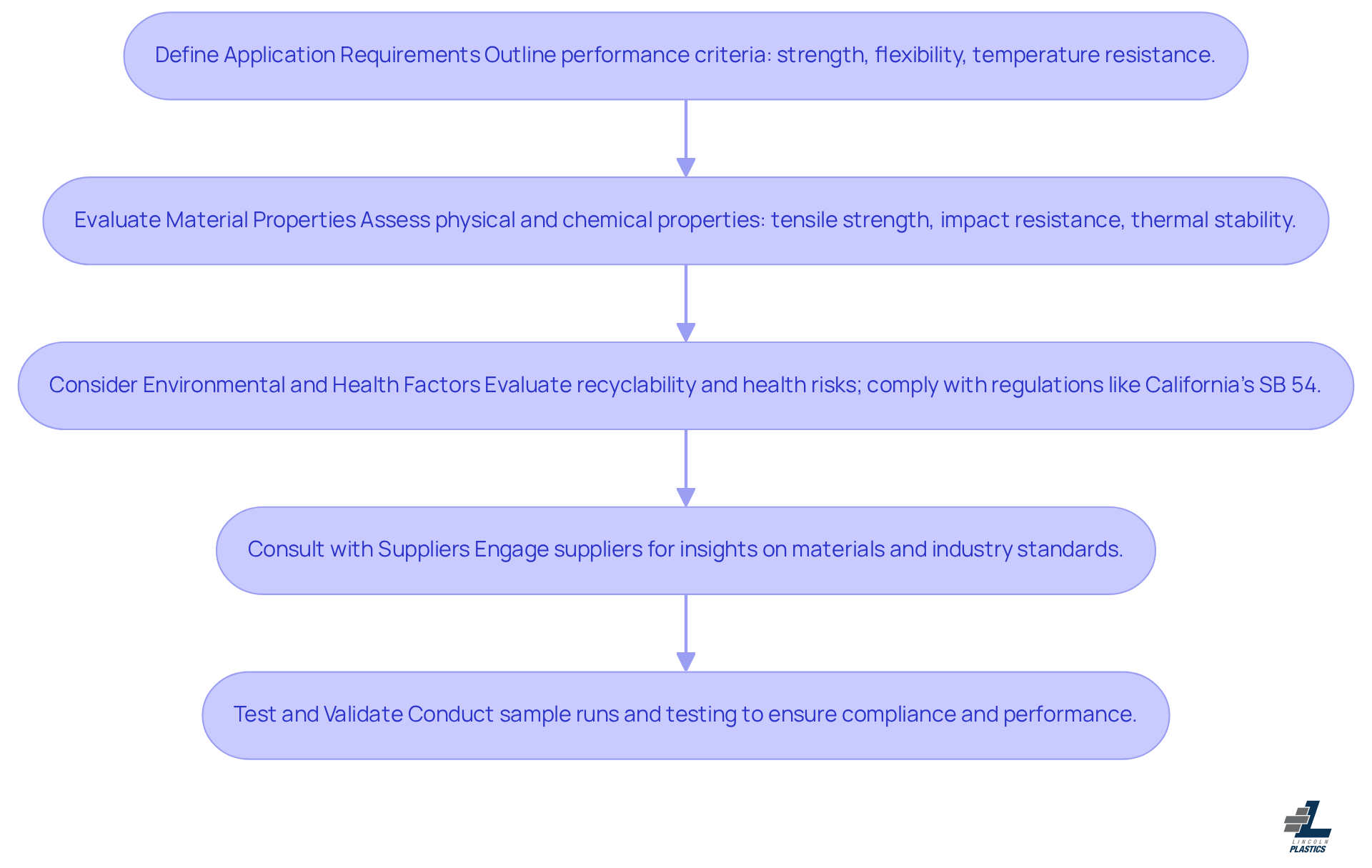
- Define Application Requirements
What performance criteria do you need for your application? Clearly outlining factors such as strength, flexibility, and temperature resistance is essential. Understanding these requirements helps you choose a material that will function dependably under anticipated conditions. - Evaluate Material Properties
Assess the physical and chemical properties of potential plastics, including tensile strength, impact resistance, and thermal stability. Advanced testing methods focus on precise conditioning and measurement. This ensures that materials meet the application demands. At Lincoln Plastics, we guarantee that your rigid profiles will meet the critical dimensions you require through our robust quality system, which includes dedicated quality books and in-process checks. Our ISO 9001:2015 certification underscores our commitment to maintaining the highest quality standards. - Consider Environmental and Health Factors
Take into account the environmental impact of the plastic, including its recyclability and potential health risks associated with its use. What if the plastic you choose poses unforeseen health risks? Adherence to changing regulations, like California's SB 54, which requires that 100% of covered items must be recyclable or compostable by 2032, is crucial for preserving market access and consumer confidence. - Consult with Suppliers
Engage with material suppliers to gain insights into the best options available for your specific needs. Suppliers can provide valuable information on industry standards and recommended materials, helping to align your choices with best practices in the field. At Lincoln Plastics, we work closely with OEMs to ensure their products meet all quality requirements, including special checks for ‘fit and function’. Our strategic location in Lincoln, Nebraska, allows for quick order turnaround and efficient logistics, enhancing our service to OEMs across various industries. - Test and Validate
Conduct sample runs and testing to ensure the selected plastic meets all performance and compliance requirements before full-scale production. This step is essential to prevent expensive recalls and guarantee that the materials utilized are appropriate for their intended purposes. Our use of multiple types of check gauges guarantees a proper end-use fit, reinforcing our commitment to quality assurance.
Choosing the right plastic not only enhances product performance but also safeguards your brand's reputation in a competitive market. For tailored solutions and expert guidance, contact Lincoln Plastics today to discuss how we can meet your specific needs.
Conclusion
Selecting the right plastic materials is not just a choice; it's a critical decision that impacts your product's success. Understanding the composition and characteristics of various plastics - like polyethylene, polypropylene, PVC, polystyrene, and ABS - is essential for OEM purchasing managers. Have you considered how these factors influence product quality, performance, and sustainability? By partnering with Lincoln Plastics, you can leverage our expertise and strategic Midwest location to ensure timely delivery and customized solutions tailored to your specific needs.
Key insights from this guide highlight the necessity of evaluating material properties and considering environmental and health impacts. Engaging with knowledgeable suppliers is crucial for informed decision-making. At Lincoln Plastics, our rigorous quality management practices, including ISO 9001:2015 certification and dedicated quality checks, reinforce our commitment to excellence in plastic selection. Furthermore, testing and validating materials can prevent costly production issues.
In today's world, where sustainability and innovation drive success, OEM purchasing managers must prioritize responsible material choices that align with industry standards and consumer expectations. Choosing Lincoln Plastics as your partner means ensuring your products not only meet expectations but also set new standards in quality and sustainability. For customized solutions and expert guidance, reaching out to Lincoln Plastics can pave the way for successful procurement strategies that enhance both product integrity and brand reputation.
Frequently Asked Questions
What are the main components of plastics?
Plastics are primarily composed of polymers, which are synthetic materials that can exhibit varying attributes based on their chemical makeup and the additives used to enhance performance traits.
What are the key characteristics of plastics?
The key characteristics of plastics include durability, lightweight nature, chemical resistance, and thermal stability. These traits make plastics suitable for a wide range of applications across various industries.
Why is durability important in plastics?
Durability is important because plastics exhibit remarkable resistance to wear and tear, making them suitable for long-lasting applications, which is essential for maintaining product integrity over time.
How does the lightweight nature of plastics benefit shipping and handling?
The lightweight nature of plastics can lead to decreased shipping expenses and enhanced handling efficiency compared to heavier materials like metals.
What role does chemical resistance play in the use of plastics?
Chemical resistance allows many plastic polymers to withstand corrosion and deterioration from harsh substances, making them suitable for industrial applications where contact with chemicals is frequent.
Why is thermal stability significant for certain plastic materials?
Thermal stability is significant because certain plastics can withstand high temperatures without compromising their structural integrity, which is crucial for applications that involve heat exposure.
How can OEM procurement managers ensure they select the best plastic materials?
OEM procurement managers can ensure they select the best materials by staying informed about advancements in polymer composition and considering innovative and sustainable solutions, including biodegradable and bio-based alternatives.
What is the future of material selection in the plastics industry?
The future of material selection hinges on innovation and sustainability, making it imperative for manufacturers to adapt swiftly to advancements in materials to meet growing demands.
List of Sources
- Define Plastics: Composition and Characteristics
- What are the Plastic Manufacturing Trends for 2026? (https://linkedin.com/pulse/what-plastic-manufacturing-trends-2026-key-plastics-ltd-d4ekf)
- Five Sustainability Trends Reshaping Plastic in 2026 (https://plasticsindustry.org/articles/five-sustainability-trends-reshaping-plastic-in-2026)
- Plastic Pollution (https://ourworldindata.org/plastic-pollution)
- 8 Trends in Plastic Materials and Packaging for 2026 (https://productsandsolutions.pttgcgroup.com/en/market-movement/8-trends-in-plastic-materials-and-packaging-for-2026)
- Plastics: Material-Specific Data | US EPA (https://epa.gov/facts-and-figures-about-materials-waste-and-recycling/plastics-material-specific-data)
- Explore Different Types of Plastics and Their Applications
- 5 Best Practices for Using Polypropylene (PP) Plastic in Manufacturing (https://lincoln-plastics.com/news-post/5-best-practices-for-using-polypropylene-pp-plastic-in-manufacturing)
- Plastics News - Plastic Industry News, Resin Pricing & Analysis (https://plasticsnews.com)
- Low-Density Polyethylene Market Size and Forecast, 2026-2033 (https://coherentmarketinsights.com/market-insight/low-density-poly-ethylene-ldpe-market-3844)
- P&G Extends Material Life in Recycling of Polypropylene (https://pgresearchdevelop.com/case-studies/higher-purity-recycled-polypropylene)
- Sabic (https://sabic.com/en/news/7282-sabic-continues-global-growth-with-innovative-polypropylene-ventures-in-europe)
- Assess Environmental and Health Impacts of Plastics
- Why sustainable alternatives to plastic are struggling to compete (https://news.un.org/en/story/2026/06/1167670)
- Plastics and Human Health | Plastics and the Environment Series (https://genevaenvironmentnetwork.org/resources/updates/plastics-and-health)
- Growing evidence linking plastics to serious health risk (https://phfscience.nz/news-publications/growing-evidence-linking-plastics-to-serious-health-risk)
- Global health impacts of plastics systems set to double by 2040 (https://phys.org/news/2026-01-global-health-impacts-plastics.html)
- New U.S. Government Plan for Microplastics Falls Short of Protecting Human Health (https://plasticpollutioncoalition.org/blog/2026/4/2/new-u-s-government-plan-for-microplastics-falls-short-of-protecting-human-health)
- Select the Right Plastic: Guidelines for OEM Applications
- Navigating Recycled Plastics Regulations in 2026 (https://sustainabilityservices.eurofins.com/news/recycled-regulations-overview-2026-for-consumer-products)
- 2026 Trend Breakdown: Plastics Supply Chain Regionalization (https://mholland.com/market-insights/2026-trend-breakdown-plastics-supply-chain-regionalization)
- June 2026: Key Standards Released for Rubber and Plastics Industries (https://standards.iteh.ai/articles/blog/latest-news/rubber-plastics-standards-june-2026?srsltid=AfmBOooY3I5yis_xF2QtQTWCrJ0oLmszSOs0yPFuabjseXweyD__m3wH)
- United States of Packaging: 2026 regulations machine builders need to know (https://packagingoem.com/united-states-packaging-laws-2026-machine-builders)
- Plastics Material Selection: Key Factors for Manufacturers (https://amfasinternational.com/newsroom/plastics-material-selection)
Related posts

Discover best practices for sourcing polycarbonate plastic products effectively and efficiently.


Explore the diverse applications of PVC across industries, showcasing its versatility and benefits.
Explore 10 innovative applications of co-extruded plastics for enhanced performance across industries.
