
Master Plastic Fillers: Best Practices for OEM Purchasing Managers
Introduction
Understanding the role of plastic fillers in extrusion processes is super important for OEM purchasing managers who want to boost product quality without breaking the bank. These additives not only enhance mechanical properties but also play a big part in making operations run smoothly. But with so many options out there, how can purchasing managers pick the right fillers that meet both performance and sustainability goals?
Let’s dive into some best practices for sourcing and using plastic fillers. This article will share insights that help decision-makers make smart choices in a competitive landscape. So, are you ready to explore how to navigate this complex world of fillers?
Understand the Role of Plastic Fillers in Extrusion
play a crucial role in polymer formulations, don’t they? They improve properties and help keep costs in check by incorporating fillers. Think about it: these materials enhance performance, boost durability, and even lighten the load, which is super important during the manufacturing process.
You might be curious about what kinds of additives are out there. Well, common ones include:
- Calcium carbonate
- Talc
- Glass fibers
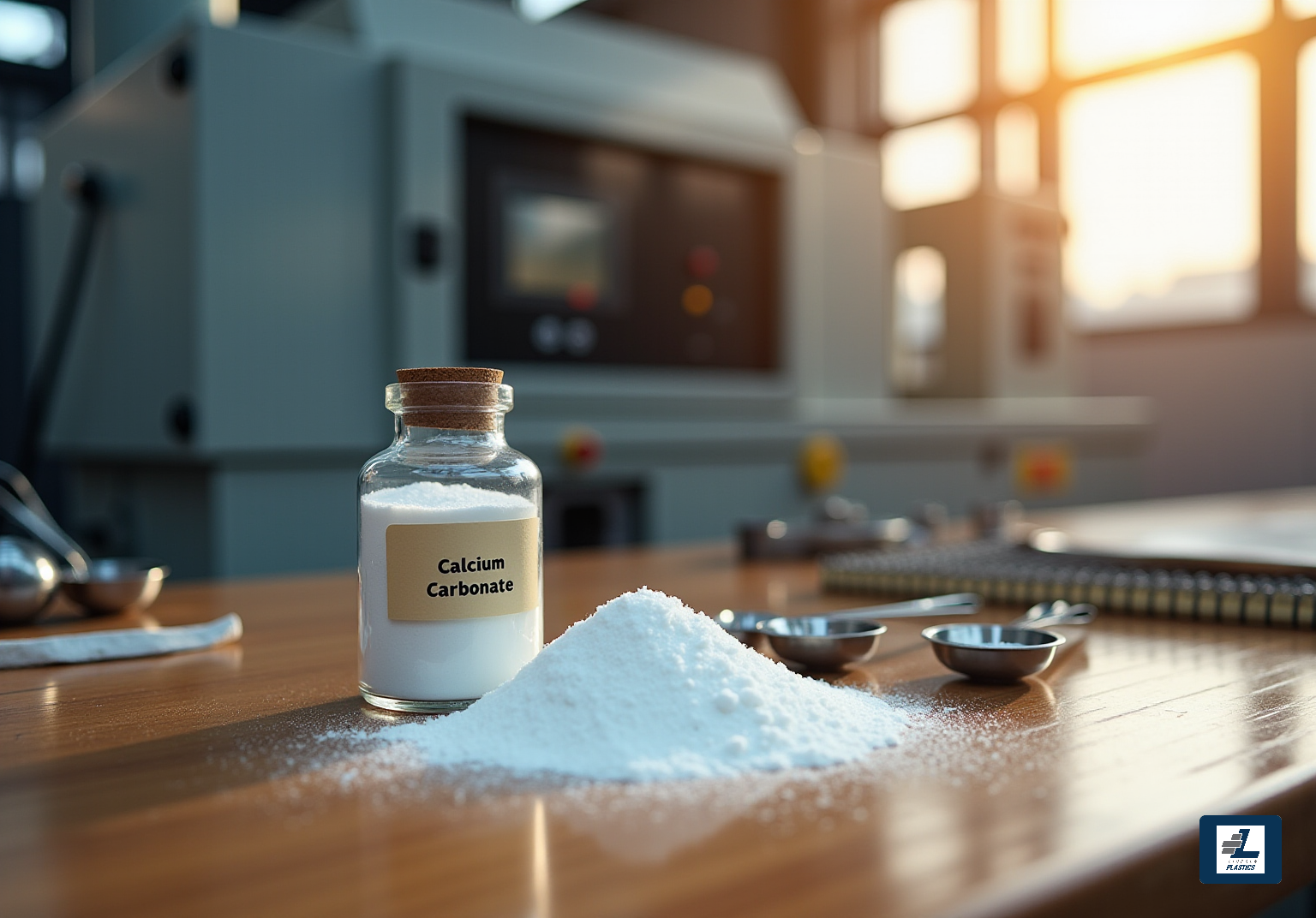
Each with its own unique benefits. For instance, calcium carbonate is a go-to for many because it’s cost-effective and adds rigidity. On the other hand, glass fibers really ramp up tensile strength and thermal resistance.
The use of fillers can lead to better performance and less shrinkage, which are key for maintaining quality during manufacturing. Understanding the role of plastic fillers and other additives can really empower OEM procurement managers to make informed choices that align with their specifications and operational needs.
At Lincoln Plastics, we’re all about ensuring that the materials we choose not only meet quality standards but also comply with regulations. Our robust assurance system includes thorough inspections for fit and function, using various check gauges to make sure everything aligns with the necessary dimensions and operational standards of your products.
And hey, if you need specific colors, we can source those to match your Pantone specifications, ensuring consistency across manufacturers. This comprehensive approach helps OEM purchasing managers select the right additives while keeping in mind their production goals. So, what do you think? Ready to dive into the world of plastic fillers with us?

Evaluate Key Criteria for Selecting Fillers
When it comes to choosing plastic fillers, OEM purchasing managers face some important decisions. Let’s break down a few key criteria that can help ensure you get the right fillers without breaking the bank.
- Compatibility is a biggie! You’ll want to make sure that the filler works well with your base resin. If not, you could run into processing issues that might compromise the integrity of your products.
- Next up, think about performance. How does the additive impact the final product’s strength, flexibility, and durability? For example, talc enhances strength and stiffness, making it a go-to for tough applications. And did you know that calcium carbonate is expected to snag 42.3% of the total market revenue by 2025? Its availability and low cost really highlight its mechanical advantages.
- Now, let’s talk about Cost. It’s essential to weigh the benefits against the expenses. Take a look at the average costs of common substances like calcium carbonate and talc, and consider how they stack up against their mechanical improvements. The market is projected to grow at a CAGR of 5.8% from 2025 to 2035, so be prepared for changes.
- Don’t forget about processing. How will the additive affect your extrusion process? Think about its impact on flowability and thermal stability. Fillers like talc can enhance rigidity and thermal insulation, but they might also require some tweaks in your processing parameters.
- Lastly, consider the sustainability aspect. It’s important to choose materials that align with environmental goals. Biobased alternatives can boost your environmental profile while still delivering performance. With the rising demand for eco-friendly materials, like cellulose fiber and rice husk powder, it’s clear that incorporating renewable resources into your additive selection is becoming more significant.
By taking the time to evaluate these criteria, purchasing managers can make informed choices that not only improve product quality but also optimize costs and support sustainability initiatives. So, what do you think? Ready to dive into your next additive selection with confidence?

Implement Best Practices for Using Fillers in Extrusion
To really get the most out of fillers in the extrusion process, OEM purchasing managers should consider these friendly tips:
- Optimize Filler Loading: First off, let’s talk about finding that sweet spot for filler loading. You want to optimize it, right? A loading of around 15-30% usually works wonders for many applications.
- Ensure Proper Mixing: Next up, think about how you mix things. Using high-shear mixing methods can help you achieve a uniform distribution of additives in the polymer matrix. This is super important for keeping your product standards consistent.
- Monitor Temperature and Pressure: Now, don’t forget to keep an eye on your process parameters. Regularly checking the temperature and pressure during extrusion can help prevent any degradation of both the additive and the polymer.
- Conduct Regular Testing: It’s also a good idea to set up a quality control process. This way, you can assess the quality and performance standards of the extrudate, ensuring it meets all the necessary specifications.
- Train Staff: Lastly, let’s not overlook the importance of staff training. Offering training on the significance of fillers and the best practices for their application can greatly promote a culture of excellence and efficiency in production.
So, what do you think? Ready to implement these practices and see the difference?

Ensure Reliable Sourcing and Supplier Relationships
To make sure you’re sourcing reliably and building solid relationships with your suppliers, here are some strategies that can really help:
- Develop Communication: You know how important it is to keep the lines open with your suppliers, right? It’s all about discussing expectations and addressing any potential hiccups before they become issues. Take Lincoln Plastics, for example. They work closely with OEMs to ensure their products meet all standards, including those special checks for ‘fit and function’.
- Conduct Audits: Regular evaluations are key! They help you assess your suppliers' capabilities and ensure they’re sticking to industry standards. Plus, these audits encourage a culture of continuous improvement and collaboration. Lincoln Plastics uses various check gauges to make sure everything fits just right, showing their commitment to quality.
- Build Long-Term Partnerships: Focusing on Relationships with your key suppliers can really pay off. It boosts collaboration and trust, which often leads to better pricing and service. This is especially true in the Industry, where the use of Fillers and reliability are crucial. Just look at Lincoln Plastics’ Documentation, which includes a dedicated quality book for each plastic profile - that’s commitment to precision!
- Diversify Suppliers: Relying on just one supplier can be risky. To avoid potential supply chain disruptions, it’s smart to diversify your Supplier Base. This way, you enhance resilience and keep your operations running smoothly.
- Leverage Technology: Have you thought about using supply chain management software? It can really boost your tracking of Inventory, order management, and communication. This tech integration can make your procurement process much more efficient and responsive.
By incorporating these strategies, you can navigate the complexities of Supply Chain Management like a pro. Just remember to steer clear of common pitfalls, like neglecting to review supplier performance regularly or not communicating changes in expectations. These oversights can lead to misunderstandings and strained relationships. So, stay proactive and informed, and you’ll be well on your way to fostering strong partnerships that drive success!

Conclusion
Mastering the use of plastic fillers is key for OEM purchasing managers who want to boost product performance without breaking the bank. By getting a grip on how these additives work in extrusion processes, procurement pros can make smart choices that lead to top-notch output and smooth operations. The insights shared here really highlight why picking the right fillers matters - think compatibility, mechanical properties, cost, processing traits, and even environmental impact.
Now, let’s talk about the main points. It’s all about evaluating fillers based on their mechanical perks and sustainability, plus some best practices for using them in extrusion. From optimizing material loading to ensuring everything’s evenly distributed and keeping strong supplier relationships, these strategies work together to help you achieve better product quality and efficiency. And don’t forget about training your team and using technology - these are crucial in today’s competitive scene.
Ultimately, we can’t underestimate the role of plastic fillers in manufacturing. With the demand for high-performance and sustainable materials on the rise, OEM purchasing managers should really consider adopting these best practices and strategies. By doing this, you’re not just improving your procurement processes; you’re also helping to create a more resilient and innovative manufacturing environment. Embracing these insights will set you up for success in the ever-changing world of plastic extrusion and additive selection.
Frequently Asked Questions
What is the role of plastic fillers in extrusion?
Plastic fillers improve properties of polymer formulations, enhance mechanical strength, boost thermal stability, and help keep production costs in check during the extrusion process.
What are some common types of plastic fillers?
Common plastic fillers include calcium carbonate, talc, and glass fibers, each offering unique benefits.
What are the benefits of using calcium carbonate as a plastic filler?
Calcium carbonate is cost-effective, adds rigidity, and is widely used in various applications.
How do glass fibers benefit polymer formulations?
Glass fibers significantly increase tensile strength and thermal resistance in polymer formulations.
How do plastic fillers affect dimensional stability and shrinkage?
The use of plastic fillers can lead to better dimensional stability and reduced shrinkage, which are essential for maintaining quality during manufacturing.
How does Lincoln Plastics ensure the quality of plastic fillers?
Lincoln Plastics conducts thorough inspections for fit and function, using various check gauges to ensure that the plastic fillers meet necessary dimensions and operational standards.
Can Lincoln Plastics source specific colors for plastic fillers?
Yes, Lincoln Plastics can source specific colors to match Pantone specifications, ensuring consistency across manufacturers.
How can understanding plastic fillers empower OEM procurement managers?
By understanding the role of plastic fillers and other additives, OEM procurement managers can make informed choices that align with their specifications and operational needs.
List of Sources
- Understand the Role of Plastic Fillers in Extrusion
- moldblade.com (https://moldblade.com/en/the-role-of-fillers-in-plastic-injection)
- ptonline.com (https://ptonline.com/articles/extruding-with-fillers)
- fictiv.com (https://fictiv.com/articles/plastic-fillers-for-injection-molding)
- advancedplastiform.com (https://advancedplastiform.com/getting-the-perfect-plastic-a-closer-look-at-fillers-and-additives)
- The Extrusion Industry in 2025: Innovations, Trends, and Opportunities (https://plextrusions.com/extrusion-blog/the-extrusion-industry-in-2025-innovations-trends-and-opportunities)
- Evaluate Key Criteria for Selecting Fillers
- fictiv.com (https://fictiv.com/articles/plastic-fillers-for-injection-molding)
- futuremarketinsights.com (https://futuremarketinsights.com/reports/plastic-fillers-market)
- Implement Best Practices for Using Fillers in Extrusion
- megaplast.com.vn (https://megaplast.com.vn/casestudy/filler-loading-rate-in-filler-masterbatch)
- ptonline.com (https://ptonline.com/articles/extruding-with-fillers)
- linkedin.com (https://linkedin.com/pulse/filler-masterbatch-extruders-market-size-2026-challenges-anppe)
- Tariffs, policy shifts weigh on extrusion machinery outlook (https://plasticsnews.com/suppliers/machinery/pn-extrusion-outlook-2025)
- Ensure Reliable Sourcing and Supplier Relationships
- 11 Great Quotes for Procurement Professionals | Vroozi (https://vroozi.com/blog/11-great-quotes-for-procurement-professionals)
- georgevrakas.com (https://georgevrakas.com/2014/02/27/10-quotes-for-successful-procurement-and-contract-management)
- veridion.com (https://veridion.com/blog-posts/supplier-sourcing-statistics)
- advancedmanufacturing.org (https://advancedmanufacturing.org/news-desk/this-is-how-supply-chains-can-recover-in-2026/article_3c9e701d-f01c-4921-94fc-e38dfc9c287d.html)
- linkedin.com (https://linkedin.com/pulse/importance-supplier-audits-according-personal-adji-estu-pambudi-n7a0c)
Related posts

Why Custom Pipe Extrusion Matters More Than Ever
Standard pipe sizes don’t always work. Learn how Lincoln Plastics delivers custom diameters, wall thicknesses, and finishes in right-sized runs.


Reducing Trip Hazards with Custom Cord Management
Loose cords are more than messy — they’re a safety hazard. Lincoln Plastics’ custom cord covers and Flexiduct solutions improve safety and efficiency.
The Power of Custom Plastic Profiles for OEMs
Off-the-shelf profiles force compromises. Learn how Lincoln Plastics designs custom extruded profiles for OEMs with exact specs and right-sized runs.
