
Master Plastic Extrusion Tool Products for Optimal Procurement Success
Introduction
If you're in manufacturing, you know that understanding the ins and outs of plastic extrusion is key to boosting your procurement strategies. This article takes a closer look at the essential stages of the extrusion process, the different tools at your disposal, and why picking the right materials matters. All these factors are crucial for hitting those production goals. But as the market keeps changing, you might be asking yourself: how can you make sure you're choosing the right tools and materials that not only fit your needs but also enhance efficiency and quality?
Understand the Plastic Extrusion Process
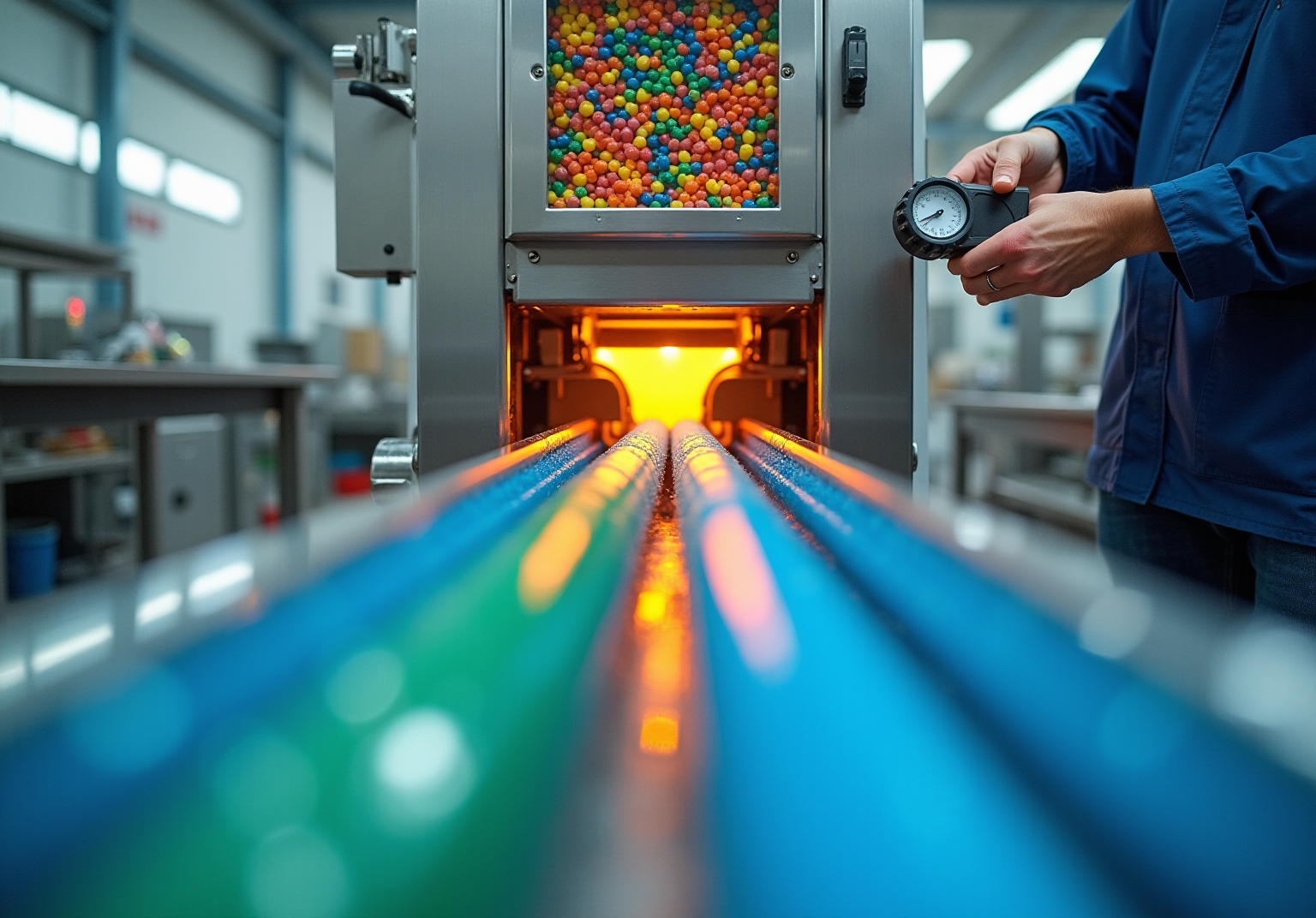
Let’s dive into the plastic extrusion process. It’s made up of a few key stages: preparation, melting, shaping, and cooling. First off, raw plastic materials, like pellets or granules, are fed into the extruder. Then, the extruder heats these materials until they turn into a liquid. This liquid can then be shaped through a die into all sorts of profiles, including pipes, tubes, and even custom shapes.
Now, why should you care about this process? Well, it is crucial for production efficiency. It directly affects your choices in resources and tooling, which in turn impacts quality and cost. For example, knowing the extrusion temperature is vital for setting the extruder correctly. This not only helps reduce waste but also boosts your output quality.
Effective quality control is another biggie. It ensures consistency and plays a huge role in production success—did you know that around 30% of defects come from inconsistent material quality? By focusing on proper preparation and keeping an eye on the forming process, producers can achieve fantastic results and meet the specific needs of their applications. So, let’s make sure we’re all on the same page about these steps to get the best outcomes!

Identify Different Types of Plastic Extrusion Tools
When it comes to manufacturing, plastic extrusion tools play a vital role, right? Each type is designed to meet specific production needs. You’ve probably heard of single-screw extruders, twin-screw extruders, and co-extruders - these are key players in what Lincoln Plastics offers.
Let’s start with single-screw extruders. They’re popular for their simplicity and efficiency, making them perfect for processing thermoplastics like PVC and polyethylene. Their straightforward design means consistent output and easy operation, which is a big deal for manufacturers. Lincoln Plastics has a variety of sizes and materials for these profiles, so clients can easily find what fits their needs.
Now, you might be wondering about twin-screw extruders. These machines shine when it comes to mixing capabilities, making them ideal for compounding materials and creating complex formulations. This versatility is super helpful in applications that require high precision, like those in industrial OEM machinery and cable protection systems. Manufacturers using twin-screw extruders have shared success stories, showing significant boosts in product quality and processing efficiency. For instance, one automotive company saw a 30% drop in defects and a 25% cut in waste after they adopted AI-driven process optimization with twin-screw technology.
Then we have co-extruders, which represent a real leap in extrusion technology. They allow for the combination of different materials to create multi-layered profiles. Lincoln Plastics specializes in this, offering custom solutions that can include various materials and colors - think of a 'yellow stripe' through co-extrusion. This feature lets manufacturers craft components with unique characteristics, like better durability or insulation, which are essential for everything from agricultural irrigation systems to outdoor components. Plus, with advanced automation and AI in co-extrusion processes, production efficiency gets a nice boost, allowing for real-time monitoring and adjustments that cut down on waste and downtime.
Understanding the benefits and applications of different extrusion tools helps producers select the right machinery for their needs, leading to better product outcomes and operational efficiency. Lincoln Plastics emphasizes their commitment to quality and customization, ensuring OEMs get reliable solutions tailored to their specifications, complete with support. By steering clear of common pitfalls in tool selection and tapping into the latest advancements, OEM Purchasing Managers can fine-tune their procurement strategies and secure dependable supply chains.

Select Appropriate Materials for Extrusion
is super important if you want to get the best performance in industrial applications. Let’s break down some key players: PVC, polyethylene, and polypropylene (PP). Each of these has its own perks!
Take PVC, for example. It’s known for being tough and resistant to the elements, which makes it a go-to for outdoor applications like plumbing and protective casings. Ever seen it in action in irrigation systems? It really holds up against harsh weather while keeping its shape. Plus, Lincoln Plastics offers a variety of PVC products in different colors, diameters, and lengths, making PVC even more versatile.
Now, let’s talk about polyethylene. This material is loved for its flexibility and cost-effectiveness, especially in applications where adaptability is key. It’s lightweight, which means easy installation and handling - definitely a favorite among manufacturers. Just remember, it’s all about balancing the cost with performance to meet your specific needs.
Then there’s polypropylene. This one shines when it comes to chemical resistance, making it ideal for situations where harsh chemicals are involved. Think about industrial machinery where parts might come into contact with corrosive substances.
Understanding these materials helps producers make smart choices that boost product durability and performance. By teaming up with resin suppliers and leveraging Lincoln Plastics’ expertise in plastic extrusion tool products, including their custom solutions that allow for mixing colors into profiles, companies can effectively tailor their options to fit specific applications. It’s all about assessing performance needs based on exposure to extreme temperatures, chemicals, or UV radiation, and avoiding common pitfalls in material selection to get the best results.
Oh, and don’t forget! Lincoln Plastics also offers inventory management services, so clients can keep their stock levels just right while enjoying personalized specifications that cater to their unique requirements.

Implement Quality Control Practices
Quality control in plastic shaping is super important for making sure products are reliable and customers are happy. Think about it: regular monitoring of processes, thorough inspections of materials, and solid final product testing are key practices. A strong control plan kicks off with checking the purity and compatibility of raw materials. During production, it’s crucial to keep an eye on critical parameters like temperature, pressure, and screw speed to maintain consistency. And guess what? Implementing feedback loops helps manufacturers, making it easier to adjust on the fly.
Now, you might be wondering how this all plays out in real life. Well, a manufacturer can use statistical process control (SPC) to track variations in wall thickness. This way, products consistently meet the specified tolerances. Not only does this method boost product standards, but it also cuts down on waste and lowers costs related to defects. Did you know that up to 30% of faulty profiles come from not having strict standards? That really highlights why quality controls are a must.
At Lincoln Plastics, we work hand-in-hand with OEMs to ensure their products meet all standards, including specific checks for ‘fit and function’. We use various types of check gauges to guarantee an appropriate end-use fit. Plus, our strong assurance system includes a dedicated record book for each plastic profile, complete with drawings, critical in-process checks, and run documentation. And sourcing colors that match your Pantone specifications? No problem at all!
Investing in quality control can really boost output standards. Facilities that adopt real-time monitoring systems often see improved operational efficiency and less variability in production. By prioritizing these control measures, Lincoln Plastics helps manufacturers reach higher standards of excellence in their shaping processes. This ultimately builds and fosters lasting partnerships. Oh, and companies using advanced shaping lines can achieve significant improvements! That’s a great example of how effective quality management can lead to efficiency improvements.

Leverage Customization for Tailored Solutions
Customization is a game changer for manufacturers. It allows them to create products that fit client specifications perfectly, boosting performance and functionality. Think about it: solutions can be tailored to specific applications. For example, in agriculture, Lincoln Plastics engineers design tools that withstand harsh conditions while ensuring efficiency.
Since 1948, Lincoln Plastics has been a leader in the industry, specializing in using materials like polyethylene, ridged PVC, flexible PVC, and polypropylene. By working closely with clients to understand their unique needs, Lincoln Plastics crafts solutions that not only meet but often exceed expectations. This approach builds trust and positions Lincoln Plastics as a preferred partner, reinforcing their reputation for quality and reliability.
So, how can manufacturers leverage customization effectively? Here are a few steps to consider:
- Assess specific application needs.
- Develop tailored solutions.
- Prototype designs for testing.
- Implement feedback for continuous improvement.
By following these steps, you can ensure that your products are not just good, but truly exceptional!

Conclusion
Understanding the ins and outs of plastic extrusion and its tools is key to nailing procurement success in manufacturing. When you get a handle on the core processes - from prep to cooling - you can make smarter choices that boost product quality and operational efficiency. This knowledge lays the groundwork for picking the right extrusion tools and materials, leading to better results in production.
Now, let’s dive into some critical aspects of the plastic extrusion process. Material preparation is super important, and there are various types of extrusion tools to consider. Plus, implementing solid quality control practices is a must.
- Single-screw and twin-screw extruders each come with their own perks, while co-extrusion systems open the door to creative material combinations.
- When you understand the properties of materials like PVC, polyethylene, and polypropylene, you’re better equipped to choose the best options for your specific needs.
- Quality assurance practices, like statistical process control, are vital for cutting down defects and ensuring your products are reliable.
So, what’s the takeaway? Leveraging the right plastic extrusion tools and materials, along with effective quality management and customization strategies, can really amp up your manufacturing outcomes. Companies should take a moment to assess their unique needs and team up with experts like Lincoln Plastics to craft tailored solutions that not only meet but exceed industry standards. Embracing these best practices not only drives operational excellence but also builds lasting relationships with customers, setting manufacturers up for success in a competitive landscape.
Frequently Asked Questions
What are the main stages of the plastic extrusion process?
The main stages of the plastic extrusion process are preparation, melting, shaping, and cooling. Raw plastic materials are fed into the extruder, heated until they become liquid, shaped through a die, and then cooled.
Why is understanding the plastic extrusion process important?
Understanding the plastic extrusion process is crucial for successful procurement as it affects choices in resources and tooling, which impacts product quality and production efficiency.
How does material preparation influence the extrusion process?
Effective material preparation ensures consistency and minimizes defects, with around 30% of quality issues stemming from inconsistent material quality.
What types of plastic extrusion tools are commonly used?
Common types of plastic extrusion tools include single-screw extruders, twin-screw extruders, and co-extrusion systems.
What are the advantages of single-screw extruders?
Single-screw extruders are popular for their simplicity and efficiency, making them ideal for processing thermoplastics like PVC and polyethylene, with consistent output and easy operation.
What are the benefits of twin-screw extruders?
Twin-screw extruders excel in mixing capabilities, making them suitable for compounding materials and creating complex formulations, which enhances material properties and boosts product quality and processing efficiency.
How do co-extrusion systems enhance the extrusion process?
Co-extrusion systems allow for the combination of different materials to create multi-layered profiles, offering unique characteristics like improved durability or insulation, and they benefit from advanced automation for real-time monitoring and efficiency.
How can understanding plastic extrusion tools lead to better outcomes?
Understanding the benefits and applications of plastic extrusion tools helps producers select the right machinery, leading to improved product outcomes and operational efficiency, while avoiding common pitfalls in tool selection.
List of Sources
- Understand the Plastic Extrusion Process
- Emerging Trends Shaping Plastic Extruders in 2026 (https://audop.com/c/emerging-trends-shaping-plastic-extruders-in-2026.htm)
- jurryextrusion.com (https://jurryextrusion.com/blog/2026-best-plastic-extruder-design-tips-innovations)
- lincoln-plastics.com (https://lincoln-plastics.com/news-post/master-plastic-extrusion-technologies-for-optimal-procurement-outcomes)
- Plastics Extrusion: 4 Critical Statistics to Track for Increased Quality & Plant Profit (https://gaugeadvisor.com/2025/05/26/plastics-extrusion-4-critical-statistics-to-track-for-increased-quality-plant-profit)
- Identify Different Types of Plastic Extrusion Tools
- extruder.dekuma.com (https://extruder.dekuma.com/single-screw-vs-twin-screw-extruder-which-is-better-for-your-production)
- Emerging Trends Shaping Plastic Extruders in 2026 (https://audop.com/c/emerging-trends-shaping-plastic-extruders-in-2026.htm)
- jwellplasticextruder.com (https://jwellplasticextruder.com/blog/2026-best-pvc-profile-extrusion-techniques-trends)
- Select Appropriate Materials for Extrusion
- Choosing the Right Materials for Plastic Extrusion - Rocal Extrusions (https://rocalextrusions.co.uk/news/choosing-the-right-materials-for-plastic-extrusion)
- armor-x.com (https://armor-x.com/blogs/case-studies/case-studies-pvc-extrusion-solutions-vision-extrusions?srsltid=AfmBOorl5WAfg731zZy4jI4ju0fWGOcd2YD_Kz_nvuLj_SrCUcy0gOL6)
- prm-taiwan.com (https://prm-taiwan.com/blog/Medical-Tube-Extrusion-Line-Key-Insights-and-Case-Studies_531)
- Plastics Extrusion: 4 Critical Statistics to Track for Increased Quality & Plant Profit (https://gaugeadvisor.com/2025/05/26/plastics-extrusion-4-critical-statistics-to-track-for-increased-quality-plant-profit)
- Polyvinyl Chloride (PVC) Plastic: Uses, Properties, Benefits & Toxicity (https://specialchem.com/plastics/guide/polyvinyl-chloride-pvc-plastic)
- Implement Quality Control Practices
- jwellplasticextruder.com (https://jwellplasticextruder.com/blog/2026-best-pvc-profile-extrusion-techniques-trends)
- bausano.com (https://bausano.com/en/press-and-news/the-most-important-extrusion-parameters-to-monitor)
- Plastics Extrusion: 4 Critical Statistics to Track for Increased Quality & Plant Profit (https://gaugeadvisor.com/2025/05/26/plastics-extrusion-4-critical-statistics-to-track-for-increased-quality-plant-profit)
- Leverage Customization for Tailored Solutions
- paulmurphyplastics.com (https://paulmurphyplastics.com/industry-news-blog/how-custom-plastic-extrusions-improve-product-performance)
- cognitivemarketresearch.com (https://cognitivemarketresearch.com/plastics-extrusion-market-report)
- racami.com (https://racami.com/top-25-customer-experience-quotes-to-inspire-you-in-2021)
- The Benefits of Custom Plastic Extrusion for Your Business (https://rocalextrusions.co.uk/news/custom-plastic-extrusion-for-business)
Related posts

Discover the key benefits of ISO certified plastic extrusion services for reliability and efficiency.


Discover the diverse applications of plastic tubing PVC across industries, enhancing efficiency and safety.
Master the installation and benefits of strain relief clamps for range cords to enhance safety and reliability.
