
Master Plastic Extrusion Tolerances for Optimal Procurement Success
Introduction
Mastering plastic extrusion tolerances is essential for manufacturers seeking to elevate product quality and procurement success. These tolerances define the acceptable variations in measurements, ensuring that extruded products perform as intended across various applications, from agricultural systems to OEM machinery. Yet, mastering these tolerances is challenging due to varying material properties, complex designs, and environmental factors.
How can manufacturers navigate these complexities to not only achieve optimal outcomes but also secure a competitive edge?
Define Plastic Extrusion Tolerances and Their Importance
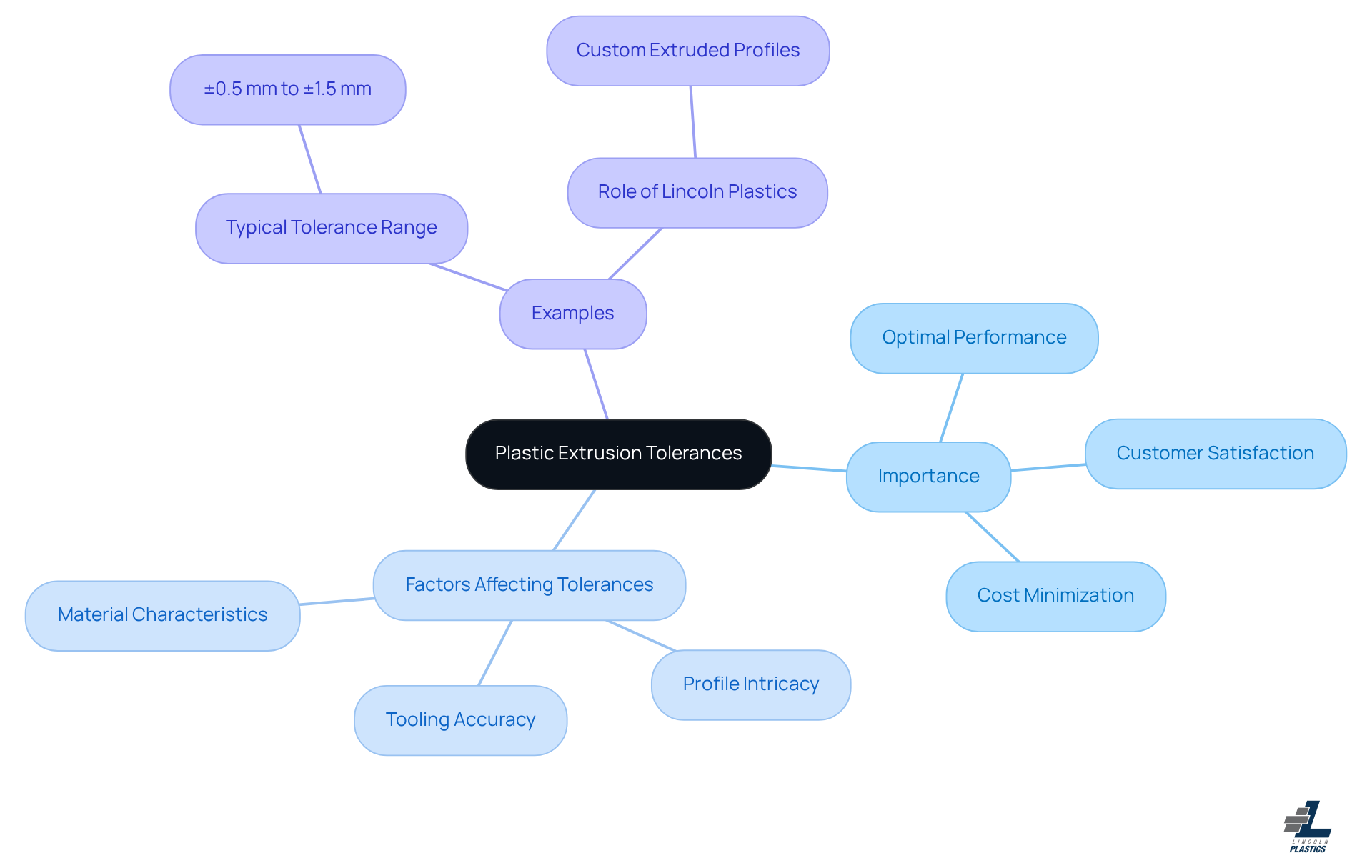
Understanding plastic extrusion tolerances is essential for achieving optimal performance in extruded products. Plastic extrusion tolerances define acceptable variations from specified measurements, ensuring the fit and function of the final creation. In fields like agricultural irrigation systems and OEM machinery, precise specifications are vital. Without precise specifications, operational failures can occur, leading to costly setbacks.
For instance, plastic extrusion tolerances typically vary from ±0.5 mm to ±1.5 mm. Comprehending these boundaries enables companies like Lincoln Plastics to create high-quality products that meet client requirements. This understanding not only boosts customer satisfaction but also minimizes the risk of costly rework.
Factors affecting plastic extrusion tolerances include:
- Material characteristics
- Profile intricacy
- Tooling accuracy
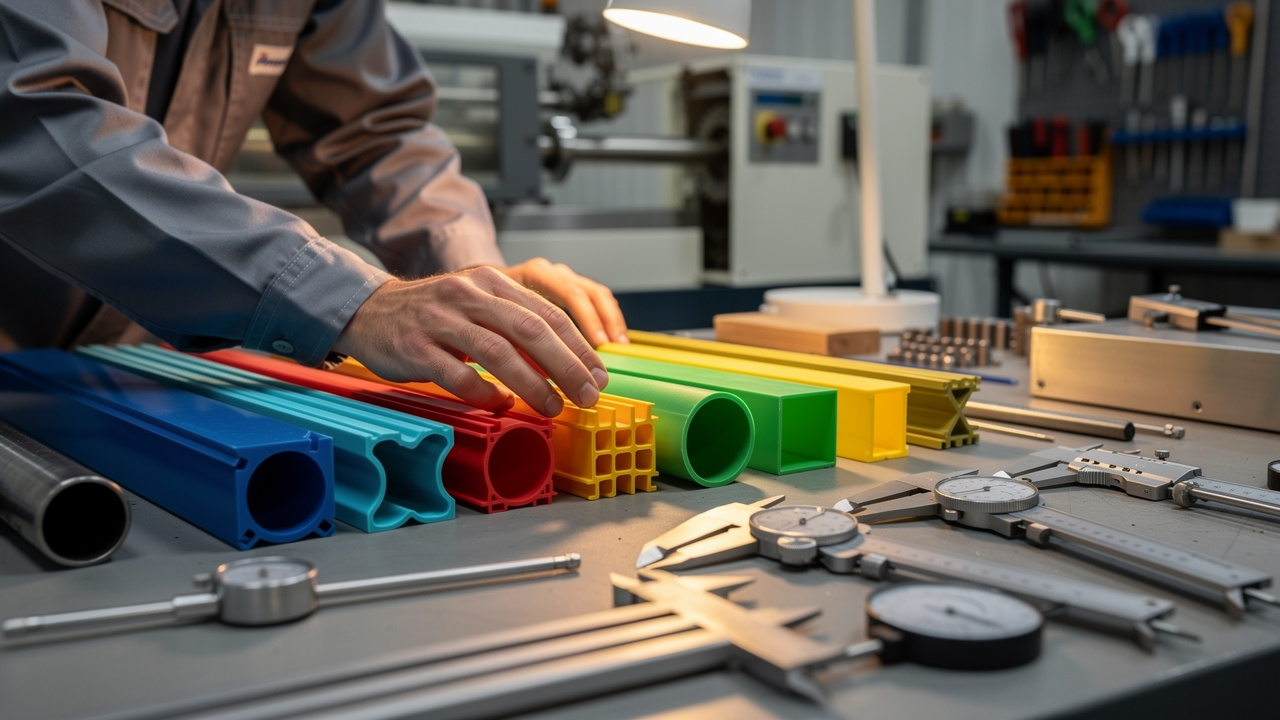
These factors underscore the importance for producers to set clear guidelines during the design stage. We use a variety of check gauges to ensure that our products fit and function as intended, and we can effortlessly obtain colors that align with your Pantone specifications for uniformity across producers.
Successful manufacturers have shown that investing in advanced shaping technologies and adhering to strict quality standards is not just beneficial; it’s essential for staying competitive in the market.
Identify Key Factors Influencing Extrusion Tolerances
Achieving precise plastic extrusion tolerances is often fraught with challenges that can impact product quality. Several key factors influence these tolerances:
- Material Selection: The choice of plastic significantly impacts shrink rates and flow characteristics, which in turn affect dimensional stability. For instance, PVC typically retains stricter specifications compared to polyethylene due to its reduced thermal expansion characteristics.
- Profile Complexity: The intricacy of the design plays a crucial role in determining limits. Basic profiles can allow wider allowances, while intricate shapes require stricter specifications to ensure proper functionality and fit.
- Tooling Quality: The design and state of the shaping die are essential for attaining uniform tolerances. High-quality tooling minimizes variations and enhances overall item quality, ensuring that the final output adheres to plastic extrusion tolerances.
- Processing Conditions: Critical factors such as melt temperature, shaping speed, and cooling rates must be meticulously controlled. Inconsistencies in these parameters can lead to dimensional variations in the final product, affecting its performance and reliability.
- Environmental Factors: Surrounding temperature and humidity can affect the forming process, influencing material characteristics and the limits that can be reached. Manufacturers must account for these variables to optimize production outcomes.
Mastering these elements not only enhances product quality but also significantly boosts procurement success.

Implement Strategies for Effective Tolerance Management
In the competitive landscape of custom plastic extrusion, managing plastic extrusion tolerances is not just a necessity; it's a hallmark of excellence. To achieve this, manufacturers can adopt several key strategies:
- Standardize Processes: When you standardize your extrusion processes, you’re not just ensuring consistency; you’re setting the stage for quality that your customers can rely on. This involves defining critical parameters such as temperature, pressure, and cooling rates, which are vital for sustaining quality.
- Invest in Quality Control: By putting rigorous quality control measures in place, you can catch deviations early and keep your customers happy. Regular inspections and testing of extruded products allow for early identification of issues, minimizing the risk of defects reaching customers and enhancing reliability.
- Utilize Advanced Technology: Incorporating advanced shaping technologies, such as automated monitoring systems, enhances precision and reduces human error. These systems provide real-time data on process parameters, enabling immediate adjustments to maintain quality standards.
- Collaborate with Material Suppliers: Close collaboration with resin suppliers offers valuable insights into material behavior, aiding in the selection of appropriate materials for specific applications. This partnership promotes a deeper understanding of material characteristics and helps manage limits effectively.
- Continuous Training: Regular training for staff on the latest extrusion techniques and quality management practices is crucial. Knowledgeable employees are better equipped to identify and address potential issues before they escalate, contributing to improved production quality.
By implementing these strategies, manufacturers not only enhance product quality but also strengthen their market position. Ultimately, these strategies empower manufacturers to elevate their production standards and secure a competitive edge in the market.

Examine Case Studies of Successful Tolerance Management
Manufacturers in the agricultural irrigation sector often grapple with precision challenges that can hinder system performance. A manufacturer of agricultural irrigation systems encountered significant issues with the plastic extrusion tolerances of their extruded pipes. By implementing standardized procedures and investing in advanced tools, they successfully achieved closer specifications. This improvement not only boosted system performance but also reduced installation headaches, underscoring how vital precision is in irrigation solutions.
In the realm of OEM machinery parts, an OEM manufacturer encountered persistent inconsistencies in the tolerances related to their custom plastic extrusion tolerances for extruded profiles. Through strategic collaboration with material suppliers and the implementation of enhanced quality control measures, they managed to reduce scrap rates by 30%. This initiative not only bolstered product reliability but also elevated customer satisfaction, showing how crucial quality management is for manufacturers aiming for success.
A company specializing in cable management solutions took proactive steps by integrating automated monitoring systems to track extrusion parameters in real-time. This technological investment allowed them to uphold stricter standards and significantly decrease production downtime. As a result, they gained a competitive advantage in the market, illustrating how proactive management can lead to substantial operational benefits.
These case studies highlight the effectiveness of best practices in tolerance management, showcasing how manufacturers can achieve optimal procurement success by adhering to plastic extrusion tolerances through meticulous planning and execution. By prioritizing precision and quality management, manufacturers can not only enhance their operational efficiency but also secure a competitive edge in the market.

Conclusion
Mastering plastic extrusion tolerances is not just beneficial; it’s essential for procurement success and product reliability. Defining and managing these tolerances enhances the fit and function of extruded products. It also minimizes costly rework and operational failures. Companies that prioritize precise specifications can significantly boost customer satisfaction while maintaining a competitive edge in the market.
Key factors influencing plastic extrusion tolerances include:
- Material selection
- Profile complexity
- Tooling quality
- Processing conditions
- Environmental factors
Many manufacturers struggle with inconsistent tolerances, leading to costly errors. By recognizing and addressing these elements, manufacturers can implement effective strategies. These include:
- Standardizing processes
- Investing in quality control
- Utilizing advanced technology
These practices not only improve product quality but also streamline operations, as demonstrated by successful case studies across various industries.
This focus on plastic extrusion tolerances highlights just how crucial precision is in manufacturing. By adopting best practices and fostering collaboration with suppliers, manufacturers can enhance their production standards and secure their place in a competitive market. In a landscape where precision defines success, prioritizing tolerance management can set your company apart from the competition.
Frequently Asked Questions
What are plastic extrusion tolerances?
Plastic extrusion tolerances define acceptable variations from specified measurements in extruded products, ensuring they fit and function correctly.
Why are plastic extrusion tolerances important?
They are crucial for achieving optimal performance in extruded products, especially in applications like agricultural irrigation systems and OEM machinery, where precise specifications are vital to prevent operational failures and costly setbacks.
What is the typical range for plastic extrusion tolerances?
Plastic extrusion tolerances typically vary from ±0.5 mm to ±1.5 mm.
What factors affect plastic extrusion tolerances?
Factors that affect plastic extrusion tolerances include material characteristics, profile intricacy, and tooling accuracy.
How can manufacturers ensure their products meet tolerance specifications?
Manufacturers can use various check gauges during production to ensure that their products fit and function as intended.
What role does color uniformity play in plastic extrusion?
Manufacturers can obtain colors that align with Pantone specifications to ensure uniformity across products, enhancing overall quality and consistency.
How important is investment in shaping technologies for manufacturers?
Investing in advanced shaping technologies and adhering to strict quality standards is essential for manufacturers to stay competitive in the market.
List of Sources
- Define Plastic Extrusion Tolerances and Their Importance
- Custom Plastic Extrusion Case Studies | SFR Industries (https://sfrindustries.com/case_studies)
- lincoln-plastics.com (https://lincoln-plastics.com/news-post/engineer-education-series-plastic-extrusion-tolerances)
- Plastics Extrusion: 4 Critical Statistics to Track for Increased Quality & Plant Profit (https://gaugeadvisor.com/2025/05/26/plastics-extrusion-4-critical-statistics-to-track-for-increased-quality-plant-profit)
- Dimensional Stability in Plastic Extrusion: Managing Tolerances - Goodfish (https://goodfishgroup.com/dimensional-stability-in-plastic-extrusion-managing-tolerances)
- Identify Key Factors Influencing Extrusion Tolerances
- lincoln-plastics.com (https://lincoln-plastics.com/news-post/engineer-education-series-plastic-extrusion-tolerances)
- preferredplastics.com (https://preferredplastics.com/resources/2016/02/16/tolerances-in-plastic-extrusions-lesson-101)
- Dimensional Stability in Plastic Extrusion: Managing Tolerances - Goodfish (https://goodfishgroup.com/dimensional-stability-in-plastic-extrusion-managing-tolerances)
- inplexllc.com (https://inplexllc.com/blog/understanding-tolerances-in-plastic-extrusion-what-you-need-to-know)
- Implement Strategies for Effective Tolerance Management
- Plastics Extrusion: 4 Critical Statistics to Track for Increased Quality & Plant Profit (https://gaugeadvisor.com/2025/05/26/plastics-extrusion-4-critical-statistics-to-track-for-increased-quality-plant-profit)
- lincoln-plastics.com (https://lincoln-plastics.com/news-post/4-best-practices-for-effective-process-control-quality-in-extrusion?dcc2137a_page=25)
- The Importance of Quality Control in Plastic Extrusion Manufacturing - Craftedplastics (https://craftedplastics.com/blog/the-importance-of-quality-control-in-plastic-extrusion-manufacturing)
- Examine Case Studies of Successful Tolerance Management
- 18 Lean Manufacturing Quotes (#5 is Amazing) (https://newcastlesys.com/blog/bid/337009/lean-manufacturing-quotes-for-education-and-inspiration)
- Plastics Extrusion: 4 Critical Statistics to Track for Increased Quality & Plant Profit (https://gaugeadvisor.com/2025/05/26/plastics-extrusion-4-critical-statistics-to-track-for-increased-quality-plant-profit)
- Dimensional Stability in Plastic Extrusion: Managing Tolerances - Goodfish (https://goodfishgroup.com/dimensional-stability-in-plastic-extrusion-managing-tolerances)
Related posts

Discover the key benefits of ISO certified plastic extrusion services for reliability and efficiency.


Discover the diverse applications of plastic tubing PVC across industries, enhancing efficiency and safety.
Master the installation and benefits of strain relief clamps for range cords to enhance safety and reliability.
