
Master Plastic Extrusion Design: Best Practices for OEM Managers
Introduction
Mastering the art of plastic extrusion is crucial for OEM managers dealing with the twists and turns of modern manufacturing. This high-volume process shapes materials like PVC and polyethylene into essential components, and it plays a big role in how efficiently things get made and how good the final products are. But with the extruded plastics market set to take off, you might be wondering: how can managers tap into best practices to tackle common hurdles and boost operational performance?
Let’s dive into the world of plastic extrusion design. By exploring its intricacies, we can uncover key strategies that not only streamline production lines but also lead to impressive gains in quality and efficiency. So, are you ready to transform your approach and elevate your operations?
Define Plastic Extrusion: Process and Importance
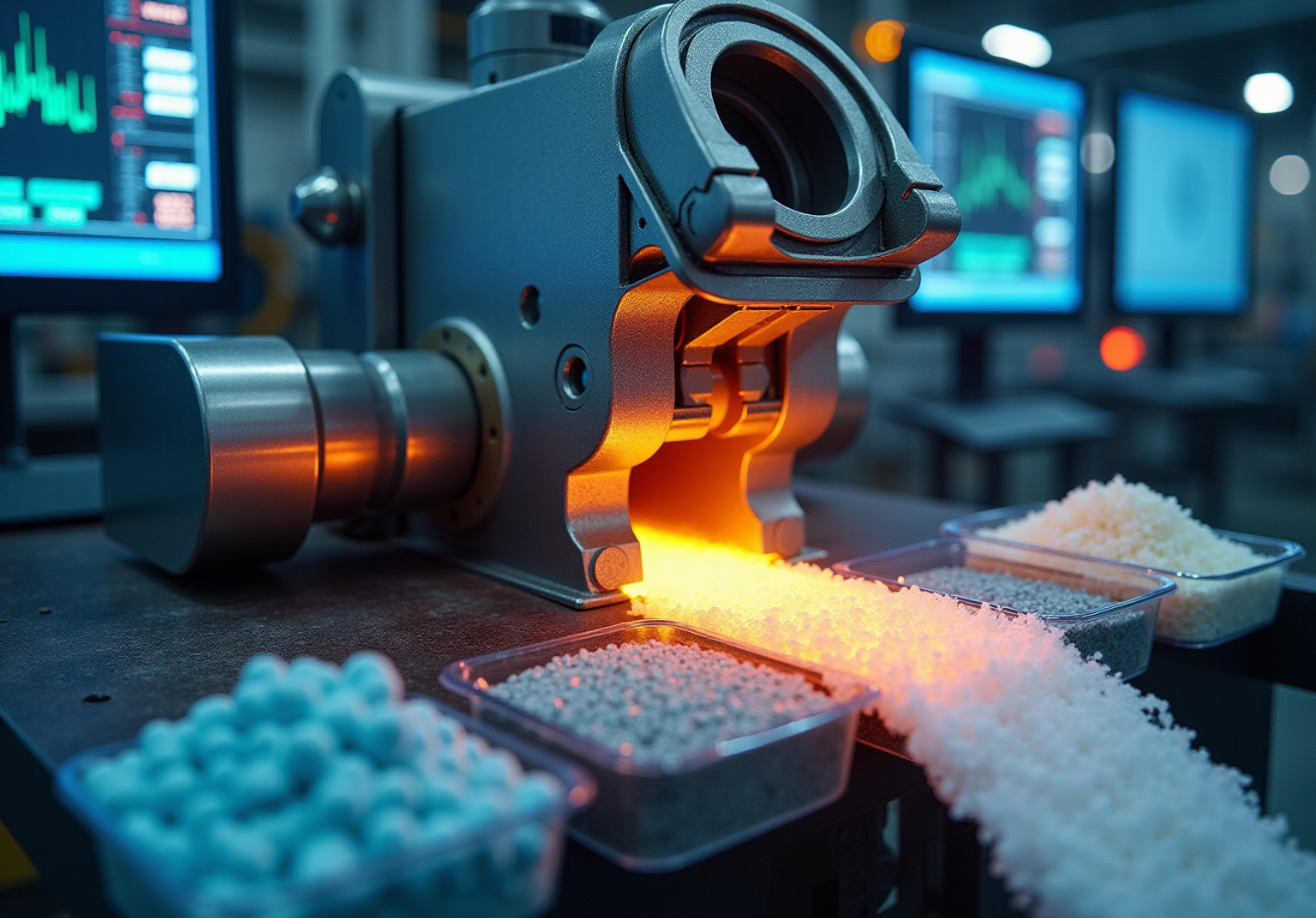
Plastic shaping is a method that melts down materials like PVC, polyethylene, and polypropylene, then forces them through a shaped die to create continuous profiles. This process is super important for making all sorts of products, from pipes and tubes to components designed for specific uses in industries like manufacturing and OEM machinery. The ability of plastic molding to create detailed shapes with consistent cross-sections is key to keeping production efficient and cost-effective.
Now, let’s discuss why OEM managers need to familiarize themselves with the extrusion process to effectively manage the production workflow. Understanding this can help them pinpoint the right resources and designs from the available materials that meet their operational needs. For example, using advanced machinery can really speed things up by pushing polymers through quickly. Plus, dual-nozzle setups allow for the simultaneous use of two materials, which is great for creating layered or mixed products. These innovations not only boost productivity but can also enhance product quality.
You might be wondering how to ensure consistent quality in all this. Well, incorporating best practices into production lines can tackle common challenges that pop up during the design process. With the extruded plastics market expected to reach $184.41 billion by 2026, it’s clear that implementing improvements in plastic processing is more important than ever. By tapping into these advancements, OEM managers can fine-tune their procurement strategies and really enhance the performance of their machinery.

Optimize Material Selection and Preparation for Efficiency
Choosing the right components as outlined in the guidelines is super important if you want to achieve optimal results. Think about it: there are some of the go-to materials out there, each with its own unique traits that fit specific needs. For instance, PVC is often the favorite for its strength and durability, making it perfect for construction applications. On the flip side, polyethylene shines with its flexibility and chemical resistance, which is just what you need for applications that demand a bit of resilience.
Now, let’s talk about material preparation. It’s crucial! This might mean taking steps to get rid of moisture and making sure the pellet sizes are consistent for smooth processing. By teaming up with resin suppliers and really understanding the material properties, OEM managers can seriously enhance production efficiency and product quality. This smart approach not only ramps up efficiency but also ensures that the final products hit all the necessary specifications. So, what do you think? Ready to dive into the details and make your production process even better?

Implement Step-by-Step Best Practices in the Extrusion Process
To get the best results in the plastic extrusion process, OEM managers should keep a few best practices in mind:
- Material Preparation: First off, make sure your materials like PVC, polyethylene, and polypropylene are dry and free from any contaminants. This little step can save you from defects during shaping.
- Temperature Control: Now, let’s talk about temperature. Keeping a consistent temperature throughout the extrusion process is super important. It helps avoid issues like substance degradation and ensures a smooth flow. Industry standards recommend sticking to specific temperature ranges based on what you’re processing.
- Die Design: Next up, think about your die design as outlined in the design guidelines. Using that design to reduce flow restrictions and promote even material distribution is key. This is essential for obtaining high-quality extruded profiles according to the specifications.
- Parameter Monitoring: Don’t forget to keep an eye on your extrusion parameters, like pressure and temperature. Making adjustments as needed can really help maintain the quality of the output. Consider implementing a production monitoring system to blend technology with your traditional practices.
- Quality Control: Finally, establish solid quality control measures. Catching defects early in production is crucial. Regular inspections and testing of extruded items will ensure they meet the specified tolerances and performance standards, which vary based on materials and applications.
By following these best practices, you can really boost the efficiency and quality of your extruded items. This not only leads to happier customers but also contributes to your operational success!

Identify and Mitigate Common Challenges in Plastic Extrusion
Plastic extrusion can be a bit tricky, right? OEM managers face a few challenges that need some serious attention to keep production running smoothly. Let’s break down some of these key issues:
- Variations in melt pressure: Ever noticed how variations in melt pressure can mess with product quality? It can lead to defects and inconsistencies that nobody wants. To tackle this, it’s super important to monitor material flow and ensure a steady supply of materials. Plus, setting up continuous monitoring systems can help catch those fluctuations early on.
- Surface imperfections: Surface imperfections can pop up due to poor die design or contamination. Keeping those dies well-maintained and cleaning components regularly are essential steps to prevent issues. And don’t forget, using high-quality materials can really help minimize these risks.
- Stable processing conditions: Stable processing conditions are key for consistent extrusion quality. By using advanced control systems, you can make real-time adjustments to keep processing conditions just right throughout production.
- Overheating: Overheating can lead to materials breaking down, which isn’t good for their properties. It’s crucial to keep an eye on processing temperatures and times, especially for sensitive materials like polypropylene. A systematic approach to temperature management can help prevent degradation and keep your products in top shape.
By recognizing these challenges and taking proactive steps, your team can improve production outcomes. This not only enhances operational efficiency but also leads to happier customers. So, what steps are you taking to tackle these issues in your production line?

Conclusion
Mastering the ins and outs of plastic extrusion design is super important for OEM managers who want to boost production efficiency and product quality. Getting to know the plastic extrusion process and its best practices can really streamline operations and make sure the final products meet the tough standards of various industrial applications.
Now, let’s highlight some key points:
- Choosing the right materials
- Keeping a close eye on temperature control
- Setting up effective monitoring systems
Each of these factors is crucial for tackling common challenges during the extrusion process. By doing so, you’ll end up with higher quality outputs and less waste. If OEM managers take a structured approach to material preparation and follow step-by-step best practices, they can really enhance their manufacturing processes.
So, why is efficient plastic extrusion such a big deal? Well, as the market for extruded plastics keeps growing, embracing these best practices isn’t just a nice-to-have; it’s a must for staying competitive. OEM managers should definitely tackle challenges head-on, optimize their processes, and take advantage of new technology to keep their operations leading the pack. By taking these steps, you’ll not only improve product performance but also support sustainable manufacturing practices, setting the stage for future success.
Frequently Asked Questions
What is plastic extrusion?
Plastic extrusion is a high-volume manufacturing method that melts materials like PVC, polyethylene, and polypropylene, then forces them through a shaped die to create continuous profiles, which are used to make various products.
Why is plastic extrusion important?
Plastic extrusion is crucial for producing a wide range of products, including pipes, tubes, and custom profiles, which are essential in industries like manufacturing and OEM machinery. It enables the creation of detailed shapes with consistent cross-sections, ensuring efficient and high-quality production.
How can OEM managers benefit from understanding the plastic extrusion design guide?
Familiarity with the plastic extrusion design guide helps OEM managers identify the right resources and designs that meet their operational needs, improving the management of the extrusion process.
What are some innovations in plastic extrusion that can enhance production efficiency?
Innovations such as high-flow systems, which push polymers through quickly, and dual-nozzle setups, which allow for the simultaneous use of two materials, can increase production efficiency and reduce waste by up to 25%.
How can consistent quality be ensured in plastic extrusion?
Incorporating advanced monitoring and control systems into production lines can help address common challenges during the design process, ensuring consistent quality in the extruded products.
What is the projected market growth for extruded plastics?
The extruded plastics market is expected to reach $184.41 billion by 2026, highlighting the importance of implementing efficient and sustainable methods in plastic processing.
List of Sources
- Define Plastic Extrusion: Process and Importance
- jurryextrusion.com (https://jurryextrusion.com/blog/2026-best-plastic-extruder-design-tips-innovations)
- The Role of Plastic Extrusion in Modern Manufacturing | Rocal (https://rocalextrusions.co.uk/news/the-role-of-plastic-extrusion-in-modern-manufacturing)
- Emerging Trends Shaping Plastic Extruders in 2026 (https://audop.com/c/emerging-trends-shaping-plastic-extruders-in-2026.htm)
- Benefits of Plastic Extrusion Manufacturing (https://paulmurphyplastics.com/industry-news-blog/benefits-of-plastic-extrusion-manufacturing)
- pexco.com (https://pexco.com/news-and-events/custom-plastic-extrusion-and-its-value-in-engineered-applications)
- Optimize Material Selection and Preparation for Efficiency
- A Guide to Material Selection for Extrusion | Inplex LLC (https://inplexllc.com/blog/a-guide-to-material-selection-for-extrusion)
- U.S.-Canadian PE and PP markets look for better days in 2026 (https://plasticsnews.com/suppliers/materials/pn-sagel-pe-pp)
- Next-Gen Plastic Extrusion Driving Efficiency & Sustainability (https://plastics-technology.com/articles/next-gen-plastic-extrusion-innovations-powering-efficiency)
- Choosing Materials for Plastic Extrusion - PET (https://plasticextrusiontech.net/choosing-the-right-materials-for-plastic-extrusion)
- colowextruder.com (https://colowextruder.com/news/analysis-and-prediction-of-plastic-market-tren-85461333.html)
- Implement Step-by-Step Best Practices in the Extrusion Process
- Interplas Insights | Latest Plastics Extrusion Machinery News (https://interplasinsights.com/plastics-machinery/plastics-extrusion-machinery-news)
- ptonline.com (https://ptonline.com/news/novel-extruder-takes-unique-approach-to-feeding-melting)
- How Temperature Impacts Plastic Extrusion (https://paulmurphyplastics.com/industry-news-blog/how-temperature-impacts-plastic-extrusion)
- extruderfactory.com (https://extruderfactory.com/news/industry-news/accuracy-and-stability-of-the-temperature-control-system-in-a-small-plastic-extruder.html)
- rayda.co.uk (https://rayda.co.uk/blog/the-role-of-temperature-control-in-high-quality-extrusion)
- Identify and Mitigate Common Challenges in Plastic Extrusion
- Plastics Extrusion: 4 Critical Statistics to Track for Increased Quality & Plant Profit (https://gaugeadvisor.com/2025/05/26/plastics-extrusion-4-critical-statistics-to-track-for-increased-quality-plant-profit)
- ptonline.com (https://ptonline.com/articles/use-pressure-control-to-minimize-process-variations-in-single-screw-extrusion)
- cowinextrusion.com (https://cowinextrusion.com/managing-low-melt-temperature-in-twin-screw-extrusion-causes-impacts-and-solutions)
- colowextruder.com (https://colowextruder.com/news/facing-the-pain-points-of-the-granulation-indu-85424900.html)
- Common problems in the plastic extrusion process - SHARC (https://sharcpm.com/news/common-problems-in-the-plastic-extrusion-process)
Related posts

Discover key plastic extrusion process steps that ensure quality and efficiency for OEM managers.


Discover essential FDA compliant plastics for safe and sustainable food packaging solutions.
Discover the essential properties, types, and applications of high temp plastic in various industries.
