

Master Plastic Density: Key Insights for OEM Purchasing Managers
Introduction
Navigating the world of plastic density can feel a bit overwhelming, right? For OEM purchasing managers, understanding this crucial property is key when it comes to selecting materials for manufacturing. It’s not just about the numbers; plastic density affects everything from the strength and flexibility of products to how cost-effective and efficient production processes can be.
But here’s the kicker: many factors influence plastic density, like material composition and processing conditions. So, how can purchasing managers make sure they’re making informed decisions that align with their operational goals? Let’s dive into this together!
Define Plastic Density and Its Importance in Manufacturing
When it comes to plastic, have you ever thought about how plastic density, or its mass per unit volume, really matters? It’s basically the amount of material packed into a space, usually measured in grams per cubic centimeter (g/cm³) or kilograms per cubic meter (kg/m³). This fundamental property, such as plastic density, plays a huge role in how materials perform - think strength, flexibility, and thermal stability. For OEMs, understanding plastic density is crucial. It affects not just the physical traits of the final product but also the cost and efficiency of the manufacturing process. For example, lighter materials like LDPE tend to be more flexible, making them perfect for applications that need a bit of give. On the flip side, higher density options like HDPE bring more strength and durability to the table. Knowing this helps managers pick the right materials for their specific needs, ensuring everything runs smoothly and cost-effectively.
At Lincoln Plastics, we’re all about working hand-in-hand with OEMs to make sure their products hit all the quality standards, including those special checks for ‘fit and function’. Our quality system is pretty robust, featuring a dedicated quality book for each profile. This includes detailed drawings, critical in-process checks, and run documentation. We also use various check gauges to ensure everything fits just right for its intended use. Plus, we can easily match colors to your Pantone specifications, keeping things consistent across manufacturers. This commitment to accuracy and quality assurance is vital in the manufacturing world, which impacts so many sectors, from automotive to food packaging. Did you know that the synthetic goods sector is the eighth largest industry in the US based on gross output in 2023? That really highlights why understanding plastic density is so important. And with technology and sustainable practices evolving, the future of plastic manufacturing is looking brighter, allowing for more efficient production methods that respect our environment.
So, how can purchasing managers make the most of this knowledge? By aligning with production capabilities, they can boost efficiency and ensure that the final products meet those tough performance standards. This insight supports better decision-making in material selection, leading to improved outcomes and cost-effectiveness in production. As Matt Seaholm, president and CEO of PLASTICS, pointed out, the industry has shown resilience and adaptability. It’s crucial for purchasing managers to stay in the loop about these developments.

Explore Factors Affecting Plastic Density
Several factors come into play when discussing plastic density. Let’s break it down:
- Polymer type: Different polymers have their own unique mass characteristics. For example, polypropylene is generally lighter than PVC, making it a better fit for certain applications.
- Additives: Ever heard of fillers like talc or glass fibers? They can actually increase density, boosting its mechanical properties. On the flip side, some additives can decrease density, leading to materials that are perfect for packaging.
- The processing conditions, such as temperature and pressure, can also impact density. For instance, using higher temperatures during processing might reduce density because it increases molecular movement.
- Environmental factors: Changes in humidity and temperature during manufacturing can alter the density of materials. Higher temperatures can cause expansion, while increased pressure can compress the material, impacting its overall mass.
Understanding these factors is crucial. It helps purchasing managers make informed choices about component selection and processing methods, ensuring that the final products meet performance standards. So, next time you’re faced with a decision, keep these insights in mind!

Apply Plastic Density Knowledge in Manufacturing Processes
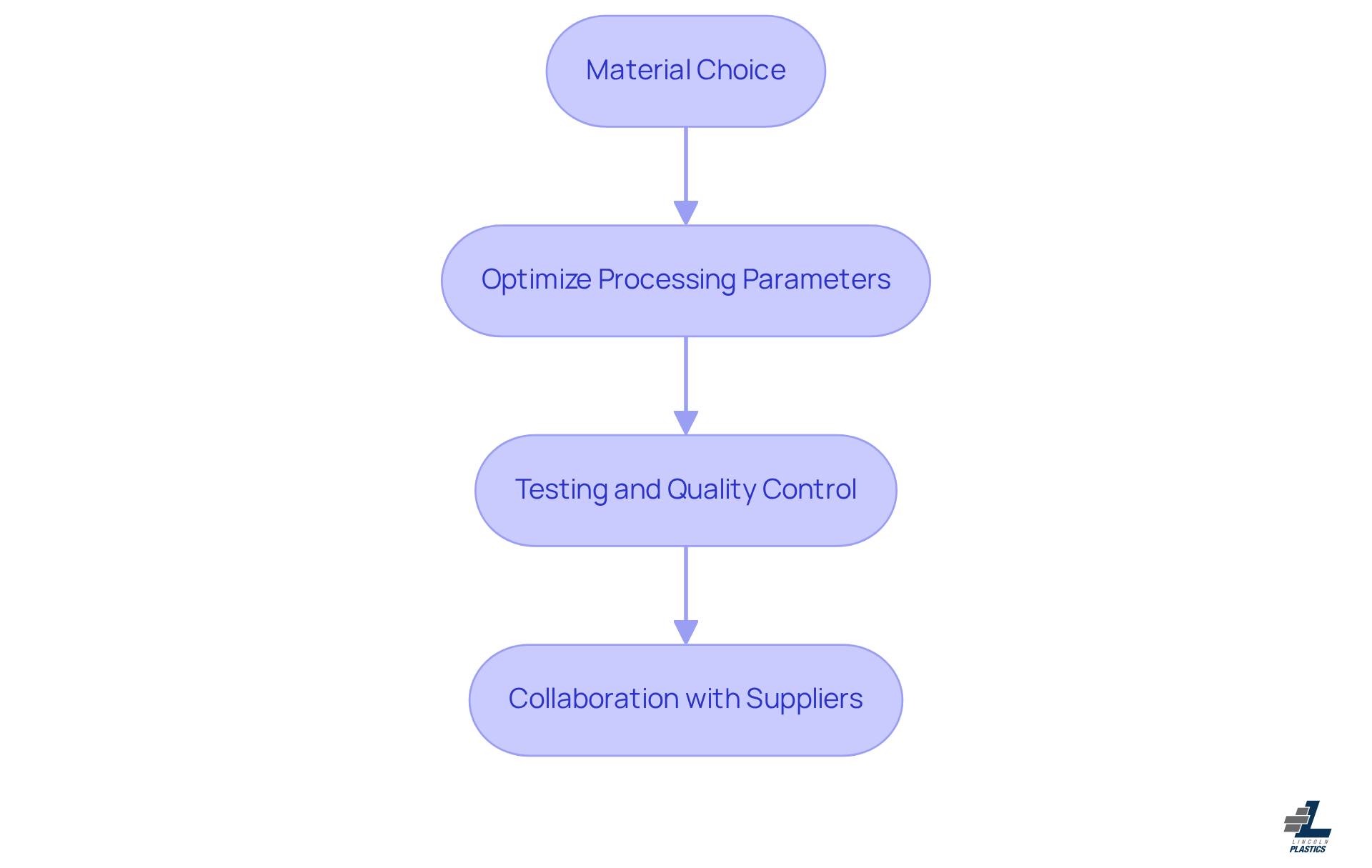
If you're in manufacturing, you understand the importance of achieving the right plastic density for your products. So, let’s dive into some steps that can really help you out:
- Material Choice: Think about the materials you’re selecting. For example, HDPE is fantastic for items that need to be strong and durable, while LDPE is your go-to for flexibility. And don’t forget about PVC and polypropylene - they each have their own perks depending on what you need for your applications.
- Optimize Processing Parameters: Adjusting things like temperature and pressure can make a big difference in the final product. For instance, cranking up the temperature during extrusion can help you achieve a lighter mass, which is super useful for creating lightweight profiles, especially in industrial equipment.
- Testing and Quality Control: Make testing a part of your routine. This ensures your final products hit the weight targets you’ve set. It’s a great way to catch any issues with density that might affect performance, keeping those extruded profiles strong and functional.
- Collaboration with suppliers involves teaming up with your resin suppliers to gain a better understanding of the properties of different materials. They can help you understand how to tweak these properties with additives or processing techniques. This partnership can lead to better choices and results, especially when you’re working on designs for your OEM equipment.
By putting these practices into action, you can really boost your production efficiency. It’s all about optimization and making your operations more efficient. Remember, focusing on the compactness of your materials and how you process them can make a huge difference in the success of your extrusion projects!
Overcome Challenges Related to Plastic Density in Procurement
often run into challenges with plastic weight during procurement. Sound familiar? Let’s explore some strategies that can help you tackle these issues head-on:
- Building strong relationships with suppliers. When you partner with suppliers who consistently deliver quality materials, you reduce the risks tied to variability. Plus, it keeps your supply chain running smoothly.
- When materials arrive, make sure to put them through some rigorous testing. This way, you can confirm they meet the necessary mass specifications. Taking this proactive step can save you from production headaches caused by incorrect substance thickness.
- Keep thorough records of concentration specifications and make sure everyone involved is on the same page. Clear communication can really streamline the procurement process and cut down on misunderstandings.
- Don’t hesitate to look into alternative materials that might offer similar performance, even if their weights differ. Being open to options can lead to cost savings and expand your sourcing possibilities.
- Invest in training for your procurement teams. The more they understand polymer weight and its impact on material selection, the better equipped they’ll be to make informed decisions.
By embracing these strategies, procurement managers can navigate the complexities associated with plastic density with ease, ensuring they procure the right materials for their manufacturing needs. So, what do you think? Ready to give these tips a try?

Conclusion
Understanding plastic density is super important for OEM purchasing managers. Why? Because it directly impacts material selection and how efficiently things get made. When you really grasp this property, you can make smarter choices that boost product performance and streamline production processes.
Now, let’s talk about some key insights shared in this article. We’ve looked at factors that affect plastic density, like material composition, additives, and processing conditions. Choosing the right materials and optimizing manufacturing parameters is crucial. Plus, we highlighted some best practices for quality control and working with suppliers. These strategies are essential for tackling procurement challenges related to plastic density, ensuring that the final products meet performance standards.
Ultimately, mastering plastic density not only helps you achieve operational efficiency but also sparks innovation in manufacturing processes. By staying informed and applying these insights, you can navigate the complexities of material selection and procurement. This paves the way for better product quality and sustainability in the industry. Embracing these practices is a step toward a more efficient and responsible manufacturing future. So, are you ready to take action?
Frequently Asked Questions
What is plastic density?
Plastic density refers to the mass per unit volume of plastic, indicating how much material is packed into a given space. It is typically measured in grams per cubic centimeter (g/cm³) or kilograms per cubic meter (kg/m³).
Why is plastic density important in manufacturing?
Plastic density is crucial because it affects the physical traits of the final product, including strength, flexibility, and thermal stability. Understanding plastic weight helps manufacturers choose the right materials, impacting cost and efficiency in the manufacturing process.
How do different densities of plastics affect their applications?
Lighter materials like low-density polyethylene (LDPE) are more flexible, making them suitable for applications that require some give. In contrast, higher density options like high-density polyethylene (HDPE) offer greater strength and durability.
How does Lincoln Plastics ensure quality in manufacturing?
Lincoln Plastics collaborates with OEMs to meet quality standards, utilizing a robust quality system that includes detailed drawings, critical in-process checks, and run documentation. They also use various check gauges to ensure proper fit and can match colors to Pantone specifications.
What industries benefit from understanding plastic density?
Understanding plastic density is vital across various sectors, including automotive and food packaging, as it impacts product quality and performance.
What is the significance of the synthetic goods sector in the US?
The synthetic goods sector is the eighth largest industry in the US based on gross output in 2023, highlighting the importance of understanding material characteristics like plastic density in manufacturing.
How can OEM purchasing managers utilize knowledge of plastic density?
By aligning material characteristics with production capabilities, OEM purchasing managers can enhance operational efficiency and ensure that final products meet performance standards, leading to improved outcomes and cost-effectiveness.
What is the outlook for plastic manufacturing in the future?
With evolving technology and sustainable practices, the future of plastic manufacturing is promising, allowing for more efficient production methods that respect the environment.
List of Sources
- Define Plastic Density and Its Importance in Manufacturing
- happyeconews.com (https://happyeconews.com/the-future-of-plastic-manufacturing-sustainability-and-innovation)
- plasticstoday.com (https://plasticstoday.com/industry-trends/report-us-plastics-industry-generates-550-7-billion-outpaces-manufacturing-growth)
- paulmurphyplastics.com (https://paulmurphyplastics.com/industry-news-blog/the-growing-role-of-plastics-in-emerging-technologies)
- prnewswire.com (https://prnewswire.com/news-releases/us-plastics-industry-helps-power-1-1-trillion-in-economic-output-making-products-that-support-nearly-5-million-american-jobs-302558406.html)
- Apply Plastic Density Knowledge in Manufacturing Processes
- marneplastics.com (https://marneplastics.com/top-five-trends-in-consumer-goods-plastics-injection-molding-2-2-2-2-2-2-2-2-2-2-2)
- zubairiplastics.com (https://zubairiplastics.com/blogs/sustainable-plastic-manufacturing-best-practices-and-methods)
- innovationnewsnetwork.com (https://innovationnewsnetwork.com/ornl-pioneers-polymer-editing-method-for-upcycling-plastic-waste/54741)
- brightpathassociates.com (https://brightpathassociates.com/excellence-in-production-best-practices-for-plastics-quality-control)
- banyannation.com (https://banyannation.com/blog/plastic-density)
- Overcome Challenges Related to Plastic Density in Procurement
- Plastics Industry Faces Cost and Policy Pressures (https://plasticstoday.com/industry-trends/plastics-industry-faces-mounting-challenges-in-2026)
- publication.sipmm.edu.sg (https://publication.sipmm.edu.sg/challenges-of-sustainable-procurement-in-the-plastics-industry)
- erm.com (https://erm.com/insights/three-steps-to-reinvent-the-plastics-supply-chain)
- 4 Best Practices for Supplier Reliability in Plastic Manufacturing (https://lincoln-plastics.com/news-post/4-best-practices-for-supplier-reliability-in-plastic-manufacturing)
- total-ps.com (https://total-ps.com/key-considerations-for-producing-reliable-plastic-parts)
Related posts

Right-Sized Production Runs: Flexibility Without the Waste
Lincoln Plastics offers right-sized production runs with a 10-hour minimum — balancing efficiency with flexibility so OEMs avoid oversized orders.


Co-Extrusion: Combining Two Materials for Better Performance
Lincoln Plastics offers co-extrusion, combining two plastics into a single profile for greater design freedom, performance, and cost savings.
Beyond Extrusion: Value-Added Services That Simplify Production
Beyond Extrusion: Value-Added Services That Simplify Production
