

Master Plastic Chemical Properties for Effective Procurement Strategies
Introduction
Mastering the chemical properties of plastics is crucial for procurement professionals aiming to secure high-quality materials that meet industry demands. Navigating the vast landscape of polymer options can be daunting for procurement professionals. They need to think about how these properties affect performance, compliance, and sustainability. Failure to grasp these properties can lead to costly procurement mistakes and compliance issues.
This article delves into the critical chemical properties of plastics. By grasping these critical properties, procurement experts can avoid pitfalls and ensure their material choices propel their organizations forward.
Understand the Composition and Structure of Plastics
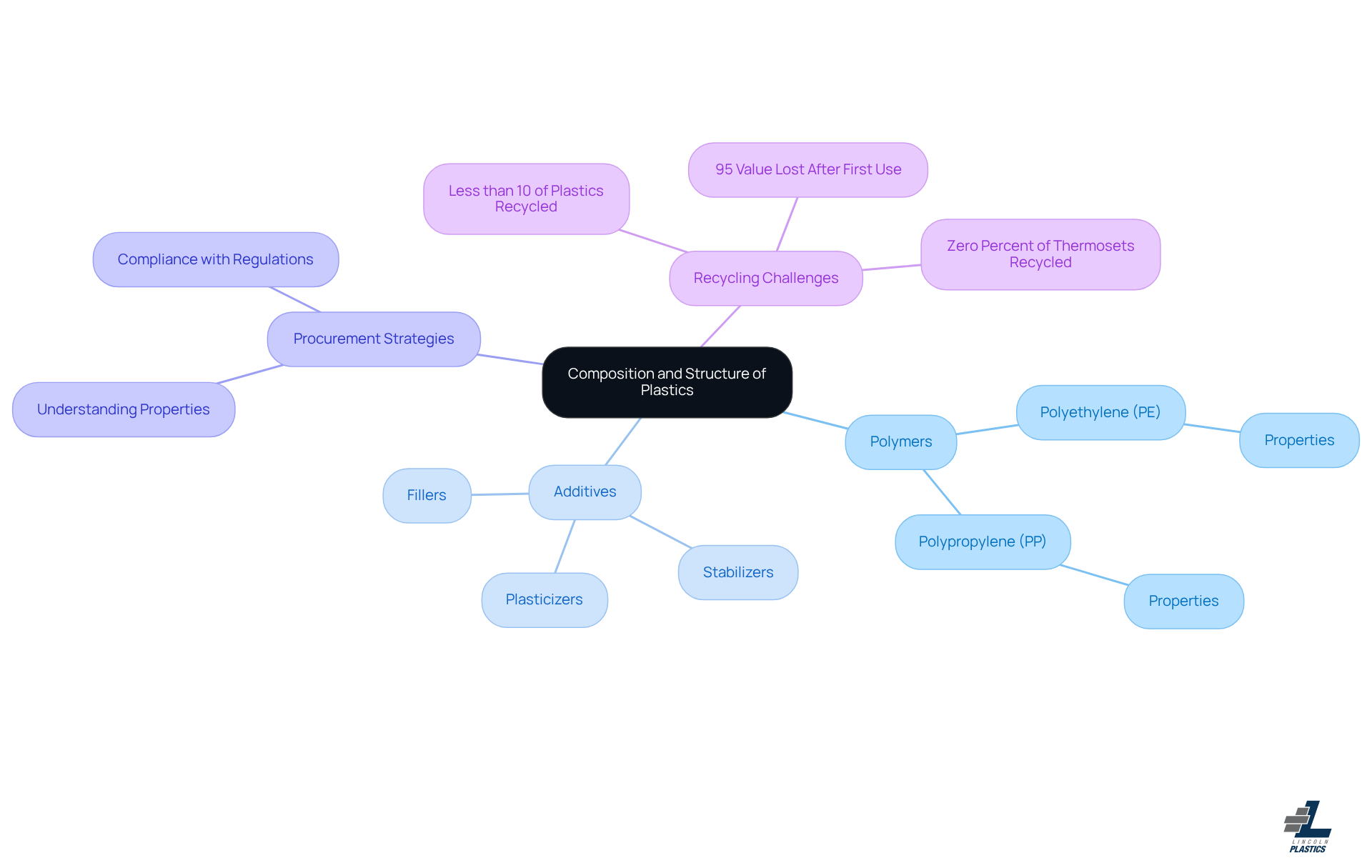
Understanding the intricacies of polymer composition is crucial for making informed procurement decisions in the extrusion industry. Plastics are fundamentally composed of polymers, which are long chains of repeating molecular units known as monomers. The type and arrangement of monomers directly influence the physical and plastic chemical properties of plastics. For instance, polyethylene (PE) and polypropylene (PP) are both thermoplastics, yet they exhibit distinct characteristics due to their unique molecular structures. This understanding is vital for procurement professionals tasked with selecting the appropriate materials for specific applications.
Choosing the right polymer can be daunting, especially with so many options available. Moreover, the incorporation of additives - such as plasticizers, stabilizers, and fillers - can significantly modify the plastic chemical properties of the base polymer. For example, the inclusion of UV stabilizers improves a material's resistance to degradation from sunlight, making it more suitable for outdoor applications. Recent advancements in polymer science have highlighted the potential for creating blends that optimize performance, with some blends outperforming their individual components by as much as 18 percent. Therefore, a thorough understanding of the plastic chemical properties of both the base polymer and any additives is essential for effective procurement strategies in the extrusion industry.
We at Lincoln Plastics partner with OEMs to ensure their products meet all quality requirements, including special checks for ‘fit and function.’ Our robust quality management program includes dedicated quality plans, in-process checks, and a quality book for each polymer profile, ensuring that critical dimensions are met. We utilize multiple types of check gauges to guarantee a proper end-use fit. Current statistics show that less than 10% of all polymers are recycled, and around 95% of the value of these substances is lost after their initial use, highlighting the significance of choosing resources that not only fulfill performance standards but also correspond with sustainability objectives. Furthermore, it is important to note that at present, zero percent of the world's thermoset substances are recycled, emphasizing considerable recycling challenges in the industry. As regulations around synthetic materials become stricter, procurement professionals must stay informed about the evolving landscape of polymer composition and structure to ensure compliance and optimize their purchasing strategies. As the industry evolves, staying ahead of these changes is not just beneficial; it's essential for success. For tailored solutions, we invite you to contact Lincoln Plastics experts today.
Identify Key Chemical Properties Relevant to Procurement
When it comes to selecting plastic materials, understanding their plastic chemical properties is essential for ensuring performance and reliability. Several key properties significantly influence how these materials perform in various applications:
- Tensile Strength: This characteristic assesses the highest stress a substance can endure while being extended or tugged. High tensile strength is crucial for applications requiring durability and resistance to deformation. For instance, polyamide-imide, known for its exceptional tensile strength of approximately 21,000 psi, is often utilized in aerospace and high-performance applications. Additionally, yield strength is critical as it defines the stress a material can withstand without permanent deformation, ensuring reliability in structural applications.
- Thermal Stability: Comprehending the temperature spectrum in which a polymer can preserve its characteristics without deteriorating is crucial, particularly for uses subjected to heat. Recent studies indicate that polypropylene (PP) exhibits varying thermal stability, with pure PP showing a 50% weight loss temperature of 293 °C. Notably, PP homopolymer has a higher number of tertiary carbon atoms, leading to faster degradation compared to its copolymers, which demonstrate improved thermal resistance.
- Chemical Resistance: Various polymers demonstrate differing degrees of resistance to chemicals, which is essential for uses in settings where contact with solvents, acids, or bases is probable. For example, polyetherimide is known for its excellent chemical resistance, making it suitable for medical devices and automotive parts.
- Impact Resistance: This characteristic indicates how well a plastic can withstand sudden forces or shocks without breaking. It is particularly important for products used in high-stress environments. Case studies have demonstrated that substances with higher molecular weights and increased crystallinity typically improve impact resistance, rendering them more appropriate for demanding applications.
Choosing the right plastic can be daunting, considering the myriad of plastic chemical properties to evaluate. By mastering these properties, you can ensure optimal performance and reliability in your applications. Understanding the latest trends in tensile strength needs and the chemical characteristics of polymers is essential for enhancing sourcing strategies and ensuring operational efficiency. Mastering these characteristics not only enhances your sourcing strategies but also safeguards against costly product failures.

Implement Effective Evaluation Strategies for Plastic Materials
In the competitive landscape of procurement, ensuring the quality of plastic materials is non-negotiable for operational success. To achieve this, procurement professionals should implement the following evaluation strategies:
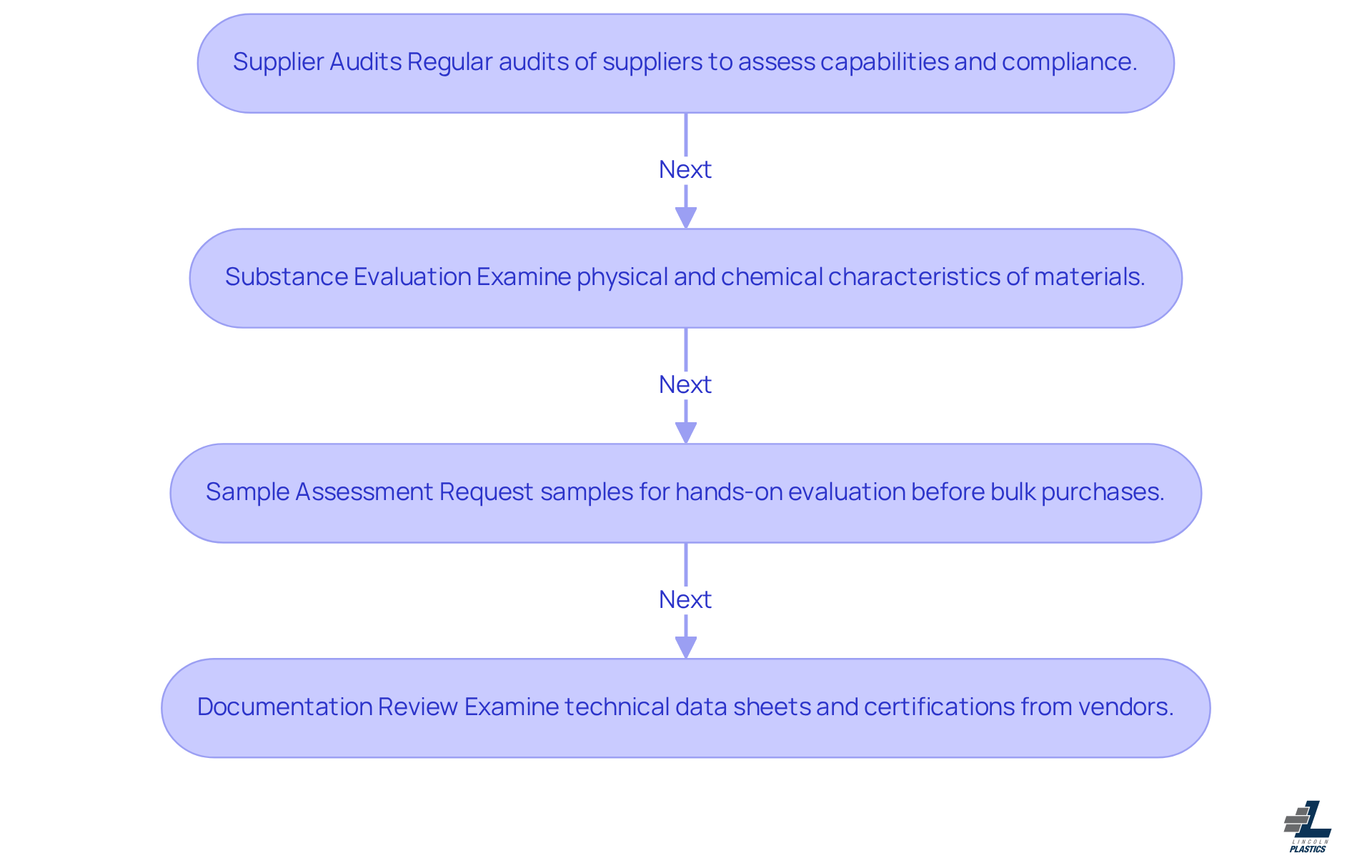
- Supplier Audits: Regular audits of suppliers are essential to assess their capabilities, quality control processes, and compliance with industry standards. This not only verifies that the materials meet specifications but also builds stronger relationships with suppliers, boosting overall supply chain reliability.
- Substance Evaluation: A thorough examination of substances is crucial for assessing their physical and chemical characteristics. This includes tensile testing, thermal analysis, and evaluation of plastic chemical properties, ensuring that materials perform as expected in their intended applications and meet safety standards.
- Sample Assessment: Requesting samples of substances before making bulk purchases allows for hands-on evaluation of their properties and performance in real-world conditions. This step is vital for confirming that the resources will meet operational requirements and quality standards.
- Documentation Review: Examining technical data sheets and certifications supplied by vendors is essential to confirm that substances meet industry standards and regulatory requirements. This practice ensures transparency and traceability in the purchasing process.
Without proper evaluation, procurement professionals risk selecting subpar materials that could compromise their operations. By adopting these evaluation strategies, sourcing experts can confidently secure high-quality polymers that meet their operational needs. Ultimately, these strategies empower sourcing experts to make informed decisions that safeguard their operations and enhance compliance.
Stay Updated on Regulatory Standards and Industry Best Practices
In the fast-paced world of plastics, staying ahead of regulatory changes is not just beneficial - it's essential for success. Purchasing experts must remain vigilant regarding regulatory standards and best practices to navigate compliance effectively. Key areas of focus include:
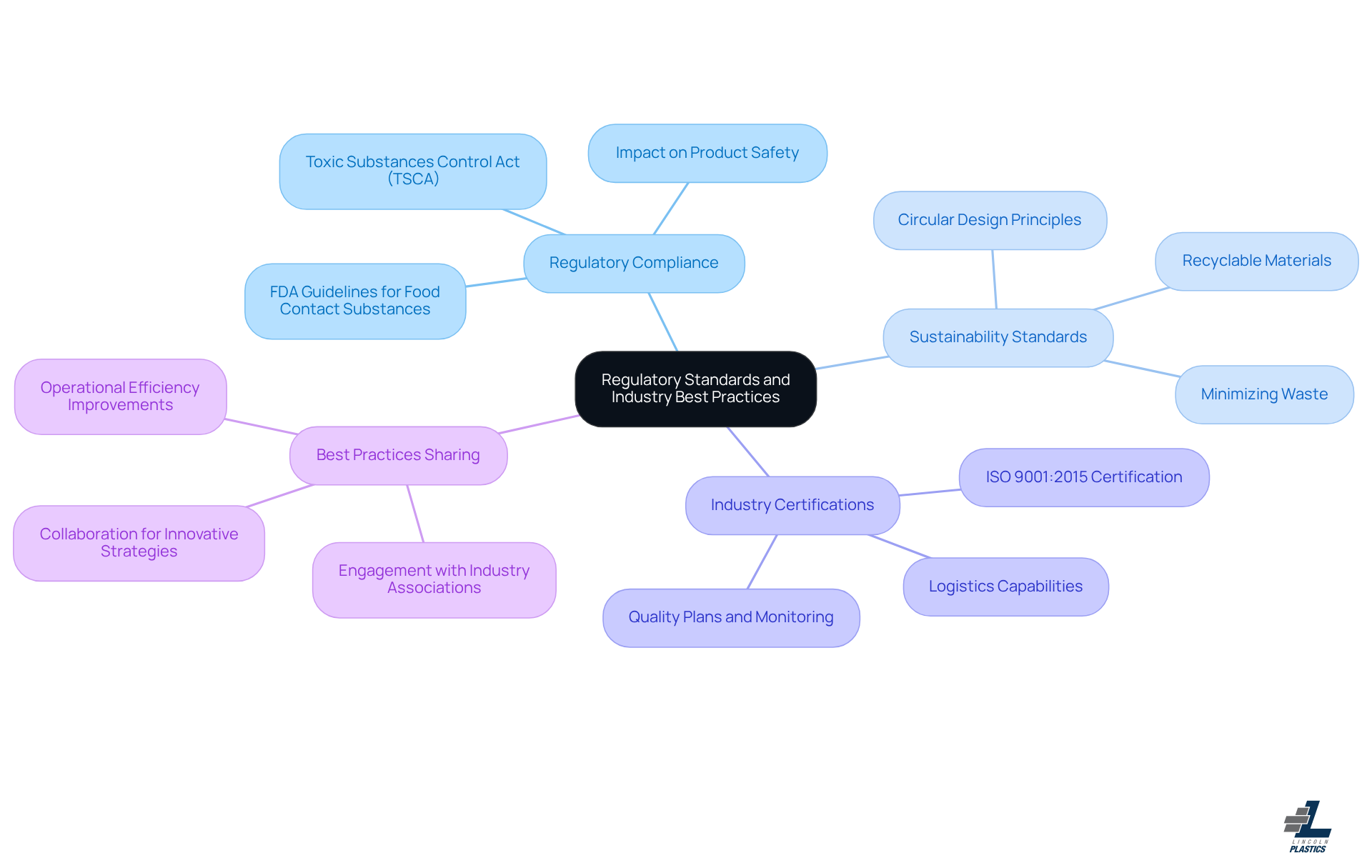
- Regulatory Compliance: Understanding regulations such as the Toxic Substances Control Act (TSCA) and FDA guidelines for food contact substances is crucial. How does compliance impact product safety? By adhering to these regulations, you not only mitigate legal risks but also ensure the safety and quality of your products.
- Sustainability Standards: As environmental concerns rise, how can purchasing strategies prioritize sustainability? It’s vital to obtain materials that are recyclable or contain recycled content while following guidelines designed to minimize waste. The global push for circular design principles is reshaping how brands approach packaging, making it crucial to align with these standards.
- Industry Certifications: When you partner with suppliers like Lincoln Plastics, who have industry certifications like ISO 9001:2015, you’re showing a real commitment to quality and improvement. Lincoln Plastics implements dedicated quality plans and process check sheets for each product, ensuring rigorous monitoring of critical dimensions and characteristics throughout production runs. Their strategic location in Lincoln, Nebraska, also enhances logistics capabilities, enabling quick order turnaround and efficient shipping options.
- Best Practices Sharing: Engaging with industry associations and networks facilitates the exchange of best practices and insights into emerging trends. This collaborative method can lead to innovative purchasing strategies that improve operational efficiency and compliance readiness.
As regulatory frameworks develop, especially with the expected global treaty on synthetic materials and state-level initiatives, procurement professionals must adjust their strategies accordingly. By embracing these strategies, procurement professionals can not only ensure compliance but also drive their organizations toward a more sustainable future. For tailored solutions, contact Lincoln Plastics today.
Conclusion
Mastering the chemical properties of plastics is not just beneficial; it's essential for procurement success in the extrusion industry. By understanding these properties, procurement professionals can make informed decisions that enhance product performance and ensure compliance with evolving regulations. The significance of selecting the right materials cannot be overstated, as it directly impacts the quality and reliability of the final products.
Key insights from this article highlight the importance of understanding polymer composition and evaluating key chemical properties such as:
- Tensile strength
- Thermal stability
- Chemical resistance
Implementing robust evaluation strategies is crucial. Regular supplier audits, thorough substance evaluations, and diligent documentation reviews empower procurement experts to secure high-quality materials. Furthermore, staying updated on regulatory standards and industry best practices is vital for navigating compliance and fostering sustainability in procurement processes.
However, many procurement professionals struggle to keep up with the complexities of material selection. As the landscape of plastic procurement continues to evolve, it is imperative for professionals to adapt their strategies accordingly. Talking to the experts at Lincoln Plastics can help you find solutions that fit your needs, ensuring that you not only meet operational demands but also align with sustainability goals. By prioritizing quality and compliance, you can ensure your procurement processes not only meet current demands but also set the stage for future success.
Frequently Asked Questions
What are the basic components of plastics?
Plastics are primarily composed of polymers, which are long chains of repeating molecular units known as monomers. The type and arrangement of these monomers influence the physical and chemical properties of the plastics.
How do different polymers affect the properties of plastics?
Different polymers, such as polyethylene (PE) and polypropylene (PP), exhibit distinct characteristics due to their unique molecular structures, which directly impact their physical and chemical properties.
What role do additives play in plastic composition?
Additives like plasticizers, stabilizers, and fillers can significantly modify the chemical properties of the base polymer. For example, UV stabilizers enhance a material's resistance to sunlight degradation, making it more suitable for outdoor applications.
Why is understanding polymer blends important?
Recent advancements in polymer science have shown that blends can optimize performance, with some blends outperforming their individual components by as much as 18 percent. Understanding these blends is crucial for effective procurement strategies in the extrusion industry.
How does Lincoln Plastics ensure quality in its products?
Lincoln Plastics partners with OEMs to meet quality requirements through a robust quality management program that includes dedicated quality plans, in-process checks, and a quality book for each polymer profile, ensuring critical dimensions are met.
What is the current recycling status of polymers?
Currently, less than 10% of all polymers are recycled, and around 95% of their value is lost after initial use. Additionally, zero percent of the world's thermoset substances are recycled, highlighting significant recycling challenges in the industry.
Why is it important for procurement professionals to stay informed about polymer composition?
As regulations around synthetic materials become stricter, procurement professionals must stay informed about the evolving landscape of polymer composition and structure to ensure compliance and optimize purchasing strategies.
How can I get tailored solutions from Lincoln Plastics?
For tailored solutions, you can contact Lincoln Plastics experts to discuss your specific needs and receive customized assistance.
List of Sources
- Understand the Composition and Structure of Plastics
- Durable plastic gets a sustainability makeover in novel polymerization process (https://phys.org/news/2025-01-durable-plastic-sustainability-makeover-polymerization.html)
- New system dramatically speeds the search for polymer materials (https://news.mit.edu/2025/new-system-dramatically-speeds-polymer-materials-search-0728)
- Promising breakthrough creates plastics that self-deconstruct on cue: Study (https://news.mongabay.com/2026/03/promising-breakthrough-creates-plastics-that-self-deconstruct-on-cue-study/amp)
- The future of polymers (https://engineering.stanford.edu/news/future-polymers)
- 8 Trends in Plastic Materials and Packaging for 2026 (https://productsandsolutions.pttgcgroup.com/en/market-movement/8-trends-in-plastic-materials-and-packaging-for-2026)
- Identify Key Chemical Properties Relevant to Procurement
- Tensile strength at yield: Types, factors, applications, & tests (https://specialchem.com/plastics/guide/strength-at-yield-tensile)
- Plastics Industry Faces Cost and Policy Pressures (https://plasticstoday.com/industry-trends/plastics-industry-faces-mounting-challenges-in-2026)
- Thermal Analysis of Plastics Used in the Food Industry - PMC (https://pmc.ncbi.nlm.nih.gov/articles/PMC8746179)
- Top 5 High Tensile Strength Plastics Explained (https://samaterials.com/blog/top-5-high-tensile-strength-plastics-explained.html)
- 2026 Forecast for U.S. Plastics Procurement - Sterling Plastics (https://sterlingplasticsinc.com/insights/2026-forecast-for-plastics-procurement)
- Implement Effective Evaluation Strategies for Plastic Materials
- Plastic Materials Testing (https://ul.com/services/plastic-materials-testing)
- How to Conduct a Supplier Audit | QIMA (https://blog.qima.com/supplier-audits/how-to-conduct-a-supplier-audit)
- Supplier Audits: A Complete Guide (https://deltek.com/resources/articles/supplier-audit)
- Mastering Plastic Volume Audits for ERP Compliance and Risk Mitigation (https://supplychainconnect.com/procurement/article/55352604/mastering-plastic-volume-audits-for-erp-compliance-and-risk-mitigation)
- Mastering Supplier Audits: A Comprehensive Step-by-Step Guide (https://zycus.com/blog/supplier-management/the-importance-of-effective-supplier-audit-management)
- Stay Updated on Regulatory Standards and Industry Best Practices
- Global Plastics Treaty 2026: Packaging Compliance Impact (https://plasticcollective.co/global-plastics-treaty-packaging-compliance)
- Regulation Is Reshaping Investment Decisions in Plastics (https://plasticsengineering.org/2026/07/regulation-is-reshaping-investment-decisions-in-plastics-011550)
- Newsroom - Plastics Industry Association (https://plasticsindustry.org/news)
- The Global Microplastics Regulatory Landscape in 2026: Active but Fragmented (https://3eco.com/article/news-and-insights/global-microplastics-regulations-2026-2)
- Navigating Recycled Plastics Regulations in 2026 (https://sustainabilityservices.eurofins.com/news/recycled-regulations-overview-2026-for-consumer-products)
Related posts

Discover the key benefits of ISO certified plastic extrusion services for reliability and efficiency.


Discover the diverse applications of plastic tubing PVC across industries, enhancing efficiency and safety.
Master the installation and benefits of strain relief clamps for range cords to enhance safety and reliability.
