
Master Modified Plastics: Best Practices for OEM Purchasing Managers
Introduction
Navigating the world of modified plastics can feel a bit overwhelming, right? For OEM purchasing managers, understanding these materials is key in today’s competitive landscape. These advanced plastics are designed to boost performance and meet tough environmental standards, especially in the automotive sector. But as the demand for these specialized materials rises, so do the challenges - think sourcing issues, supplier reliability, and managing costs.
So, how can purchasing managers adapt their strategies to tap into the full potential of modified plastics? It’s all about finding ways to mitigate risks and optimize supply chains. Let’s dive into some insights and solutions that can help you tackle these challenges head-on. You might be surprised at how straightforward it can be!
Understand the Basics of Modified Plastics
are essentially base polymers that have been tweaked - either chemically or physically - to boost their characteristics like strength, flexibility, and thermal stability. You know, these enhancements often involve adding additives that are tailored for specific applications. Take polycarbonate, for instance. It’s widely used in automotive parts because of its fantastic impact resistance and lightweight nature. Not only does this material help improve safety, but it also meets those strict regulatory standards, making it a go-to choice for manufacturers.
Now, as the automotive sector shifts towards more eco-friendly practices, the demand for materials that deliver both performance and sustainability is on the rise. Understanding these basics helps OEM purchasing supervisors make informed decisions, ensuring that the materials they pick align with operational needs and boost overall performance.
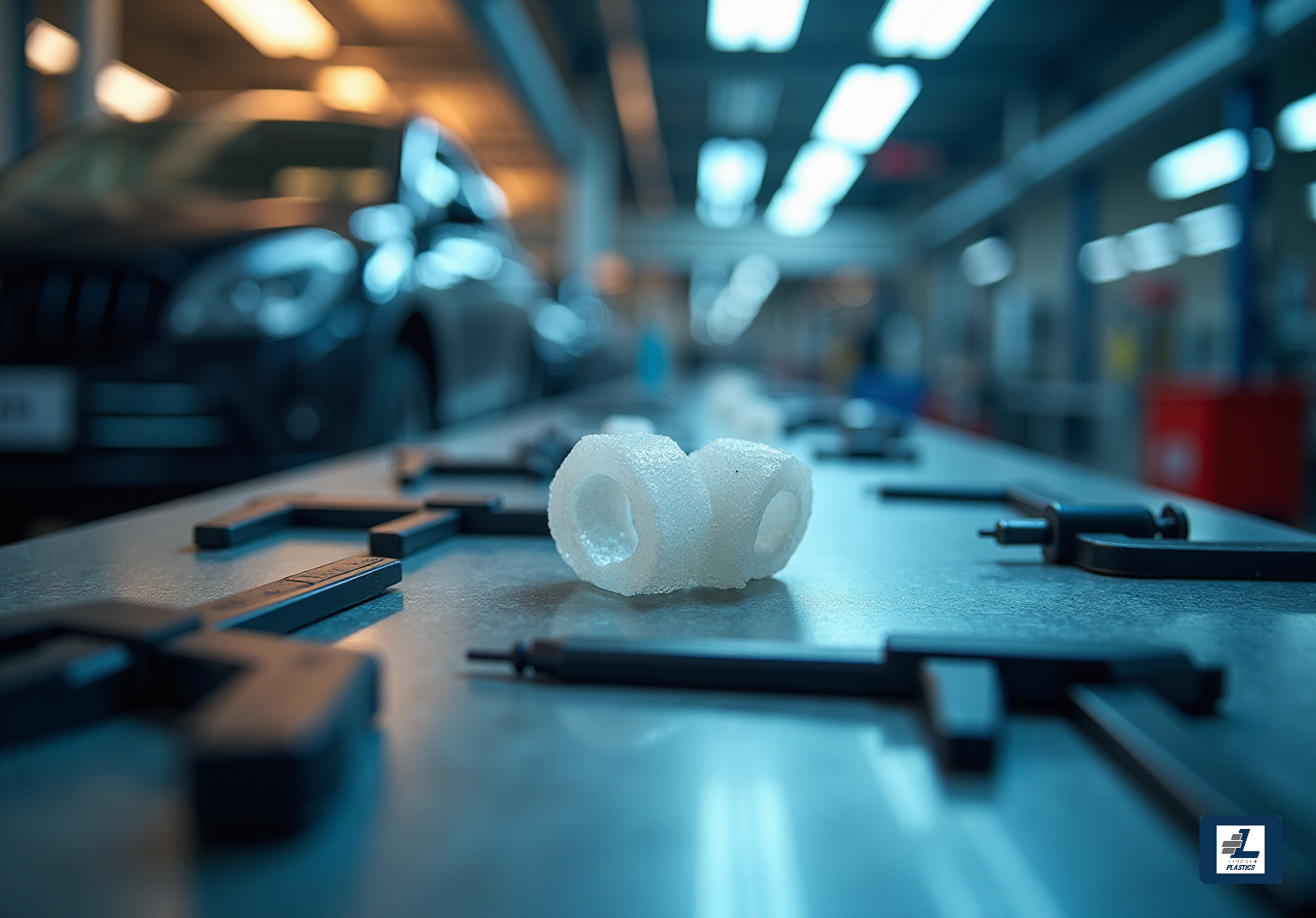
At Lincoln Plastics, we collaborate closely with suppliers to ensure our products meet all specifications. We even have special checks for fit and function. Plus, we use various types of check gauges to ensure a proper end-use fit. And if you need color matching, we can easily source those to match your Pantone specifications for consistency across manufacturers.

Implement Effective Sourcing Strategies for Modified Plastics
OEM purchasing managers often face a few challenges when it comes to sourcing modified plastics. So, what’s the best way to tackle this? Well, a solid strategy that focuses on effective sourcing is key. Start by identifying suppliers like Lincoln Plastics, who really know their stuff when it comes to modified materials. They also keep a close eye on market research to understand pricing trends, which are expected to show moderate inflation for many resins.
Now, let’s talk about quality. Lincoln Plastics collaborates closely with OEMs to ensure their products meet all the necessary specifications. They even perform special checks for ‘fit and function’ using tools like calipers and micrometers to guarantee a proper end-use fit. Plus, leveraging technology can really streamline procurement processes, making everything more efficient.
A crucial part of this strategy is the total cost of ownership (TCO) analysis. This helps managers evaluate the long-term value of materials by considering durability, lifecycle costs, and potential supply chain risks. Have you thought about participating in industry forums? It’s a great way to enhance inventory management and optimize procurement strategies, keeping production schedules running smoothly.
And here’s something to consider: sustainability practices are becoming important trends that can impact sourcing strategies. These approaches can help reduce risks associated with long lead times and geopolitical uncertainties. By adopting these practices and teaming up with quality-focused vendors like Lincoln Plastics, OEMs can navigate the complexities of the market and gain a competitive edge. So, why not start exploring these options today?

Evaluate Supplier Reliability and Manage Material Costs
When OEM purchasing professionals often encounter several challenges. One key step is to set up solid assessment standards for vendors. This means taking a good look at their performance, reliability, and how they've performed in the past. Regular audits and evaluations? Absolutely essential! They help keep vendors accountable and ensure everyone’s playing by the industry rules.
Now, let’s talk about something that can really impact your budget: material costs. Staying in the loop about price changes is crucial. Supervisors should be on the lookout for alternative suppliers to dodge those pesky cost hikes. And here’s a tip: incorporating contracts with suppliers can be a game-changer. They help protect against sudden market shifts, keeping your budget and your operations running smoothly.
So, what’s the takeaway? By establishing strong relationships and staying proactive about sourcing, you can confidently navigate the complexities of modified plastics. It’s all about making informed decisions that keep your budget intact and your operations efficient!

Cultivate Strong Supplier Relationships and Negotiate Contracts
Building strong connections with providers is all about consistent communication, transparency, and mutual respect. Have you thought about how regular discussions can help align expectations and tackle concerns before they become issues? In negotiations, it’s crucial to focus on crafting win-win scenarios that benefit everyone involved. This could mean joint projects, shared resources, or even teaming up on innovations.
Now, let’s talk about the long game. Building relationships not only boosts service levels but also sparks innovation. Vendors are more likely to invest in the success of clients they have partnerships with. Did you know that 69% of OEMs are diversifying their suppliers to ensure continuity? This reflects a strategic shift in how OEMs are approaching supplier relationships and risk management.
Experts often highlight the importance of understanding market dynamics and using data to strengthen your position. This way, both parties can effectively navigate the complexities of supply chains. So, what steps are you taking to foster these connections?

Conclusion
Navigating the world of modified plastics can feel a bit overwhelming, right? It’s all about understanding their properties, applications, and how to manage suppliers effectively. These materials are crucial for boosting product performance while keeping up with environmental standards. By honing in on smart strategies, OEM purchasing managers can simplify their procurement processes and pick the right materials for their needs.
So, what’s the deal with sourcing modified plastics? Well, quality assurance and customization are key. Plus, evaluating supplier reliability through thorough assessments and audits is a must. When you focus on the total cost of ownership and build strong relationships with vendors, you’re setting the stage for better negotiations and innovative partnerships. This can really ramp up your operational efficiency.
Now, let’s wrap this up. The shift towards modified plastics in manufacturing isn’t just a passing trend; it’s a strategic move. By adopting these best practices, OEMs can really position themselves for success in a competitive market. It’s all about taking proactive steps in sourcing, managing costs, and fostering partnerships that benefit everyone involved. The future of manufacturing with modified plastics looks bright, and those who embrace these practices will surely lead the way!
Frequently Asked Questions
What are modified plastics?
Modified plastics are base polymers that have been chemically or physically altered to enhance their characteristics, such as strength, flexibility, and thermal stability.
How are modified plastics enhanced?
Enhancements often involve adding fillers, reinforcements, or additives that are tailored for specific applications.
What is an example of a modified plastic and its application?
An example is modified polypropylene (PP), which is widely used in automotive components due to its excellent impact resistance and lightweight nature.
Why is modified polypropylene important in the automotive sector?
Modified polypropylene helps improve fuel efficiency and meets strict regulatory standards, making it a preferred choice for original equipment manufacturers (OEMs).
What trend is influencing the demand for modified plastics?
The automotive sector's shift towards more eco-friendly practices is increasing the demand for modified plastics that provide both performance and environmental compliance.
How does Lincoln Plastics ensure the quality of their modified plastics?
Lincoln Plastics collaborates with OEMs to ensure that their modified plastics meet all quality standards and conducts special checks for fit and function.
What methods does Lincoln Plastics use to ensure proper end-use fit?
They utilize various types of check gauges to ensure a proper end-use fit for their modified plastics.
Can Lincoln Plastics provide specific colors for modified plastics?
Yes, Lincoln Plastics can source specific colors to match Pantone specifications for consistency across manufacturers.
List of Sources
- Understand the Basics of Modified Plastics
- linkedin.com (https://linkedin.com/pulse/modified-polypropylene-material-market-long-term-k4kvf)
- globenewswire.com (https://globenewswire.com/news-release/2026/01/05/3212973/0/en/Polypropylene-Industry-Trends-and-Competition-Analysis-2025-2033-Rising-Demand-in-Construction-Sector-Strengthens-Polypropylene-Usage.html)
- openpr.com (https://openpr.com/news/4346096/molded-plastics-market-set-to-soar-innovations-growth)
- towardspackaging.com (https://towardspackaging.com/insights/automotive-plastic-compounding-market-sizing)
- kumhosunnyglobal.com (https://kumhosunnyglobal.com/news/thailand-top-5-modified-engineering-plastics-manufacturer-strategic-market-analysis-competitive-landscape-2025)
- Implement Effective Sourcing Strategies for Modified Plastics
- 2026 Forecast for U.S. Plastics Procurement - Sterling Plastics (https://sterlingplasticsinc.com/insights/2026-forecast-for-plastics-procurement)
- turnergroup.net (https://turnergroup.net/2026-challenges-and-opportunities-for-plastics-processing)
- juyuans.com (https://juyuans.com/top-5-most-watched-plastic-raw-material-trends-in-2026)
- veridion.com (https://veridion.com/blog-posts/how-to-identify-reliable-suppliers)
- Evaluate Supplier Reliability and Manage Material Costs
- plasticstoday.com (https://plasticstoday.com/industry-trends/plastics-industry-battles-mixed-economic-signals)
- gonplastics.com (https://gonplastics.com/a-the-impact-of-fluctuating-polymer-raw-material-prices-on-businesses.html)
- sterlingplasticsinc.com (https://sterlingplasticsinc.com/insights/how-the-2025-tariffs-will-impact-plastic-prices)
- plasticstoday.com (https://plasticstoday.com/legislation-regulations/us-tariffs-begin-impacting-plastic-industry-supply)
- starplastics.com (https://starplastics.com/price-increases-volatile-commodity-resins-and-shipping-concerns)
- Cultivate Strong Supplier Relationships and Negotiate Contracts
- Negotiating in a Rigged Resin Market: How Buyers Can Still Win (https://plasticsnews.com/resinsmart/negotiating)
- 4 Best Practices for Supplier Reliability in Plastic Manufacturing (https://lincoln-plastics.com/news-post/4-best-practices-for-supplier-reliability-in-plastic-manufacturing)
- veridion.com (https://veridion.com/blog-posts/supplier-sourcing-statistics)
- johnpobrienesq.com (https://johnpobrienesq.com/successful-strategies-oem-var-agreement-negotiation)
- ghrbal.com (https://ghrbal.com/the-future-of-long-term-partnerships-in-the-plastics-industry)


