

Master Industrial Plastic Tubing: Best Practices for OEM Managers
Introduction
In the fast-paced world of industrial plastic tubing, OEM managers face a critical challenge: optimizing operations while ensuring compliance with evolving industry standards. With a variety of materials and applications - from agriculture to medical devices - each type of tubing offers unique advantages that can significantly enhance product performance and operational efficiency.
But how can OEM managers effectively navigate these complexities to ensure compliance and fully leverage the advantages of plastic tubing? Let’s explore best practices for mastering industrial plastic tubing, so you can make informed decisions that give you a competitive edge.
Identify Key Types of Industrial Plastic Tubing
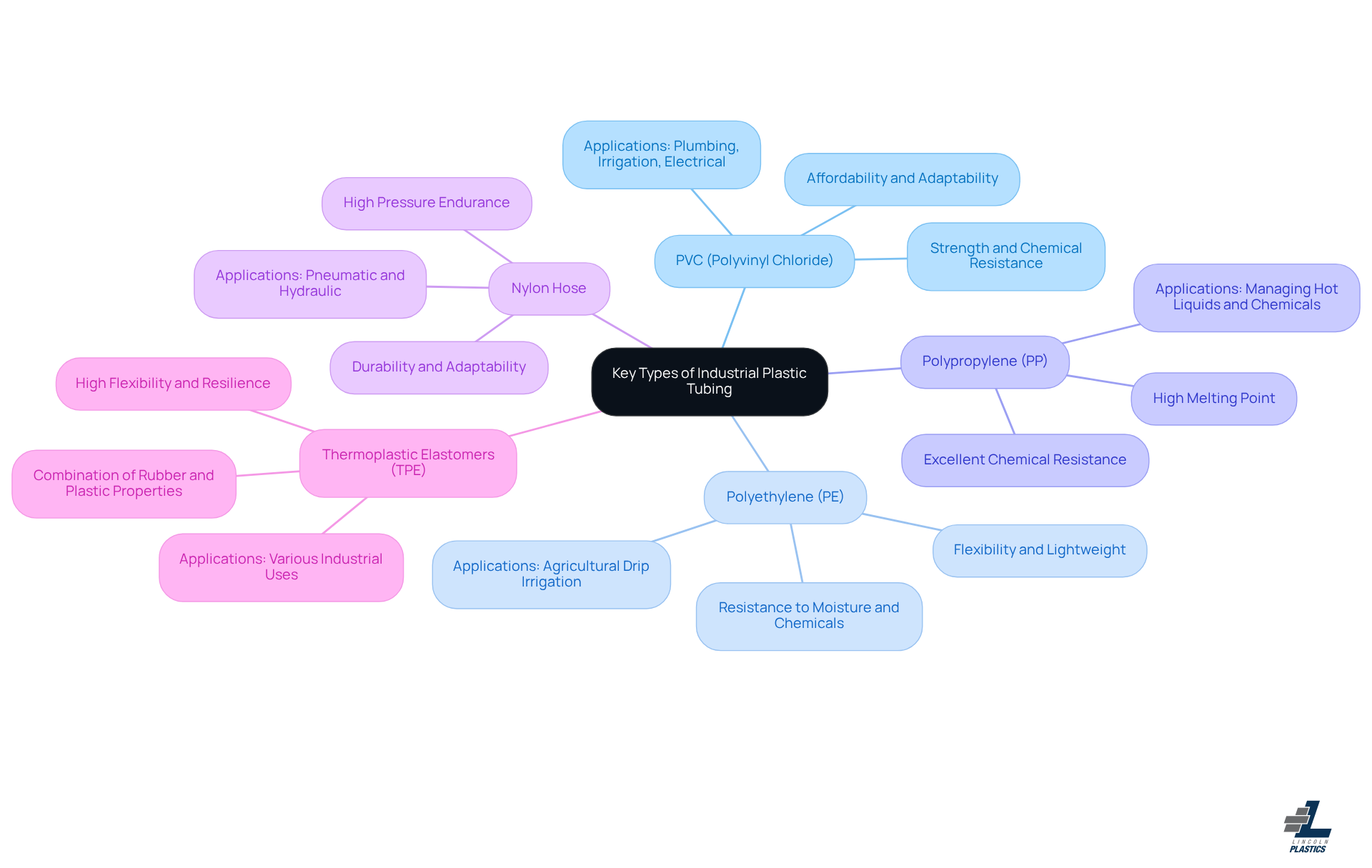
In the competitive landscape of industrial plastic tubing, understanding the distinct characteristics of each variety is crucial for success. Several key types stand out, each offering unique benefits tailored to specific applications:
- PVC (Polyvinyl Chloride): Known for its strength and resistance to chemicals, PVC pipes are widely used in plumbing, irrigation, and electrical applications. OEMs often turn to PVC for its affordability and adaptability, making it a go-to option in various applications.
- Polyethylene (PE): Valued for its flexibility and lightweight nature, polyethylene is commonly employed in agricultural settings, particularly in drip irrigation systems. Its resistance to moisture and chemicals enhances its suitability for these uses, and by 2026, it is gaining traction in agricultural irrigation systems.
- Polypropylene (PP): With excellent chemical resistance and a high melting point, polypropylene pipes are ideal for managing hot liquids and chemicals. Their robustness makes them a staple in industrial environments where durability is essential.
- Nylon Hose: Recognized for its durability and adaptability, nylon hose is often utilized in pneumatic and hydraulic applications. Its capacity to endure high pressures renders it suitable for a variety of industrial uses.
- Thermoplastic Elastomers (TPE): Combining the properties of rubber and plastic, TPE hoses are both adaptable and sturdy, making them ideal for applications that require high flexibility and resilience.
By understanding these pipe varieties, OEM managers can make informed choices that enhance product performance and durability. In 2026, the market share for these products is evolving, reflecting the latest trends in the industry. When selecting plastic pipes, it is essential to consider material compatibility, temperature and pressure requirements, flexibility, chemical resistance, and environmental conditions. Ultimately, informed choices in the selection of industrial plastic tubing can significantly impact operational efficiency and product reliability.
Evaluate Applications of Plastic Tubing in Various Industries
Plastic pipes, particularly industrial plastic tubing, are indispensable across various sectors, each leveraging their unique properties to fulfill specific requirements. Key applications include:
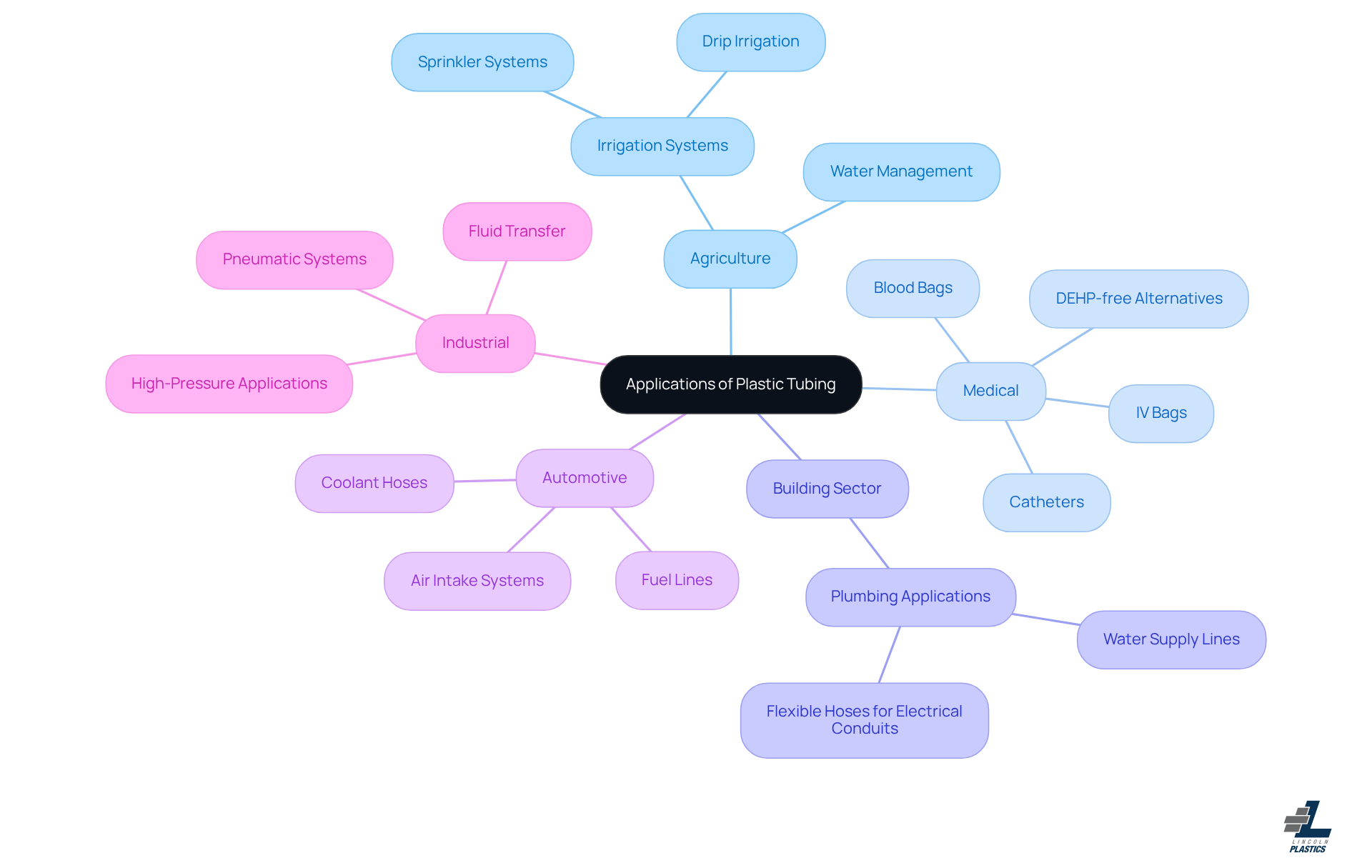
- Agriculture: Plastic piping plays a crucial role in irrigation systems, facilitating efficient water distribution and management. Lincoln Plastics specializes in tailored solutions for irrigation, utilizing high-quality industrial plastic tubing, including PVC and polyethylene (PE) pipes for drip irrigation and sprinkler systems. This allows farmers to optimize water usage and improve crop yields.
- Medical: In the medical field, synthetic pipes are crucial for devices like IV bags, catheters, and blood bags, ensuring safety and compliance with health regulations. Materials such as PVC are favored for their biocompatibility. Innovations in medical conduits have led to the development of DEHP-free alternatives, significantly enhancing patient safety and compliance in healthcare environments.
- Building Sector: The building sector extensively employs synthetic pipes for plumbing and electrical applications. Rigid PVC pipes are frequently utilized for water supply lines, while flexible hoses are used for electrical conduits, offering crucial protection and organization for wiring systems.
- Automotive: In the automotive sector, industrial plastic tubing is essential for applications such as fuel lines, coolant hoses, and air intake systems. The lightweight nature of plastic contributes to improved fuel efficiency while ensuring durability under high-pressure conditions, making it a preferred choice for manufacturers.
- Industrial: Industrial plastic tubing is vital in various applications of industrial machinery, including pneumatic systems and fluid transfer. Lincoln Plastics' expertise in custom profile extrusion and the extrusion molding process guarantees that their pipes can endure high pressures and temperatures, making them a dependable choice for OEMs looking to enhance their equipment's performance.
Are you struggling to find reliable piping solutions that meet industry standards? By choosing high-quality plastic pipes, you can enhance operational efficiency and ensure compliance with regulations. Understanding these applications empowers OEM managers to strategically enhance their market positioning and seize new growth avenues.
Understand Manufacturing Processes and Material Options for Plastic Tubing
In the competitive landscape of industrial plastic tubing manufacturing, understanding the essential processes and material options is crucial for OEM managers seeking to optimize their operations.
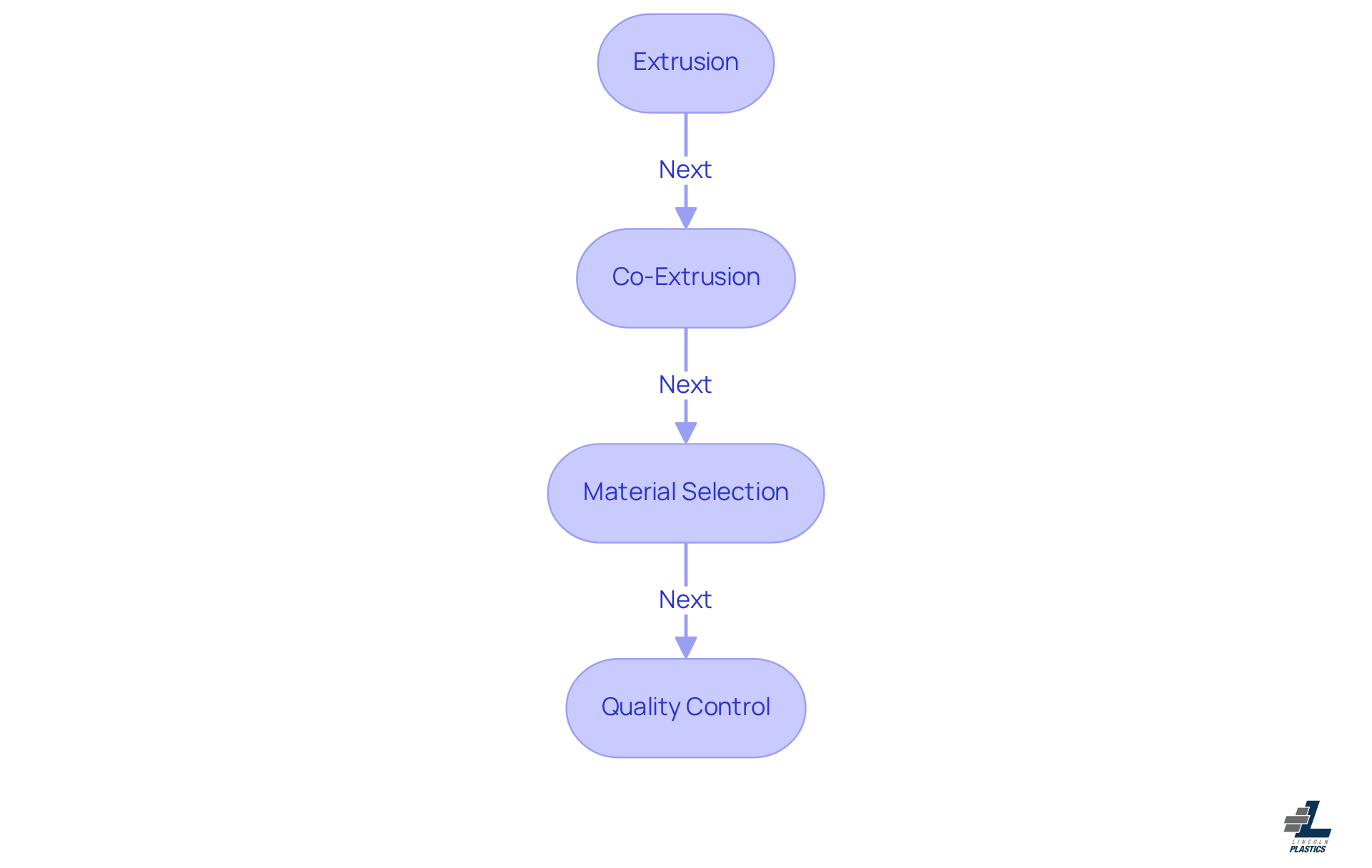
- Extrusion: This main technique for creating plastic pipes entails heating raw plastic pellets and pushing them through a die to form continuous lengths of pipe. The extrusion method enables accurate control over dimensions and substance characteristics, rendering it perfect for tailored uses. Achieving a Cpk score of 1.33 or higher is crucial for ensuring capable and well-tuned extrusion lines, which minimizes waste and enhances product quality.
- Co-Extrusion: This advanced technique allows the concurrent extrusion of two or more substances to create multi-layer pipes. Co-extrusion enhances properties such as flexibility, chemical resistance, and UV stability, making it particularly beneficial for applications that require specialized performance characteristics. Recent advancements in co-extrusion technology have improved tolerances by up to 30%, facilitating faster startups and more uniform products.
- Material Selection: Why is material selection so critical in plastic tubing manufacturing? Common substances used in industrial plastic tubing include PVC, polyethylene (PE), and polypropylene (PP), each providing unique benefits. For example, PVC is recognized for its rigidity and chemical resistance, while PE is preferred for its flexibility and lightweight nature. Comprehending the specific needs of applications is crucial for OEM managers when choosing substances, as this can greatly influence performance and durability.
- Quality Control: Implementing rigorous quality control measures throughout the manufacturing process is vital to ensure that the final product meets industry standards. Monitoring parameters such as temperature, pressure, and substance consistency helps prevent defects and ensures reliability. Employing in-line thickness gauges delivers real-time information, enabling prompt adjustments to uphold optimal specifications and minimize waste.
By mastering these processes, OEM managers not only elevate their production standards but also position themselves as leaders in the industry, ready to meet evolving customer demands.
Ensure Compliance with Industry Regulations and Standards
Navigating the complexities of synthetic hose production requires strict adherence to industry regulations and standards. OEM managers should consider the following key aspects:
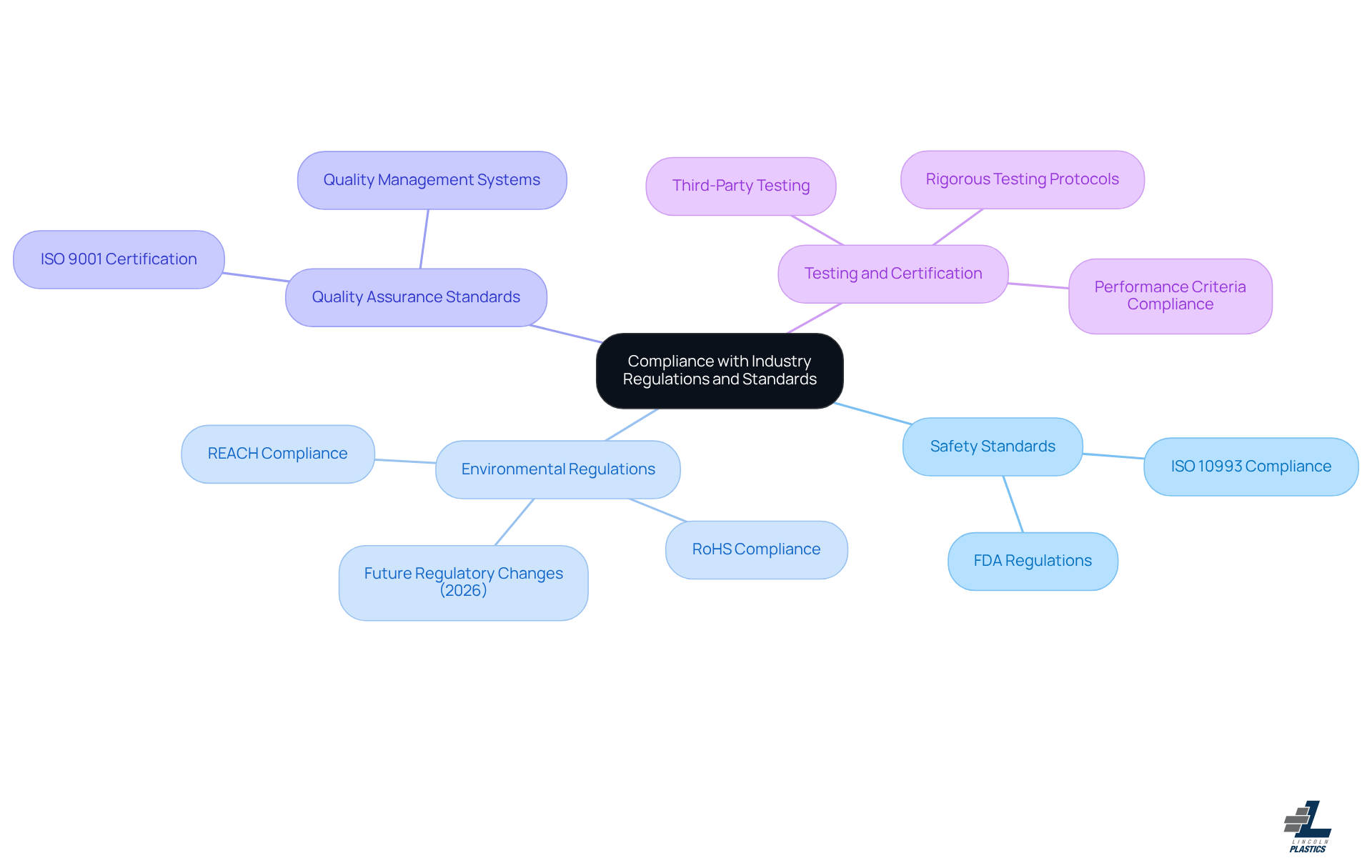
- Safety standards in industries such as medical and food sectors require that industrial plastic tubing substances comply with stringent safety standards. For instance, materials utilized in medical applications must comply with ISO 10993 and FDA regulations, ensuring biocompatibility and safety for end-users.
- Environmental Regulations: OEM managers must stay informed about environmental regulations affecting polymer manufacturing. Compliance with directives like REACH and RoHS is essential, as these regulations restrict the use of hazardous substances in production processes, promoting safer manufacturing practices. What challenges will you face as regulations evolve? As of 2026, new environmental regulations will further influence the landscape of synthetic pipe manufacturing, necessitating proactive compliance strategies.
- Quality Assurance Standards: Adopting quality assurance standards, particularly ISO 9001, is vital for ensuring product quality and consistency. Lincoln Plastics emphasizes a robust quality system that includes a dedicated quality book for each profile, which contains drawings, critical in-process checks, and run documentation. This certification not only reflects a commitment to quality management but also enhances customer confidence in the reliability of the products offered.
- The discussion includes the use of industrial plastic tubing. Testing and certification of industrial plastic tubing are crucial for ensuring that these products comply with industry standards. Lincoln Plastics works closely with OEMs to ensure that their products meet all quality requirements, including special checks for fit and function. This process often involves third-party testing to validate that products meet established performance criteria and safety regulations. Real-world examples, such as the complexities faced by healthcare organizations in maintaining compliance, highlight the importance of rigorous testing protocols in mitigating risks.
Embracing these standards not only safeguards your operations but also elevates your brand's reputation in the market.
Conclusion
In the fast-paced world of manufacturing, mastering industrial plastic tubing is not just beneficial; it's essential for OEM managers striving for operational excellence. Understanding the different types of plastic tubing and their applications is key. This knowledge allows managers to make informed decisions that directly impact their business outcomes. It positions them to meet current demands and prepares them for future market shifts.
The article delves into the specific characteristics of key plastic tubing materials such as PVC, polyethylene, and polypropylene, highlighting their unique benefits tailored for applications in agriculture, medical, automotive, and industrial sectors. Furthermore, it emphasizes the importance of manufacturing processes like extrusion and co-extrusion, alongside the necessity of adhering to stringent industry regulations and quality assurance standards. By leveraging this comprehensive understanding, OEM managers can optimize their operations and ensure compliance with evolving regulations, thereby enhancing their competitive edge.
It's clear that mastering industrial plastic tubing is crucial. As industries continue to evolve, the ability to select the right materials and processes will be paramount. OEM managers are encouraged to prioritize ongoing education and adaptation to industry trends. By committing to continuous learning and adaptation, OEM managers can safeguard their operations and position themselves as leaders in the industry, ready to seize new opportunities.
Frequently Asked Questions
What are the main types of industrial plastic tubing?
The main types of industrial plastic tubing include PVC (Polyvinyl Chloride), Polyethylene (PE), Polypropylene (PP), Nylon Hose, and Thermoplastic Elastomers (TPE).
What are the characteristics and uses of PVC tubing?
PVC tubing is known for its strength and chemical resistance. It is widely used in plumbing, irrigation, and electrical applications due to its affordability and adaptability.
Why is Polyethylene (PE) tubing popular in agricultural settings?
Polyethylene tubing is valued for its flexibility and lightweight nature, making it suitable for drip irrigation systems. Its resistance to moisture and chemicals enhances its effectiveness in agricultural applications.
What advantages does Polypropylene (PP) tubing offer?
Polypropylene tubing has excellent chemical resistance and a high melting point, making it ideal for managing hot liquids and chemicals in industrial environments.
In what applications is Nylon Hose typically used?
Nylon Hose is recognized for its durability and adaptability, often utilized in pneumatic and hydraulic applications due to its ability to endure high pressures.
What are the benefits of using Thermoplastic Elastomers (TPE)?
TPE hoses combine the properties of rubber and plastic, offering high flexibility and resilience, making them suitable for various applications that require adaptability.
What factors should be considered when selecting industrial plastic tubing?
When selecting plastic tubing, it is essential to consider material compatibility, temperature and pressure requirements, flexibility, chemical resistance, and environmental conditions.
How is the market for industrial plastic tubing expected to evolve by 2026?
By 2026, the market share for these products is evolving, reflecting the latest trends in the industry, which may impact the selection and use of industrial plastic tubing.
List of Sources
- Identify Key Types of Industrial Plastic Tubing
- plasticextrusiontech.net (https://plasticextrusiontech.net/capabilities/plastic-tubing)
- Evaluate Applications of Plastic Tubing in Various Industries
- Top Content on LinkedIn (https://linkedin.com/pulse/flexible-plastic-tubing-market-report-insights-from-industry-5ep1e)
- global.noharm.org (https://global.noharm.org/focus/plastics/case_studies)
- Designs and Applications of Plastic Tubing (https://iqsdirectory.com/articles/plastic-tubing.html)
- Understand Manufacturing Processes and Material Options for Plastic Tubing
- extrusion-info.com (https://extrusion-info.com/news)
- Plastics Extrusion: 4 Critical Statistics to Track for Increased Quality & Plant Profit (https://gaugeadvisor.com/2025/05/26/plastics-extrusion-4-critical-statistics-to-track-for-increased-quality-plant-profit)
- The Plastic Extrusion Process Explained (https://lakelandplastics.com/what-is-plastic-extrusion)
- Designs and Applications of Plastic Tubing (https://iqsdirectory.com/articles/plastic-tubing.html)
- Ensure Compliance with Industry Regulations and Standards
- Healthcare Compliance Updates: Key Regulatory Changes From March 2026 (https://verisys.com/resources/healthcare-compliance-updates-key-regulatory-changes-from-march-2026)


