
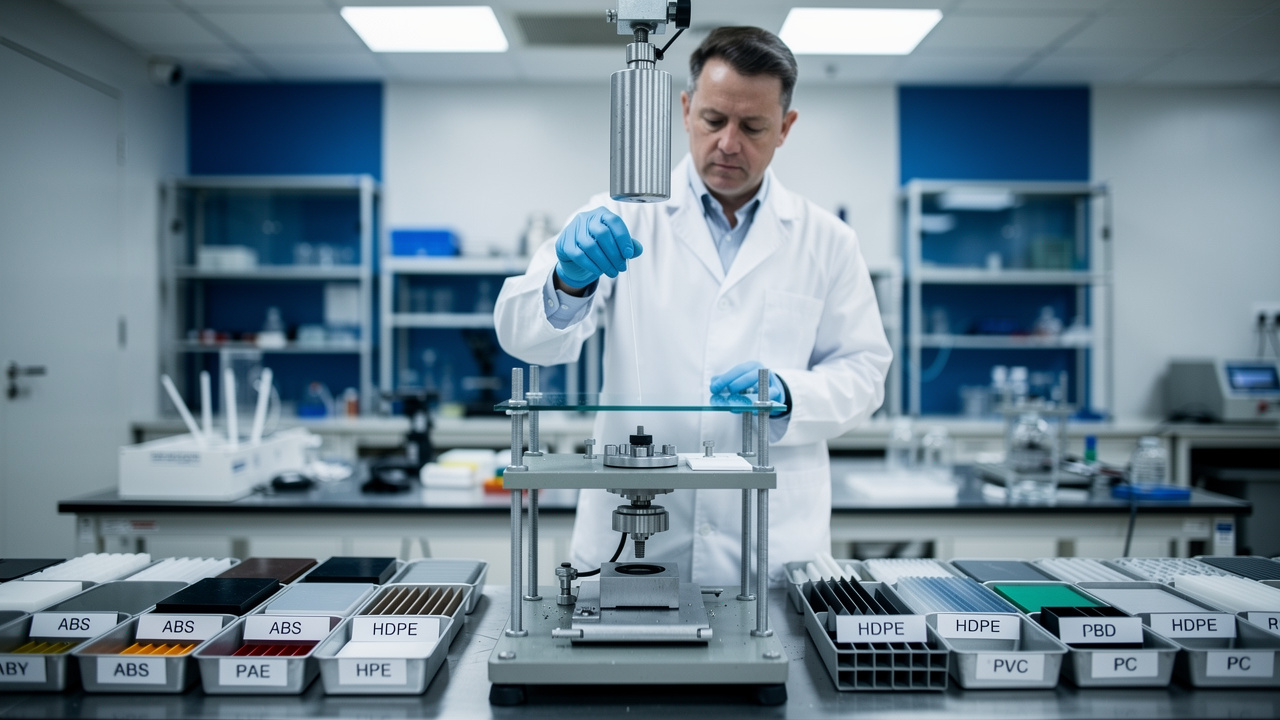
Master Impact Resistance Plastics: Key Insights for OEM Managers
Introduction
Navigating the complexities of impact resistance in plastics is crucial for OEM managers facing high-stress applications. This article explores the essential properties, types, and manufacturing processes of impact-resistant plastics. These insights can significantly enhance product reliability and performance.
With so many options available, making the right choice can feel overwhelming. How can OEM managers ensure they select the right options that meet industry standards and align with their operational needs?
Define Impact Resistance in Plastics
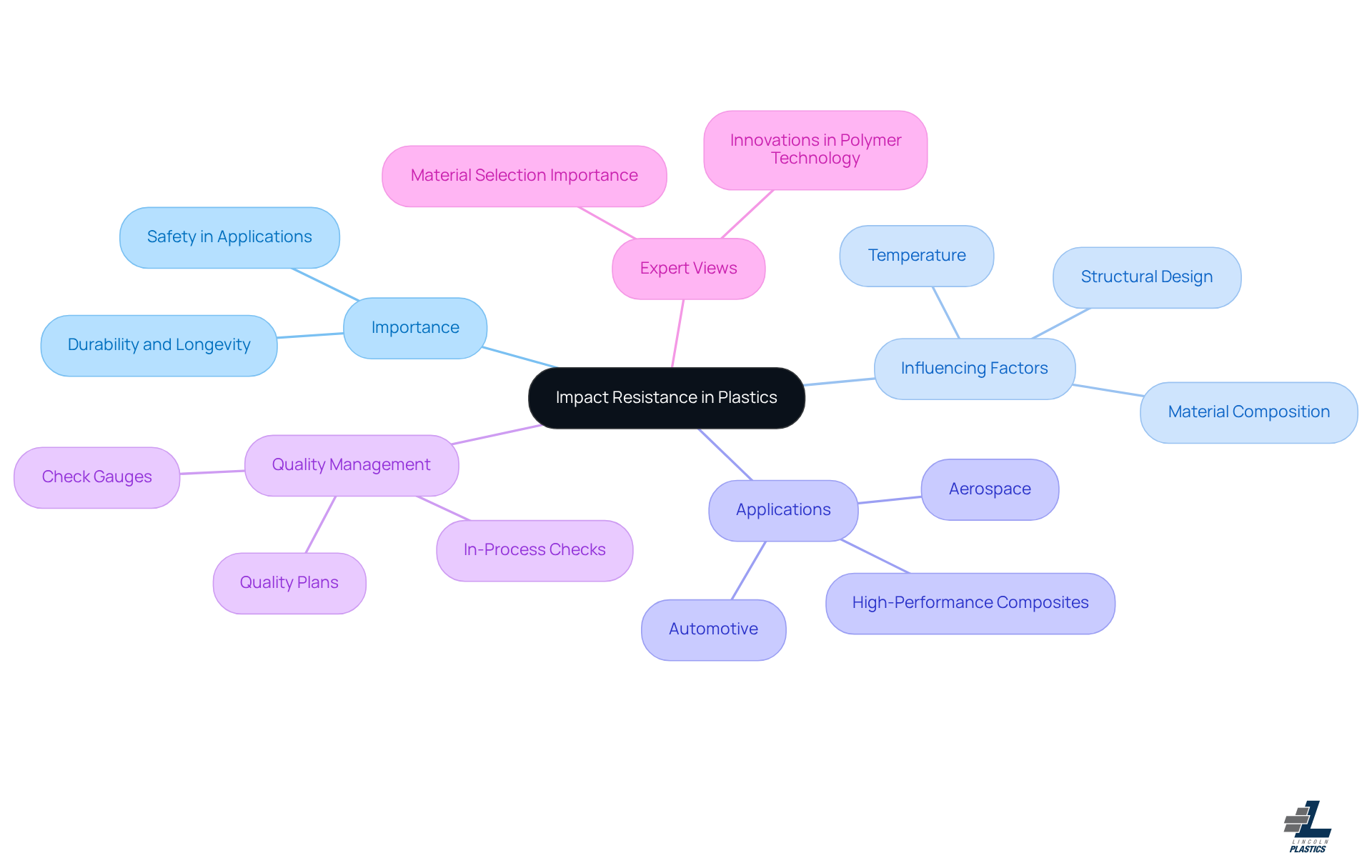
Impact resistance is not just a feature; it's a necessity for plastics in high-stress environments. This property is crucial for plastics used in various applications, especially where mechanical stress is prevalent. It's important to keep in mind that resistance to force isn't just one number; it exists on a spectrum influenced by factors such as temperature, material composition, and structural design. For instance, thermoplastic composites are known for their ability to flex and absorb energy without cracking, making them ideal for high-impact applications in industries like automotive and aerospace.
Statistics indicate that the demand for high-performance composites is on the rise due to their lightweight and strong properties, which enhance impact resistance. Recent advancements in polymer technology have resulted in substances that can double the strength of typical plastics, such as polystyrene and rubber, significantly enhancing their performance under stress.
At Lincoln Plastics, we work closely with OEMs to ensure that our products meet all quality requirements, including special checks for fit and function. Our robust quality management program includes:
- Dedicated quality plans
- In-process checks
- The use of multiple types of check gauges to ensure a proper end-use fit
This commitment to quality is further supported by our ISO 9001:2015 certification, which underscores our dedication to excellence and customer partnership.
Case studies, like the Drop Weight Impact Test, illustrate how substances respond under sudden, concentrated forces, ensuring they can withstand mechanical shocks. The Gardner Impact Test further demonstrates the significance of resistance to shocks by simulating daily collisions, assisting manufacturers in ensuring that surface layers do not crack or peel when hit.
Expert views highlight that choosing substances with strong resistance to force is crucial for preserving product integrity and safety. For instance, substances such as polycarbonate and ABS are acknowledged for their remarkable resistance to force, rendering them appropriate for uses demanding durability. Furthermore, surface treatments like powder coating and chrome plating can improve a part's resistance to damage by forming a sturdy protective layer.
Comprehending resistance to forces is essential for OEM managers as it directly affects material choice and design approaches, ultimately influencing the safety, performance, and durability of products. Ready to find the right materials for your project? Reach out to Lincoln Plastics experts for personalized quotes and discussions.
Explore Types of Impact-Resistant Plastics
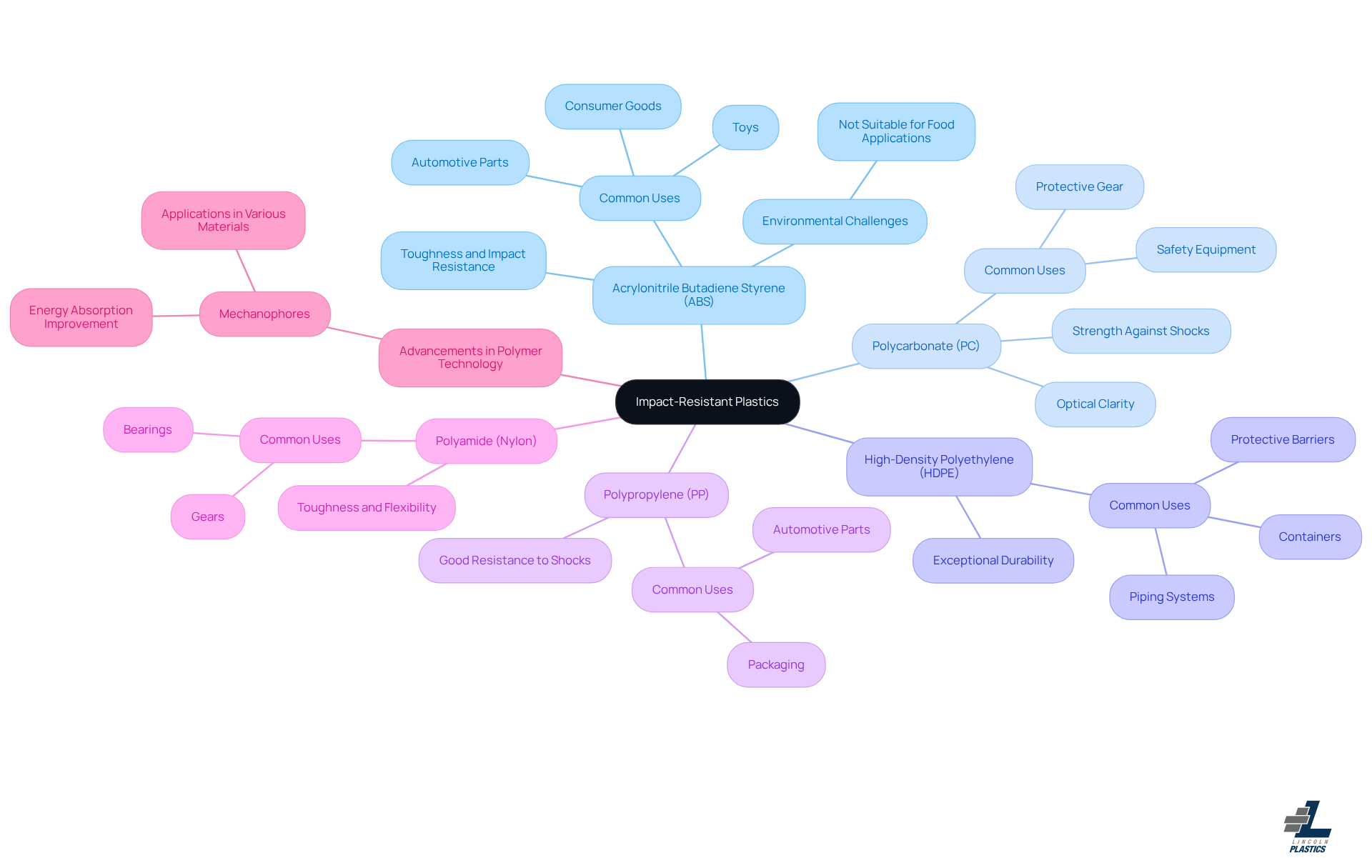
In the world of custom plastic extrusion, selecting the right material is crucial for ensuring product reliability and performance. Several types of plastics are recognized for their impact resistance, each offering unique properties suitable for various applications:
- Acrylonitrile Butadiene Styrene (ABS): Renowned for its toughness and impact resistance, ABS is widely utilized in automotive parts, consumer goods, and even toys, providing a balance of durability and cost-effectiveness. That said, it's crucial to remember that ABS poses environmental challenges and isn't suitable for food applications.
- Polycarbonate (PC): This thermoplastic is celebrated for its remarkable strength against shocks and optical clarity, making it perfect for safety equipment and protective gear that must withstand high-force collisions, exemplifying the qualities of impact resistance plastics without compromising visibility. PC is recognized for its strong resistance to damage, making it appropriate for uses that demand durability under pressure.
- High-Density Polyethylene (HDPE): Known for its exceptional durability and resistance to shock, HDPE is frequently utilized in industrial applications, such as containers, piping systems, and protective barriers, ensuring longevity under stress. HDPE is a type of impact resistance plastics that offers excellent resistance to shocks and functions effectively when subjected to sunlight and chemicals.
- Polypropylene (PP): Although not as strong as ABS or PC, polypropylene provides good resistance to shocks and is often utilized in automotive parts and packaging, where flexibility and lightweight characteristics are beneficial.
- Polyamide (Nylon): Valued for its toughness and flexibility, nylon is suitable for high-impact uses such as gears and bearings, where impact resistance plastics are essential for ensuring resilience and performance.
Recent advancements in polymer technology, such as the use of mechanophores, have demonstrated potential in improving the energy absorption abilities of these substances during collisions. For example, studies show that mechanophores can greatly enhance the quantity of energy that substances absorb during ballistic impact, which may result in better performance in different uses.
By grasping the unique characteristics of these materials, OEM managers can select the best polymer for their needs, ensuring top-notch performance and reliability in their products. Including case studies, like those showing the use of ABS in automotive dashboards or HDPE in chemical storage tanks, can further demonstrate the practical uses and advantages of impact resistance plastics.
Identify Key Factors for Material Selection
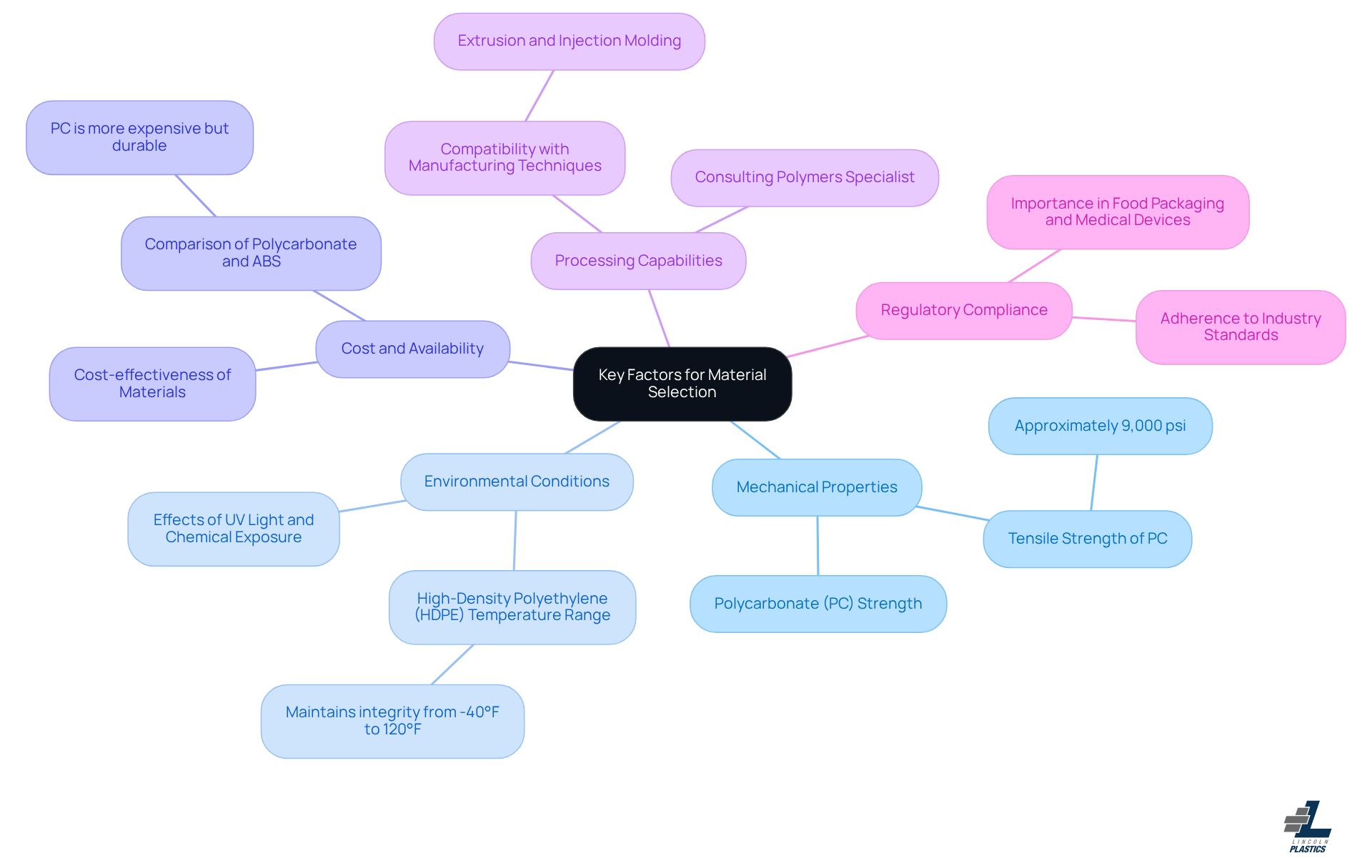
Choosing the right impact resistance plastics is crucial for OEM managers aiming for optimal performance and reliability. Here are several critical factors to consider:
- Mechanical Properties: For example, polycarbonate (PC) has a tensile strength of about 9,000 psi. The impact resistance plastics provide the strength needed to withstand significant force, making them perfect for rugged applications. These properties are essential for ensuring that the material can withstand operational stresses without failure.
- Environmental Conditions: Are you considering how operating temperature, chemical exposure, and UV light affect your material choices? High-density polyethylene (HDPE) maintains its integrity in temperatures ranging from -40°F to 120°F, making it suitable for various environments. These factors can significantly influence the substance's performance and longevity, making it crucial to select plastics that can endure specific environmental challenges.
- Cost and Availability: Evaluate the cost-effectiveness of the substance alongside its availability in the necessary quantities. This consideration helps prevent production delays and ensures that budget constraints are met without compromising quality. For instance, while polycarbonate is more expensive than ABS, its durability may justify the cost in applications that require impact resistance plastics.
- Processing Capabilities: Make sure the material you choose can be easily processed with your current manufacturing techniques, like extrusion or injection molding. Compatibility with current processes is vital for maintaining efficiency and reducing lead times. Consulting a polymers specialist can offer insights into the best processing techniques for particular substances.
- Regulatory Compliance: Ensure that the content adheres to industry standards and regulations, particularly for uses in sensitive sectors like food packaging or medical devices. Compliance is essential for safety and market acceptance.
By carefully weighing these factors and consulting with experts, OEM managers can make informed decisions that align with their project requirements, ultimately enhancing product performance and reliability. By prioritizing these considerations, you can ensure your products not only meet current demands but also adapt to future challenges.
Understand Manufacturing Processes for Impact-Resistant Plastics
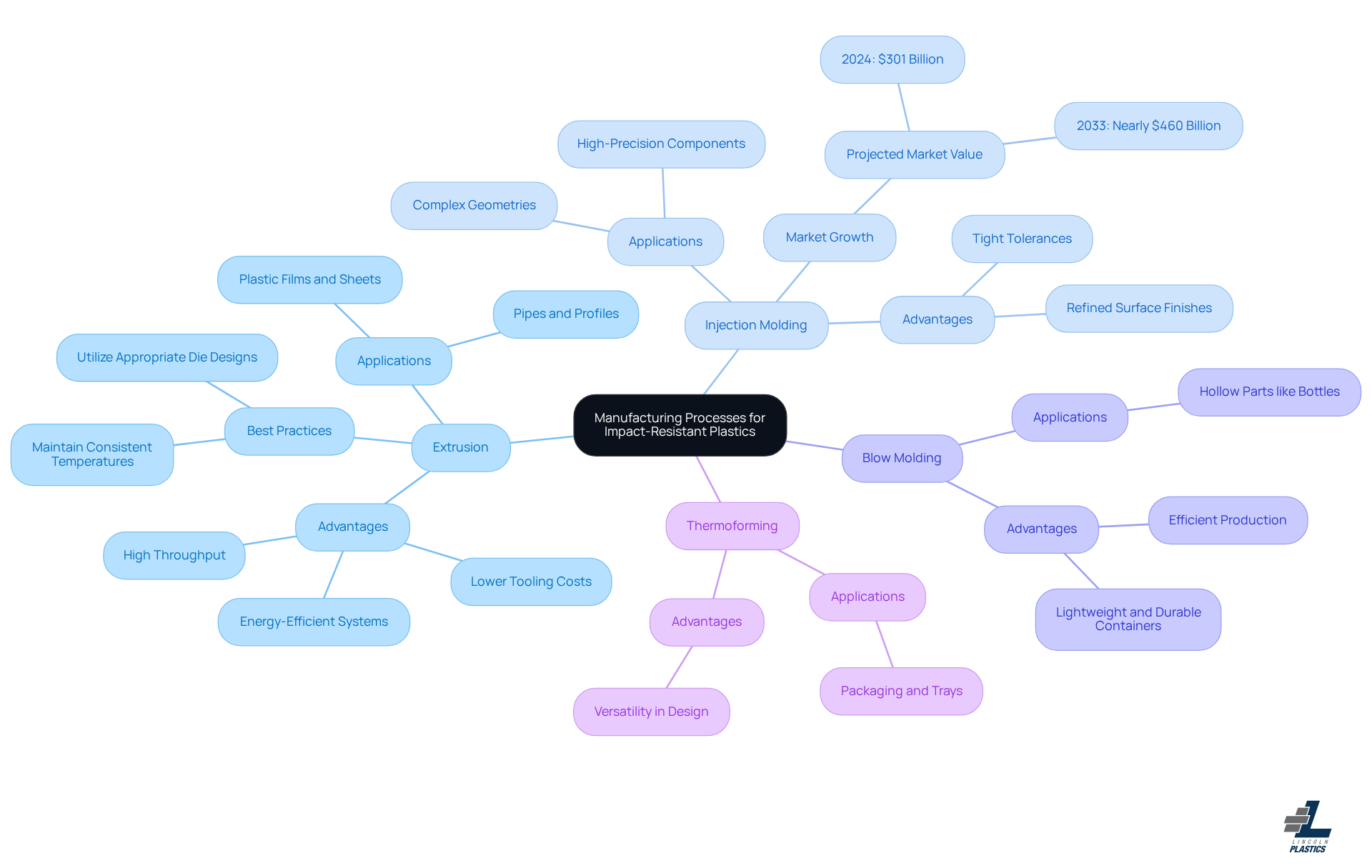
Choosing the right manufacturing process for impact resistance plastics is crucial for OEM managers aiming for efficiency and quality. The manufacturing processes for impact-resistant plastics encompass several key techniques, each suited for different applications and materials:
- Extrusion: This method involves melting plastic pellets and forcing them through a die to create continuous shapes, such as pipes or profiles. It is especially effective for substances such as HDPE and PVC, providing high throughput and reduced tooling expenses, making it perfect for large-scale production. Recent advancements in extrusion technology have introduced energy-efficient systems. These improvements enhance the compatibility of substances, supporting the production of high-performance polymers that meet evolving market demands. To optimize the extrusion process, OEM managers should implement best practices such as maintaining consistent substance temperatures and utilizing appropriate die designs, which can significantly enhance efficiency and product quality. With ISO 9001:2015 certification, Lincoln Plastics demonstrates its commitment to quality management through dedicated plans and process check sheets, reinforcing its dedication to excellence.
- Injection Molding: In this process, molten material is injected into a mold to create specific shapes. This technique excels in producing complex geometries and is commonly utilized for substances such as ABS and polycarbonate. The ability to achieve tight tolerances and refined surface finishes makes injection molding a preferred choice for high-precision components. The global injection molding market, valued at over $301 billion in 2024, is projected to reach nearly $460 billion by 2033, indicating significant growth opportunities for OEM managers.
- Blow Molding: This technique is employed to create hollow synthetic parts, such as bottles, by inflating a heated tube within a mold. It is well-suited for substances like HDPE, allowing for efficient production of lightweight and durable containers.
- Thermoforming: In this process, polymer sheets are heated and formed over a mold to create various shapes. Thermoforming is frequently utilized for packaging and trays created from impact resistance plastics, providing versatility in design and functionality.
How can OEM managers choose the best manufacturing process for their impact resistance plastics? Understanding these methods ensures efficiency and quality in production. Additionally, Lincoln Plastics' strategic location in Lincoln, Nebraska, enhances logistical advantages, allowing for quick order turnaround and efficient shipping options. Engaging with industry advocacy groups offers valuable resources for navigating manufacturing choices. This is especially important given the growing focus on sustainability in procurement decisions. By mastering the tube extrusion process and implementing best practices, OEMs can enhance their production capabilities and meet the demands of their markets effectively. Failing to understand these processes could lead to inefficiencies that hinder your competitive edge in the market. For tailored solutions, OEM managers are encouraged to contact Lincoln Plastics.
Implement Quality Control and Testing Methods
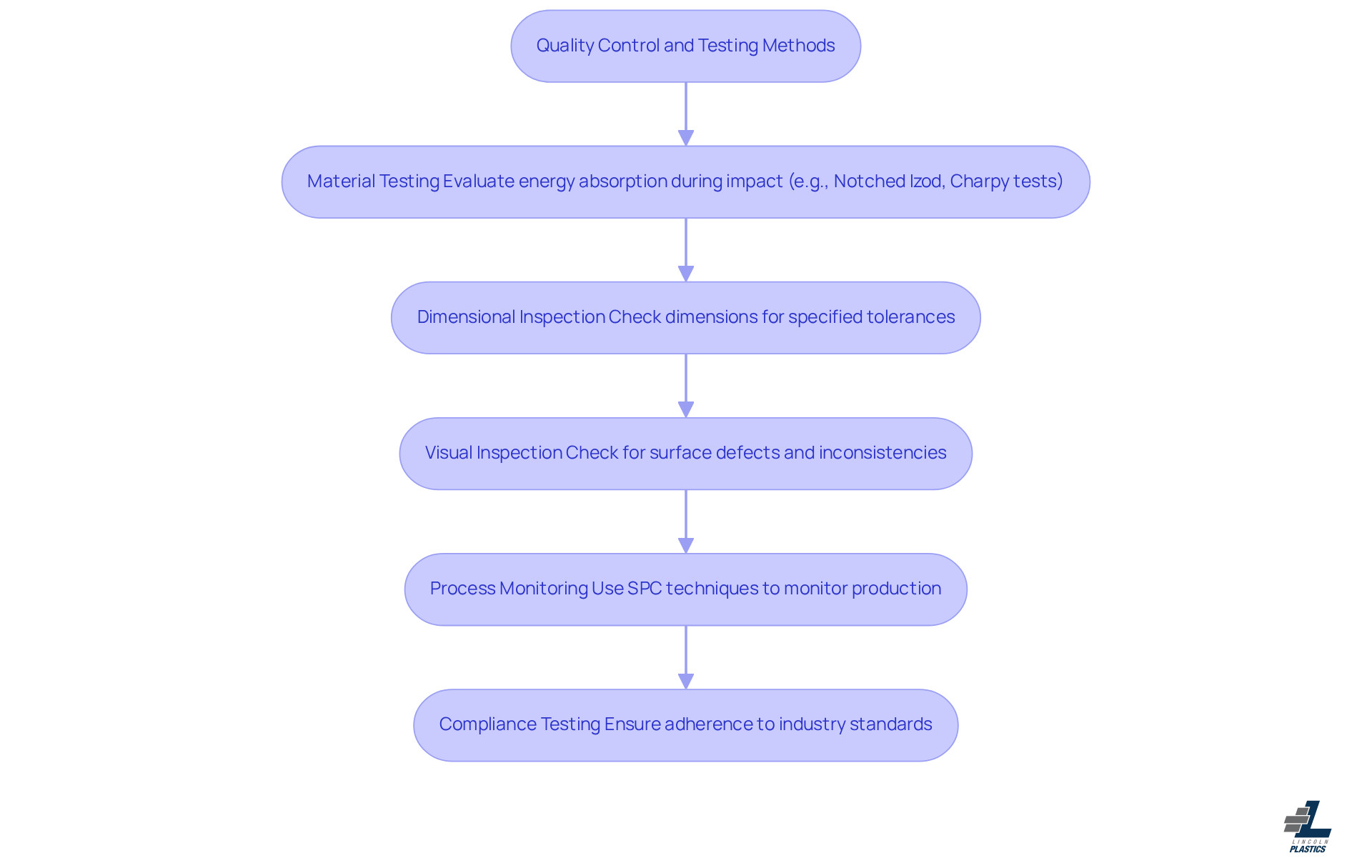
In the competitive landscape of custom plastic extrusion, ensuring the quality and performance of impact resistance plastics is non-negotiable for OEM managers. To achieve this, implementing rigorous quality control and testing methods is essential:
- Material Testing: How well does your material absorb energy during a collision? Conduct tests such as the Notched Izod and Charpy impact tests to evaluate the material's resistance to impact. These tests provide crucial insights into toughness and durability.
- Dimensional Inspection: Regularly check the dimensions of extruded or molded parts to ensure they meet specified tolerances. This is crucial for proper fit and function in assemblies, as even minor deviations can lead to significant performance issues.
- Visual Inspection: Perform visual checks for surface defects, discoloration, or inconsistencies that could affect the performance or aesthetics of the final product. This step is vital for maintaining high standards in product quality.
- Process Monitoring: Implement statistical process control (SPC) techniques to monitor production processes and identify variations that could lead to defects. By analyzing data trends, manufacturers can proactively address potential quality issues before they escalate.
- Compliance Testing: Ensure that materials and products meet relevant industry standards and regulations, which may include certifications for safety and environmental impact. Adhering to these standards not only enhances product reliability but also builds trust with customers.
By prioritizing robust quality control measures, OEM managers can significantly enhance the reliability of their impact resistance plastics components, ensuring they perform as expected in real-world applications. Ultimately, the commitment to quality control not only safeguards product integrity but also fortifies customer trust and satisfaction.
Conclusion
Are you struggling to find materials that can withstand the rigors of your industry? Understanding impact resistance in plastics is essential for OEM managers aiming to enhance product durability and safety. The insights shared throughout this article highlight the critical nature of selecting the right materials and manufacturing processes to ensure that products can withstand mechanical stress and environmental challenges. By prioritizing impact resistance, OEMs can significantly improve the reliability and performance of their offerings.
Key points discussed include:
- The definition of impact resistance
- The various types of impact-resistant plastics such as ABS and polycarbonate
- The importance of considering mechanical properties, environmental conditions, and regulatory compliance when selecting materials
- The significance of robust manufacturing processes, including extrusion and injection molding
- The necessity of implementing rigorous quality control measures to maintain high standards in production
Ultimately, if you want to ensure quality and excellence in your impact-resistant plastics, it’s crucial for OEM managers to take action now. Engaging with experts at Lincoln Plastics can provide tailored solutions and insights that align with specific project requirements. By leveraging the capabilities of Lincoln Plastics, including their ISO 9001:2015 certification and strategic location in Lincoln, Nebraska, OEMs can ensure they meet the demands of their markets effectively while fostering a partnership built on trust and reliability. By partnering with Lincoln Plastics, you’re not just choosing a supplier; you’re investing in the future reliability of your products.
Frequently Asked Questions
What is impact resistance in plastics?
Impact resistance refers to the ability of plastics to withstand mechanical stress and force without cracking or breaking. It is influenced by factors such as temperature, material composition, and structural design, making it essential for applications in high-stress environments.
Why is impact resistance important for certain industries?
Impact resistance is crucial in industries like automotive and aerospace, where materials must endure sudden forces and mechanical shocks. It ensures product integrity, safety, and durability, which are vital for performance in these sectors.
What types of plastics are known for their impact resistance?
Several types of impact-resistant plastics include: - Acrylonitrile Butadiene Styrene (ABS): Tough and widely used in automotive parts and consumer goods. - Polycarbonate (PC): Known for its strength and optical clarity, ideal for safety equipment. - High-Density Polyethylene (HDPE): Durable and resistant to shock, commonly used in industrial applications. - Polypropylene (PP): Offers good shock resistance, often used in automotive parts and packaging. - Polyamide (Nylon): Valued for toughness and flexibility, suitable for high-impact uses like gears.
How does Lincoln Plastics ensure quality in impact-resistant products?
Lincoln Plastics employs a robust quality management program that includes dedicated quality plans, in-process checks, and the use of multiple types of check gauges to ensure proper end-use fit. The company is also ISO 9001:2015 certified, highlighting its commitment to excellence and customer partnership.
What are some testing methods for impact resistance?
Testing methods such as the Drop Weight Impact Test and the Gardner Impact Test are used to evaluate how materials respond to sudden forces and daily collisions, ensuring they can withstand mechanical shocks without damage.
How can surface treatments enhance impact resistance?
Surface treatments like powder coating and chrome plating can improve a part's resistance to damage by forming a sturdy protective layer, thereby enhancing the overall durability of the material.
What advancements are being made in impact-resistant plastics?
Recent advancements in polymer technology, such as the use of mechanophores, have shown potential in improving the energy absorption abilities of plastics during collisions, leading to better performance in various applications.
How can OEM managers select the right impact-resistant material?
OEM managers should consider the unique characteristics of each type of impact-resistant plastic and how they align with the specific requirements of their applications. Case studies can provide practical insights into the advantages of different materials.
How can I get personalized assistance from Lincoln Plastics?
For personalized quotes and discussions regarding impact-resistant materials, you can reach out to Lincoln Plastics experts who can provide tailored solutions for your project needs.
List of Sources
- Define Impact Resistance in Plastics
- Impact Resistance: What It Is - Omnis Kompozit (https://omniskompozit.com/en/news/impact-resistance-what-it-is)
- MIT chemists design impact-resistant plastics (https://news.mit.edu/2026/mit-chemists-design-impact-resistant-plastics-0603)
- What Does Impact Resistance Mean? – Prototek (https://prototek.com/article/what-does-impact-resistance-mean)
- 20 Types of Durable Impact-Resistant Plastics for Various Applications (https://jairajgroup.com/blog/durable-impact-resistant-plastics-applications)
- Explore Types of Impact-Resistant Plastics
- 20 Types of Durable Impact-Resistant Plastics for Various Applications (https://jairajgroup.com/blog/durable-impact-resistant-plastics-applications)
- Best Practices for Selecting High Impact Resistant Plastic (https://lincoln-plastics.com/news-post/best-practices-for-selecting-high-impact-resistant-plastic)
- Top 3 Most Impact Resistant Plastics (https://osborneindustries.com/news/impact-resistant-plastics)
- MIT chemists design impact-resistant plastics (https://news.mit.edu/2026/mit-chemists-design-impact-resistant-plastics-0603)
- Common Impact-Resistant Plastics (https://protolabs.com/resources/design-tips/common-impact-resistant-plastics)
- Identify Key Factors for Material Selection
- Top 3 Most Impact Resistant Plastics (https://osborneindustries.com/news/impact-resistant-plastics)
- Impact Resistance of Plastic: Key Considerations | Piedmont Plastics (https://piedmontplastics.com/blog/impact-resistance?srsltid=AfmBOoqXfiqgV9UvOXFlISaqr6kC1VjaskC7D_8wuItT4mXh0ehv7aHu)
- Impact-resistant plastics: Properties, types, applications, & trends (https://specialchem.com/plastics/guide/impact-resistance)
- Plastics Used for Injection Molding in 2026: Trends, Innovations, and Sustainable Alternatives (https://welchplastics.com/injection-molding-plastics-in-2026-trends-innovations-and-sustainable-alternatives-in-las-vegas)
- Best Practices for Selecting High Impact Resistant Plastic (https://lincoln-plastics.com/news-post/best-practices-for-selecting-high-impact-resistant-plastic)
- Understand Manufacturing Processes for Impact-Resistant Plastics
- The Future Trends of the Injection Molding Industry (https://protoshopinc.com/blog/the-future-trends-of-the-injection-molding-industry)
- Injection vs. Extrusion: Key Trends in Plastic Manufacturing (https://plasticsindustry.org/articles/injection-vs-extrusion-important-trends-in-plastic-manufacturing)
- The Future of Injection Molding: Trends and Opportunities (https://advancedplastiform.com/blog/the-future-of-injection-molding)
- Molding Trends Heading Into Summer 2026 | Sterling Heights, MI (https://plasticmoldingdevelopment.com/plastic-injection-molding-trends-summer-2026)
- Injection Molding recent news | Plastics Today (https://plasticstoday.com/plastics-processing/injection-molding)
- Implement Quality Control and Testing Methods
- Benchtop test quickly identifies extremely impact-resistant materials (https://news.mit.edu/2024/benchtop-test-identifies-extremely-impact-resistant-materials-0129)
- Best Practices for Selecting High Impact Resistant Plastic (https://lincoln-plastics.com/news-post/best-practices-for-selecting-high-impact-resistant-plastic)
- The Significance of the Izod Impact Resistance Test in Material Evaluation (https://testing-instruments.com/blog/the-significance-of-the-izod-impact-resistance-test-in-material-evaluation)
- Top 3 Most Impact Resistant Plastics (https://osborneindustries.com/news/impact-resistant-plastics)
- Impact Testing Explained: Methods, Applications, & Benefits (https://dewesoft.com/blog/impact-testing-explained)
Related posts

Discover the key benefits of plastic PVC extrusion profiles for OEMs, enhancing efficiency and cost savings.


Discover top PVC extrusion manufacturers providing custom solutions for diverse industrial needs.
Discover how to select the best extruded plastics manufacturers for your project needs.
