
Master High Temp Plastic: Key Properties, Types, and Selection Tips
Introduction
High-temperature plastics are changing the game across various industries by offering solutions for those tough applications that need to hold up under extreme conditions. Think about materials like PEEK and PTFE—they're not just about withstanding intense heat; they also shine in thermal resistance, chemical stability, and mechanical strength. With the demand for high-performance polymers skyrocketing in fields like automotive, aerospace, and medical, a big question comes to mind: how can manufacturers choose the right high-temperature plastic to ensure safety, performance, and compliance in their critical applications?
Now, let’s dive into this challenge together!
Define High-Temperature Plastics and Their Importance in OEM Applications
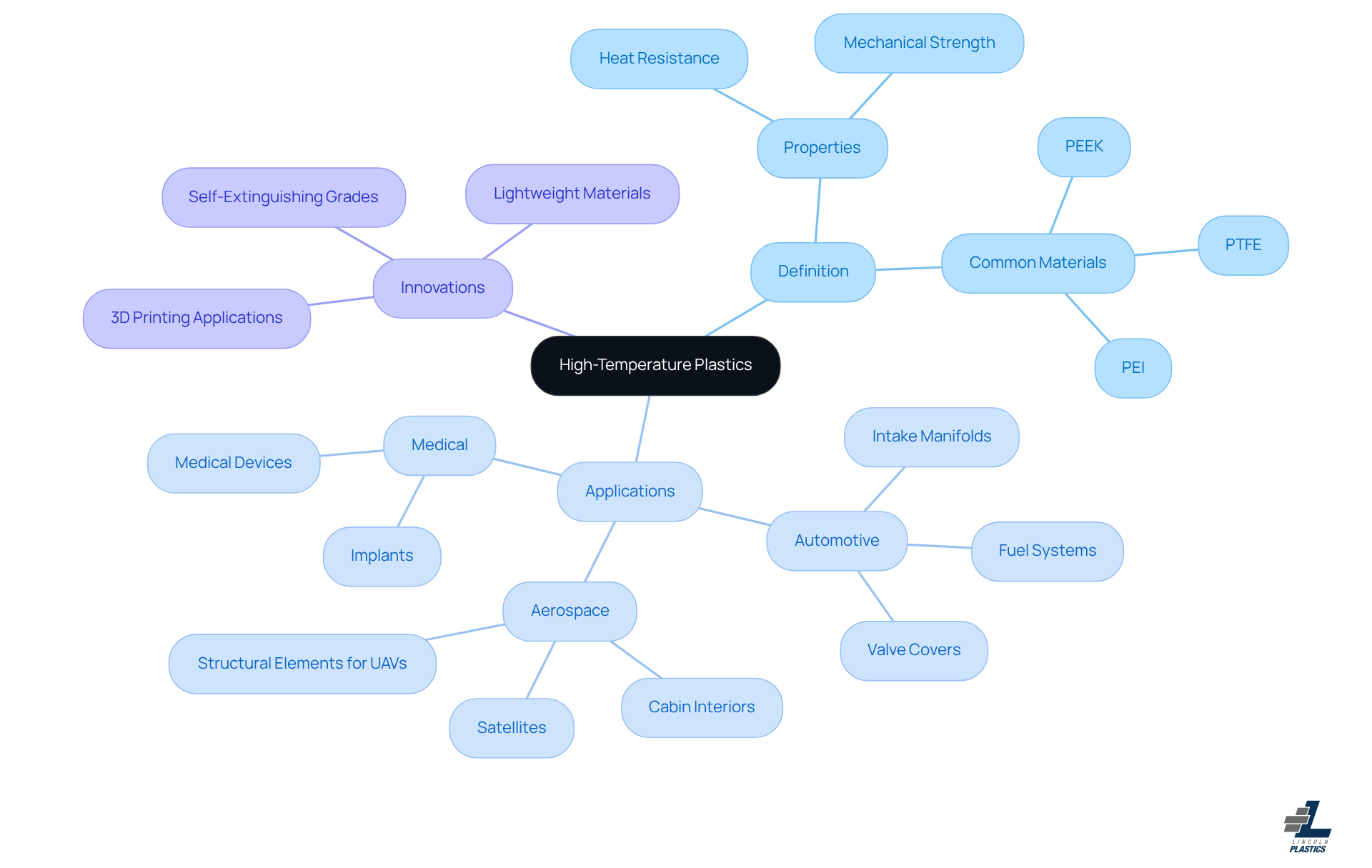
is a fascinating material designed to handle intense heat without losing its strength. You’ll find it playing a vital role in manufacturing, particularly in scenarios where parts face extreme temperatures, such as automotive engines, turbines, and electronics. Their ability to keep their structure intact under high heat is crucial for safety and performance in these critical areas. For example, materials like PEEK and PTFE can handle temperatures over 150°C, making them perfect for demanding environments.
Now, let’s talk about the applications. High-temperature plastics are becoming increasingly popular in parts like intake manifolds, valve covers, and fuel systems. These components need to resist thermal degradation while keeping everything running smoothly. Similarly, in aerospace, high-temperature plastics are crucial for parts exposed to harsh conditions, such as cabin interiors and structural elements for UAVs and satellites.
You might be wondering about the innovations. Recent innovations in material science have led to the creation of exciting new materials that not only meet tough performance standards but also help reduce weight and improve fuel efficiency. As the demand for high-temperature plastics grows across automotive, aerospace, and medical fields, manufacturers are focusing on enhancing these materials to keep up with changing industry needs. So, what do you think? Isn’t it interesting how these materials are shaping the future of technology?
Explore Key Properties of High-Temperature Plastics: Thermal Resistance, Chemical Stability, and Mechanical Strength
Thermal resistance is truly fascinating! They're designed to thrive in tough environments, and they come with some impressive properties.
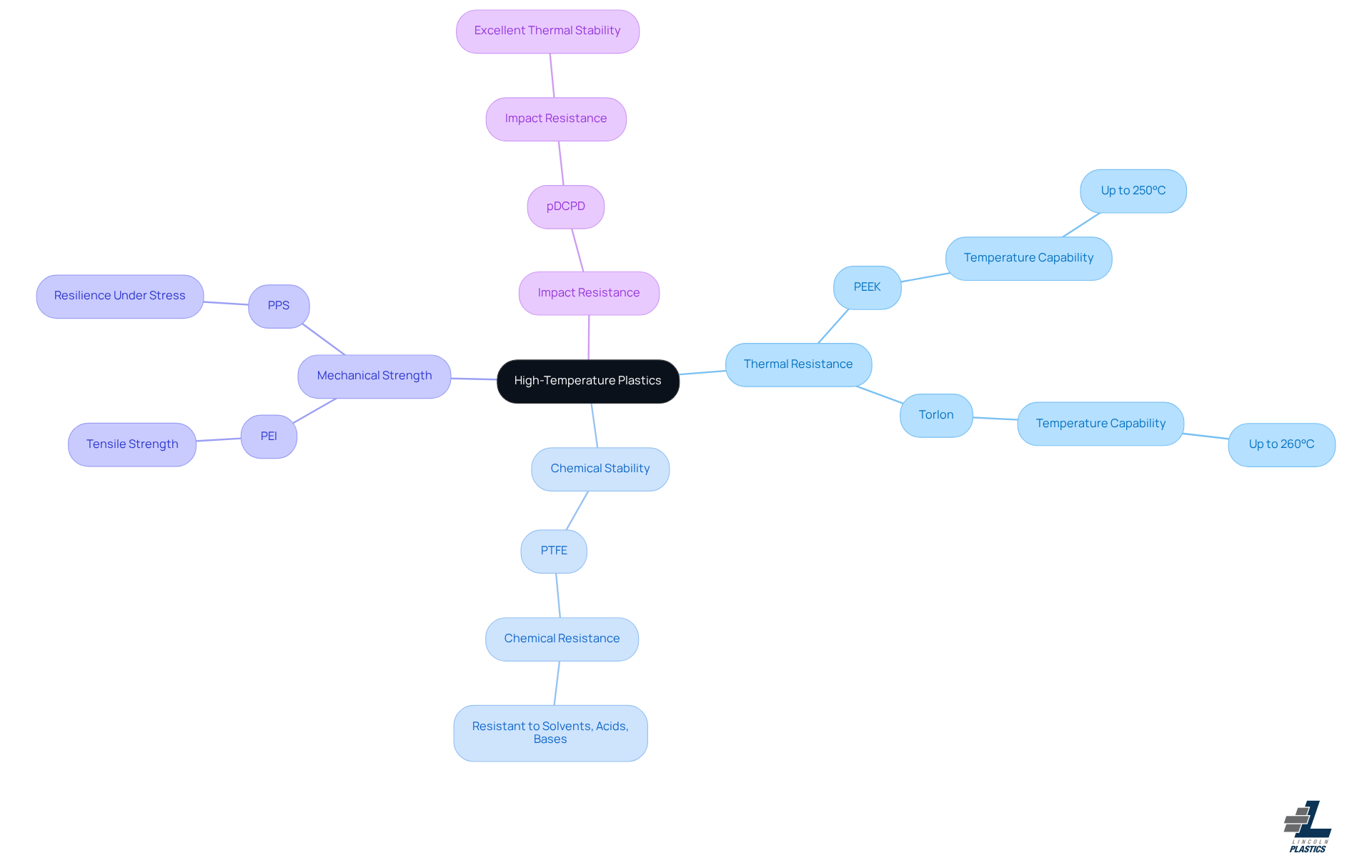
- Thermal resistance is a big one. These materials can withstand high temperatures without losing their shape or strength. Take PEEK, for example; it can withstand continuous temperatures up to 250°C. That’s why it’s a go-to for aerospace applications where heat resistance really matters.
- Then there’s chemical stability. High-temperature plastics are super resistant to various chemicals, which is essential in environments exposed to solvents, acids, or bases. PTFE is a standout here, known for its incredible chemical resistance, ensuring it lasts in harsh conditions.
- Let’s not forget about mechanical strength. These plastics keep their mechanical properties even under stress, which helps prevent component failure during use. Materials like PEI and PPS are recognized for their impressive tensile strength and resilience, even when the heat is on. This makes them perfect for applications in industries such as automotive and aerospace.
- And how about thermal stability? Polydicyclopentadiene (pDCPD) shines in this area, boasting excellent mechanical properties and thermal stability, making it ideal for high-performance applications.
Now, you might be wondering about their temperature capabilities. High-temperature plastics, including PEEK and Torlon, can function efficiently at levels over 150°C and even up to 300°C! For instance, Torlon, a thermoset polyamide, keeps its strength and rigidity at sustained temperatures of 260°C, making it a great alternative to metal in high-temperature friction and wear situations.
Plus, have you heard of the PREPERM™ dielectric thermoplastics collection? It’s a fantastic example of advancements in high-temperature materials, especially for 5G applications, showcasing their adaptability in today’s tech landscape. All these features—thermal resistance, chemical stability, mechanical strength, and thermal stability—make high-temperature plastics essential in modern manufacturing and engineering. Isn’t that exciting?
Identify Different Types of High-Temperature Plastics: PEEK, PTFE, PEI, and More
Let’s dive into the world of high-temperature plastics. These materials are super important across various industries, each bringing something unique to the table.
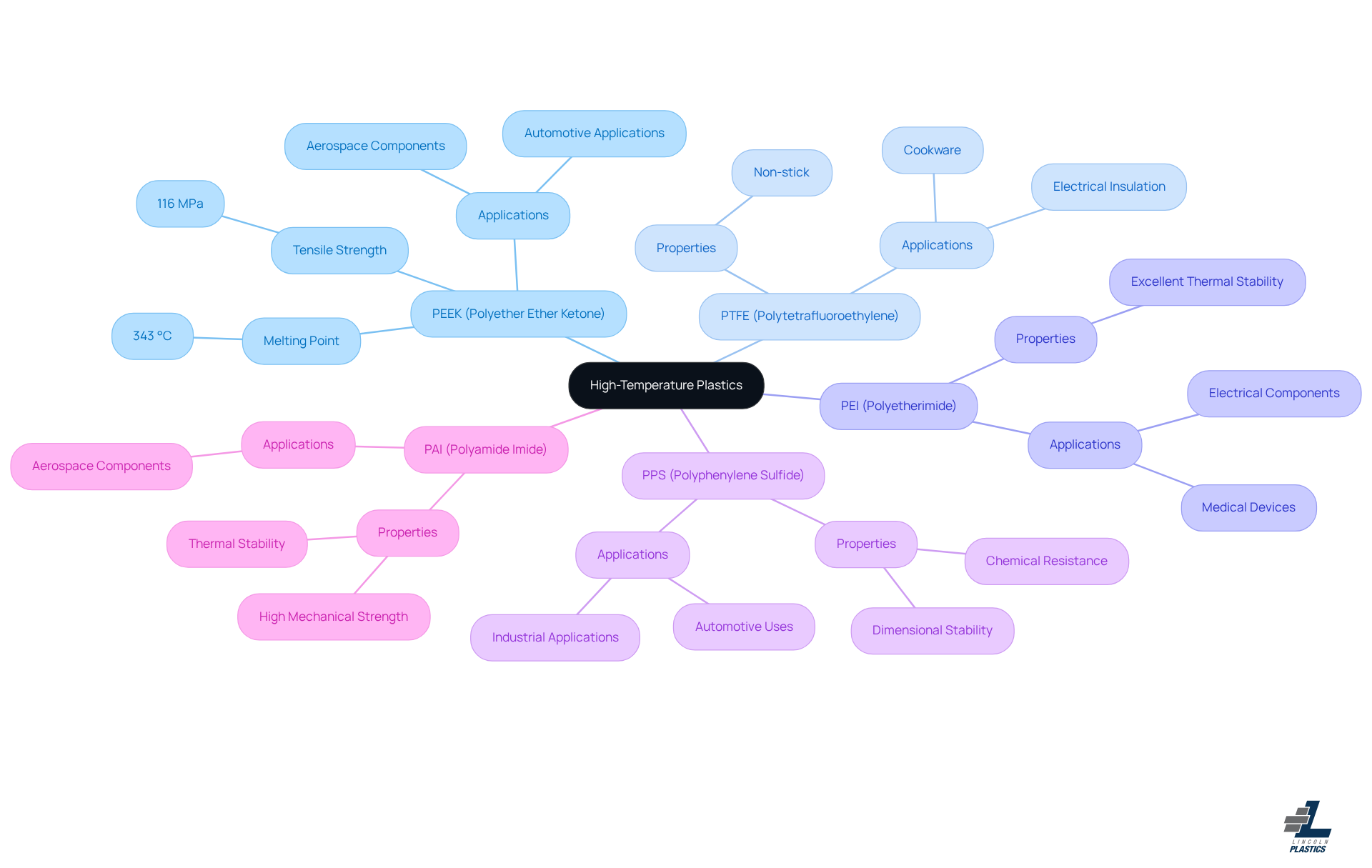
First up is PEEK. This is recognized for its impressive strength and thermal stability, featuring a melting point of 343 °C and a tensile strength of 116 MPa. You’ll often find PEEK in aerospace applications, where it’s crucial to withstand extreme conditions. As Roberto Torre puts it, "Materials such as PEEK plays a crucial role in applications like seals, gaskets, and insulation for jet engines and rocket propulsion systems."
Next, let’s talk about PTFE (Polytetrafluoroethylene). You probably know it for its non-stick properties, right? It’s a favorite in the food industry for cookware and processing equipment, plus it’s great for electrical insulation. Its unique characteristics make it essential for these applications, ensuring safety and reliability.
Then there’s PEI (Polyetherimide). This material shines with excellent mechanical properties and is often found in automotive and electrical components, where reliability and performance are key.
Now, how about PPS (Polyphenylene Sulfide)? This one’s recognized for its chemical resistance and dimensional stability, making it a solid choice for automotive and industrial uses—especially in environments where harsh chemicals are involved.
Lastly, we have PAI. This is a go-to for applications that require high mechanical strength and thermal stability, such as aerospace components. Just a heads up, though: processing PAI requires some careful planning because it’s sensitive to heat and moisture.
Looking ahead to 2025, the applications of PEEK and PTFE are evolving. PEEK is becoming the go-to for high-stress environments, while PTFE remains a staple in food processing and electrical insulation thanks to its unique properties. It’s fascinating to see how these materials continue to meet the demands of modern industries, isn’t it?
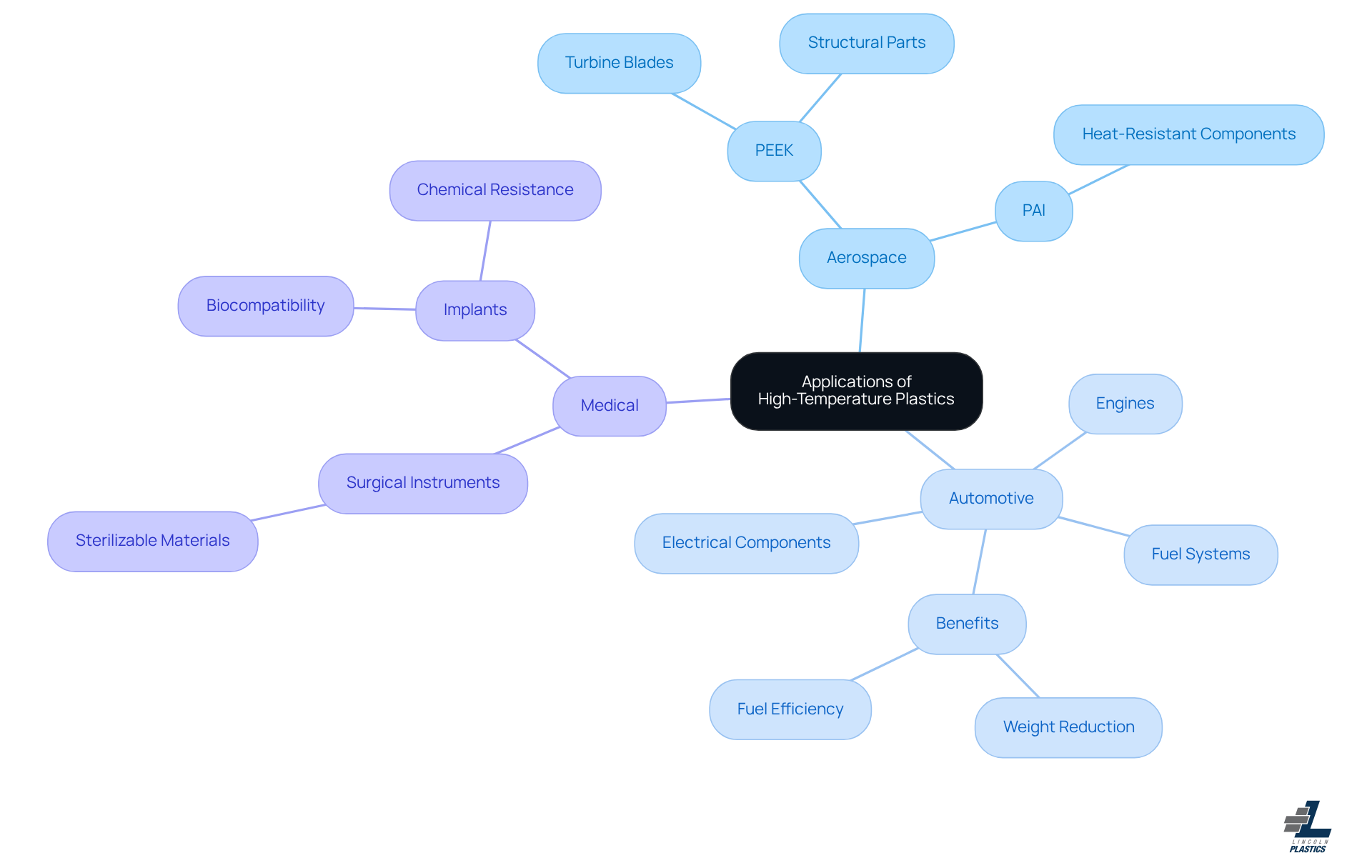
Examine Applications of High-Temperature Plastics Across Industries: Aerospace, Automotive, and Medical
plays a vital role in various industries, and it is valued for its remarkable properties that enhance performance and safety.
- Aerospace: Let’s start with aerospace. Materials like PEEK and PAI are crucial for applications, which need to endure intense heat and pressure. Their impressive strength-to-weight ratio helps improve fuel efficiency and enhances overall aircraft performance. Did you know that PEEK requires high thermal resistance and chemical stability? Typically, that’s between 360-400°C, which is key for its use in demanding environments.
- Automotive: Now, let’s talk about the automotive industry. Here, high-temperature plastics are heavily relied upon in engines, fuel systems, and electrical components. These materials not only reduce weight but also provide durability while ensuring reliable performance under tough conditions. There are some fascinating case studies that showcase how these materials are proving essential for components that face high temperatures and aggressive fluids. As manufacturers adapt to electrification trends, the demand for high-temperature plastics is set to rise, making it a critical factor in the future of automotive innovation.
In the medical field, high-temperature plastics are used in sterilizable surgical instruments and device housings. Their properties are crucial for ensuring safety and effectiveness in medical applications. For instance, PEEK is widely used in implants and surgical tools, demonstrating its biocompatibility and ability to withstand sterilization processes. However, it’s worth noting that PEEK can be sensitive to sharp corners or notches, so careful design is necessary to avoid stress concentrators in load-bearing applications.
Looking ahead, the trends in the automotive sector indicate a growing reliance on high-temperature plastics as producers strive to innovate. With electrification making strides, the need for lightweight, durable substances will continue to rise, positioning high-temperature polymers as key players in future automotive advancements.
Guide to Selecting the Right High-Temperature Plastic for Your Application Needs
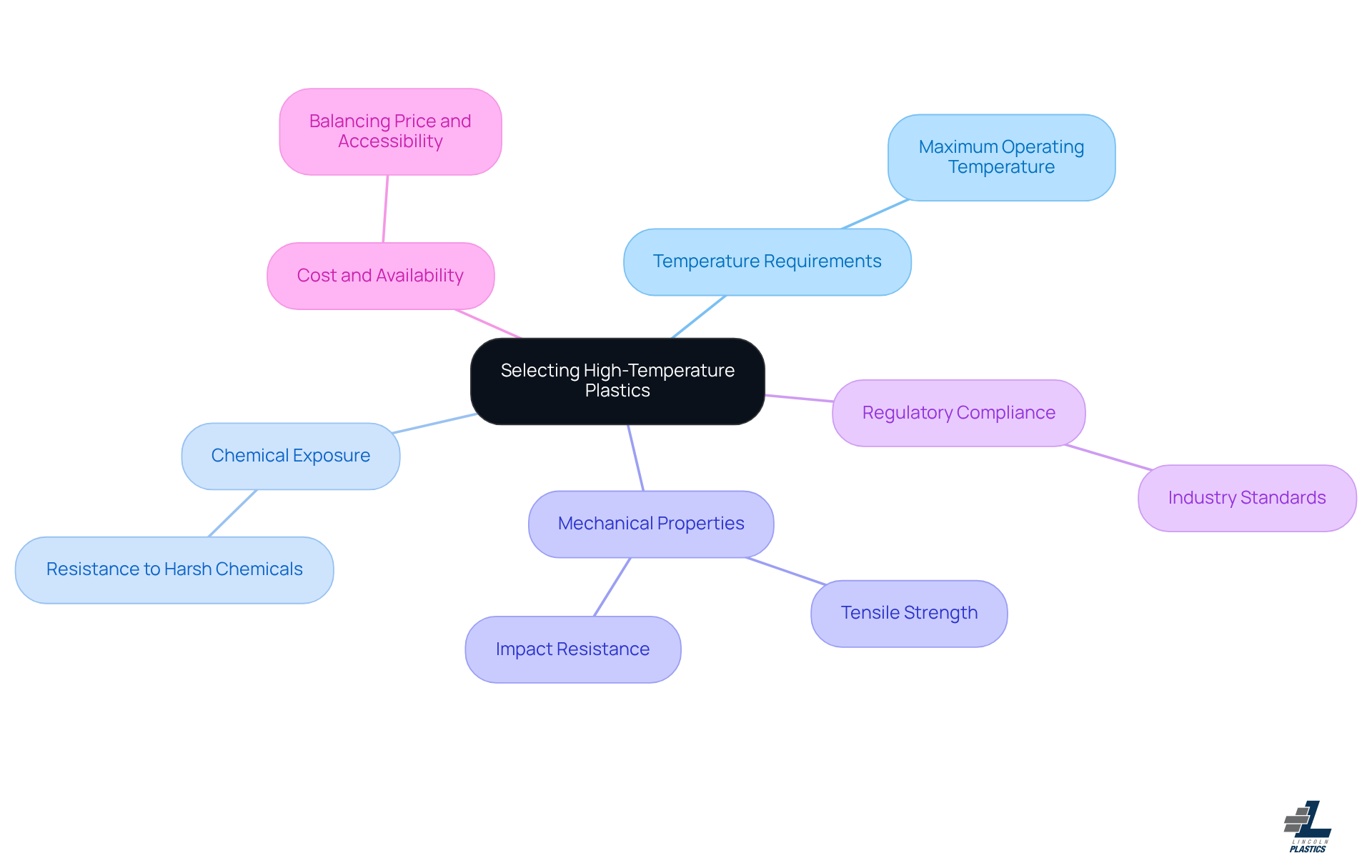
When you're on the hunt for the right plastic for your project, there are a few key things to keep in mind:
- Temperature Requirements: First off, what's the temperature range you need? It's super important to choose a material that can handle that heat without breaking down or losing its performance.
- Chemical Resistance: Next, think about the chemicals your material will face. You want a plastic that can withstand those harsh conditions, ensuring it doesn't fail or wear out.
- Mechanical Strength: Now, let’s consider the mechanical strength you need. Focus on things like tensile strength and impact resistance. These qualities are crucial for making sure your component lasts and performs well under stress.
- Regulatory Compliance: Don’t forget about regulations! Make sure the material you choose meets the standards, especially in fields like medical and aerospace, where safety is a big deal.
- Availability: Finally, let's talk about cost. You’ll want to consider how easily you can get it in the forms and amounts you need. This is key for sticking to your budget and keeping production on track.
Here’s a real-world example: A client had some issues with Delrin components that were failing because they were porous when submerged underwater. By switching to polypropylene, which is a high-performance plastic that resists chemicals and water, they solved their problems and even saved some cash. This really shows how important it is to pick the right material for your specific needs.
Experts agree that even a small choice can have a big impact on your project. As Brenda Wood puts it, "Choosing the appropriate material for your project can greatly influence its performance, durability, and overall success." So, keep in mind factors like strength, flexibility, durability, and heat tolerance when making your selection. This way, you can ensure top-notch performance using plastics in high-temperature environments. And just so you know, about 32% of all processed plastics go through injection molding, which highlights how relevant these materials are across various industries.
Conclusion
High-temperature plastics are essential materials that shine in tough environments, ensuring safety and performance across various industries like aerospace, automotive, and medical. Their standout qualities—like incredible thermal resistance, chemical stability, and mechanical strength—help them keep their integrity even in extreme conditions. As the need for dependable and efficient materials grows, it's becoming more important for manufacturers and engineers to understand the value of these high-performance polymers.
In this article, we've highlighted some key points, such as what high-temperature plastics are and why they're crucial in OEM applications. We've also looked at their various properties and the different types available, including PEEK, PTFE, and PEI. Plus, we've discussed their critical applications in industries that depend on these materials for peak performance, along with practical tips for choosing the right high-temperature plastic for your specific needs. Each of these points really emphasizes how versatile and vital high-temp plastics are in today's manufacturing landscape.
With technology constantly evolving and the push for innovation, it's super important for industry professionals to keep up with advancements in high-temperature plastics. By carefully selecting materials based on temperature resistance, chemical exposure, and mechanical properties, organizations can boost their products' performance and lifespan. Embracing these materials not only enhances efficiency and safety but also opens the door to exciting future developments across various fields.
Frequently Asked Questions
What are high-temperature plastics and why are they important in OEM applications?
High-temperature plastics are materials designed to withstand intense heat without losing their strength. They are crucial in OEM applications, particularly in automotive engines, aerospace components, and medical devices, where parts face extreme temperatures, ensuring safety and performance.
What are some examples of high-temperature plastics and their temperature capabilities?
Examples include PEEK and PTFE, which can handle temperatures over 150°C. PEEK can withstand continuous temperatures up to 250°C, while Torlon, a thermoset polyamide, maintains strength at sustained temperatures of 260°C.
How are high-temperature plastics used in the automotive industry?
In the automotive industry, high-temperature plastics are increasingly used in parts like intake manifolds, valve covers, and fuel systems, where they need to resist thermal degradation and maintain performance.
What role do high-temperature plastics play in aerospace applications?
High-temperature plastics are essential in aerospace for components exposed to harsh conditions, such as cabin interiors and structural elements for UAVs and satellites, due to their ability to withstand extreme temperatures.
What are the key properties of high-temperature plastics?
Key properties include thermal resistance (withstand extreme temperatures), chemical stability (resistant to various chemicals), mechanical strength (maintain properties under stress), and impact resistance (ability to resist impact while maintaining thermal stability).
What advancements have been made in high-temperature plastics?
Recent innovations have led to the development of new materials that meet tough performance standards, reduce weight, and improve fuel efficiency, responding to the growing demand for high-performance polymers in various industries.
Can high-temperature plastics be used in modern technology applications?
Yes, high-temperature plastics, including collections like PREPERM™ dielectric thermoplastics, are adaptable for modern technology applications, including 5G, showcasing their versatility in today's tech landscape.
List of Sources
- Define High-Temperature Plastics and Their Importance in OEM Applications
- repol.com (https://repol.com/business/news.php)
- engineering.com (https://engineering.com/why-aerospace-needs-3d-printed-thermoplastics-like-peek-pekk-and-ultem)
- nycote.com (https://nycote.com/case_studies/space-outgassing)
- Selecting the Right Material for Operating Temperature (https://atlasfibre.com/selecting-the-right-material-for-operating-temperature)
- proto3000.com (https://proto3000.com/resources/case_studies/gkn-aerospace-saves-time-lowers-costs-using-3d-printed-tools)
- Explore Key Properties of High-Temperature Plastics: Thermal Resistance, Chemical Stability, and Mechanical Strength
- avient.com (https://avient.com/products/engineered-polymer-formulations/conductive-signal-radiation-shielding-formulations/preperm-low-loss-dielectric-thermoplastics)
- Top Performers: A Guide to the Best High Temperature Plastic Materials (https://atlasfibre.com/top-performers-a-guide-to-the-best-high-temperature-plastic-materials)
- osborneindustries.com (https://osborneindustries.com/news/high-temperature-plastics)
- engineering.com (https://engineering.com/why-aerospace-needs-3d-printed-thermoplastics-like-peek-pekk-and-ultem)
- specialchem.com (https://specialchem.com/plastics/pf-polyether-imide-pei/all-products)
- Identify Different Types of High-Temperature Plastics: PEEK, PTFE, PEI, and More
- researchgate.net (https://researchgate.net/publication/340560849_Polyether_Ether_Ketone_PEEK_Properties_and_Its_Application_Status)
- mdpi.com (https://mdpi.com/2076-3417/15/2/679)
- fictiv.com (https://fictiv.com/articles/torlon-pai-high-performance-plastic)
- Examine Applications of High-Temperature Plastics Across Industries: Aerospace, Automotive, and Medical
- epconlp.com (https://epconlp.com/case_studies/aerospace-batch-oven-sophisticated-controls-uniform-curing-metal-airplane-parts)
- aprios.com (https://aprios.com/insights/peek-polyetheretherketone-a-high-performance-resin-for-extreme-conditions)
- protolabs.com (https://protolabs.com/en-gb/resources/insight/medical-industry)
- atsindustrialautomation.com (https://atsindustrialautomation.com/case_studies/ats-helps-leading-auto-manufacturer-redefine-ev-battery-assembly)
- masterduct.com (https://masterduct.com/casestudies/regantempschallengeexhaustsystemusers.aspx)
- Guide to Selecting the Right High-Temperature Plastic for Your Application Needs
- proto3000.com (https://proto3000.com/resources/case_studies/built-rite-tool-die-2)
- auburnplastics.com (https://auburnplastics.com/insights/case-study-the-importance-of-material-selection)


