
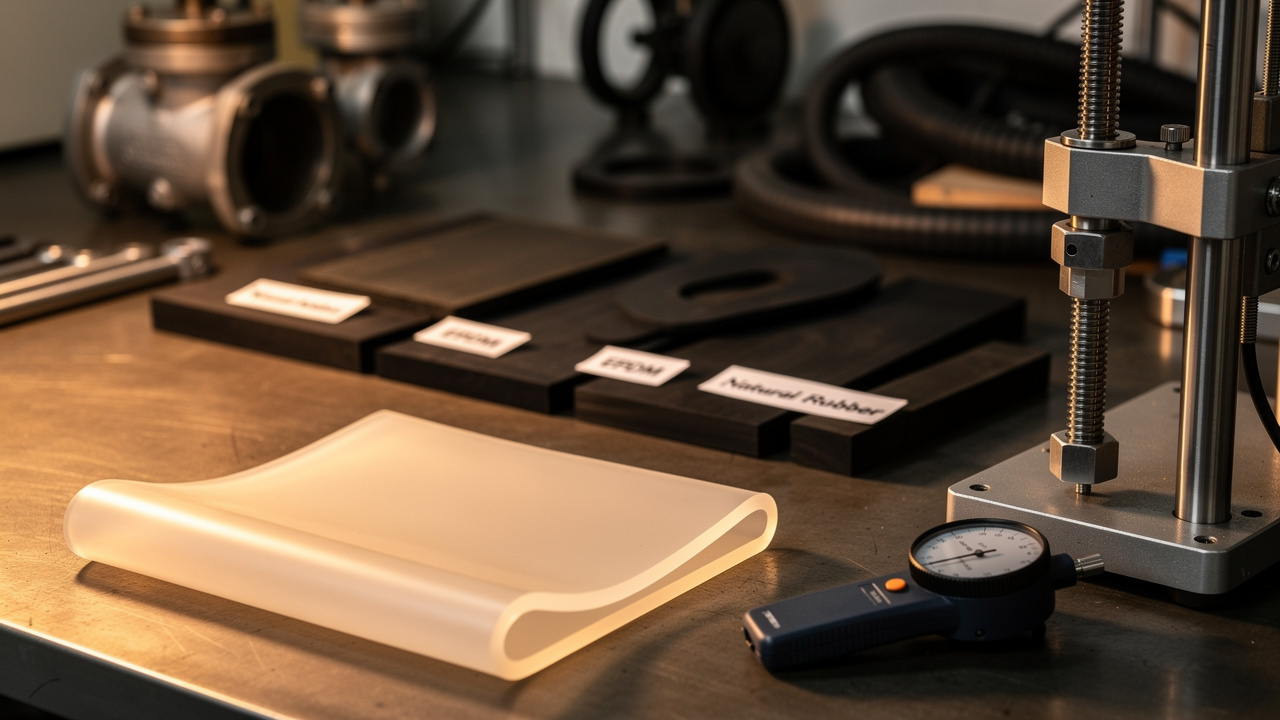
Master High Performance Elastomers: Essential Sourcing Strategies
Introduction
In a world where performance and reliability are paramount, elastomers emerge as essential components that drive innovation across industries. As technology evolves, the demand for high-performance elastomers intensifies. Manufacturers face both opportunities and challenges in sourcing materials that meet stringent performance standards.
So, how can companies tackle the challenges of elastomer selection and supplier management to not only meet industry standards but also gain a competitive edge?
Understand Elastomers: Definition and Importance
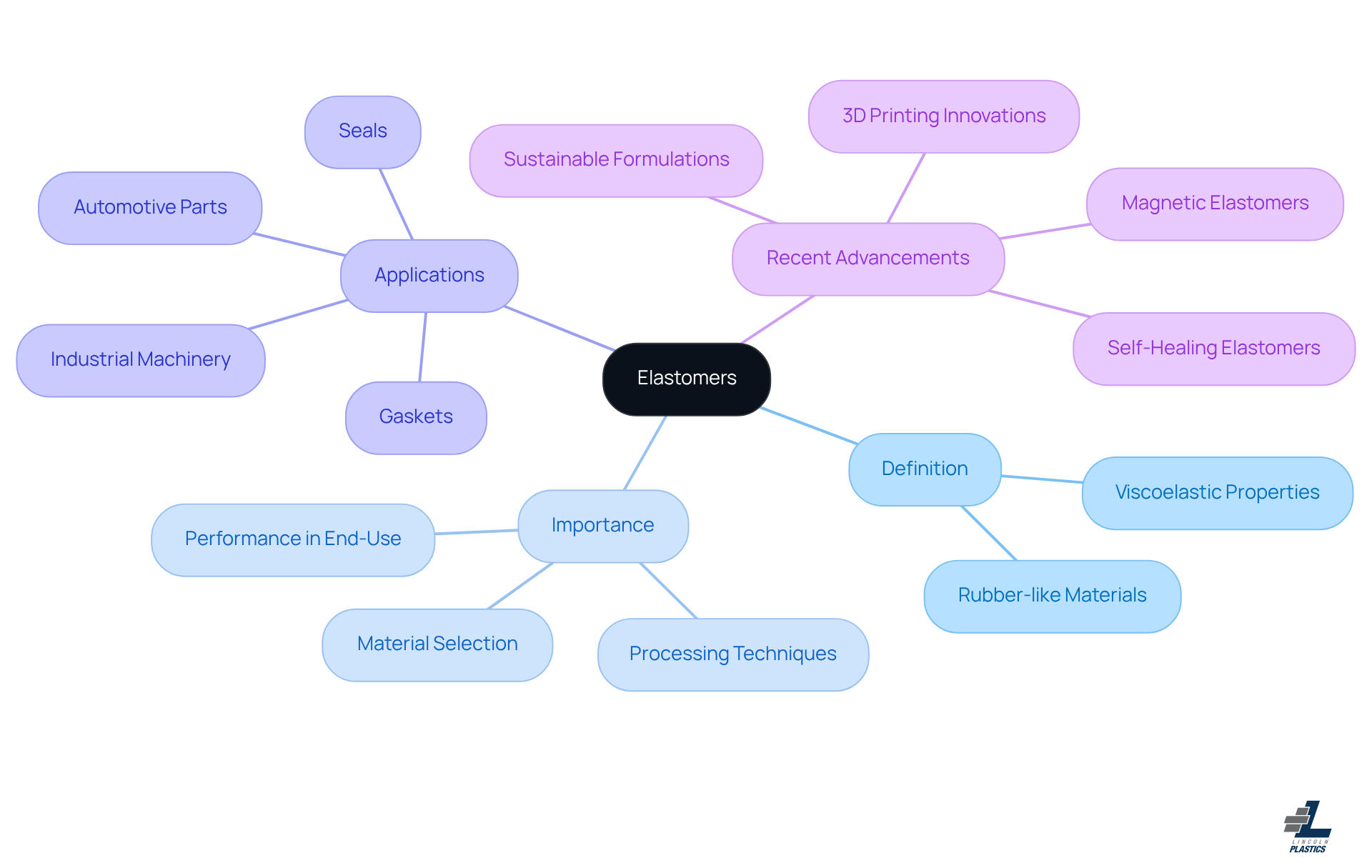
Elastomers are not just materials; they are the backbone of countless applications, thanks to their unique viscoelastic properties. Their elasticity and flexibility make them essential for various applications, such as:
- Seals
- Gaskets
- Automotive parts
- Industrial machinery
Understanding the fundamental properties of rubber-like materials is crucial for manufacturers, as these traits directly affect material selection, processing techniques, and overall performance in end-use situations. For instance, materials like silicone and EPDM are preferred in high-temperature and chemically hostile settings, making them especially suitable for agricultural applications like irrigation systems and industrial machinery parts.
Recent advancements in rubber technology, such as self-healing and magnetic materials, are expanding their utility. These innovations offer solutions that enhance durability and functionality in demanding environments. Manufacturers often struggle with choosing the right elastomer for their specific applications. As the rubber industry evolves, staying updated on these changes is crucial for improving sourcing strategies and ensuring the selection of the most efficient materials for specific applications. Staying informed about these advancements is not just beneficial; it’s essential for maintaining a competitive edge in your industry.
Evaluate Key Properties of High-Performance Elastomers
Selecting high performance elastomers is not just a choice; it’s a critical decision that can impact the success of your applications. When evaluating these materials, several key characteristics come into play:
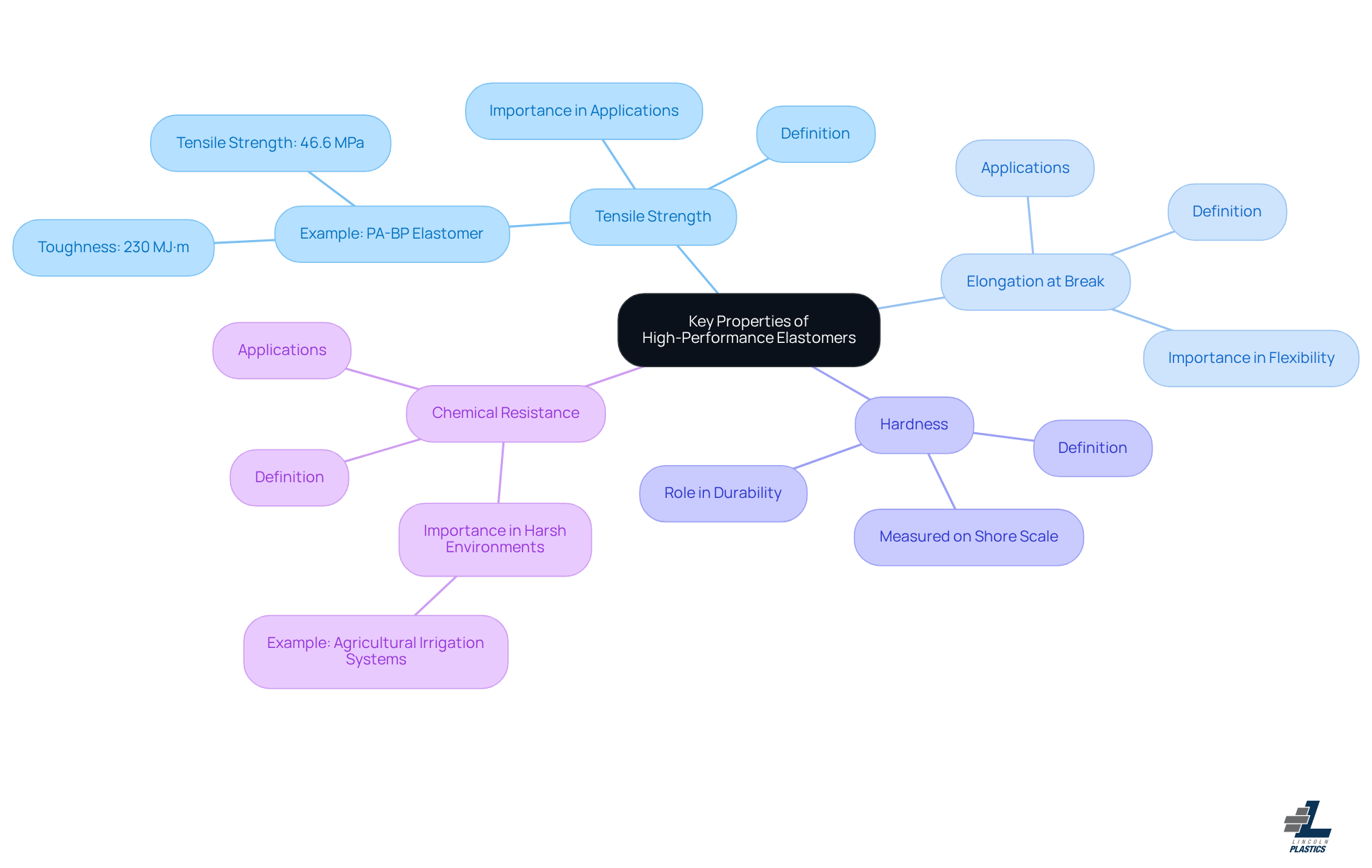
Take tensile strength, for instance. It reveals how well a material can handle stress without failing. The PA-BP polymer showcases an impressive tensile strength of 46.6 MPa and a toughness of 230 MJ·m.
Elongation at break is another vital metric; it indicates how much a flexible material can stretch before it fails. High-performance elastomers typically exhibit enhanced elongation characteristics, which significantly improve their functionality in demanding applications.
Hardness, measured on the Shore scale, plays a crucial role in determining a material's flexibility and durability, making it essential in the selection process.
Furthermore, chemical resistance is critical for applications exposed to harsh environments, such as agricultural irrigation systems, where materials must endure various compounds and conditions. For example, materials used in center pivot irrigation systems must not only resist degradation from substances but also maintain performance under diverse environmental conditions.
By mastering these characteristics, producers can elevate their product performance beyond standard expectations. Ultimately, a thorough understanding of these characteristics empowers producers to make informed decisions that enhance their operational efficiency and product reliability.
Assess Chemical Compatibility for Optimal Performance
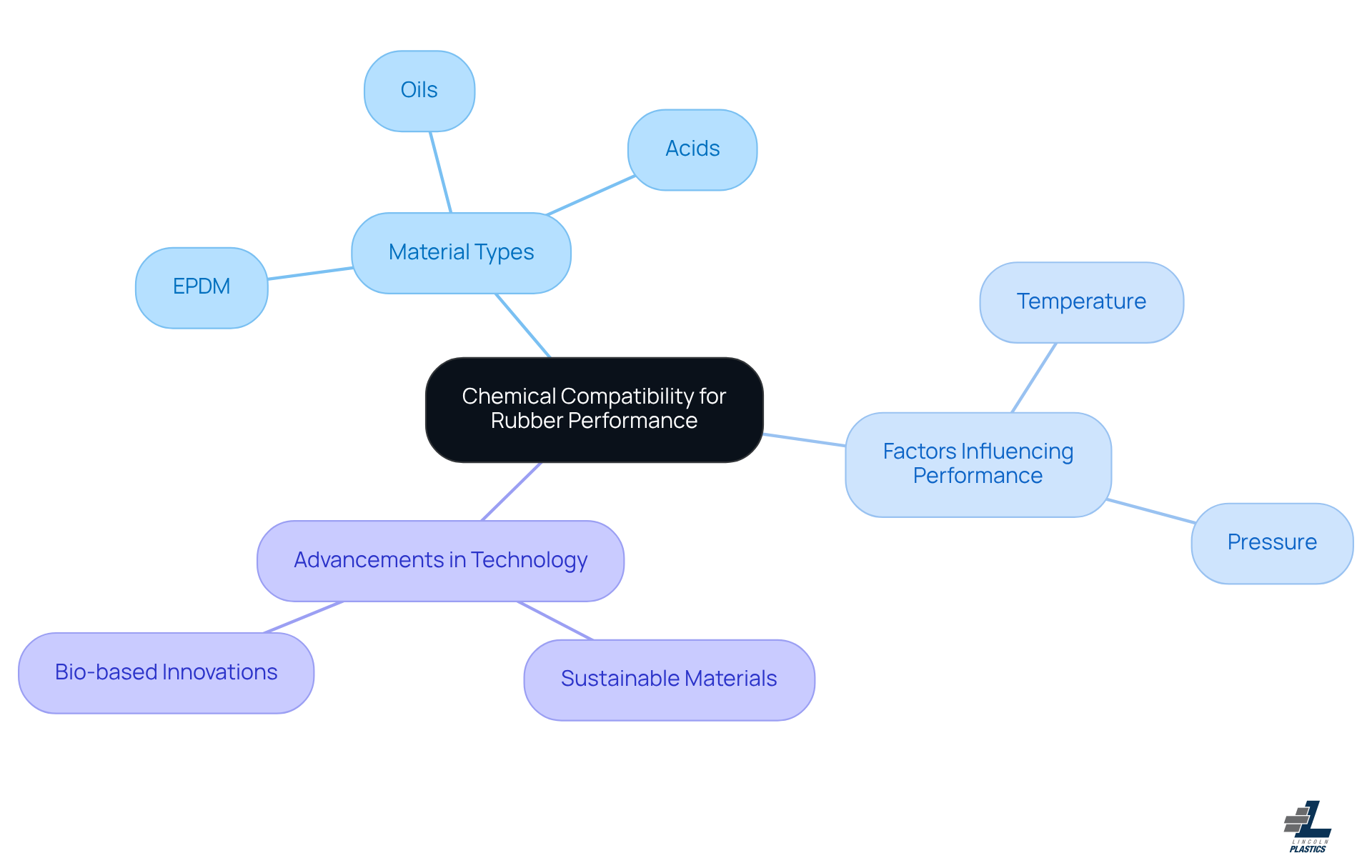
To achieve optimal performance in rubber applications, understanding material compatibility is essential. How can companies ensure their rubber materials withstand various substances like oils and acids? By referencing compatibility charts and conducting thorough tests.
For instance, EPDM materials are recognized for their excellent resistance to weathering and ozone, making them ideal for outdoor applications such as seals and gaskets in the automotive and construction sectors.
In addition, manufacturers must consider the operating temperature and pressure, as these factors significantly influence interactions and overall performance.
As per Dow Global Technologies, advancements in sustainable rubber technologies focus on enhancing resistance to various substances while utilizing bio-based materials. By prioritizing compatibility, companies can not only enhance performance but also reduce long-term costs.
Furthermore, the increasing global demand for chemical-resistant sustainable materials underscores the urgency of addressing these compatibility challenges in today's market. Addressing these compatibility challenges is not just beneficial; it's imperative for staying competitive in today's market.
Explore Different Types of Elastomers and Their Applications
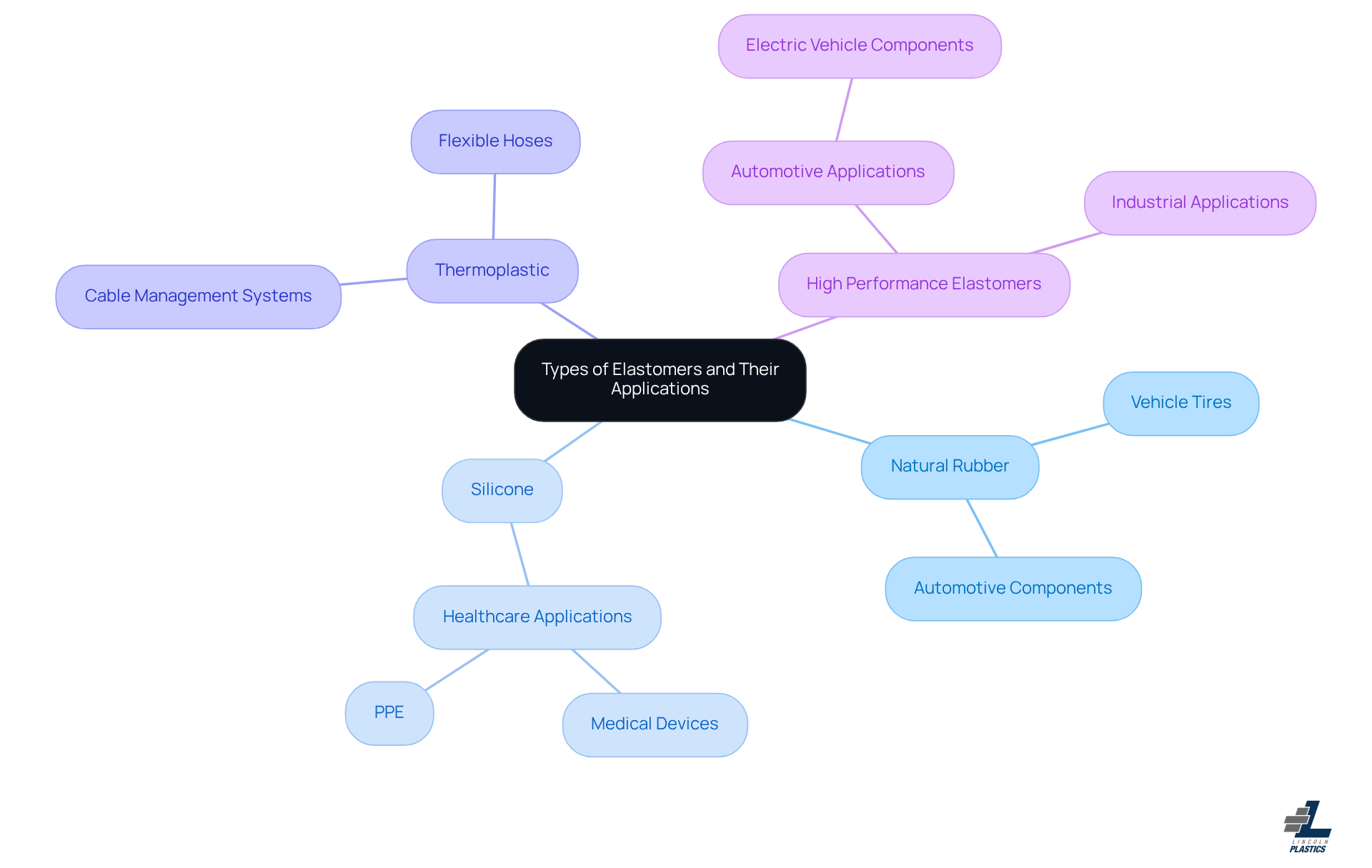
Elastomers, particularly high performance elastomers, with their diverse properties, play a crucial role in various industries, each type tailored for specific applications. For instance, natural rubber is commonly utilized in vehicle tires due to its outstanding flexibility and durability. The automotive sector is the largest user of flexible materials, employing them in various parts.
Advancements in electric vehicle technology are driving a surge in demand for lightweight polymers. These materials are essential for optimizing vehicle performance. In healthcare settings, silicone materials are preferred for their biocompatibility and temperature durability, ensuring safety and dependability in delicate environments.
Thermoplastic materials combine the characteristics of rubber and plastic, making them ideal for applications requiring flexibility and durability, such as cable management systems. With the rubber-like material sector facing increasing regulations like REACH and RoHS, understanding the strengths and weaknesses of each type of rubber is crucial. This knowledge empowers producers to adapt and thrive in a competitive market.
As stated by KEP, a significant contributor in the rubber industry, 'the development of high performance elastomers is essential for fulfilling the requirements of contemporary uses, especially in the automotive and healthcare fields.' By leveraging this knowledge, OEM Purchasing Managers can not only enhance their procurement strategies but also secure a competitive edge in their markets.
Implement Effective Sourcing Strategies and Supplier Management
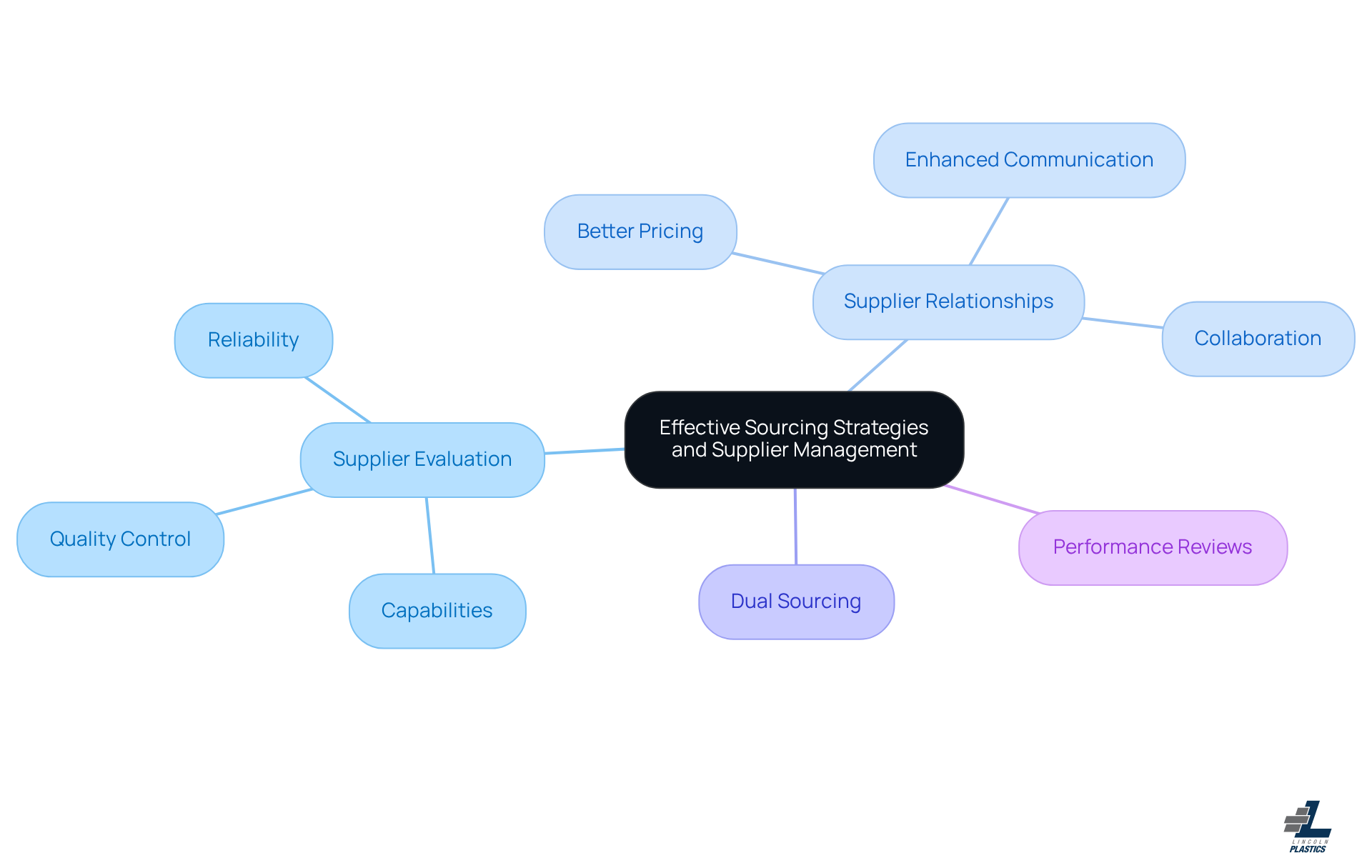
In the competitive landscape of rubber sourcing, manufacturers must navigate challenges to secure reliable suppliers. To enhance rubber sourcing, a strategic approach is crucial, prioritizing thorough evaluation of potential suppliers based on their capabilities, quality control processes, and reliability. Establishing long-term relationships with suppliers fosters better pricing, enhances communication, and encourages collaboration on product development.
Have you considered how dual sourcing can protect your operations from unexpected supply chain disruptions? Implementing dual sourcing strategies is essential for mitigating risks, ensuring that manufacturers are not overly reliant on a single supplier.
Regular reviews of supplier performance and conducting audits are critical practices that help maintain consistent quality standards. By implementing these strategies, manufacturers can not only enhance their sourcing capabilities but also ensure the longevity and success of their operations.
Conclusion
In today's competitive manufacturing landscape, mastering elastomer sourcing is not just beneficial - it's essential. Understanding elastomers and their applications helps companies make informed choices that impact their success. Evaluating key properties such as:
- Tensile strength
- Elongation at break
- Hardness
- Chemical resistance
is crucial when selecting elastomers. Additionally, assessing chemical compatibility ensures optimal performance across diverse applications. By leveraging effective sourcing strategies and fostering strong supplier relationships, manufacturers can navigate challenges in the rubber market and secure a competitive edge.
Manufacturers often struggle to find elastomers that meet their specific needs. Are you keeping up with advancements in elastomer technology? Staying informed is vital for success. Embracing these strategies not only enhances product performance but also contributes to long-term sustainability in manufacturing. By prioritizing these insights, companies can not only survive but thrive, positioning themselves as leaders in their industries.
Frequently Asked Questions
What are elastomers and why are they important?
Elastomers are rubber-like materials known for their unique viscoelastic properties, which provide elasticity and flexibility. They are crucial for various applications, including seals, gaskets, automotive parts, and industrial machinery.
What are some examples of elastomers used in high-temperature and chemically hostile environments?
Silicone and EPDM are examples of elastomers preferred in high-temperature and chemically hostile settings, making them especially suitable for applications like agricultural irrigation systems and industrial machinery parts.
What recent advancements have been made in elastomer technology?
Recent advancements include the development of self-healing and magnetic materials, which enhance durability and functionality in demanding environments.
Why is it important for manufacturers to stay updated on elastomer technology?
Staying informed about advancements in elastomer technology is essential for improving sourcing strategies and ensuring the selection of the most efficient materials for specific applications, which helps maintain a competitive edge in the industry.
What key properties should be evaluated when selecting high-performance elastomers?
Key properties to evaluate include tensile strength, elongation at break, hardness, and chemical resistance.
What does tensile strength indicate in elastomers?
Tensile strength indicates how well a material can handle stress without failing. For example, the PA-BP polymer has a tensile strength of 46.6 MPa.
What is elongation at break, and why is it important?
Elongation at break measures how much a flexible material can stretch before failing. High-performance elastomers typically exhibit enhanced elongation characteristics, improving their functionality in demanding applications.
How is hardness measured in elastomers, and why is it significant?
Hardness is measured on the Shore scale and is significant as it determines a material's flexibility and durability, which are essential factors in the selection process.
Why is chemical resistance critical for certain applications of elastomers?
Chemical resistance is crucial for applications exposed to harsh environments, such as agricultural irrigation systems, where materials must withstand various compounds and conditions while maintaining performance.
List of Sources
- Understand Elastomers: Definition and Importance
- azom.com (https://azom.com/materials-news.aspx?CatID=35)
- applerubber.com (https://applerubber.com/blog/elastomer-technology-trends-to-watch-for-in-2025)
- plasticstoday.com (https://plasticstoday.com/materials/elastomers)
- Evaluate Key Properties of High-Performance Elastomers
- pubs.acs.org (https://pubs.acs.org/doi/10.1021/acsapm.4c00290)
- smithers.com (https://smithers.com/resources/2019/dec/increasing-demand-high-performance-elastomers)
- Assess Chemical Compatibility for Optimal Performance
- eureka.patsnap.com (https://eureka.patsnap.com/report-optimizing-chemical-resistance-of-sustainable-elastomers)
- Explore Different Types of Elastomers and Their Applications
- kentelastomer.com (https://kentelastomer.com/the-elastomer-industry-in-2022-beyond)
- Implement Effective Sourcing Strategies and Supplier Management
- argentus.com (https://argentus.com/7-inspirational-supply-chain-quotes-experts)
Related posts

Discover best practices for sourcing polycarbonate plastic products effectively and efficiently.


Explore the diverse applications of PVC across industries, showcasing its versatility and benefits.
Explore 10 innovative applications of co-extruded plastics for enhanced performance across industries.
