
Master High Density Polymer Sourcing: Best Practices for OEM Managers
Introduction
High-density polyethylene (HDPE) stands as a cornerstone material across various industries, renowned for its exceptional strength, durability, and versatility. As OEM managers face the complexities of sourcing this essential polymer, grasping its properties and applications is vital for making informed decisions. However, the challenge extends beyond merely recognizing the advantages of HDPE; it also involves mastering the nuances of supplier evaluation, cost analysis, and effective negotiation strategies.
What best practices can you implement to optimize the sourcing process? How can you ensure operational efficiency while fully leveraging the potential of high-density polymers? By addressing these questions, you can navigate the sourcing landscape with confidence and precision.
Understand High-Density Polyethylene: Properties and Applications
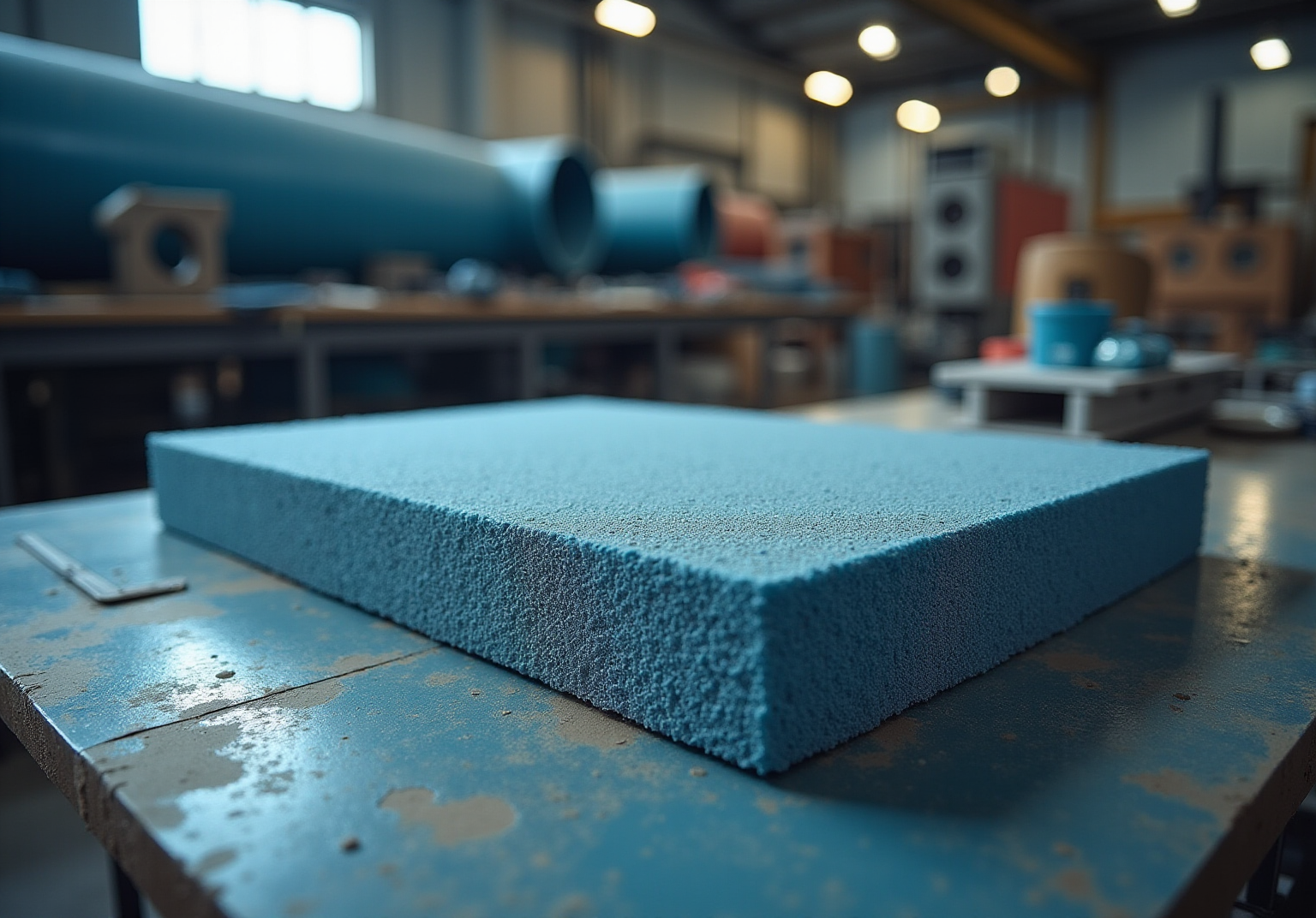
High density polymer, such as High-Density Polyethylene (HDPE), stands out as a flexible thermoplastic with an impressive strength-to-density ratio, making it ideal for a wide range of applications. Its key properties include:
- Chemical Resistance: HDPE resists many solvents, acids, and bases, making it an excellent choice for chemical containers and piping systems.
- Durability: With its toughness and impact resistance, the high density polymer can endure harsh environmental conditions, which is crucial for outdoor applications.
- Lightweight: Despite its strength, high density polymer (HDPE) is lightweight, facilitating easier handling and transportation.
- Recyclability: This type of high density polymer is recyclable, aligning with sustainability goals in manufacturing.
Applications of HDPE span various industries, including:
- Piping Systems: Extensively used in water supply and drainage systems due to its durability and corrosion resistance.
- Packaging: Commonly found in containers, bottles, and bags, high density polymer offers significant advantages due to its strength and lightweight nature.
- Industrial Components: Employed in producing parts for machinery and equipment, particularly in OEM applications where reliability is paramount.
At Lincoln Plastics, we recognize the critical importance of high density polymer properties in helping OEM managers select the right materials for their specific needs. Our unwavering commitment to quality assurance and customization in high density polymer extrusion ensures that we deliver precision-engineered solutions that enhance product performance and longevity.
Are you ready to elevate your projects with HDPE? Let us help you find the perfect solution tailored to your requirements.

Evaluate Supplier Reliability and Material Costs
When it comes to procuring high-density polyethylene, OEM managers must conduct thorough assessments of potential vendors. This process is crucial for ensuring quality and reliability in your supply chain. Here are key factors to consider:
- Supplier Certifications: It's essential to verify that suppliers hold relevant certifications, such as ISO 9001, which demonstrate their commitment to quality management.
- Material Quality: Request samples and perform tests to confirm that the HDPE meets the required specifications and performance standards.
- Cost Analysis: Don’t just look at the base price; compare pricing structures among vendors, factoring in shipping costs, minimum order quantities, and payment terms.
- Vendor Reputation: Investigate vendor reviews and case studies to gauge reliability and customer satisfaction.
For example, a case study involving a Midwest OEM revealed that switching to a certified vendor with a proven track record of quality led to a 15% reduction in material costs and improved product reliability. This underscores the importance of comprehensive vendor assessments in achieving operational efficiency.
In summary, a meticulous approach to vendor selection not only enhances material quality but also contributes to cost savings and overall satisfaction. Are you ready to elevate your procurement process?

Negotiate Effectively: Strategies for Contract Success
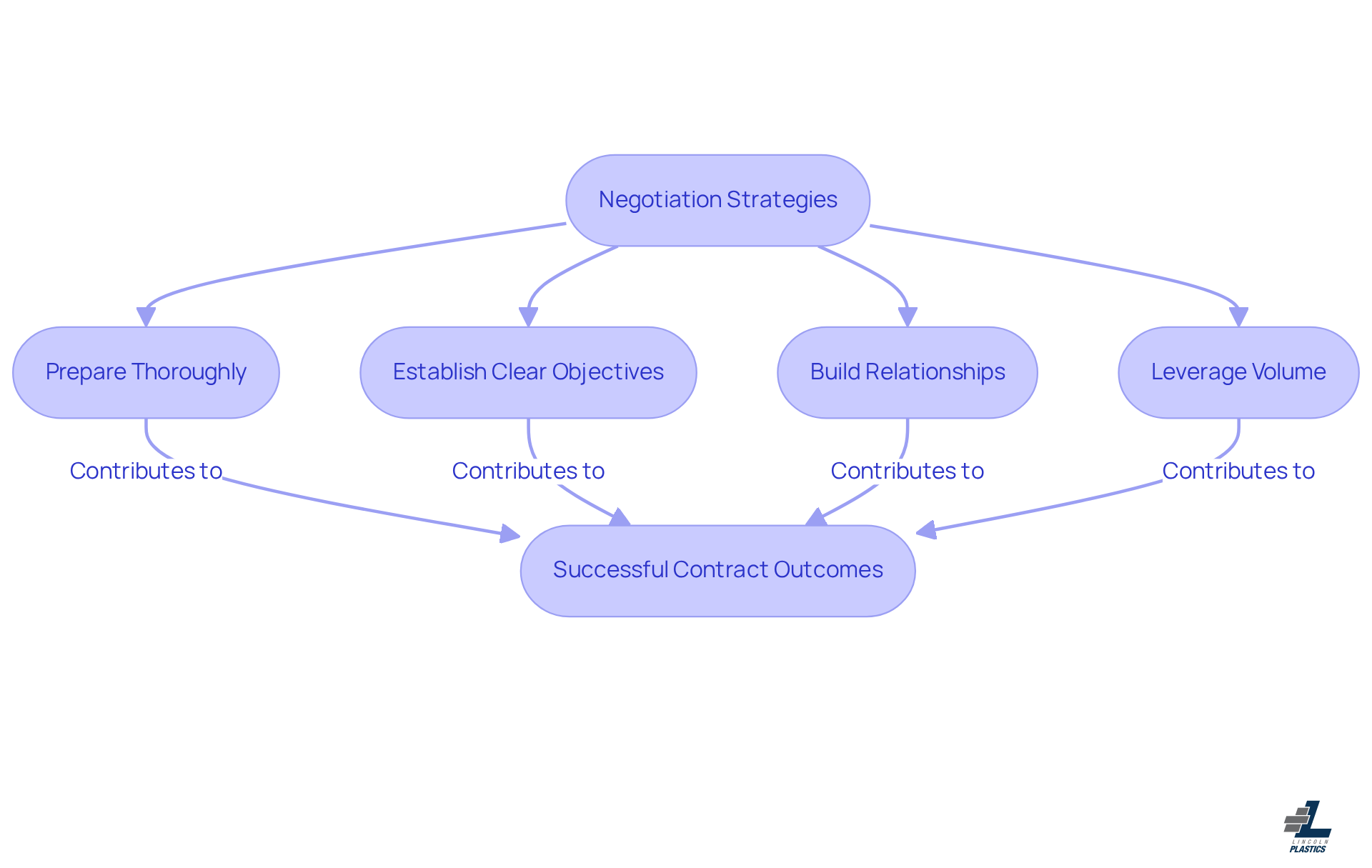
Negotiating agreements with vendors demands a strategic approach. OEM managers can benefit from several effective strategies:
- Prepare Thoroughly: Before entering negotiations, it’s crucial to understand your needs and the market landscape. This includes grasping the typical expenses of high density polymer and assessing potential vendor capabilities.
- Establish Clear Objectives: Clearly define your goals for the negotiation, including price, delivery timelines, and quality standards.
- Build Relationships: Cultivating a collaborative relationship with vendors can lead to improved terms and greater flexibility during negotiations.
- Leverage Volume: Whenever possible, negotiate based on volume purchases. Suppliers often provide discounts for larger orders, which can significantly lower costs.
For example, an OEM that secured a long-term contract with a supplier based on projected volume needs achieved a 10% discount on HDPE prices. This illustrates the financial advantages of effective negotiation.
Leverage Custom Solutions for Enhanced Operational Efficiency
Custom extrusion solutions from Lincoln Plastics empower OEM managers to tailor products precisely to their specific requirements, significantly enhancing operational efficiency. This capability is not just a feature; it’s a game changer in the industry.
- Precision Engineering stands at the forefront of our offerings. Custom profiles are meticulously designed to meet exact specifications, which minimizes the need for modifications during assembly. This precision not only streamlines production but also ensures that your operations run smoothly.
- Material Optimization is another critical advantage. By collaborating closely with Lincoln Plastics, OEMs can select the most suitable materials for their applications. This ensures optimal performance and durability, particularly in irrigation products and cable management solutions. Are you ready to elevate your product quality?
- Reduced Waste is a significant benefit of our custom solutions. By minimizing excess material usage, you can achieve cost savings while also reducing your environmental footprint. It’s a win-win for your bottom line and the planet.
Consider a case study involving a custom irrigation component for agricultural applications. Tailored extrusion profiles not only improved system efficiency but also reduced material waste by 20%. This example underscores the potential of Lincoln Plastics' custom solutions in driving operational improvements.
In conclusion, Lincoln Plastics stands ready to partner with you in achieving unparalleled efficiency and sustainability in your operations. Let’s explore how our custom extrusion solutions can meet your unique needs.

Conclusion
Mastering the sourcing of high-density polymers is essential for OEM managers who seek to optimize production processes and uphold product quality. Understanding the properties and applications of high-density polyethylene (HDPE) is key. By evaluating supplier reliability and employing effective negotiation strategies, managers can make informed decisions that enhance operational efficiency and drive cost savings.
Recognizing HDPE's key attributes - its chemical resistance, durability, and recyclability - positions it as a preferred choice across various industries. Furthermore, thorough assessments of supplier qualifications, material quality, and cost analysis are vital for establishing a reliable supply chain. Effective negotiation tactics, such as thorough preparation and leveraging volume purchases, can lead to favorable contract outcomes that benefit both parties.
In addition, embracing custom extrusion solutions can significantly elevate operational efficiency while minimizing waste and maximizing product performance. By leveraging tailored approaches to sourcing high-density polymers, OEM managers can not only meet their specific needs but also contribute to sustainability goals in manufacturing.
Ultimately, adopting these best practices empowers managers to elevate their projects and ensure long-term success in the competitive landscape of polymer sourcing.
Frequently Asked Questions
What is High-Density Polyethylene (HDPE)?
High-Density Polyethylene (HDPE) is a flexible thermoplastic known for its impressive strength-to-density ratio, making it suitable for various applications.
What are the key properties of HDPE?
The key properties of HDPE include chemical resistance, durability, lightweight nature, and recyclability.
How does HDPE resist chemicals?
HDPE resists many solvents, acids, and bases, making it an excellent choice for chemical containers and piping systems.
Why is HDPE considered durable?
HDPE is tough and impact-resistant, allowing it to endure harsh environmental conditions, which is crucial for outdoor applications.
What advantages does the lightweight nature of HDPE offer?
The lightweight nature of HDPE facilitates easier handling and transportation, despite its strength.
Is HDPE recyclable?
Yes, HDPE is recyclable, aligning with sustainability goals in manufacturing.
What are some common applications of HDPE?
Common applications of HDPE include piping systems, packaging, and industrial components.
In what industries is HDPE used for piping systems?
HDPE is extensively used in water supply and drainage systems due to its durability and corrosion resistance.
How is HDPE utilized in packaging?
HDPE is commonly found in containers, bottles, and bags, offering significant advantages due to its strength and lightweight nature.
What role does HDPE play in industrial components?
HDPE is employed in producing parts for machinery and equipment, particularly in OEM applications where reliability is essential.
How does Lincoln Plastics support the use of HDPE?
Lincoln Plastics focuses on quality assurance and customization in high-density polymer extrusion, providing precision-engineered solutions that enhance product performance and longevity.
Related posts

Custom Colors & Branding in Extrusion
Lincoln Plastics delivers Pantone-matched colors, striping, and finishes in extrusion for OEMs — combining performance with branding.


How We Solve Problems When Standard Parts Don’t Work
Lincoln Plastics solves challenges OEMs face when standard parts don’t work — delivering custom extrusions that improve fit, cost, and reliability.
Cable & Cord Protection in High-Traffic Environments
Lincoln Plastics manufactures durable cord covers and management solutions to keep high-traffic environments safe, organized, and compliant.
