

Master Flexible Polycarbonate: Key Steps for Effective Sourcing
Introduction
Have you ever thought about how flexible polycarbonate could change the game in various industries? From automotive to medical applications, this material is a real powerhouse. It’s known for its impact resistance and thermal stability, making it a fantastic choice for innovative designs and efficient functionality. But with so many options out there, how do you make sure you’re sourcing the right material for your specific project needs?
Let’s dive into this together! Understanding the unique properties of flexible polycarbonate opens up a world of possibilities. It’s all about finding the best fit for your project, and I’m here to help you navigate through the options. So, what do you say? Let’s explore how to make those sourcing decisions a bit easier!
Understand Flexible Polycarbonate Properties
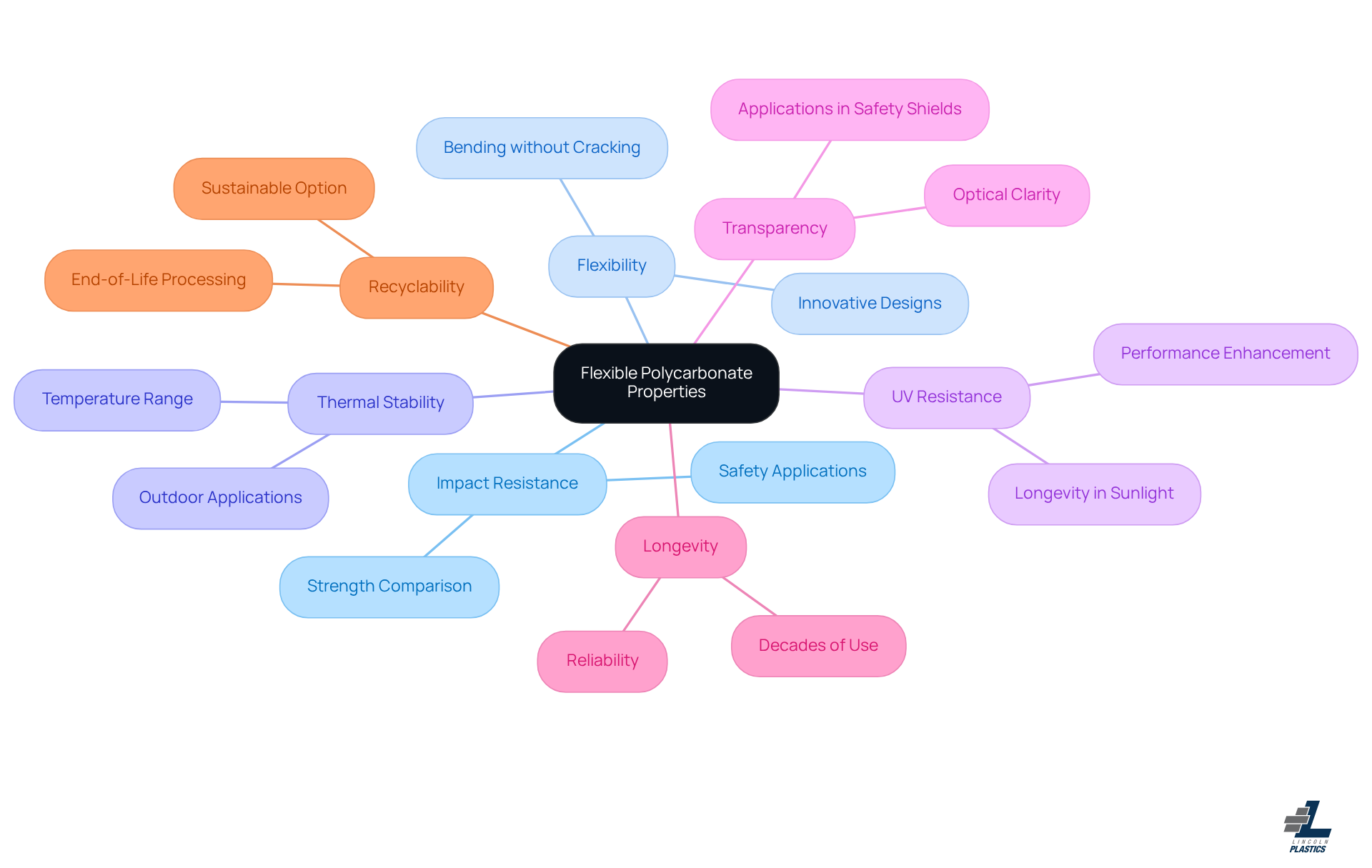
Understanding the properties of flexible polycarbonate is super important when it comes to sourcing materials. Let’s break it down:
- Durability: This flexible material is tough! It can handle impacts up to 250 times stronger than glass. That’s crucial for safety-related applications, ensuring everything stays intact even under pressure.
- Flexibility: Unlike those stiff plastics, flexible polycarbonate bends without cracking. This makes it perfect for things like automotive parts and protective coverings. Imagine the innovative designs you can create that traditional materials just can’t pull off!
- Temperature Resistance: This material holds up across a wide range of temperatures, from freezing cold to scorching heat, withstanding up to 115°C. That is key for outdoor applications where the weather can change in a heartbeat.
- UV Resistance: Many products come with advanced UV stabilizers. This means they last longer and perform better outdoors. No one wants brittleness or degradation from too much sun exposure, right? It’s a significant advantage.
- Transparency: Flexible polycarbonate offers excellent clarity, making it a go-to for applications that need visibility, like safety shields and glazing. It keeps its transparency without sacrificing strength, which is a big plus in various industries.
- Longevity: These panels can last for decades under normal conditions without significant wear and tear. Talk about reliability!
- Recyclability: And when it’s time for a change, this material is recyclable, making it a more sustainable option compared to many other plastics.
By understanding these characteristics, you’ll be better equipped to determine if flexible polycarbonate meets your specific needs and applications. So, what do you think? Ready to explore its possibilities?
Identify Applications for Flexible Polycarbonate
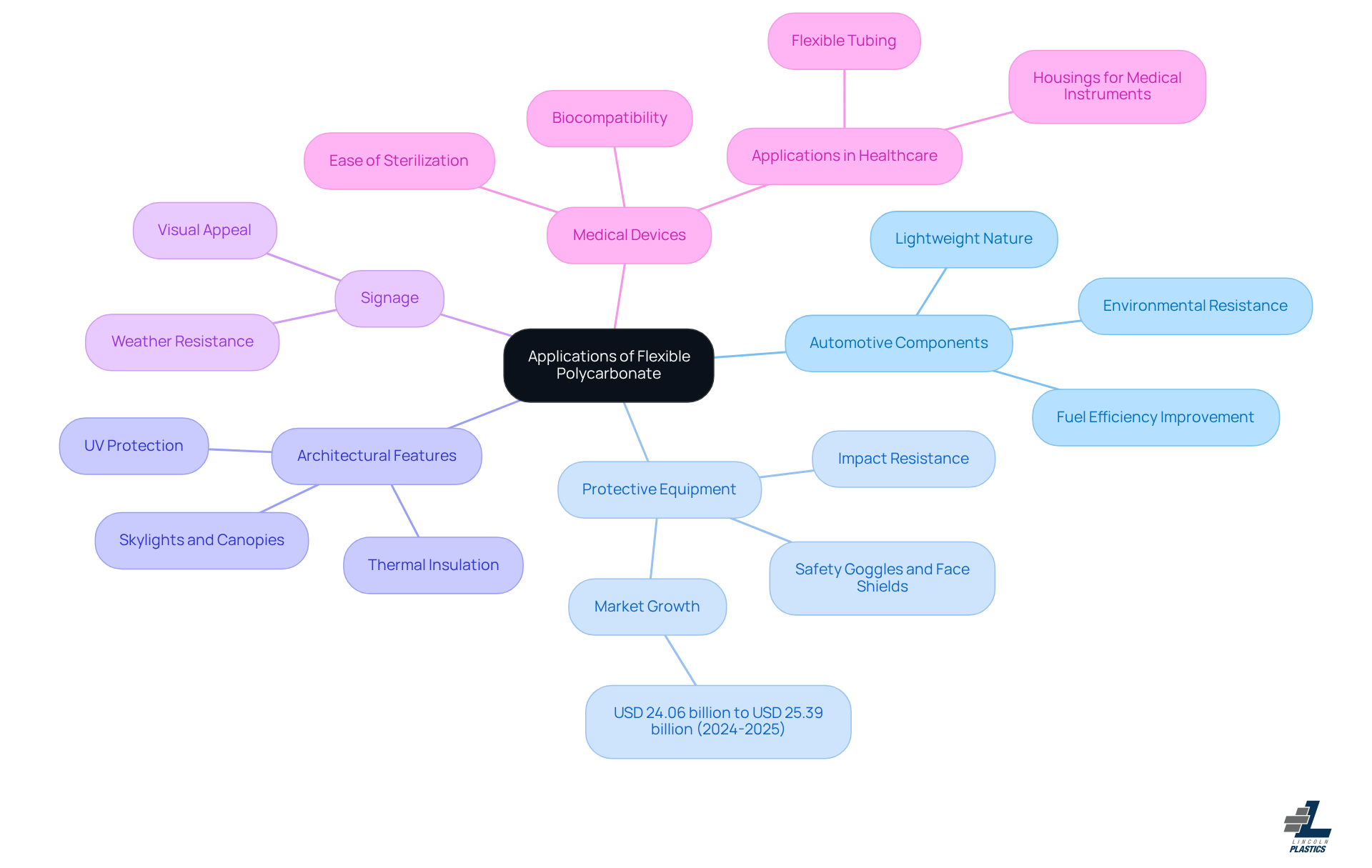
Isn't flexible polycarbonate such a versatile material? It’s known for its unique properties that make it ideal for all sorts of applications. Let’s dive into some key areas where it really shines:
- Automotive: You’ll find flexible plastic everywhere in cars, from the interior to the exterior parts. Its lightweight nature and ability to handle tough environmental conditions make it a go-to choice for boosting vehicle performance and fuel efficiency.
- Protective Equipment: Have you ever thought about how important protective equipment is? That’s where flexible polycarbonate comes in, especially for safety goggles, face shields, and other gear. It keeps you safe while ensuring you can see clearly in critical situations. Plus, the market for protective equipment made from flexible polycarbonate is on the rise, thanks to stricter safety regulations and a growing demand for high-performance gear. Just look at the statistics - it jumped from USD 24.06 billion in 2024 to USD 25.39 billion in 2025! As Frank Obels, CEO, puts it, "We publish our press releases on openPR.de because we like people who are 'open' - just like us."
- Construction: Now, let’s talk about construction. Flexible polycarbonate is commonly utilized in skylights, canopies, and roofing systems. It’s not just about looks; it also provides insulation, making it a favorite for modern architectural designs.
- Signage: When it comes to signage, adaptable plastic is a champ. It can withstand all sorts of weather while keeping its visual appeal, ensuring your messages are always clear and effective.
- Healthcare: In healthcare, flexible polycarbonate plays a crucial role too. It’s used in everything from housings for medical instruments to flexible tubing. Its biocompatibility and ease of sterilization are key for safety and efficacy in medical settings.
By recognizing these various uses, you can truly appreciate how adaptable this material is and how it can meet specific needs to enhance your projects.
Evaluate Selection Criteria for Your Needs
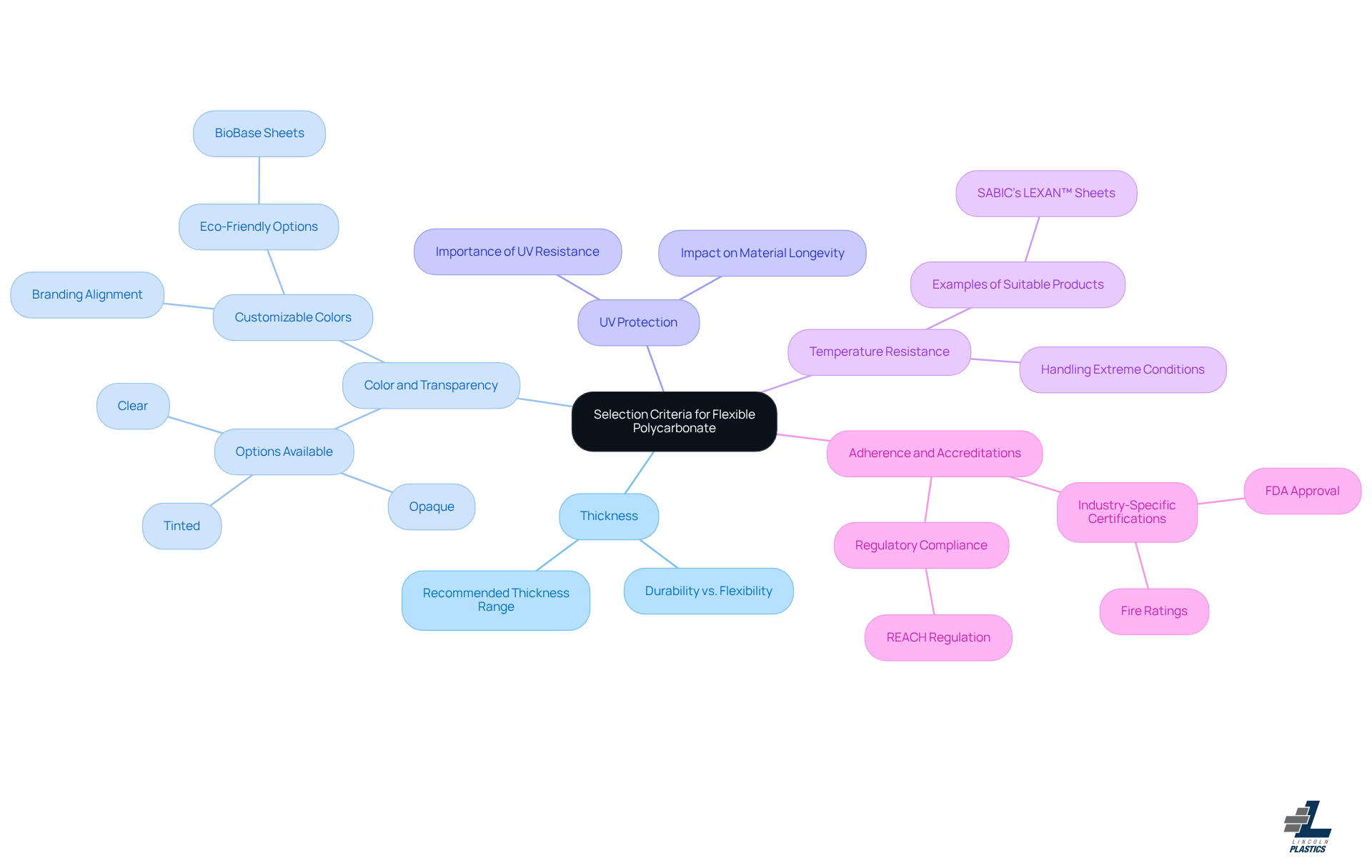
When you're on the hunt for flexible polycarbonate, there are a few key things to keep in mind to make sure you get the best fit for your needs:
- Thickness: Think about the thickness. Thicker sheets can be more durable, but they might lose some flexibility. So, what’s the right thickness for your project? Take a moment to evaluate your specific needs.
- Color and Transparency: The color and transparency you choose can really affect both how the material works and how it looks. You’ve got options from clear to tinted and even opaque sheets. Lately, there’s been a trend towards tinted options. For instance, Palram Industries has introduced their BioBase sheets, which are a great sustainable choice that meets the growing demand for green products.
- UV Protection: If your application will be out in the sun, you’ll want to pick a material that offers UV protection. This is key to maintaining and keeping the material’s integrity intact over time, which means it’ll last longer and perform better.
- Temperature Resistance: Consider the temperature range your polycarbonate will face. It’s super important to choose a material that can handle those conditions without losing its properties, especially in extreme environments. SABIC’s LEXAN™ Polycarbonate sheets are known for their excellent thermoformability and durability, making them suitable for a variety of applications.
- Adherence and Accreditations: Don’t forget to check if the plastic sheets meet any industry standards. This could mean safety certifications or fire ratings for construction projects-both of which are crucial for safety and compliance. Plus, the European Union's REACH regulation emphasizes the importance of safe chemical use in plastics production, so keep that in mind when sourcing.
By carefully considering these factors, you can find that not only satisfies your operational needs but also enhances the efficiency of your applications. And here’s a fun fact: the plastic sheet market is expected to grow from USD 2.16 billion in 2024 to around USD 3.56 billion by 2034. So, making informed sourcing choices is more important than ever!
Source Reliable Suppliers for Flexible Polycarbonate
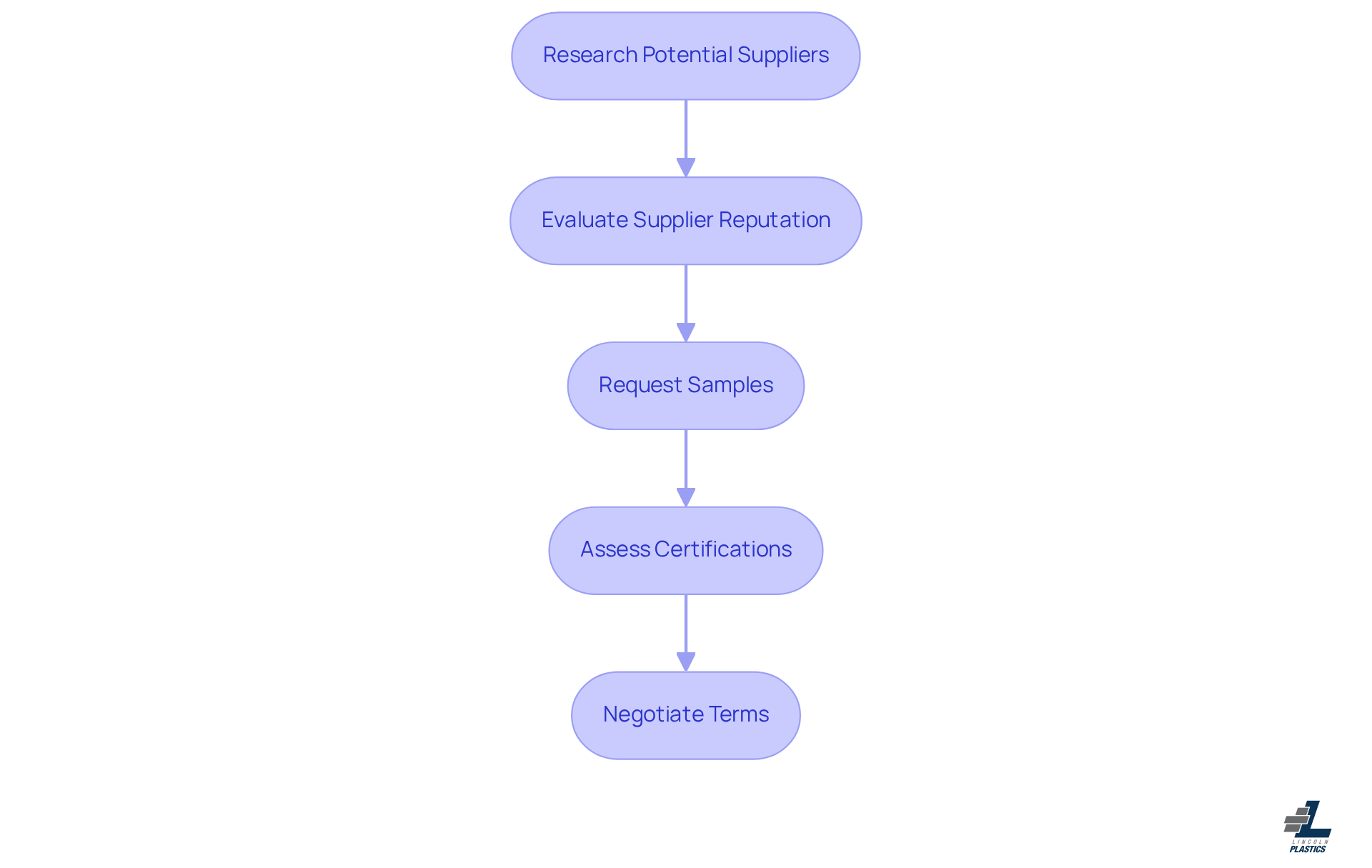
Are you looking to find suppliers for flexible polycarbonate? You’re not alone! Here are some steps to help you navigate the process:
- Research Potential Suppliers: Start by putting together a solid list of potential suppliers. Check out industry directories, trade shows, and online platforms to find companies that specialize in plastic products. It’s all about casting a wide net!
- Evaluate Reputation: Next up, take a good look at each supplier’s reputation. Dive into reviews, testimonials, and case studies. What are previous customers saying about their experiences? This part is super important because a supplier can really make or break your project. As Mordor Intelligence points out, "Suppliers that master specialty grades able to withstand higher temperatures, deliver optical clarity, and incorporate recycled feedstock are capturing outsized demand."
- Request Samples: Request samples of the material before you go ahead and place a bulk order. This way, you can check out the quality and see if it fits your specific needs. You want to make sure it meets your performance standards!
- Verify Certifications: Make sure your suppliers are on the up-and-up with industry standards and certifications, like ISO 9001. This certification shows they’re committed to quality. Did you know the global market for this material was valued at USD 15.11 billion in 2023? That’s a big deal, so take it seriously.
- Discuss Terms: Finally, get into the nitty-gritty of pricing, lead times, and return policies with your potential suppliers. Setting clear terms from the get-go helps avoid any misunderstandings and makes the whole procurement process smoother.
By following these steps, you’ll be well on your way to sourcing from reliable suppliers. It’s all about laying a solid foundation for quality and trust in your projects!
Conclusion
Mastering the sourcing of flexible polycarbonate is all about getting to know its unique properties and applications, plus navigating the selection and supplier evaluation processes. This material really shines with its impressive impact resistance, flexibility, thermal stability, UV resistance, and longevity. It’s no wonder it’s a go-to choice for industries ranging from automotive to healthcare.
So, what are some of the cool applications of flexible polycarbonate? Think:
- Automotive components
- Protective gear
- Architectural features
- Signage
- Medical devices
And when it comes to selecting the right material, there are some key criteria to keep in mind. You’ll want to consider:
- Thickness
- Color
- UV protection
- Temperature resistance
- Supplier certifications
By taking a structured approach to sourcing - like researching suppliers and checking their reputations - you can make informed decisions that really meet your needs.
Now, let’s not underestimate the significance of flexible polycarbonate in boosting project outcomes. As industries keep pushing the envelope, the demand for high-performance materials like this one is only going to rise. Embracing effective sourcing strategies will not just streamline your procurement processes; it’ll also play a big role in the success of your projects across various sectors. So, prioritize quality and reliability in your sourcing efforts, and you’ll unlock the full potential of this versatile material!
Frequently Asked Questions
What is flexible polycarbonate known for?
Flexible polycarbonate is known for its impact resistance, flexibility, thermal stability, UV resistance, transparency, longevity, and recyclability.
How does flexible polycarbonate compare to glass in terms of impact resistance?
Flexible polycarbonate can handle impacts up to 250 times stronger than glass, making it a crucial material for safety-related applications.
What makes flexible polycarbonate a suitable choice for automotive parts and protective coverings?
Its ability to bend without cracking makes flexible polycarbonate ideal for innovative designs in automotive parts and protective coverings.
What is the thermal stability range of flexible polycarbonate?
Flexible polycarbonate can withstand a wide range of temperatures, from freezing cold to up to 115°C, making it suitable for outdoor applications.
How does UV resistance benefit flexible polycarbonate products?
Many flexible polycarbonate products come with advanced UV stabilizers, allowing them to last longer and perform better outdoors without becoming brittle or degrading from sun exposure.
Why is transparency an important property of flexible polycarbonate?
Flexible polycarbonate offers high optical clarity, making it ideal for applications that require visibility, such as safety shields and glazing, while maintaining strength.
What is the longevity of flexible polycarbonate panels?
Flexible polycarbonate panels can last for decades under normal conditions without significant wear and tear.
Is flexible polycarbonate recyclable?
Yes, flexible polycarbonate can be recycled, making it a more sustainable option compared to many other plastics.
List of Sources
- Understand Flexible Polycarbonate Properties
- unqpc.com (https://unqpc.com/the-future-of-polycarbonate-trends-to-watch-in-2025)
- stabilitamerica.com (https://stabilitamerica.com/blog/how-durable-is-polycarbonate)
- Polycarbonate: Advantages, Disadvantages, and Applications (https://protolabs.com/materials/polycarbonate)
- salesplastics.com (https://salesplastics.com/polycarbonate-melting-point)
- Identify Applications for Flexible Polycarbonate
- openpr.com (https://openpr.com/news/4289311/polycarbonate-market-trends-technologies-and-forecast)
- Polycarbonate: Advantages, Disadvantages, and Applications (https://protolabs.com/materials/polycarbonate)
- Evaluate Selection Criteria for Your Needs
- towardspackaging.com (https://towardspackaging.com/insights/polycarbonate-sheet-market-sizing)
- danpal.com (https://danpal.com/case_studies)
- Source Reliable Suppliers for Flexible Polycarbonate
- unqpc.com (https://unqpc.com/5-key-tips-for-choosing-the-perfect-polycarbonate-sheet-for-your-project)
- fortunebusinessinsights.com (https://fortunebusinessinsights.com/polycarbonate-market-108509)
- towardspackaging.com (https://towardspackaging.com/insights/polycarbonate-sheet-market-sizing)
- mordorintelligence.com (https://mordorintelligence.com/industry-reports/north-america-polycarbonate-pc-market)
- ctcplastics.com (https://ctcplastics.com/2024/04/5-qualities-to-look-for-in-a-plastics-supplier)
Related posts

Why Custom Pipe Extrusion Matters More Than Ever
Standard pipe sizes don’t always work. Learn how Lincoln Plastics delivers custom diameters, wall thicknesses, and finishes in right-sized runs.


Reducing Trip Hazards with Custom Cord Management
Loose cords are more than messy — they’re a safety hazard. Lincoln Plastics’ custom cord covers and Flexiduct solutions improve safety and efficiency.
The Power of Custom Plastic Profiles for OEMs
Off-the-shelf profiles force compromises. Learn how Lincoln Plastics designs custom extruded profiles for OEMs with exact specs and right-sized runs.
