

Master Extrusion Material Selection: A Step-by-Step Guide
Introduction
Choosing the right extrusion material can feel like a daunting task, right? With so many options out there, it’s easy to get overwhelmed. But don’t worry! This guide is here to help you navigate the selection process. We’ll dive into the properties of key materials like polyethylene, polyvinyl chloride, and polypropylene, making it all a bit clearer.
Now, you might be wondering: how do you pick the best material for your project? There are a lot of factors to consider - cost, durability, and specific application needs, just to name a few. But with the right insights, you can confidently tackle the complexities of material selection. Let’s work together to find the best fit for your needs, ensuring optimal performance and sustainability!
Understand Extrusion Materials and Their Properties
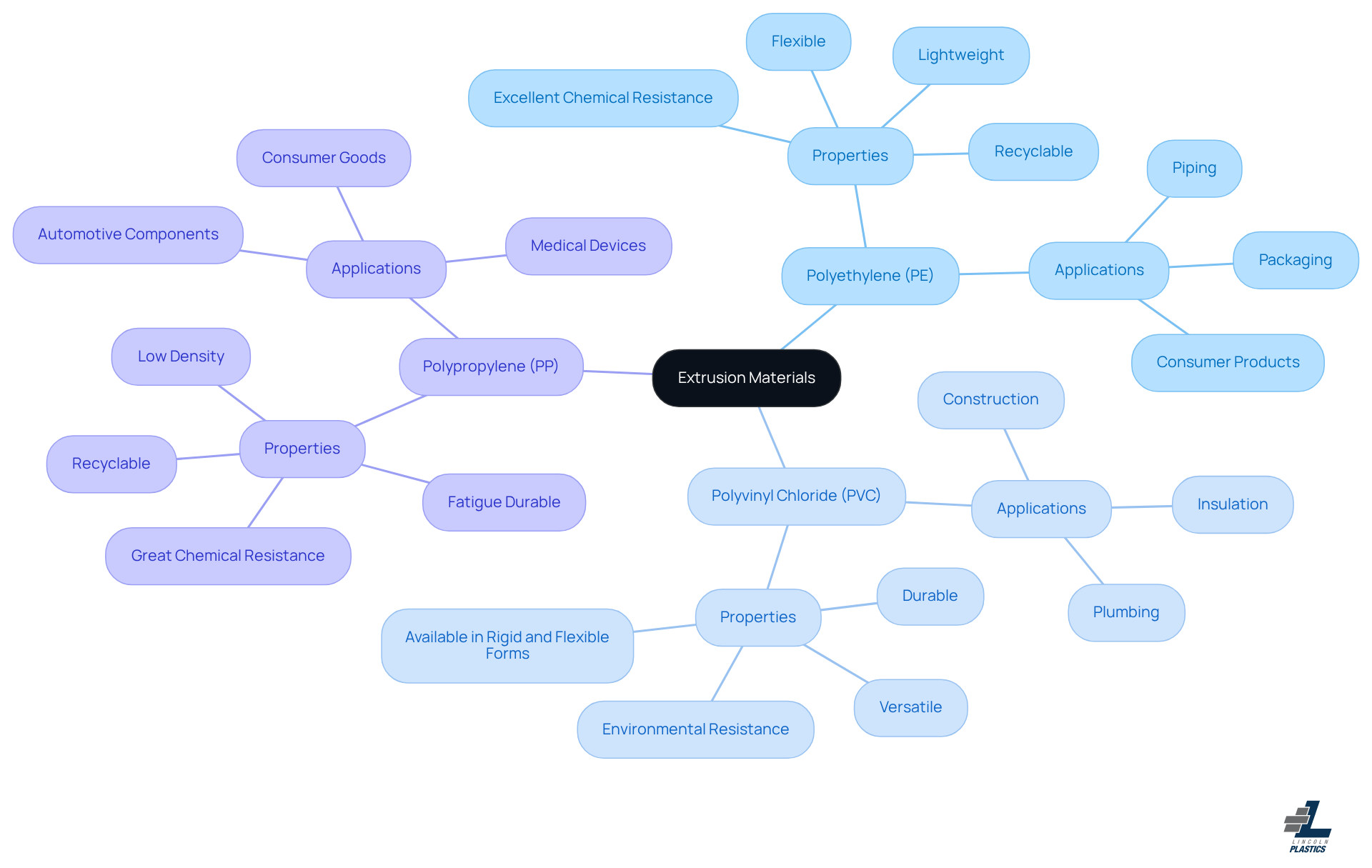
Choosing the right material can feel a bit overwhelming, right? With so many thermoplastics out there, it’s important to understand their properties. Let’s break down some of the most commonly used materials, which include polyethylene, PVC, and polypropylene as key examples of extrusion materials. Each of these has its own set of advantages that might just fit your needs perfectly.
- Polyethylene is a popular choice, and for good reason! It’s flexible and has excellent impact resistance, making it a go-to for packaging, piping, and various consumer products. Plus, it’s lightweight and recyclable, which is a big win for those of us who care about the environment.
- Now, let’s talk about PVC. This material is known for its durability and versatility, making it ideal for construction and plumbing applications. It stands up well against environmental degradation, ensuring it lasts a long time. And did you know it can be made in both rigid and flexible forms? That means it can be used for everything from pipes to insulation.
- Then there’s polypropylene. This one’s known for its impressive chemical resistance. You’ll often find it in automotive components and consumer goods. Its great chemical resistance and recyclability make it even more appealing, especially for industries focused on sustainability.
Understanding the properties of these materials is key to picking the best one for your specific needs. It’s all about ensuring optimal performance and longevity for your products made from these materials. Experts suggest that when choosing between PE, PVC, and PP, you should consider factors like flexibility, rigidity, and environmental impact.
At Lincoln Plastics, we’re here to help you navigate these choices. We offer expert advice tailored to your specific application, ensuring you get the best performance and longevity from your extruded products. Need help improving your design for production? We’ve got you covered! Plus, we provide resources to make your decision-making process easier.
And don’t forget about our inventory solutions! They can help you maintain the right balance of supplies, keeping you within your necessary min-max ranges. So, why not reach out and see how we can assist you today?
Explore Common Extrusion Materials: Polyethylene, PVC, and Polypropylene
When you're selecting materials, it’s super important to know your options. Let’s break down some of the most common ones:
- Polyethylene: This one comes in different densities, like Low-Density Polyethylene (LDPE) and High-Density Polyethylene (HDPE). People love PE because it’s lightweight and has excellent flexibility. You’ll often find LDPE in packaging films, while HDPE is the go-to for tougher jobs, like applications where you really need that durability.
- PVC: PVC is pretty versatile since it can be made in both rigid and flexible forms. This makes it perfect for all sorts of applications, from window frames to plumbing pipes and electrical conduits. Plus, it holds up well against weathering, which is a big plus for outdoor use. Did you know that a recent study found PVC water pipes have the lowest break rates? Just 2.9 breaks per 100 miles per year! That’s way better than alternatives like asbestos concrete and cast iron, which tend to break more often.
- Polypropylene: You’ll see PP used in everything from automotive parts to textiles and food packaging. Why? It has a high melting point and resists chemical solvents. It’s recyclable too, making it a solid choice for those of us who care about the environment and want to keep up with the sustainability trend.
By getting to know the properties of these materials, you can make choices that truly align with your project goals. This way, you’ll ensure top-notch performance and durability in whatever you’re working on. So, what do you think? Ready to dive into your material selection?

Evaluate Key Factors for Material Selection: Cost, Durability, and Application
When you're picking materials for extrusion, there are a few key things to keep in mind:
- Cost: Material prices can really vary, so it’s super important to look at the market trends. This means considering not just the initial costs, but also processing expenses and any potential waste. All of these can really impact your overall budget.
- Durability: You want to think about how well the material can handle conditions like UV exposure, moisture, and temperature changes. For example, PVC is great for outdoor applications because it’s tough against the elements. Industry experts point out that PVC holds up well even with prolonged UV exposure, making it a solid pick for outdoor products. Plus, studies show that PVC can take on significant environmental stress, ensuring it performs well over time. The specific use of the application plays a big role in determining which materials you should choose. If a product is going to be exposed to harsh chemicals, you might want to go with materials like polypropylene (PP) or polyethylene (PE), which are known for their great chemical resistance. Industry leaders stress that material selection is key to ensuring long-lasting performance and reliability.
By taking a good look at these factors, manufacturers can make choices that fit their project needs and budget. This not only boosts the efficiency of their production but also enhances overall effectiveness.

Conclusion
Choosing the right material for extrusion is super important - it can really affect how well the final product performs and how long it lasts. When manufacturers get to know the properties of common extrusion materials like polyethylene, polyvinyl chloride, and polypropylene, they can make smarter choices that fit their specific needs and sustainability goals.
Let’s break it down:
- Polyethylene is flexible and recyclable.
- PVC is durable and versatile.
- Polypropylene boasts impressive fatigue resistance and low density.
But it’s not just about the materials themselves; considering factors like cost, durability, and the context of the application is key in the selection process. By weighing these elements, manufacturers can fine-tune their extrusion processes and get better results.
So, why is proper material selection in extrusion such a big deal? Well, it ensures the quality and reliability of products while also supporting efforts toward environmental sustainability. As industries keep evolving, staying updated on the latest advancements and best practices in material selection is crucial for keeping that competitive edge. Engaging with experts and tapping into resources like vendor-managed inventory solutions can really boost decision-making and operational efficiency.
Now, how about taking that next step? Dive into the world of extrusion material selection and see how it can transform your processes. You’ve got this!
Frequently Asked Questions
What are the main types of extrusion materials discussed in the article?
The main types of extrusion materials discussed are polyethylene (PE), polyvinyl chloride (PVC), and polypropylene (PP).
What are the key characteristics of Polyethylene (PE)?
Polyethylene (PE) is flexible, has excellent chemical resistance, is lightweight, recyclable, and is commonly used in packaging, piping, and various consumer products.
Why is Polyvinyl Chloride (PVC) considered durable and versatile?
PVC is known for its durability and versatility, making it ideal for construction and plumbing applications. It stands up well against environmental degradation and can be made in both rigid and flexible forms.
What are the notable properties of Polypropylene (PP)?
Polypropylene (PP) is recognized for its impressive fatigue durability, low density, great chemical resistance, and recyclability, making it suitable for automotive components and consumer goods.
What factors should be considered when choosing between PE, PVC, and PP?
When choosing between PE, PVC, and PP, factors to consider include flexibility, rigidity, and environmental impact.
How can Lincoln Plastics assist in the selection of extrusion materials?
Lincoln Plastics offers expert advice tailored to specific applications, helping customers choose the best extrusion materials for optimal performance and longevity. They also provide specification sheets to aid in the decision-making process.
What additional service does Lincoln Plastics offer to help manage supplies?
Lincoln Plastics offers Vendor Managed Inventory (VMI) solutions to help maintain the right balance of supplies and keep within necessary min-max ranges.
List of Sources
- Understand Extrusion Materials and Their Properties
- linkedin.com (https://linkedin.com/pulse/plastic-sheet-extrusion-machinery-market-key-stats-trends-7zwbe)
- databridgemarketresearch.com (https://databridgemarketresearch.com/reports/global-extrusion-grade-thermoplastic-polyurethane-market?srsltid=AfmBOookXZz5FYuMsNN4hmKTt6z0ol5DgeNKCcx74nJ9S0co7oLs2JqI)
- hlc-metalparts.com (https://hlc-metalparts.com/news/polypropylene-vs-pvc-85186702.html)
- xometry.com (https://xometry.com/resources/materials/polypropylene-vs-pvc)
- protolabs.com (https://protolabs.com/resources/blog/polypropylene-or-polyethylene-evaluating-two-popular-polymers)
- Explore Common Extrusion Materials: Polyethylene, PVC, and Polypropylene
- 10 Essential Extrusion Plastic Profiles for OEM Efficiency (https://lincoln-plastics.com/news-post/10-essential-extrusion-plastic-profiles-for-oem-efficiency)
- PVC poised to reshape the PVF landscape (https://pmmag.com/articles/106261-pvc-poised-to-reshape-the-pvf-landscape)
- global.noharm.org (https://global.noharm.org/focus/plastics/case_studies)
- Exploring PVC: Applications and Essential Considerations – Americorp (https://americorpint.com/exploring-pvc)
- Evaluate Key Factors for Material Selection: Cost, Durability, and Application
- canart.com (https://canart.com/blog/how-much-does-aluminum-extrusion-cost)
- The Role of Plastic Extrusion in Modern Manufacturing | Rocal (https://rocalextrusions.co.uk/news/the-role-of-plastic-extrusion-in-modern-manufacturing)
- lincoln-plastics.com (https://lincoln-plastics.com/news-post/10-essential-insights-on-extruded-channels-for-oem-managers)
- taberextrusions.com (https://taberextrusions.com/why-engineers-prefer-aluminum-extrusion)
Related posts

Discover best practices for sourcing polycarbonate plastic products effectively and efficiently.


Explore the diverse applications of PVC across industries, showcasing its versatility and benefits.
Explore 10 innovative applications of co-extruded plastics for enhanced performance across industries.
