
Master Extrusion in Polymers: Best Practices for OEM Purchasing Managers
Introduction
Plastic extrusion might not be the first thing that comes to mind when you think about modern manufacturing, but it plays a crucial role in shaping everything from the products we use daily to complex industrial components. As OEM purchasing managers, you’re navigating a pretty intricate landscape here. So, understanding the basics and best practices of extrusion is key to optimizing production efficiency and ensuring top-notch product quality.
But here’s the kicker: with so many materials, techniques, and operational variables in play, how do you tap into the full potential of extrusion while steering clear of common pitfalls? This article is here to help! We’ll dive into the essential aspects of polymer extrusion, sharing insights and strategies that empower you in your decision-making process. Ready to explore?
Understand Plastic Extrusion Fundamentals
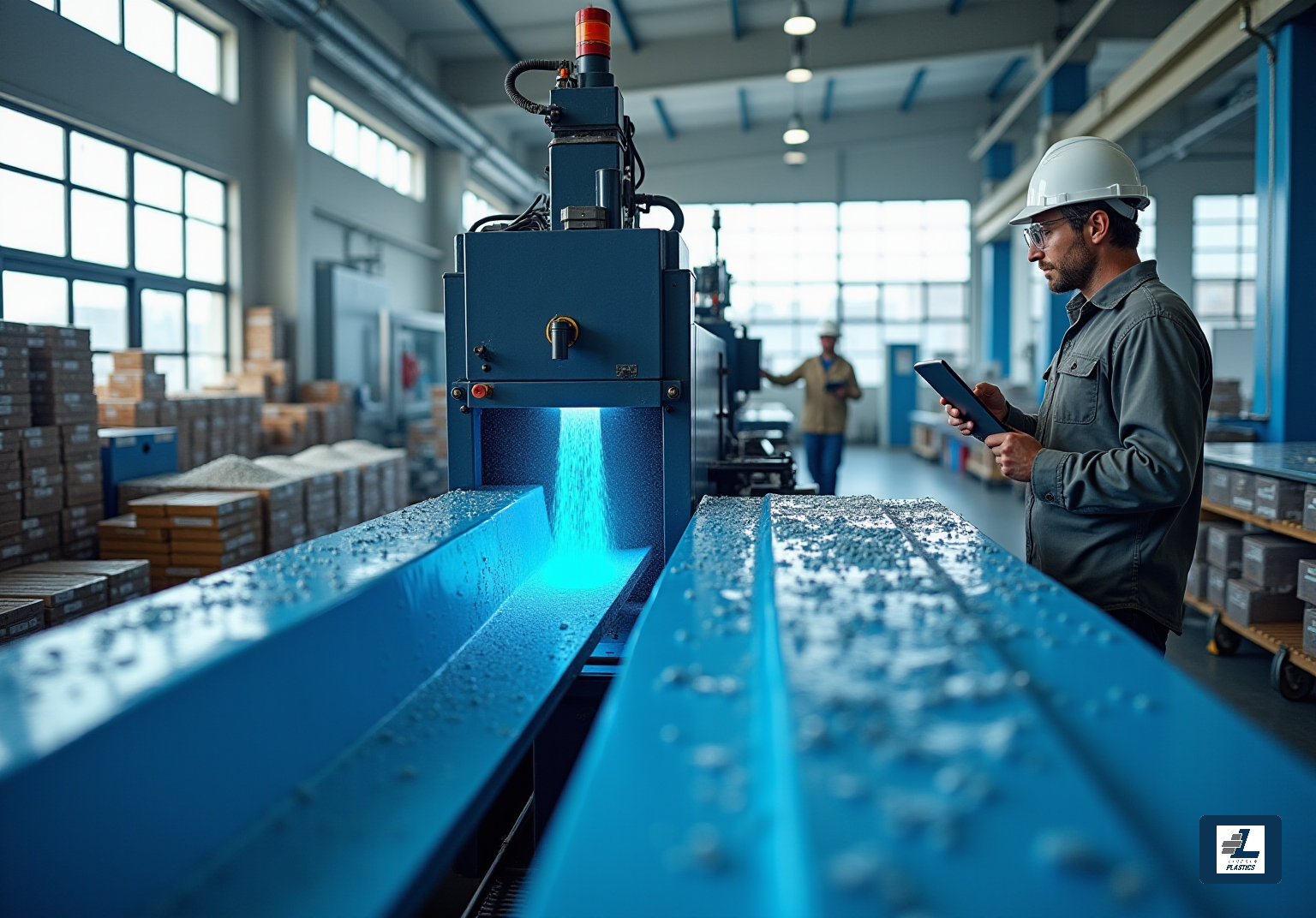
The manufacturing process known as extrusion is essential for converting raw plastic into continuous profiles by melting and pushing it through a die. Let’s dive into some essential concepts that can help you optimize production and ensure top-notch outputs, especially with the support from Lincoln Plastics.
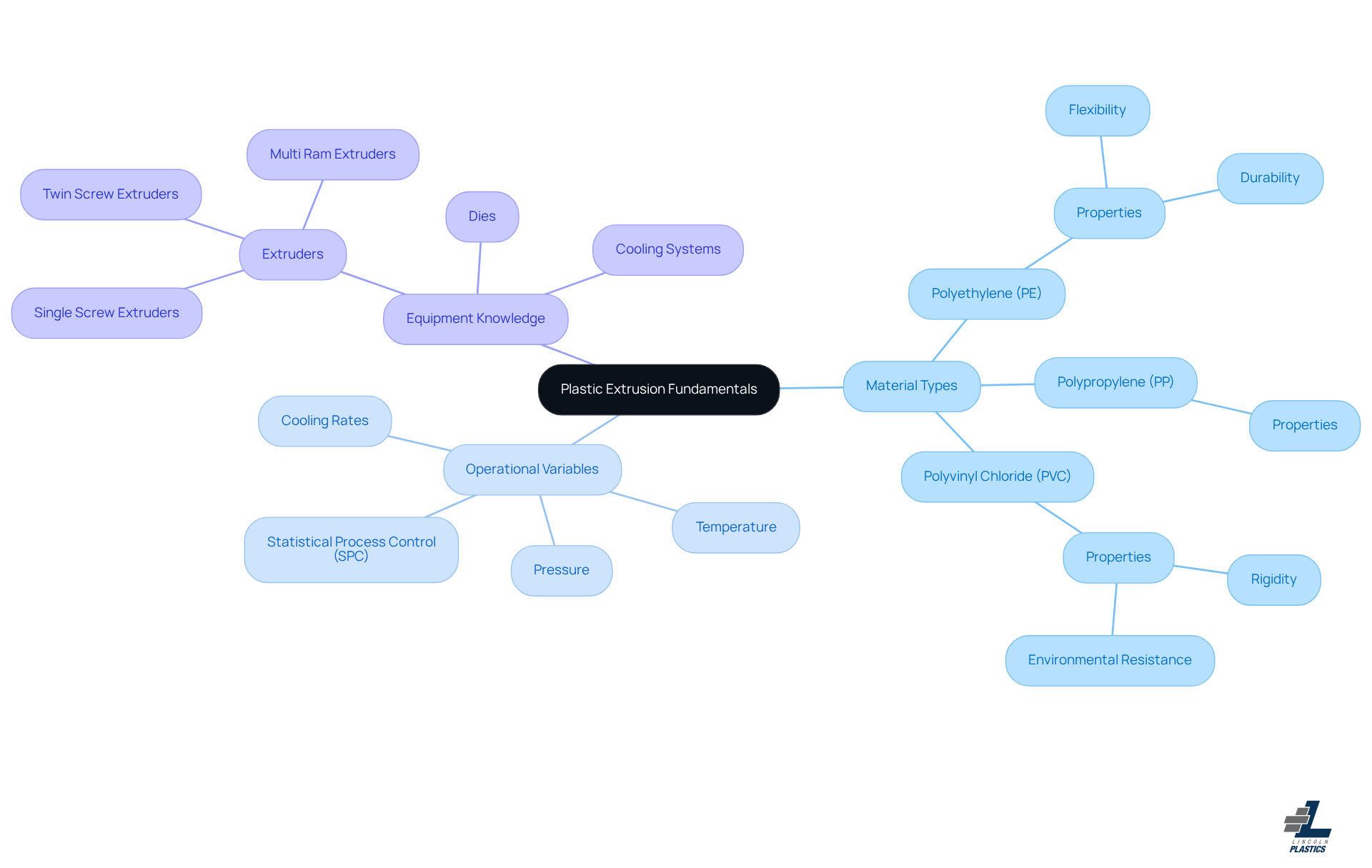
Material Types: It’s super important to know your materials! Common ones like polyethylene (PE), polypropylene (PP), and polyvinyl chloride (PVC) each have unique properties that affect their performance in different applications. For example, PE is popular for its flexibility and durability, while PVC is known for its rigidity and resistance to environmental factors. And here’s a tip: standard pipe sizes don’t always cut it, which is why custom sizes are crucial. Lincoln Plastics has you covered with both standard and custom options in various colors, diameters, and lengths. Plus, their co-extrusion capabilities let you mix multiple colors into a single profile, adding even more versatility.
Now, let’s talk about the variables that really matter - temperature, pressure, and cooling rates. These factors can make or break the quality and consistency of your extruded items. Keeping the temperature just right is key to avoiding defects like warping or surface irregularities. Have you heard of temperature monitoring systems? It’s a handy tool for monitoring these variables in real-time, helping you maintain stable production conditions and cut down on waste. By the way, the Asia Pacific plastics extruded market is expected to grow significantly, hitting USD 104.18 billion by 2034. So, mastering these concepts is essential in today’s competitive landscape.
Equipment knowledge is vital for understanding the machinery involved in extrusion, including extruders, dies, and cooling systems. Each piece plays a unique role in shaping the final product. Take the extruder screw, for instance; it has feed, compression, and metering zones designed to ensure uniform mixing and prevent air pockets. And don’t forget about efficient cooling systems! They help regulate temperatures and prevent overheating, which can compromise quality. Implementing strict quality control measures, like using various check gauges and specific quality plans, is crucial for maintaining high standards in manufacturing. Lincoln Plastics ensures their products meet critical dimensions through a solid quality system that includes dedicated quality plans and documentation.
By getting a handle on these fundamentals, OEM purchasing managers can boost their operational efficiency and create high-quality items through processes that meet industry standards. And remember, Lincoln Plastics is here to support you with their commitment to quality and customization!
Explore Different Types of Plastic Extrusion Processes
When it comes to plastic extrusion, there’s a whole world of specialized processes out there, each tailored for specific applications. Let’s break it down:
- Profile extrusion: This method is fantastic for creating shapes and pipes. You can customize to your heart's content! At Lincoln Plastics, we make sure everything meets standards for fit and function, using various check gauges for that extra precision.
- Sheet extrusion: If you need flat sheets for packaging or construction, this method of extrusion in polymers is your go-to choice. It requires a solid grasp of cooling and cutting techniques to ensure everything is top-notch. Lincoln Plastics has a strong quality system in place, complete with documentation and run documentation to keep things consistent.
- Blown film extrusion: This technique is focused on packaging. It involves inflating a tube of molten plastic to create those thin films we see everywhere. Getting the film thickness and strength just right is crucial for performance, and our engineering team at Lincoln Plastics ensures those specs are consistently met.
- Co-extrusion: Want to achieve properties like barrier resistance or aesthetic appeal through extrusion in polymers? Co-extrusion is the way to go! We can easily source colors that match your Pantone specifications, ensuring consistency across manufacturers and sparking innovative solutions for diverse market needs.
Since 1948, Lincoln Plastics has been leading the charge in this industry. So, when it comes to choosing the right method for your specific application needs, you’ve got options! What’s your next step?

Select Appropriate Materials for Extrusion
Choosing the right materials for extrusion can feel a bit overwhelming, right? But don’t worry! Let’s break it down together by looking at a few key factors that really matter:
- Mechanical Properties: Think about strength, flexibility, and impact resistance. For instance, polyvinyl chloride (PVC) is known for its rigidity, making it a go-to for structural applications. On the flip side, polyethylene (PE) shines with its excellent impact resistance, especially in tough environments where durability is a must.
Heat Resistance is essential to ensure that the materials can endure heat during the process without breaking down. Polypropylene (PP) and PVC are great examples here; they show strong thermal stability, making them perfect for applications where heat resistance is key.
- Chemical Resistance: The environment where the materials will be used plays a big role in your selection. They need to stand up to various chemicals throughout their lifecycle. PE and PP are often chosen for their chemical resistance, ensuring they last in demanding situations.
- Sustainability: As we move towards greener practices, using sustainable materials is becoming more important. This not only meets regulatory standards but also appeals to consumers, boosting your brand’s reputation.
Now, let’s look at some real-world examples. When flexibility is a must, elastomers are often the preferred choice because of their versatility. But if you need something with high strength, materials like ABS or polycarbonate are the way to go, thanks to their high impact resistance and strength.
Understanding these factors is crucial for OEM purchasing managers who deal with material selection. It helps you make informed decisions that can enhance performance and keep you in line with industry standards. So, what do you think? Ready to dive deeper into material selection?

Leverage Advantages of Extrusion in Supply Chains
Integrating extrusion into your supply chain can really change the game. Let’s explore some of the strategic advantages it brings:
- Cost Efficiency: You know how traditional manufacturing can sometimes lead to a lot of waste? Well, extrusion is different. Its continuous nature means less material waste and lower labor costs. Amfas International points out that "Companies that leverage extrusion effectively can achieve higher efficiency, faster lead times, and increased profitability." This efficiency not only cuts down production costs but also boosts profitability.
- Customization: Imagine being able to create products that meet your customers' specific needs. That’s exactly what extrusion allows! Lincoln Plastics works hand-in-hand with OEMs to ensure their products meet all quality standards, including those special checks for ‘fit and function’. This flexibility not only enhances service offerings but also helps businesses stand out in the market. For example, the case study of a successful project demonstrates how extrusion in polymers can enable one extruded profile to replace multiple rolled shapes, leading to greater strength and lower joining costs.
- Speed to Market: Now, let’s talk about speed. Extrusion processes are designed for efficiency, which means you can cut down on lead times. This agility lets companies respond to market demands faster and roll out new offerings quickly, giving you a competitive edge in fast-paced industries.
- Quality Assurance: Quality is key, right? With quality control built into the manufacturing process, you can trust that your products will consistently meet specifications. Lincoln Plastics uses various check gauges to ensure a proper end-use fit, and their quality assurance program includes a dedicated quality book for each plastic profile. This book contains drawings, critical in-process checks, and run documentation. Such reliability is crucial for keeping customer trust and satisfaction, especially in sectors where precision and performance matter.

Implement Best Practices for Extrusion Integration
To optimize extrusion integration, let’s chat about some best practices that can really make a difference:
- Collaborative Planning: Have you ever thought about how crucial it is to engage with stakeholders early in the design process? By aligning on specifications and capabilities from the get-go, you can ensure that the final product meets all standards. Plus, tapping into the manufacturer’s expertise in production is a game changer, especially in fields like aerospace and medical.
- Continuous Monitoring: Now, let’s talk about keeping an eye on things. Implementing systems to track key operational variables like melt pressure and temperature can be a lifesaver. This way, you can make immediate adjustments, keeping quality high and efficiency on point while cutting down on scrap rates and production timelines.
- Training and Development: Investing in personnel involved in the extrusion process is another smart move. When your team understands the tools and supplies better, they can make more informed decisions and solve problems more effectively. This ultimately boosts item quality and reduces defects.
- Feedback Loops: Lastly, don’t forget about establishing communication channels with your customers. Gathering insights on product performance can provide valuable information for future improvements in design and material selection. It’s all about fostering a culture of continuous improvement.
So, what do you think? Are you ready to take these steps and enhance your extrusion integration?

Conclusion
Mastering the art of extrusion in polymers is super important for OEM purchasing managers who want to boost production efficiency and product quality. Think about it: understanding the ins and outs of material selection, operational variables, and different extrusion techniques really sets the stage for creating top-notch products that meet what the market demands. By tapping into specialized processes and keeping a close eye on quality control, businesses can stay ahead in this fast-paced world.
Now, let’s talk about some key insights. It’s all about picking the right materials based on their mechanical, thermal, and chemical properties. Plus, sustainability is becoming a big deal in purchasing decisions. And let’s not forget the perks of extrusion - cost efficiency, customization, and speed to market really highlight its value in today’s supply chains. By implementing best practices like:
- Collaborative planning
- Continuous monitoring
- Staff training
you can really optimize how extrusion processes work, leading to better product outcomes.
In conclusion, embracing extrusion principles not only makes production smoother but also sparks innovation and responsiveness to what customers need. As the industry keeps evolving, staying updated on the latest advancements and best practices will empower purchasing managers to make smart decisions that enhance operational efficiency and drive business success. Engaging with experts in the field, like Lincoln Plastics, can offer invaluable support in navigating this dynamic process.
Frequently Asked Questions
What is plastic extrusion?
Plastic extrusion is a manufacturing process that converts raw plastic into continuous profiles by melting and pushing it through a die.
What are some common materials used in plastic extrusion?
Common materials include polyethylene (PE), polypropylene (PP), and polyvinyl chloride (PVC), each with unique properties that affect their performance in different applications.
Why is it important to understand material types in plastic extrusion?
Understanding material types is crucial because each material has distinct properties that influence flexibility, durability, rigidity, and resistance to environmental factors, affecting the final product's performance.
What operational variables are critical in the plastic extrusion process?
Key operational variables include temperature, pressure, and cooling rates, which significantly impact the quality and consistency of extruded items.
How can Statistical Process Control (SPC) help in plastic extrusion?
SPC is a tool for monitoring operational variables in real-time, helping to maintain stable production conditions and reduce waste.
What equipment is essential for plastic extrusion?
Essential equipment includes extruders, dies, and cooling systems, each playing a unique role in shaping the final product.
What is the role of the extruder screw in the extrusion process?
The extruder screw has feed, compression, and metering zones designed to ensure uniform mixing and prevent air pockets in the material.
How does Lincoln Plastics ensure quality in their extrusion products?
Lincoln Plastics implements strict quality control techniques, including various check gauges and dedicated quality plans to meet critical dimensions and maintain high standards.
What types of plastic extrusion processes are there?
Types of plastic extrusion processes include profile extrusion, sheet extrusion, blown film extrusion, and co-extrusion.
What is profile extrusion used for?
Profile extrusion is used to create complex shapes like window frames and pipes, allowing for customization of dimensions and colors.
What is sheet extrusion in polymers?
Sheet extrusion is a method for producing flat sheets used in packaging or construction, requiring careful cooling and cutting techniques.
What is blown film extrusion?
Blown film extrusion is a technique that inflates a tube of molten plastic to create thin films, commonly used in packaging.
What is co-extrusion and its benefits?
Co-extrusion enhances product properties like barrier resistance or aesthetic appeal by combining multiple materials or colors in a single profile.
How long has Lincoln Plastics been in the industry?
Lincoln Plastics has been a leader in the plastic extrusion industry since 1948.
List of Sources
- Understand Plastic Extrusion Fundamentals
- An in-depth guide to Plastic Extrusion | 3devo (https://3devo.com/plastic-extrusion)
- ptonline.com (https://ptonline.com/articles/extrusion-excellence-this-years-top-stories)
- lincoln-plastics.com (https://lincoln-plastics.com/news-post/9-essential-facts-about-extrusion-moulding-plastic-you-need-to-know?dcc2137a_page=10)
- Plastics Extruded Market Size to Worth USD 259.21 Billion by 2034 (https://finance.yahoo.com/news/plastics-extruded-market-size-worth-142300951.html)
- The Importance of Quality Control in Plastic Extrusion Manufacturing - Craftedplastics (https://craftedplastics.com/blog/the-importance-of-quality-control-in-plastic-extrusion-manufacturing)
- Explore Different Types of Plastic Extrusion Processes
- intelmarketresearch.com (https://intelmarketresearch.com/wpc-extrusion-machines-market-23108)
- prm-taiwan.com (https://prm-taiwan.com/blog/case-studies-in-pvc-medical-tube-production-realworld-examples-success_518)
- Exploring Modern Applications of Plastic Extrusion (https://paulmurphyplastics.com/industry-news-blog/exploring-modern-applications-of-plastic-extrusion)
- Select Appropriate Materials for Extrusion
- A Guide to Material Selection for Extrusion | Inplex LLC (https://inplexllc.com/blog/a-guide-to-material-selection-for-extrusion)
- Choosing Materials for Plastic Extrusion - PET (https://plasticextrusiontech.net/choosing-the-right-materials-for-plastic-extrusion)
- ptonline.com (https://ptonline.com/articles/extrusion-excellence-this-years-top-stories)
- auburnplastics.com (https://auburnplastics.com/insights/case-study-the-importance-of-material-selection)
- Leverage Advantages of Extrusion in Supply Chains
- plasticextrusiontech.net (https://plasticextrusiontech.net/cost-comparison-plastic-extrusions-versus-other-materials)
- plasticstoday.com (https://plasticstoday.com/medical/made-in-the-usa-the-domestic-advantage-of-elastomer-extrusion)
- Aluminum Extrusion Profiles for OEMs | Amfas International (https://amfasinternational.com/newsroom/aluminum-extrusion-profiles-types-applications-and-benefits)
- alexandriaindustries.com (https://alexandriaindustries.com/content-library/demand-innovation/aluminum-extrusion-increases-options-optimize-supply-chain)
- Implement Best Practices for Extrusion Integration
- Extruder builders hope rebound in orders continues through 2025 (https://plasticsnews.com/news/extruder-builders-hope-rebound-orders-continues-through-2025)
- 2026 Aluminum Extrusion Trends & Outlook | Profile Precision Extrusions (https://profileprecisionextrusions.com/2026-outlook-innovations-and-trends-shaping-the-future-of-aluminum-extrusions)
- deliberatedirections.com (https://deliberatedirections.com/3d-printing-quotes-industry-experts)
- How to Collect & Interpret Process Data in Extrusion (https://ptonline.com/articles/how-to-collect-interpret-process-data-in-extrusion-part-1(2))
- talanproducts.com (https://talanproducts.com/articles/category/case-studies)
Related posts

Right-Sized Production Runs: Flexibility Without the Waste
Lincoln Plastics offers right-sized production runs with a 10-hour minimum — balancing efficiency with flexibility so OEMs avoid oversized orders.


Co-Extrusion: Combining Two Materials for Better Performance
Lincoln Plastics offers co-extrusion, combining two plastics into a single profile for greater design freedom, performance, and cost savings.
Beyond Extrusion: Value-Added Services That Simplify Production
Beyond Extrusion: Value-Added Services That Simplify Production
