
Master Extruded Plastic Channel Selection in 4 Simple Steps
Introduction
If you’re in construction or manufacturing, you know that understanding the ins and outs of extruded plastic channels is pretty important. These handy profiles are made through a special extrusion process and come in all sorts of shapes and sizes, each designed for specific uses. By getting the hang of how to choose the right one, you can really tap into the benefits of durability, customization, and cost-effectiveness that these materials bring to the table.
But with so many options out there, you might be asking yourself: how do you pick the right channel for your project without falling into common traps? Let’s dive into that!
Understand the Basics of Extruded Plastic Channels
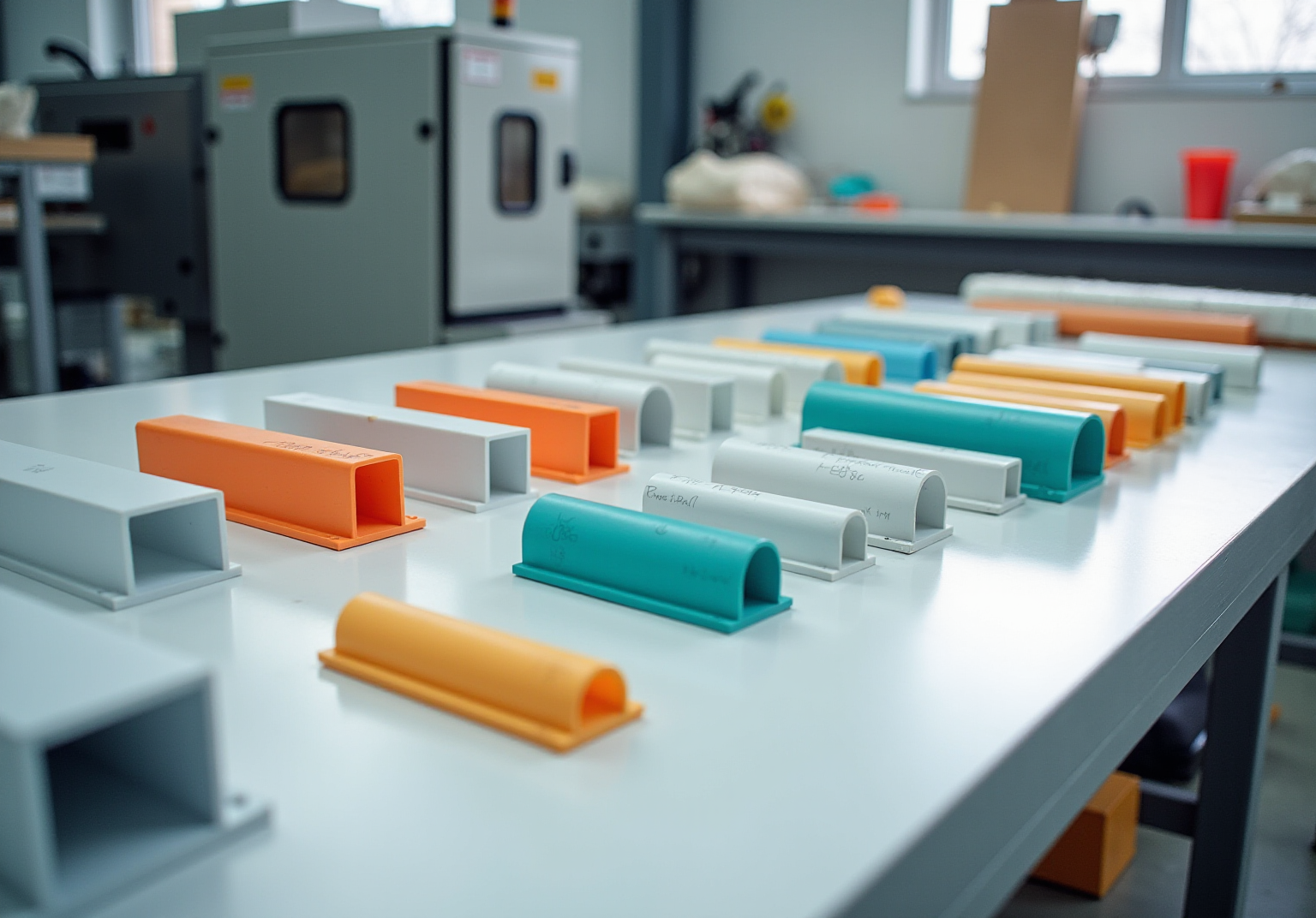
Extruded polymer conduits are pretty cool! They’re continuous profiles made through a process called extrusion, where we melt the polymer and push it through a die to get a specific shape. You’ll often see U-shaped, C-shaped, and J-shaped structures, each serving its own purpose. For example, U-channels are great for edge protection, while C-channels are your go-to for structural support. Knowing these basics can really help you figure out which type of channel fits your project needs best.
Now, let’s talk about the key types of channels:
- U-Channels: Perfect for edge protection and sealing applications.
- C-Channels: Often used in structural applications where the extruded plastic channel provides key strength.
- J-Channels: Commonly found in siding and roofing, the extruded plastic channel is used for that clean finish.
- Specialty Channels: Lincoln Plastics also makes channels that can be customized for various uses, like cable management and protective coverings.
So, why should you consider using extruded plastic channels? Here are a few benefits:
- Durability: They resist weathering and chemicals, so they last a long time in different environments.
- Customization: Lincoln Plastics offers a range of sizes and materials, even co-extruding colors into profiles, so you can meet your specific project needs.
- Cost-Effectiveness: Generally, they’re more affordable than metal options, making them suitable for a variety of applications.
Looking ahead, the market is set to grow significantly. The industry is leading the way, thanks to its versatility and high demand. As sustainability becomes more important, the push for durable and recyclable materials is driving innovation in the industry. Just think about it: practical uses like safety barriers really highlight how effective and reliable these products can be in enhancing safety and functionality in construction projects.

Identify Key Selection Criteria for Your Project
When selecting an extruded plastic channel, it's important to consider a few key factors to ensure it performs well and has a long lifespan in your application.
Key Factors
- Strength and Flexibility: Think about the mechanical properties you need for your specific use case. If your duct's going to bear a lot of weight, a sturdy material like PVC is your best bet because of its strength. Consider the manufacturing process, including extrusion, ensuring that the profiles meet the critical dimensions you specify.
- Chemical Resistance: It’s important to choose materials that can handle exposure to different chemicals in the environment. This way, you can count on durability over time.
Environmental Considerations
- UV Resistance: If your channels are going outdoors, go for materials that resist UV degradation. This choice can really extend the lifespan of your product. Plus, being mindful of sustainable materials helps reduce the long-term impact of waste on our ecosystems.
- Temperature Tolerance: Consider the temperature extremes your channel will face. Some plastics might get brittle in the cold or lose their strength in high heat, which can affect how well they perform.
Additional Considerations
- Size and Shape: Make sure you clearly define the dimensions you need, like width, height, and wall thickness, to ensure everything fits well with your existing systems. Lincoln Plastics can even help you find colors that match your Pantone specifications, keeping things consistent across manufacturers and enhancing both the look and function of your project.
- Tolerances: Don’t forget to specify the tolerances for your channel. This is crucial for ensuring a proper fit in its intended application, which is key for keeping things running smoothly. By incorporating precise tolerances, you can avoid issues related to vendor reliability and fluctuating material costs—common headaches for OEM purchasing managers. Lincoln Plastics has a solid quality system in place, complete with a dedicated quality book for your polymer profile, including drawings, critical in-process checks, and run documentation, so you can be sure your specifications are met with precision.

Evaluate Suppliers and Their Extrusion Capabilities
When you're on the hunt for a reliable supplier for your extruded plastic channels, there are a few things to keep in mind:
- Industry Reputation: First off, take a moment to research the supplier's history and reputation. What are previous clients saying? Look for reviews and testimonials that can give you a clearer picture.
- Experience with Projects: It's also important to check if the provider has experience with projects that match your needs. Have they worked with OEMs to meet specific quality standards? That’s a good sign!
- Equipment and Technology: Now, let’s talk about the supplier's machinery and technology. You want to ensure they can produce the specifications for the extruded plastic channel that you need. For instance, to create a variety of conduits for electrical and specialty applications.
- Testing and Inspection: Don’t forget to ask about their testing and inspection protocols. What kind of testing and inspection protocols do they have in place? Lincoln Plastics, for example, employs various check gauges to ensure a proper fit for end use and keeps a dedicated quality book for each plastic profile, documenting critical dimensions and in-process checks.
Certifications and Compliance
- Relevant Certifications: It’s worth checking if the supplier holds relevant certifications, like ISO 9001. This shows they’re committed to quality management.
- Industry Standards: Lastly, make sure the supplier complies with industry standards and regulations that are relevant to your application. Lincoln Plastics does this by sourcing colors that meet Pantone specifications, ensuring consistency across manufacturers.
By keeping these points in mind, you’ll be well on your way to finding a supplier that fits your needs!

Finalize Your Selection and Ensure Quality Assurance
To wrap up your choice of extruded plastic channels and make sure everything's up to snuff, here are some key steps to follow:
Confirm Specifications
- Review Order Details: Before you hit that order button, take a moment to double-check the specs-dimensions, material type, and quantity. This little bit of diligence can save you from costly mistakes and ensure the product fits your needs perfectly. Remember what Peter Drucker said: "What gets measured gets managed," and it all starts with getting the basics right.
- Request Samples: If you can, ask for samples of the material. Checking these out lets you assess their quality and see if they’re a good fit for your specific use. Making a well-informed choice is always the way to go!
Inspect Upon Arrival
- Check for Defects: Once those channels arrive, give them a good once-over for any defects or mismatches in specs. Check the dimensions and surface quality-these details are crucial for how well the conduits will work in your setup. And don’t forget Shigeo Shingo’s warning: the most dangerous waste is the waste we don’t recognize, which can include accepting subpar products.
- Testing: Make sure to run the necessary tests to confirm that the channels meet your requirements, like strength and flexibility. This step is super important to ensure the products will do their job as expected.
Establish a Quality Assurance Process
- Communicate with the Supplier: Keep those lines of communication open with your supplier about any issues or concerns that pop up during production. Transparency is key, as Robert Heller pointed out, which can lead to better outcomes.
- Document Performance: Keep track of how the channels perform in your application. This documentation will help you make smarter purchasing decisions down the line and spot any recurring issues that need fixing. Remember, "Continuous effort-not strength or intelligence-is what unlocks potential," just like Winston Churchill said.

Conclusion
Choosing the right extruded plastic channels isn’t just a task; it’s a key part of making sure your projects hit the mark both functionally and aesthetically. Think about it: when you really understand the different types of channels out there and what affects their performance, you can make choices that truly elevate your project. This guide has laid out a straightforward path to help you tackle the sometimes tricky world of channel selection, highlighting the importance of material properties, environmental factors, and picking the right suppliers.
Throughout our chat, we’ve touched on some important points, like the unique perks of various channel types - U, C, and J channels - and why durability, customization, and cost-effectiveness matter. Plus, we’ve emphasized how crucial it is to consider supplier experience, manufacturing capabilities, and compliance with industry standards. After all, you want to ensure that the channels you choose will perform reliably in their intended applications. We also talked about quality assurance steps, like confirming specifications and testing, to make sure the final product meets all your expectations.
So, in wrapping things up, remember that selecting extruded plastic channels is more than just checking a box; it’s a strategic move that can really influence your project’s success. By using the insights we’ve shared here, you can approach the selection process with confidence. This not only leads to better efficiency and satisfaction in your applications but also helps foster a more sustainable and innovative approach in the industry. So, why not embrace these best practices? Your projects - and the planet - will thank you!
Frequently Asked Questions
What are extruded plastic channels?
Extruded plastic channels are continuous profiles made through a process called extrusion, where polymer is melted and pushed through a die to achieve specific shapes, such as U-shaped, C-shaped, and J-shaped structures.
What are the different types of extruded plastic channels and their uses?
The key types of extruded plastic channels include: - U-Channels: Used for edge protection and sealing applications. - C-Channels: Provide structural support and strength in various applications. - J-Channels: Commonly used in siding and roofing for a clean finish. - Flexible Profiles: Customizable profiles for uses like cable management and protective coverings.
What are the benefits of using extruded plastic channels?
The benefits include: - Durability: They resist weathering and chemicals, ensuring longevity in various environments. - Customization: Available in a range of sizes and materials, with options for co-extruding colors. - Cost-Effectiveness: Generally more affordable than metal options, making them suitable for diverse applications.
What is the current market trend for extruded materials?
The global market for extruded materials is expected to grow significantly, with the polyethylene extrusion segment leading due to its versatility and high demand. There is also a growing focus on durable and recyclable materials driven by sustainability concerns.
How do extruded plastic channels enhance safety and functionality in construction?
Products like U-channels for edge protection illustrate how extruded plastic channels can improve safety and functionality in construction projects by providing reliable solutions for various applications.
List of Sources
- Understand the Basics of Extruded Plastic Channels
- paulmurphyplastics.com (https://paulmurphyplastics.com/industry-news-blog/plastic-channels-key-applications-and-uses-explained)
- Plastic Extrusion Explained | Fictiv (https://fictiv.com/articles/plastic-extrusion-explained)
- Basics and Applications of Plastic Extrusion (https://iqsdirectory.com/articles/plastic-extrusion.html)
- Plastics Extruded Market Size to Worth USD 259.21 Billion by 2034 (https://finance.yahoo.com/news/plastics-extruded-market-size-worth-142300951.html)
- paulmurphyplastics.com (https://paulmurphyplastics.com/extruded-plastic-case-studies)
- Identify Key Selection Criteria for Your Project
- trvst.world (https://trvst.world/waste-recycling/plastic-pollution/plastic-waste-quotes)
- Chemical Resistance Chart (https://plasticsintl.com/chemical-resistance-chart)
- Plastics Extrusion: 4 Critical Statistics to Track for Increased Quality & Plant Profit (https://gaugeadvisor.com/2025/05/26/plastics-extrusion-4-critical-statistics-to-track-for-increased-quality-plant-profit)
- goodreads.com (https://goodreads.com/quotes/tag/plastic-pollution)
- lincoln-plastics.com (https://lincoln-plastics.com/news-post/master-plastic-extrusion-technologies-for-optimal-procurement-outcomes)
- Evaluate Suppliers and Their Extrusion Capabilities
- lincoln-plastics.com (https://lincoln-plastics.com/news-post/compare-local-plastic-extrusion-companies-services-costs-and-reliability)
- paulmurphyplastics.com (https://paulmurphyplastics.com/industry-news-blog/plastics-extrusion-market-trends-forecast-2022-2029)
- The Extrusion Industry in 2025: Innovations, Trends, and Opportunities (https://plextrusions.com/extrusion-blog/the-extrusion-industry-in-2025-innovations-trends-and-opportunities)
- navigatecontent.com (https://navigatecontent.com/blog/inspirational-manufacturing-business-industry-quotes)
- Plastics Extrusion: 4 Critical Statistics to Track for Increased Quality & Plant Profit (https://gaugeadvisor.com/2025/05/26/plastics-extrusion-4-critical-statistics-to-track-for-increased-quality-plant-profit)
- Finalize Your Selection and Ensure Quality Assurance
- ewmfg.com (https://ewmfg.com/post/13-motivational-quotes-for-design-and-manufacturing)
- Plastics Extrusion: 4 Critical Statistics to Track for Increased Quality & Plant Profit (https://gaugeadvisor.com/2025/05/26/plastics-extrusion-4-critical-statistics-to-track-for-increased-quality-plant-profit)
- chicomm.com (https://chicomm.com/blog/6-manufacturing-quotes-to-inspire-and-motivate-your-team)
- navigatecontent.com (https://navigatecontent.com/blog/inspirational-manufacturing-business-industry-quotes)
- deliberatedirections.com (https://deliberatedirections.com/manufacturing-excellence-quotes-industry-leaders)
Related posts

Discover essential strategies on how to improve quality in manufacturing effectively.


Discover the top 10 benefits of plastic angles for enhancing manufacturing efficiency and safety.
Optimize your manufacturing process with coextrusion for efficiency, quality, and design flexibility.
