

Master Dense Plastic: Best Practices for Sourcing HDPE in Manufacturing
Introduction
High-Density Polyethylene (HDPE) is quite the superstar in the manufacturing scene. It’s known for its strength, lightweight feel, and impressive resistance to chemicals. As more industries shift towards sustainable practices, getting to know HDPE’s properties and uses is key for manufacturers looking to boost their efficiency. But, like anything great, it comes with its own set of challenges, like being sensitive to temperature and tricky to join together.
So, how can manufacturers tackle these hurdles? How can they make the most of HDPE’s benefits while keeping the downsides in check? Let’s dive into this together!
Understand High-Density Polyethylene (HDPE) Properties
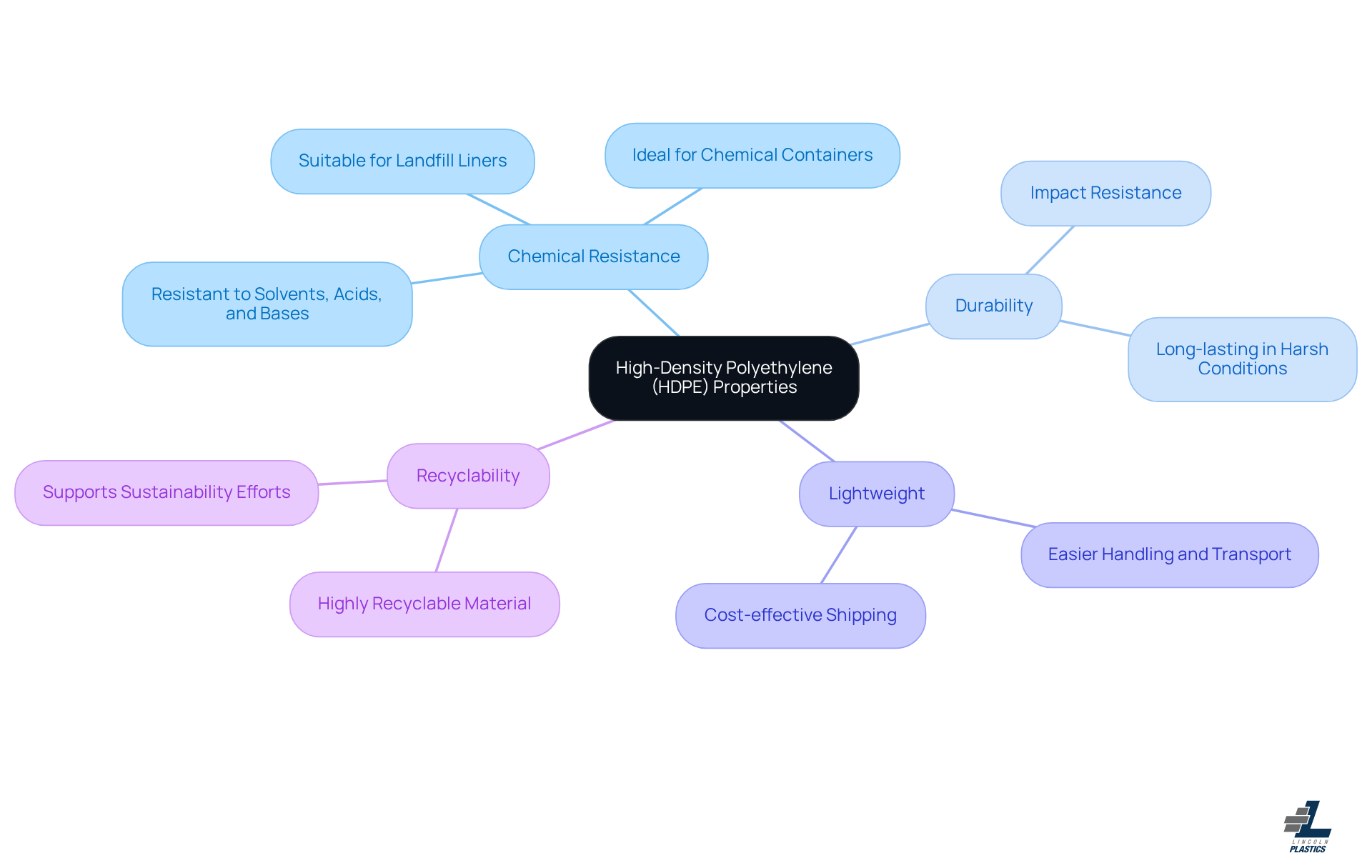
High-Density Polyethylene (HDPE) is pretty impressive, right? It’s known for its fantastic strength-to-density ratio, which is why it’s a go-to material in so many manufacturing applications. Let’s break down some of its standout features:
- Chemical Resistance: HDPE is tough against a wide range of solvents, acids, and bases. This is super important for things like chemical storage and industrial processes. Imagine a material that can handle harsh substances without breaking down - HDPE does just that! Recent studies show that its chemical resistance makes it perfect for landfill liners, where it needs to stand up to toxic leachate for years. Industry experts highlight that its dense plastic structure prevents most chemicals from getting in or causing damage, making it a reliable choice for critical applications.
- Durability: You’ll love this - HDPE is known for its long lifespan. It can take on harsh environmental conditions, making it ideal for outdoor use. Its sturdy nature means it lasts a long time, even in tough settings, which is key for keeping things running smoothly.
- Lightweight: Here’s another perk: despite being strong, HDPE is lightweight. This makes it easier to handle and transport. Who doesn’t want to save on shipping costs while boosting efficiency?
- Recyclability: And let’s not forget about the environment! HDPE is one of the most recyclable plastics out there, playing a big role in sustainability. Its ability to be repurposed helps cut down on waste and supports eco-friendly practices.
Now, did you know that the HDPE market is valued at a whopping USD 45.8 billion? That really shows how important and promising this material is in the industry. By getting to know these properties, manufacturers can pick the right type of HDPE that fits their specific needs, ensuring top-notch performance and longevity. As Timothy Kneale, Vice President of Polyplastics USA, puts it, "Lightweighting is a clear advantage," highlighting just how beneficial HDPE can be in various applications.
Explore Applications of HDPE in Manufacturing
Explore Applications of HDPE in Manufacturing
HDPE, or high-density polyethylene, is a pretty versatile material that you’ll find in all sorts of industries, and it’s all thanks to its amazing properties. Let’s dive into some of its key applications:
- Packaging: HDPE is a go-to for bottles, containers, and packaging films. Why? Well, it’s strong, lightweight, and has fantastic chemical resistance. This makes it perfect for everything from consumer goods to industrial uses. Did you know that the Middle East packaging equipment market is projected to grow from USD 1.9 billion in 2025 to USD 3.63 billion by 2035? That’s a clear sign that HDPE is becoming increasingly essential in manufacturing.
- Plumbing: When it comes to plumbing and drainage, HDPE pipes are known for their durability and corrosion resistance. They’re a reliable choice for long-term infrastructure. More and more companies are recognizing the benefits of using HDPE, and the market share is on the rise.
- Automotive: In the automotive industry, HDPE is used to make components like fuel tanks, bumpers, and interior parts. Its lightweight and impact-resistant qualities help improve vehicle performance and safety. Who wouldn’t want that?
- Construction: HDPE also finds its way into geomembranes, plastic lumber, and various construction materials. It offers sustainable and long-lasting solutions that meet the demands of modern construction practices.
Now, let’s talk about some exciting advancements in HDPE technology. Have you heard of injection stretch blow molding? It’s making waves by improving the efficiency and sustainability of HDPE containers. This tech can reduce material usage by over 25% compared to traditional methods, and it boosts recyclability too! That’s a win-win, especially as the industry shifts towards more sustainable practices. Industry experts highlight that ISBM technology adds significant value for hot-fill uses, which are often found in food products.
By understanding these diverse applications and the latest developments in technology, producers can better assess how this material can meet their specific operational needs and enhance overall effectiveness. So, what do you think? Ready to explore how HDPE can work for you?

Evaluate Advantages and Disadvantages of HDPE
When it comes to evaluating HDPE for manufacturing, it’s all about finding that sweet spot between its awesome perks and a few potential downsides. Let’s break it down:
- High Strength-to-Density Ratio: HDPE is known for its high strength-to-density ratio. This makes it a go-to choice for applications that need durability without the hassle of heavy materials. Think about construction and packaging - lightweight yet tough materials are a must!
- Chemical Resistance: One of the cool things about HDPE is its natural resistance to various chemicals, like acids and bases. This means it can be used safely, whether in agriculture or industrial settings.
- Cost-Effectiveness: Producing HDPE is usually more budget-friendly than options like metal or other plastics. This makes it a popular pick for manufacturers looking to keep costs down without skimping on quality. For instance, HDPE pipes are often the preferred choice in municipal engineering because they save on installation and maintenance costs.
- Recyclability: Here’s another win for HDPE: it’s completely recyclable! This supports sustainability efforts, allowing producers to do their part for the environment while cutting down on waste.
But hold on, there are some drawbacks to keep in mind:
- Temperature Sensitivity: HDPE can get a bit brittle in the cold and might deform when things heat up, with a melting point between 120-140°C (248-284°F). So, if temperature swings are common in your application, that’s something to think about.
- UV Degradation: Without the right UV stabilizers, HDPE can break down when exposed to sunlight for too long, leading to brittleness and cracking. This is especially important for outdoor applications where UV exposure is unavoidable.
- Bonding Challenges: The smooth, non-polar surface of HDPE can make bonding tricky. You’ll need special adhesives, which can ramp up production time and costs. Planning ahead is key here.
- Stress Cracking: HDPE can experience stress cracking if flexed repeatedly. This is a significant downside to consider for its applications.
- Environmental Impact: While HDPE is recyclable, it’s not biodegradable and can linger in landfills for centuries if not recycled properly. That raises some sustainability concerns.
By understanding these factors, you can make informed choices about how to best use HDPE in your production processes. It’s all about ensuring efficiency and reliability!

Implement Best Practices for Sourcing and Utilizing HDPE
When it comes to sourcing HDPE, manufacturers can really benefit from a few best practices. Let’s dive into them!
- First off, it’s super important to check out your suppliers. Look for certifications like ISO and ASTM standards, along with their production capabilities and past performance. This way, you can be sure that the materials you’re getting meet industry standards, which is crucial for product quality. At Lincoln Plastics, we love partnering with OEMs to make sure their products hit all the quality marks, including those special checks for ‘fit and function’.
- Next up, let’s talk about material specs. Clearly defining what you need for HDPE is key. Think about details like grade, color, and any additives that might be necessary for your specific applications. We can easily find colors that match your Pantone specifications, ensuring consistency across the board. Having precise specs helps you avoid the pitfalls that often come with off-the-shelf profiles.
- Now, investing in training for your team on the properties and processing techniques of HDPE can really pay off. When your staff knows their stuff, they can handle the nuances of HDPE much better, leading to improved production outcomes. Our quality system even includes a dedicated quality book for your plastic profile, complete with drawings, critical in-process checks, and run documentation.
- Sustainability Considerations: You might be wondering about sustainability. Prioritizing sustainable practices is a great way to align with today’s environmental goals. Not only does this support eco-friendly initiatives, but it also meets the rising demand for sustainable materials in the market.
- Regular Quality Checks: Finally, let’s not forget about quality control. Implementing strict quality control measures throughout the production process is a must. We use various check gauges to ensure a proper end-use fit, and regular inspections help us keep track of HDPE performance, making sure it consistently meets the necessary specifications and standards.
By sticking to these best practices, manufacturers can really tap into the benefits of HDPE while navigating any challenges that come with sourcing and using it.

Conclusion
High-Density Polyethylene (HDPE) really shines as a key player in manufacturing. Why? Because it’s got some amazing traits like being super durable, lightweight, and resistant to chemicals. Plus, it’s recyclable! When manufacturers understand these qualities, they can use HDPE in all sorts of ways - from packaging and piping to automotive parts and construction materials. By knowing what HDPE can do (and what it can’t), companies can make smart choices that boost their efficiency and help them meet sustainability goals.
Now, let’s dive into the many ways HDPE is used. It’s a big deal in industries like packaging, plumbing, and construction. And it’s not just about what it can do; there are some real perks, like being cost-effective and good for the environment. But, let’s keep it real - there are some challenges too, like being sensitive to temperature and having some tricky joining issues. That’s why it’s crucial to follow best practices when sourcing and using HDPE. Think about things like:
- evaluating suppliers
- setting material specs
- providing training
- keeping up with quality control
These tips can really help manufacturers make the most of HDPE while navigating its complexities.
In a fast-changing market, embracing HDPE’s versatility and sustainability can truly change the game for manufacturers. By putting those best practices into action, businesses can not only improve their product quality but also play a part in building a more sustainable future. As the demand for eco-friendly materials grows, focusing on smart HDPE sourcing strategies and staying updated on its properties will help manufacturers stay competitive and responsible in their operations.
Frequently Asked Questions
What is High-Density Polyethylene (HDPE)?
High-Density Polyethylene (HDPE) is a type of plastic known for its impressive strength-to-density ratio, making it a popular choice in various manufacturing applications.
What are the key properties of HDPE?
The key properties of HDPE include excellent chemical resistance, durability, lightweight nature, and recyclability.
How does HDPE perform in terms of chemical resistance?
HDPE is highly resistant to a wide range of solvents, acids, and bases, making it suitable for applications like chemical containers and landfill liners, where it can withstand harsh substances without degrading.
What makes HDPE durable?
HDPE has incredible impact resistance and can endure harsh environmental conditions, which allows it to last a long time in tough settings.
Why is the lightweight nature of HDPE beneficial?
Despite its strength, HDPE is lightweight, which facilitates easier handling and transportation, ultimately saving on shipping costs and enhancing manufacturing efficiency.
Is HDPE environmentally friendly?
Yes, HDPE is one of the most recyclable plastics, contributing to sustainability efforts in manufacturing by reducing waste and supporting eco-friendly practices.
What is the market value of HDPE containers?
The global market for HDPE containers is valued at approximately USD 45.8 billion, indicating the material's significance and potential in the industry.
How can manufacturers benefit from understanding HDPE properties?
By knowing the properties of HDPE, manufacturers can select the appropriate type for their specific needs, ensuring optimal performance and longevity in their applications.
List of Sources
- Understand High-Density Polyethylene (HDPE) Properties
- plasticstoday.com (https://plasticstoday.com/packaging/isbm-method-enhances-hdpe-bottle-production-efficiency)
- pollution.sustainability-directory.com (https://pollution.sustainability-directory.com/learn/what-is-the-chemical-resistance-of-high-density-polyethylene)
- intelmarketresearch.com (https://intelmarketresearch.com/hdpe-containers-market-34373)
- linkedin.com (https://linkedin.com/pulse/global-high-density-polyethylene-market-scope-its-rapid-growth-w9ute)
- Explore Applications of HDPE in Manufacturing
- elcompanies.com (https://elcompanies.com/en/news-and-media/newsroom/press-releases/2026/02-26-2026)
- globenewswire.com (https://globenewswire.com/news-release/2026/02/11/3235925/0/en/HDPE-Packaging-Solutions-Market-Trends-and-Companies-Revenue-Share.html)
- plasticstoday.com (https://plasticstoday.com/packaging/isbm-method-enhances-hdpe-bottle-production-efficiency)
- packagingeurope.com (https://packagingeurope.com/news/colgate-palmolive-backs-game-changing-new-tech-for-lightweight-hdpe-bottles/13972.article)
- Evaluate Advantages and Disadvantages of HDPE
- cmpbt.com (https://cmpbt.com/what-are-the-disadvantages-of-hdpe)
- phtopindustry.com (https://phtopindustry.com/hdpe-pipe-advantages-and-disadvantages)
- polypvc.com (https://polypvc.com/news/What-are-the-advantages-and-disadvantages-of-HDPE.html)
- High-Density Polyethylene (HDPE) and Its Advantages (https://recyclingtoday.org/blogs/news/high-density-polyethylene-hdpe-and-its-advantages)
- Implement Best Practices for Sourcing and Utilizing HDPE
- Master Sourcing Strategies for Reliable Plastic Extrusions Stock (https://lincoln-plastics.com/news-post/master-sourcing-strategies-for-reliable-plastic-extrusions-stock)
- grandviewresearch.com (https://grandviewresearch.com/pipeline/hdpe-procurement-intelligence-report)
- waterpipefactory.com (https://waterpipefactory.com/knowledge/top-hdpe-manufacturers-and-how-to-choose-the-right-one)
- highdensitypoly.com (https://highdensitypoly.com/MEDIA/why-choosing-an-iso-certified-supplier-is-vital-for-plastic-materials)
- linkedin.com (https://linkedin.com/pulse/high-density-polyethylene-market-insights-2026-trends-0w8ce)


