
Master Cost Reduction in Plastic Extrusion for OEM Success
Introduction
In the competitive landscape of plastic extrusion, OEMs face the pressing challenge of balancing efficiency with cost management. Production costs are influenced by various factors, from material selection to process optimization. Understanding each stage is crucial. Are you wondering how to reduce expenses while maintaining top-notch quality? Let’s explore some best practices that can help you master cost reduction in plastic extrusion. We’ll reveal strategies that enhance operational efficiency and position your business for sustained success in a competitive landscape.
Understand the Plastic Extrusion Process
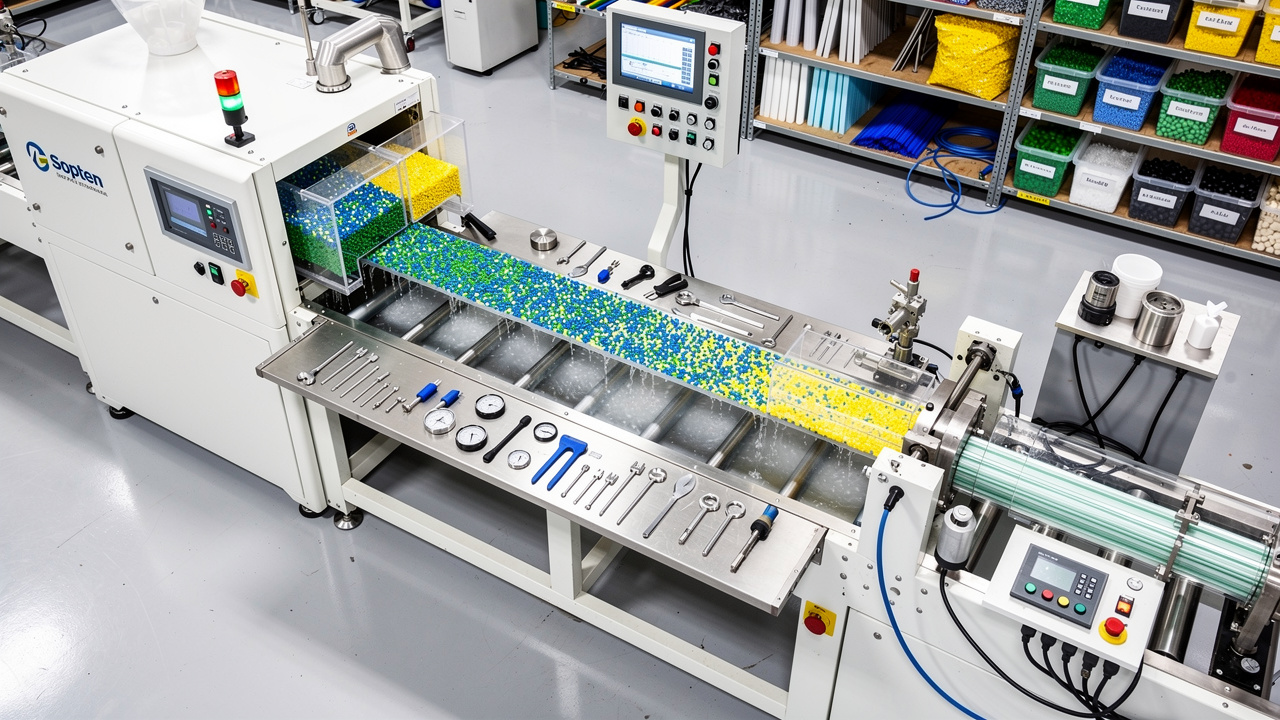
The plastic extrusion cost is influenced not only by the production process but also by efforts to maximize efficiency and minimize expenses. It encompasses several critical stages: preparation, melting, shaping, cooling, and cutting. Each phase presents unique chances for expense reduction through optimization, while also guaranteeing standards and compliance for OEMs.
- Preparation: Raw substances, typically in pellet form, are introduced into the extruder. Guaranteeing the proper combination of components reduces waste and improves product standards, which is essential for sustaining financial efficiency. Furthermore, creating products for easy disassembly and recycling can reduce expenses linked to resource recovery. At Lincoln Plastics, we work closely with OEMs to ensure their products meet all quality requirements, including special checks for ‘fit and function’ using various types of check gauges.
- Melting: The pellets are heated until they melt. Effective temperature regulation is crucial. By maintaining ideal temperatures, you can significantly reduce energy usage and prevent material degradation, ultimately leading to a decrease in plastic extrusion cost. Metrics such as Cpk and Ppk are vital in assessing process performance, with a Cpk goal of 1.33 or higher indicating a capable process.
- Shaping: The molten plastic is forced through a die to create the desired profile. The design of the die plays a crucial role in affecting production speed and resource usage, which ultimately influences the plastic extrusion cost efficiency. Inconsistencies in extrusion can lead to downstream problems, making precise die design critical. Lincoln Plastics ensures that rigid profiles are manufactured to specified critical dimensions, supported by a robust quality system that includes dedicated quality plans and documentation.
- Cooling: Are your cooling systems optimized? Effective cooling can boost production rates and lower the plastic extrusion cost, making your operation more efficient. After shaping, the extruded material is cooled to solidify its form. Implementing effective cooling systems can enhance production rates and further lower energy expenses, contributing to a more streamlined operation.
- Cutting: Finally, the extruded product is cut to length. Automating this process can enhance efficiency and significantly reduce labor expenses, which is essential for minimizing plastic extrusion cost.
By thoroughly understanding these stages, OEMs can identify specific areas for enhancement. How can you reduce costs without compromising quality? For example, businesses that have effectively adopted these strategies indicate considerable decreases in resource waste and operational expenses, highlighting the practical advantages of enhancing the extrusion process while maintaining quality and compliance. Additionally, Lincoln Plastics can easily source colors that meet your Pantone specifications for consistency across manufacturers. Embracing these optimization strategies could redefine your operational success and set you apart in a competitive market.

Select Cost-Effective Materials Wisely
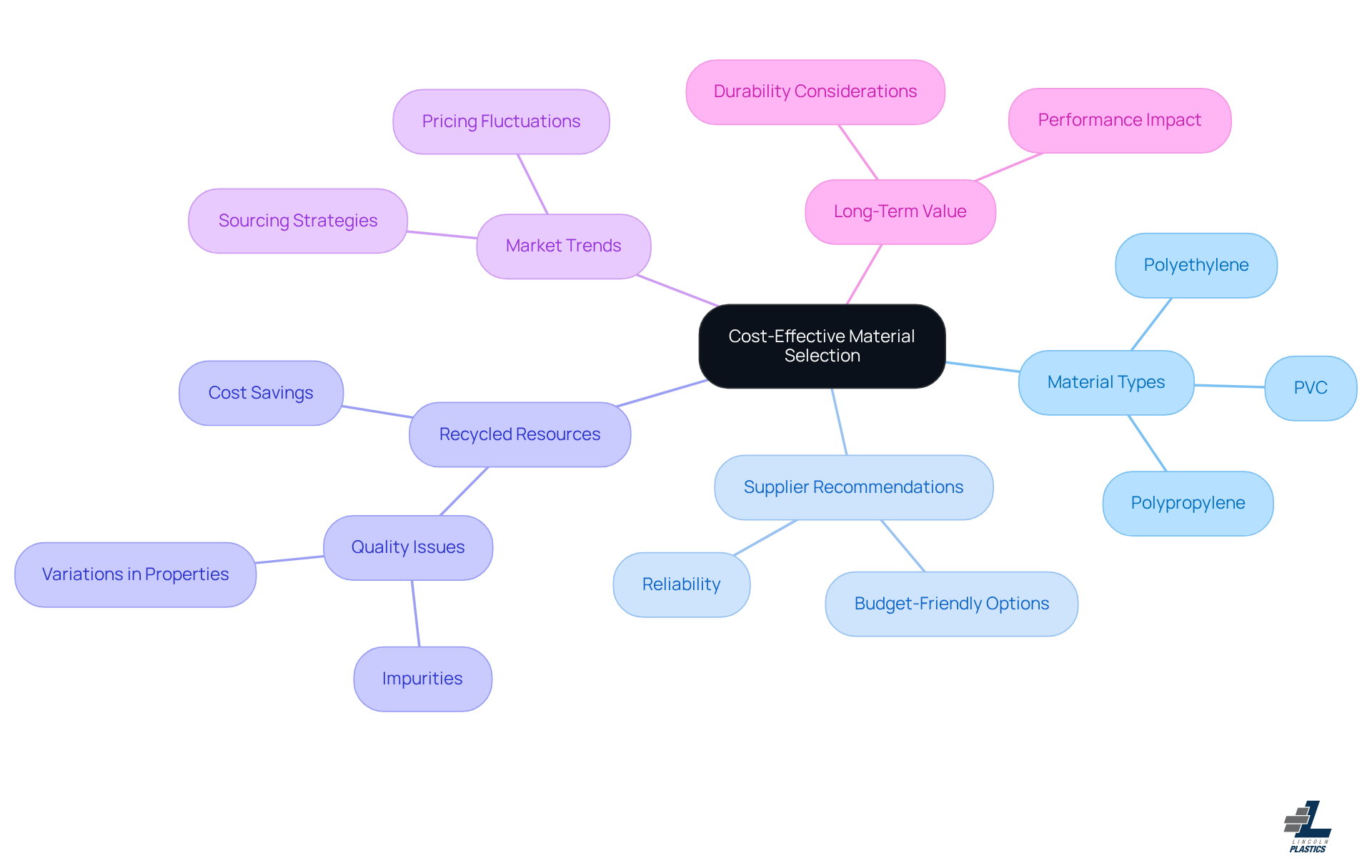
Selecting the right materials is crucial for minimizing plastic extrusion cost. Here are key considerations for choosing the right materials:
- Type: Common substances utilized in extrusion include PVC, polyethylene, and polypropylene. Each material has unique characteristics that can influence the plastic extrusion cost and performance. For instance, the plastic extrusion cost of PVC makes it a favored choice for its durability and cost-effectiveness in applications like irrigation pipes.
- Supplier Recommendations and Reliability: Working closely with resin providers is vital to identify the best materials for specific applications. Supplier reliability is critical, as fluctuations in resource availability can disrupt production schedules. Suppliers can provide insights into budget-friendly options that maintain quality, helping OEMs navigate the complexities of resource procurement.
- Recycled Resources: Utilizing recycled plastics can significantly lower plastic extrusion costs while supporting sustainability initiatives. However, the complexities involved in handling recycled materials can increase the plastic extrusion cost due to necessary processes like cleaning and sorting to ensure quality. Many OEMs are now opting for blends that include recycled content, but it's essential to be aware of potential quality issues, such as impurities and variations in properties, which can affect performance.
- Market Trends and Pricing: Recent fluctuations in the prices of recycled materials due to market conditions can impact sourcing strategies. OEMs should stay informed about these trends to optimize their procurement processes.
- Long-Term Value: While cheaper materials may lower initial costs, consider the long-term effects on durability and performance, particularly in relation to plastic extrusion cost. Choosing quality materials not only enhances durability but also minimizes long-term costs.
By thoughtfully choosing materials according to these factors, OEMs can enhance both their bottom line and product reliability.
Optimize Production Techniques for Efficiency
To master plastic extrusion cost reduction, manufacturers must confront the challenges of inefficiency and rising expenses head-on. Optimizing manufacturing techniques is vital. Here are several strategies to enhance efficiency, reflecting Lincoln Plastics' commitment to quality and customization:
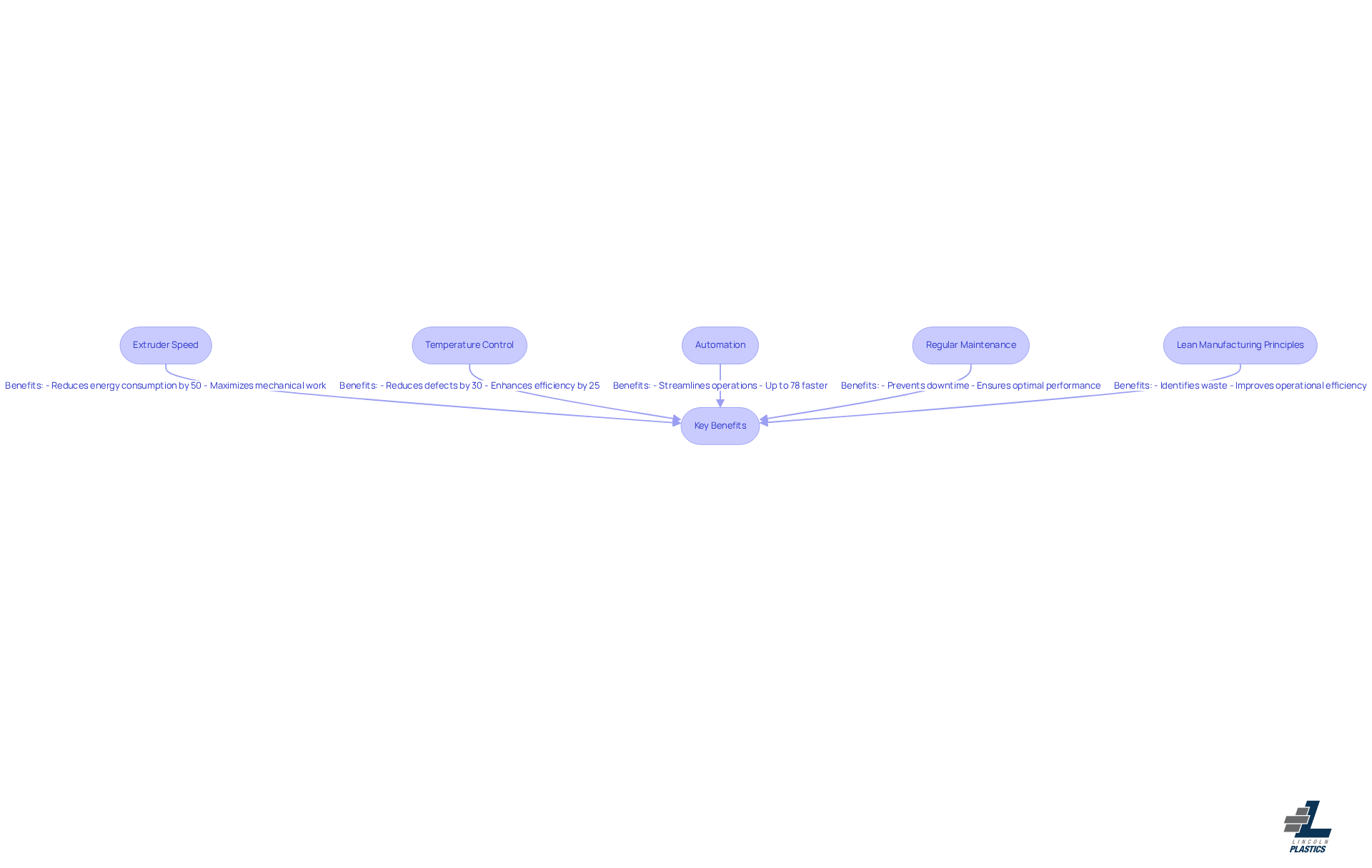
- Extruder Speed: Adjusting the speed of the extruder can maximize mechanical work and minimize energy consumption. Research indicates that doubling the rotational speed of an extruder can decrease energy consumption per kilogram of processed polymer by nearly 50%.
- Temperature Control: Accurate temperature regulation is crucial. Implementing advanced temperature control systems can reduce defects by up to 30% and enhance overall production efficiency by 25%. Efficient temperature control avoids overheating, which is crucial for reducing energy expenses.
- Automation: Incorporating automation in the extrusion process can streamline operations, reduce labor costs, and improve consistency. Automated systems for feeding, cutting, and cooling can significantly enhance throughput, with some automation options being up to 78% faster than conventional methods.
- Regular Maintenance: Establishing a routine maintenance schedule for extrusion equipment can prevent downtime and ensure optimal performance. Routine inspections can uncover possible problems before they result in expensive repairs or work stoppages, as machine downtime can greatly affect productivity.
- Lean Manufacturing Principles: Embracing lean manufacturing principles can assist in recognizing and removing waste in the manufacturing process. Techniques such as value stream mapping can reveal inefficiencies and areas for improvement, contributing to overall operational efficiency.
We at Lincoln Plastics understand that optimizing order sizes is crucial for maximizing machine run times and minimizing plastic extrusion cost. We can stripe, cap stock, and run multiple layered pipe, which enhances our manufacturing capabilities. Ultimately, the right strategies can transform your operations, leading to significant savings and superior product quality.
Manage Supplier Relationships and Contracts Effectively
Effective supplier management is not just a necessity; it's a strategic advantage that can drive significant reductions in plastic extrusion cost. Let’s explore some best practices that can transform your supplier relationships into a competitive edge:
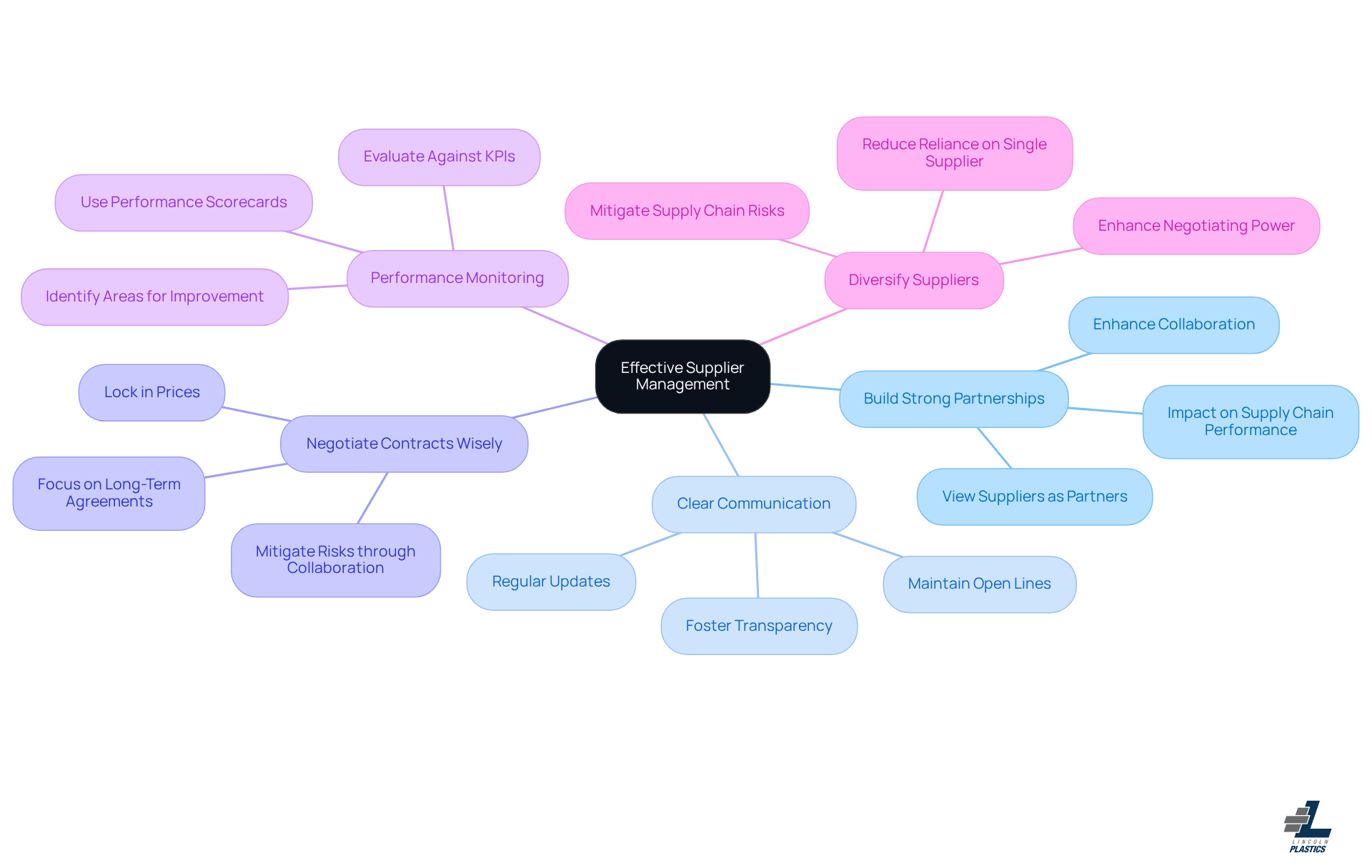
- Build Strong Partnerships: View suppliers as partners rather than mere vendors. Establishing robust relationships can lead to better pricing, enhanced service, and more favorable contract terms. According to industry leaders, strong collaboration is essential for resilience and can significantly impact overall supply chain performance.
- Clear Communication: Maintain open lines of communication with suppliers. Regular updates regarding production needs and changes enable suppliers to meet requirements more effectively and avoid delays. Miscommunication can lead to significant issues, so fostering a culture of transparency is vital.
- Negotiate Contracts Wisely: Focus on long-term agreements during contract negotiations to secure favorable pricing and terms. Locking in prices for a specified period can protect against market fluctuations. Research indicates that 61% of procurement leaders find that enhancing supplier collaboration is the most effective strategy for mitigating risks.
- Performance Monitoring: Regularly evaluate supplier performance against established KPIs and performance scorecards. This practice helps identify areas for improvement and ensures that suppliers meet quality and delivery expectations. Utilizing scorecards transforms them into tools for collaborative growth rather than mere compliance checklists.
- Diversify Suppliers: Mitigate risks associated with supply chain disruptions by diversifying your supplier base. This strategy enhances negotiating power and reduces reliance on a single supplier, which is crucial in today's volatile market.
By adopting these best practices, you position your business not only for immediate savings but also for long-term success in a competitive landscape.
Conclusion
Mastering cost reduction in plastic extrusion requires more than just slashing expenses; it demands a strategic approach to every facet of the process. Focusing on key areas like preparation, melting, shaping, cooling, and cutting allows OEMs to boost efficiency without compromising quality. This multifaceted approach not only reduces costs but also positions businesses to thrive in a competitive landscape.
What key strategies can you implement? Selecting cost-effective materials, optimizing production techniques, and managing supplier relationships effectively are essential. Each of these elements plays a vital role in reducing plastic extrusion costs. From choosing the right materials that balance price with performance to implementing advanced production techniques and fostering strong partnerships with suppliers, OEMs can navigate the complexities of the market and achieve sustainable savings.
Ultimately, these insights highlight just how crucial a holistic approach is for cutting costs in plastic extrusion. By embracing these best practices, businesses can improve operational efficiency, enhance product quality, and gain a stronger competitive edge. By prioritizing optimization and collaboration, companies can not only cut costs but also secure their future in the ever-evolving landscape of plastic manufacturing.
Frequently Asked Questions
What is the plastic extrusion process?
The plastic extrusion process involves several critical stages: preparation, melting, shaping, cooling, and cutting. Each stage provides opportunities for optimizing efficiency and minimizing costs while ensuring compliance and quality standards for OEMs.
How does the preparation stage impact plastic extrusion costs?
In the preparation stage, raw materials in pellet form are introduced into the extruder. Ensuring the right combination of components reduces waste and improves product standards, which is essential for financial efficiency. Additionally, designing products for easy disassembly and recycling can lower resource recovery expenses.
Why is temperature regulation important during the melting stage?
Effective temperature regulation during the melting stage is crucial as it significantly reduces energy usage and prevents material degradation. Maintaining ideal temperatures can lead to lower plastic extrusion costs, with metrics like Cpk and Ppk being important for assessing process performance.
What role does die design play in the shaping stage?
The design of the die in the shaping stage is critical as it affects production speed and resource usage, thereby influencing cost efficiency. Precise die design is essential to avoid inconsistencies in extrusion that could lead to downstream issues.
How does cooling affect the plastic extrusion process?
Effective cooling systems can enhance production rates and lower plastic extrusion costs. After shaping, the extruded material is cooled to solidify its form, and optimizing cooling can further reduce energy expenses and improve operational efficiency.
What is the significance of the cutting stage in plastic extrusion?
The cutting stage involves cutting the extruded product to length. Automating this process can improve efficiency and significantly reduce labor costs, which is vital for minimizing overall plastic extrusion costs.
How can OEMs identify areas for cost reduction in the extrusion process?
By understanding each stage of the plastic extrusion process, OEMs can pinpoint specific areas for enhancement. Implementing optimization strategies can lead to significant decreases in resource waste and operational expenses while maintaining quality and compliance.
What additional services does Lincoln Plastics provide?
Lincoln Plastics can source colors that meet Pantone specifications for consistency across manufacturers, ensuring that products maintain quality standards throughout the production process.
List of Sources
- Understand the Plastic Extrusion Process
- Why Extrusion Plastic Manufacturing is Essential for OEM Success (https://lincoln-plastics.com/news-post/why-extrusion-plastic-manufacturing-is-essential-for-oem-success)
- deskera.com (https://deskera.com/blog/reducing-the-cost-of-plastic-manufacturing)
- Plastics Extrusion: 4 Critical Statistics to Track for Increased Quality & Plant Profit (https://gaugeadvisor.com/2025/05/26/plastics-extrusion-4-critical-statistics-to-track-for-increased-quality-plant-profit)
- Emerging Trends Shaping Plastic Extruders in 2026 (https://audop.com/c/emerging-trends-shaping-plastic-extruders-in-2026.htm)
- Cost Savings in Custom Plastic Extrusion: How It Compares to Alternative Methods | Crafted Plastics Inc (https://craftedplastics.com/blog/cost-savings-in-custom-plastic-extrusion-how-it-compares-to-alternative-methods)
- Select Cost-Effective Materials Wisely
- Plastics News - Plastic Industry News, Resin Pricing & Analysis (https://plasticsnews.com)
- reifenhauser.com (https://reifenhauser.com/en/company/media/news-and-stories/success-story/increasing-recycled-content-in-plastics-extrusion)
- linkedin.com (https://linkedin.com/pulse/embracing-sustainability-pros-cons-plastic-extrusion)
- Optimize Production Techniques for Efficiency
- plasticstoday.com (https://plasticstoday.com/plastics-processing/reducing-energy-costs-focus-on-extrusion)
- How to increase productivity in plastics extrusion | Reifenhauser (https://reifenhauser.com/en/company/media/news-and-stories/success-story/increase-productivity-plastics-extrusion)
- Modernization: Ways to Increase Energy Efficiency in Extrusion – Coperion (https://coperion.com/en/news-media/newsletter/2021/plastics-in-focus-edition-042021/energy-efficiency-in-extrusion)
- Manage Supplier Relationships and Contracts Effectively
- lincoln-plastics.com (https://lincoln-plastics.com/news-post/master-high-strength-plastic-sourcing-key-strategies-for-oems?dcc2137a_page=12)
- magonlinelibrary.com (https://magonlinelibrary.com/doi/10.12968/S2514-9768(25)90025-7)
- dynamicsourcemfg.com (https://dynamicsourcemfg.com/supply-chain-management-in-2026-what-oems-need-to-know)
- scmr.com (https://scmr.com/article/supplier_relationship_management_supporting_a_new_era_for_growth)
- business.amazon.com (https://business.amazon.com/en/blog/supplier-relationship-management)


