
Master Best Practices for Polycarbonate Extrusions Today
Introduction
Welcome to the world of polycarbonate extrusion! It’s a lively space where precision and innovation come together, helping manufacturers craft high-quality products that really stand the test of time. But let’s be real-mastering the best practices in this field isn’t just about keeping pace; it’s about tapping into the amazing properties of polycarbonate, like its dimensional stability and impact resistance.
Now, you might be wondering: with industry standards constantly changing and the challenge of optimizing things like temperature and cooling rates, how can manufacturers not just keep up but actually lead the way? It’s a tough question, but one worth exploring together!
Understand Polycarbonate Extrusion Fundamentals
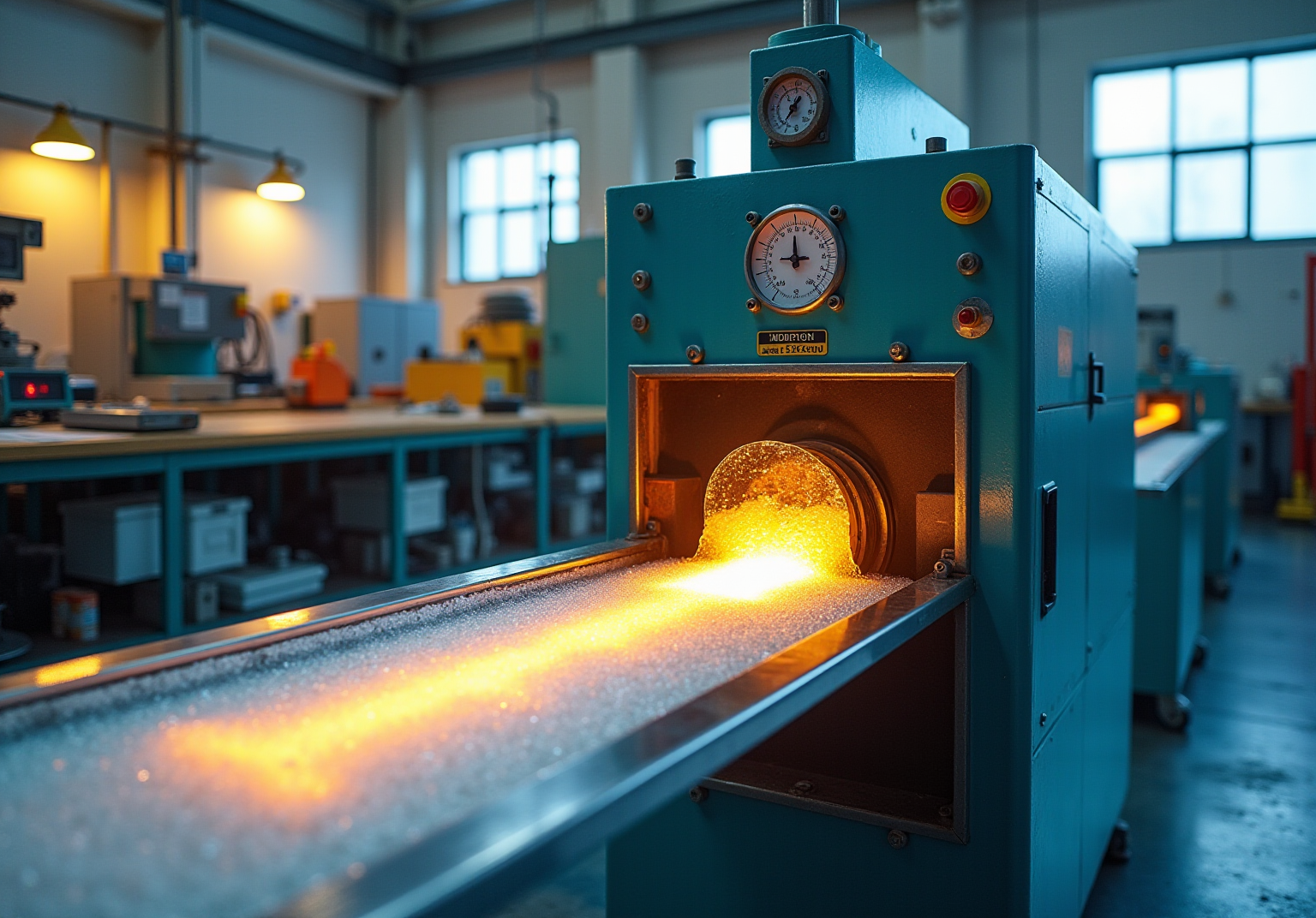
The fascinating process of polymer shaping involves creating profiles from polymer pellets into continuous shapes. It does this by melting those pellets and pushing them through a die. What’s cool is that this method takes full advantage of the amazing properties of polycarbonate, like their durability, high impact resistance, and ability to handle extreme temperatures. These features are super important for getting the desired results.
Now, let’s break down the extrusion process. It involves several carefully controlled stages:
- Material preparation
- Melting
- Shaping
- Cooling
Each step is crucial to ensure the final product meets strict quality standards. Did you know that the melt temperature for polycarbonate is critical? Keeping this temperature range is key because it affects how the material flows and helps reduce defects.
You might be wondering about pre-processing steps. Proper material handling is essential to avoid issues like contamination. By understanding and managing these factors, manufacturers can improve production efficiency. This not only helps them stand out in the market but also positions them for success.

Optimize Key Parameters for Quality Extrusion
When it comes to getting the best results in polycarbonate extrusion, there are a few key things you really need to keep an eye on. Think about melt temperature, screw speed, and material viscosity. For example, keeping that melt temperature steady is super important; if it varies too much, you might end up with issues like warping or incomplete profiles. Typically, for polycarbonate extrusion, the melt temperature is about 230°C to 260°C.
Now, let’s talk about screw speed. Adjusting it can really change how the material flows and cools, which in turn affects the final product. Did you know that screw speed can actually help mix in additives like carbon nanotubes (CNTs) better? This can boost mechanical properties, but it also impacts the extrusion rate.
And don’t forget about cooling! Using a cooling system with air or water can really help keep those profiles in shape and accurate. It’s all about making sure everything stays consistent and reducing waste, right? That’s why we at Lincoln Plastics are all about using best practices to ensure everything fits just right.
We’ve got a solid assurance system in place, too. You’ll find a checklist for your plastic profile, complete with drawings, critical checks during the process, and run documentation. Experts say that a robust quality assurance system can lead to big improvements in product integrity, so it’s definitely something to focus on in the extrusion process. What do you think? Ready to dive deeper into optimizing your extrusion?

Implement Effective Post-Extrusion Techniques
When it comes to making polycarbonate extrusions, using effective post-extrusion techniques is key to boosting quality. You know, they really stand out here - they're crucial for enhancing both the look and functionality of those extruded profiles. For example, have you ever heard of techniques like sandblasting? They can seriously ramp up bond strength and improve surface texture, which is super important for getting that perfect adhesion in later applications.
Now, let’s talk about heat treatments. These are essential for relieving internal stresses in the material, which helps improve properties like toughness and dimensional stability. This is especially true for polycarbonate; the right heat treatment can really make a difference in performance when things get stressful.
And don’t forget about machining! Sometimes, it’s necessary to achieve those precise dimensions or add features that just can’t be formed during the extrusion process. Regular quality checks are also a must - think tests for defects. These checks help catch any potential issues early on, allowing for quick fixes and ensuring that the final products meet those strict specifications.
By focusing on these techniques, manufacturers can really enhance the quality of their polycarbonate extrusions. So, why not prioritize these steps? It could make all the difference!
Choose Appropriate Materials and Additives
Choosing the right materials and additives is super important for successful extrusions. You know, polycarbonate is already known for its strength and durability, but when you add in some additives, you can really enhance its properties. For example, colorants, UV stabilizers, and impact modifiers.
Now, when you're picking materials, think about what you need for your specific application. What about flexibility or clarity? Those factors matter! Plus, using additives like stiffness and thermal stability can improve performance.
It’s crucial to do some research to find the best combination of materials and additives. This way, you’ll get the results you’re aiming for in your application. So, why not dive in and start experimenting? You might just discover new possibilities!

Conclusion
Mastering polycarbonate extrusions can feel like a daunting task, right? But getting the hang of it is key to producing high-quality, reliable products. The process of turning polymer pellets into continuous profiles isn’t just about machinery; it’s about understanding the basics, fine-tuning key parameters, and nailing those post-extrusion techniques. When you focus on these areas, you’re not just improving your extrusions - you’re also making sure they meet the industry’s tough standards.
Now, let’s talk about some important factors. Keeping optimal melt temperatures, adjusting screw speeds, and using precise cooling methods are all crucial. And don’t forget about post-extrusion treatments! Things like surface enhancements and heat treatments can really boost the quality of your final product. Plus, choosing the right materials and additives is super important. It helps you customize the polycarbonate for specific applications and enhances its natural properties.
So, as you can see, mastering polycarbonate extrusion is all about paying attention to the details and committing to quality. The industry is always changing, and staying updated on the latest trends and best practices will help you innovate and thrive. By embracing these insights, you’re not just setting your business up for success; you’re also contributing to the growth of the polycarbonate extrusion sector as a whole. Ready to take the next step?
Frequently Asked Questions
What is polycarbonate extrusion?
Polycarbonate extrusion is the process of creating continuous profiles from polymer pellets by melting those pellets and pushing them through a die.
What are the key properties of polycarbonate extrusions?
Key properties of polycarbonate extrusions include incredible dimensional stability, high impact resistance, and the ability to handle extreme temperatures.
What are the main stages of the extrusion process?
The main stages of the extrusion process are material preparation, melting, shaping, and cooling.
What is the typical melt temperature for polycarbonate?
The typical melt temperature for polycarbonate usually falls between 230°C and 260°C.
Why is maintaining the correct melt temperature important?
Maintaining the correct melt temperature is important because it affects how the material flows and helps reduce defects in the final product.
What pre-processing steps are essential before extrusion?
Properly drying the material is an essential pre-processing step to avoid issues like moisture-related bubbles and surface imperfections.
How can manufacturers improve the quality of their polycarbonate products?
By understanding and managing factors such as material drying and melt temperature, manufacturers can boost the quality and reliability of their products.
List of Sources
- Understand Polycarbonate Extrusion Fundamentals
- Plastics Extrusion: 4 Critical Statistics to Track for Increased Quality & Plant Profit (https://gaugeadvisor.com/2025/05/26/plastics-extrusion-4-critical-statistics-to-track-for-increased-quality-plant-profit)
- US Polycarbonate Manufacturing Gets Major Boost (https://plasticstoday.com/extrusion-film-sheet/us-polycarbonate-manufacturing-gets-major-boost)
- reportsanddata.com (https://reportsanddata.com/report-detail/pc-optical-sheet-extrusion-line-market)
- gonplastics.com (https://gonplastics.com/a-top-polycarbonate-extrusion-manufacturers-leading-the-way-in-quality-and-innovation.html)
- openpr.com (https://openpr.com/news/4416719/emerging-sub-segments-transforming-the-polycarbonate-sheets)
- Optimize Key Parameters for Quality Extrusion
- ptonline.com (https://ptonline.com/articles/add-screw-cooling-for-more-process-control-output-in-pc-extrusion)
- News - Extrusion molding technology and application field of polycarbonate (https://chinaruicheng.com/news/extrusion-molding-technology-and-application-field-of-polycarbonate)
- mdpi.com (https://mdpi.com/1996-1944/17/11/2625)
- Plastics Extrusion: 4 Critical Statistics to Track for Increased Quality & Plant Profit (https://gaugeadvisor.com/2025/05/26/plastics-extrusion-4-critical-statistics-to-track-for-increased-quality-plant-profit)
- Implement Effective Post-Extrusion Techniques
- custom-profile.com (https://custom-profile.com/blog/how-changes-in-extrusion-technology-enhance-the-manufacturing-process)
- mdpi.com (https://mdpi.com/2673-1592/7/3/56)
- enterprisenews.com (https://enterprisenews.com/press-release/story/68016/innovations-in-precision-and-thermal-management-drive-growth-among-top-aluminum-extrusion-manufacturers)
- Shaping the Future: Innovations in Plastic Extrusion Techniques - SeaGate Plastics Company (https://seagateplastics.com/shaping-the-future-innovations-in-plastic-extrusion-techniques)
- siliketech.com (https://siliketech.com/news/how-to-improve-lamination-performance-and-ensure-stable-production-a-practical-guide-for-extrusion-coating-manufacturers)
- Choose Appropriate Materials and Additives
- avient.com (https://avient.com/news/avient-expands-high-performance-recycled-content-polycarbonate-solutions-electrical-electronics-industry-emea)
- US Polycarbonate Manufacturing Gets Major Boost (https://plasticstoday.com/extrusion-film-sheet/us-polycarbonate-manufacturing-gets-major-boost)
- Master Polycarbonate Extrusion: Best Practices for OEM Purchasing Managers (https://lincoln-plastics.com/news-post/master-polycarbonate-extrusion-best-practices-for-oem-purchasing-managers)
- News - Extrusion molding technology and application field of polycarbonate (https://chinaruicheng.com/news/extrusion-molding-technology-and-application-field-of-polycarbonate)
- siliketech.com (https://siliketech.com/news/how-to-improve-polycarbonate-pc-scratch-and-wear-resistance-proven-and-emerging-solutions)
Related posts

Plastic Extrusion for Energy & Infrastructure Projects
Lincoln Plastics provides durable, custom extrusion solutions for energy and infrastructure projects, from conduit to tubing to protective profiles.


Made in the Midwest: Why Location Matters
Lincoln Plastics’ Midwest location provides faster shipping, lower freight costs, and the reliability OEMs need in a manufacturing partner.
How Extrusion Supports OEM Supply Chains
Lincoln Plastics helps OEMs strengthen supply chains with flexible production runs, reliable delivery, and custom extrusion solutions.
