
Is Polypropylene a Plastic? Understanding Its Definition and Impact
Introduction
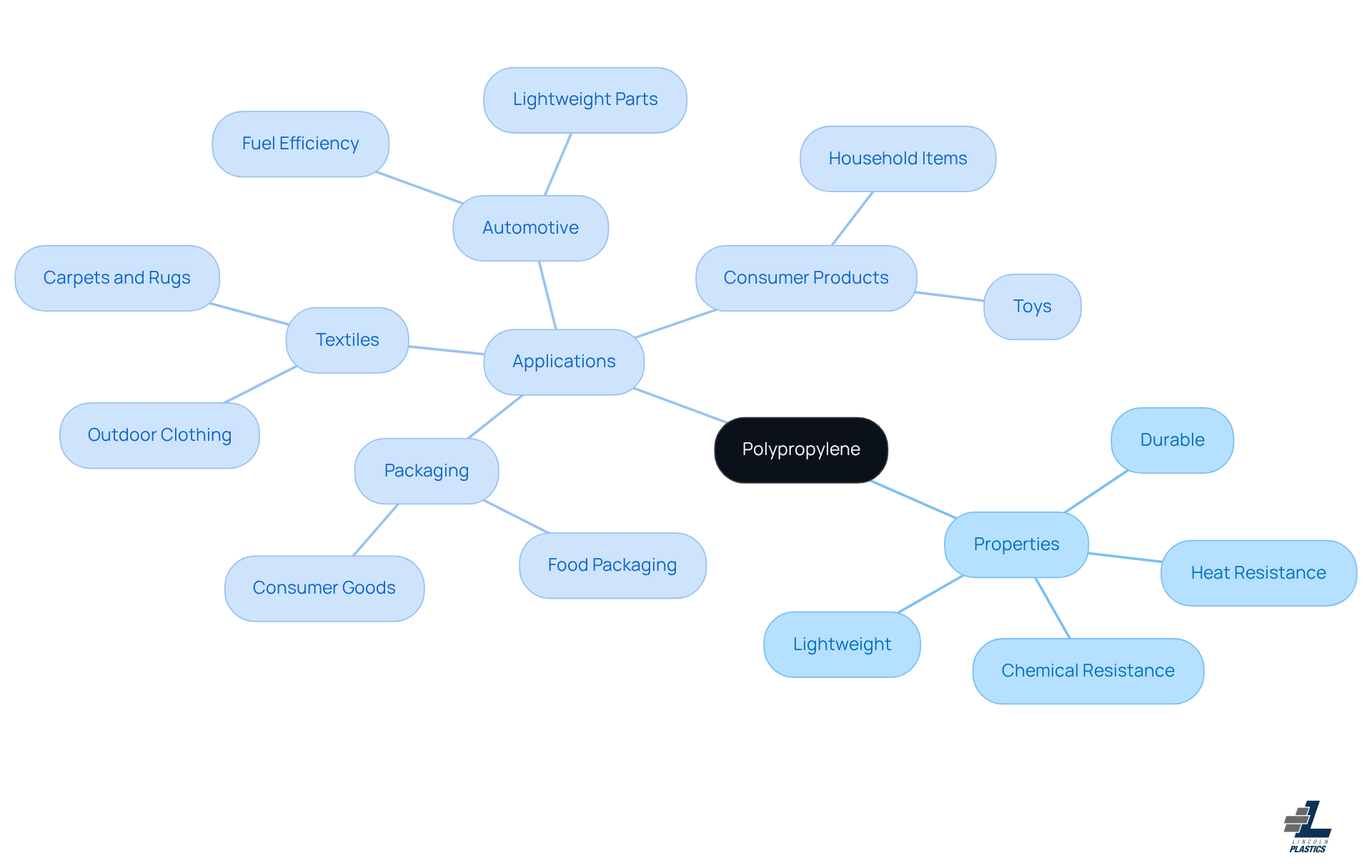
Polypropylene is quite the remarkable material, isn’t it? This thermoplastic polymer is known for its versatility and durability, making it a go-to choice in all sorts of industries. Whether it’s packaging, automotive parts, textiles, or consumer goods, its lightweight and chemical-resistant properties have made it a favorite.
But as we see its usage grow, some questions pop up about how we classify it as a plastic and what impact it has on our environment. What does this mean for the future of polypropylene? And how can we balance its benefits with our sustainability concerns? Let’s dive into this together!
Define Polypropylene: A Key Plastic Material
, or polypropene if you want to get technical, is a thermoplastic polymer that’s pretty amazing for its versatility and great properties. It’s made by polymerizing propylene monomers, and let me tell you, it’s lightweight, durable, and has excellent chemical resistance. Being part of the polyolefin family, it has this semi-rigid structure that works for both packaging and structural applications.
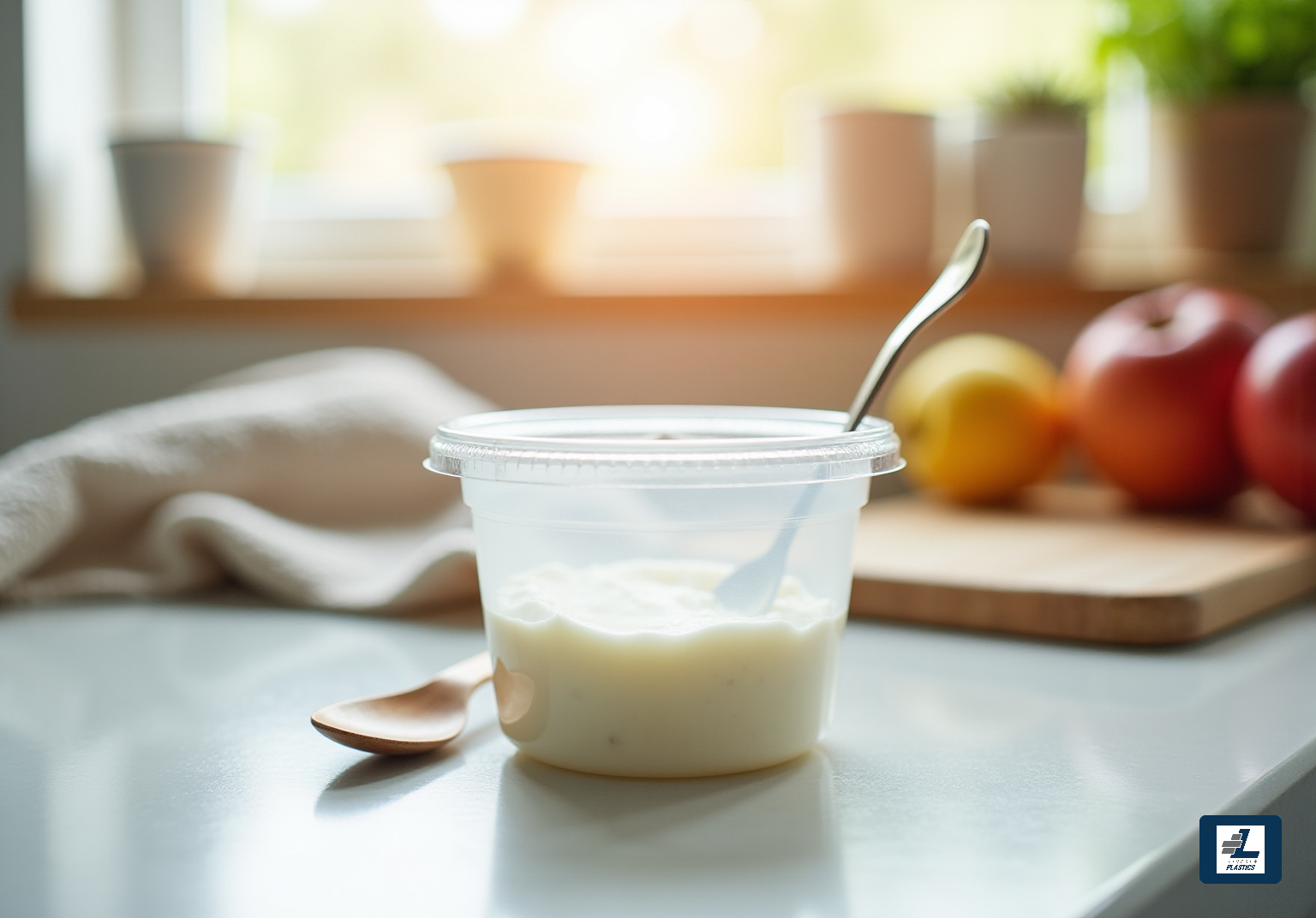
Now, you might be wondering, what is polypropylene and where it pops up in our lives. Well, it’s used in all sorts of sectors like construction, automotive parts, textiles, and even consumer products. For example, its flexibility and safety for food contact make it a go-to for packaging things like yogurt cups and detergent bottles. In the automotive world, a specific type of polypropylene, which raises the question of whether it is a plastic, is used to help boost fuel efficiency. And in textiles, it’s a favorite because it’s tough and can stand up to the elements.
Think about it: you probably have rugs, microwave containers, and toys made from this material at home. It’s everywhere! Plus, synthetic fibers from polypropylene are often found in carpets and mats, which raises the question: what material is lightweight and resilient?
Materials scientists can’t stop raving about how adaptable this polymer is. They point out that it can be molded and remolded without losing its quality, which makes it super cost-effective and reliable for manufacturing. Looking ahead, the polypropylene market is set to grow significantly, with packaging expected to account for about 35% of total consumption by 2026. Why? Because there’s a rising demand across various industries.
In a nutshell, the unique properties and wide-ranging applications of this polymer highlight its significance in modern manufacturing, leading to the question: how does polypropylene impact our daily lives? So, next time you see a plastic product, you might just appreciate the science and versatility behind it!
Trace the Origins of Polypropylene: History and Development
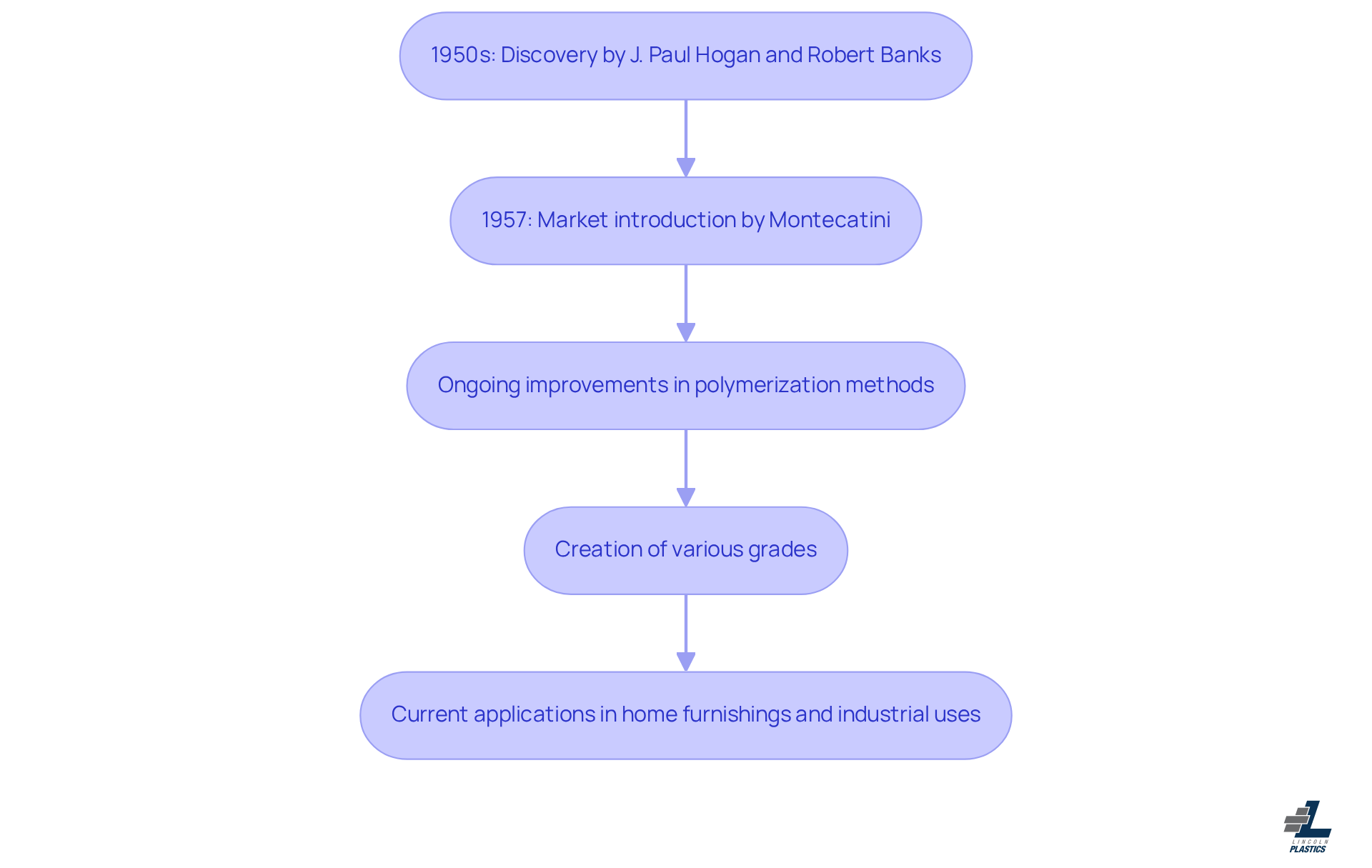
Did you know that polypropylene has quite an interesting backstory? It all kicked off in the early 1950s when chemists J. Paul Hogan and Robert Banks at Phillips Petroleum Company first figured out how to polymerize this super versatile material, which raises the question: what is polypropylene? Their groundbreaking work led to the creation of isotactic polymer, which was later brought to market in 1957 by the Italian company Montecatini. This was a big deal, marking the start of what we now know as one of the most widely used plastics in the world today, raising the question of its applications.
Since then, polypropylene has come a long way, thanks to ongoing research and development. These advancements have allowed for the creation of various grades tailored for different uses. Pretty cool, right? Innovations in these techniques have really expanded what polypropylene can do, raising the question of its versatility and solidifying its status as a go-to material worldwide.
But let’s not forget about the elephant in the room: environmental concerns. The manufacturing process of plastic raises serious questions about sustainability, particularly regarding whether it can be done responsibly, and it’s a hot topic in the industry right now. As Britannica points out, "polypropylene is used in many applications such as upholstery and indoor-outdoor carpets." Plus, it’s used in all sorts of industrial applications, from rope and cordage to packaging, and even in construction and road paving.
This journey highlights just how dynamic materials science is and the ongoing quest for better plastic solutions. So, what do you think about the future of plastics like polypropylene? Are we on the right track?
Examine Polypropylene Characteristics: Types and Applications
Polypropylene is pretty well-known for its great chemical resistance, low density, and versatility. That’s why it’s a go-to choice in so many industries! You’ll find it in different forms, like homopolymer, random copolymer, and block copolymer, each tailored for specific uses. Polypropylene, with its rigidity and strength, is especially perfect for automotive and packaging solutions, holding about 58% of the market share for this material. It’s popular because it’s lightweight, especially when you need something strong.
Now, let’s discuss if polypropylene is a plastic. This version offers better durability, making it ideal for things like containers, textiles, and medical supplies. The flexibility of these materials really helps meet various needs, especially in industries where strength and toughness are key. For instance, blended polymers are becoming more common in healthcare for safety gear, showing just how important specialized materials are becoming.
When you look at practical uses, it’s clear how vital these plastics are, especially in the context of whether polypropylene is a plastic, as homopolymers often show up in packaging and automotive, while blends are used in consumer products and textiles. The push for lightweight materials in the automotive industry is driving up demand for this plastic, as manufacturers aim to boost fuel efficiency and cut emissions. As industry leaders highlight, the unique properties of homopolymer and copolymer variants make them essential in product design.

Evaluate Safety and Environmental Impact of Polypropylene
Hey there! Let’s discuss the question of polypropylene. You might have heard that it’s widely used, including food containers, thanks to FDA approval. But here’s the thing: there are some growing concerns about the safety of polypropylene, particularly regarding the question of environmental impact. Have you ever thought about how polypropylene affects our planet?
While it is often questioned, polypropylene that can be recycled, the truth is, not many people do it. This leads to a lot of waste piling up in landfills and oceans. When this plastic breaks down, it raises the question of whether polypropylene can create microplastics. Yikes! These tiny bits can be harmful to wildlife and ecosystems.
So, what can we do about it? Well, there are ongoing efforts to improve and promote recycling initiatives. It’s crucial that we all get involved in reducing the impact of polypropylene. Let’s work together to make a difference!

Conclusion
Polypropylene really shines as a versatile thermoplastic polymer, playing a crucial role in so many industries. In this article, we’ve taken a closer look at what polypropylene is, how it developed over the years, its unique traits, and where it’s used - from packaging to automotive and textiles. When you dig into its properties, it’s clear that polypropylene is a major player in the plastic world.
Throughout our discussion, we’ve highlighted some impressive features of polypropylene, like its chemical resistance, low density, and adaptability, which make it a go-to choice for manufacturers. We also touched on the environmental concerns tied to its production and disposal, stressing the importance of sustainable practices and better recycling technologies. The journey of polypropylene, from its beginnings in the 1950s to its current widespread use, showcases both its significance and the hurdles it faces.
As more people seek eco-friendly materials, it’s vital to raise awareness about the environmental impact of polypropylene. Both consumers and industries need to get involved in sustainable practices to ensure this versatile material is used responsibly. By encouraging innovation in recycling and manufacturing, we can make the future of polypropylene not just bright, but sustainable - benefiting both our economy and our planet.
Frequently Asked Questions
What is polypropylene?
Polypropylene (PP), also known as polypropene, is a thermoplastic polymer known for its versatility, lightweight nature, durability, and resistance to chemicals and heat.
How is polypropylene made?
Polypropylene is made by polymerizing propylene monomers.
Is polypropylene considered a plastic?
Yes, polypropylene is a type of plastic that is part of the polyolefin family.
What are the common applications of polypropylene?
Polypropylene is used in various sectors, including packaging, automotive parts, textiles, and consumer products, such as yogurt cups, detergent bottles, rugs, and toys.
Why is polypropylene popular in packaging?
Its flexibility and safety for food contact make it a preferred choice for packaging materials.
How does polypropylene contribute to fuel efficiency in automotive applications?
Specific types of polypropylene are used to create lightweight parts, which help improve fuel efficiency in vehicles.
What advantages does polypropylene offer in textiles?
Polypropylene is favored in textiles due to its toughness and ability to withstand various environmental conditions.
What are the benefits of polypropylene in manufacturing?
Polypropylene can be molded and remolded without losing quality, making it cost-effective and reliable for manufacturing processes.
What is the expected trend for the plastic market regarding polypropylene?
The plastic market is projected to grow significantly, with packaging expected to account for about 35% of total consumption by 2026, driven by the demand for eco-friendly and versatile materials.
Why is polypropylene significant in modern manufacturing?
Its unique properties and wide-ranging applications highlight its importance in various industries and everyday products.
List of Sources
- Define Polypropylene: A Key Plastic Material
- britannica.com (https://britannica.com/science/polypropylene)
- Polypropylene (PP): Overview, Properties and Main Uses (https://weerg.com/guides/polypropylene-properties-advantages-and-disadvantages)
- futuremarketinsights.com (https://futuremarketinsights.com/reports/polypropylene-market)
- Polypropylene - Wikipedia (https://en.wikipedia.org/wiki/Polypropylene)
- databridgemarketresearch.com (https://databridgemarketresearch.com/reports/global-polypropylene-market?srsltid=AfmBOoqEkpUFLxx_ZZsSlZHg7DfqAxIXco8xQ2Wx_KgAYWVvklzwUyUK)
- Trace the Origins of Polypropylene: History and Development
- lonestarchemical.com (https://lonestarchemical.com/history-of-polypropylene-a-timeline)
- dienamics.com.au (https://dienamics.com.au/blog/lets-talk-about-polypropylene)
- statista.com (https://statista.com/statistics/975595/us-polypropylene-production-volume?srsltid=AfmBOool4U9MS8SssKhBKKz3E40Zt7d7WI1C3XX9TVaZFhBhwB6-zzmp)
- Examine Polypropylene Characteristics: Types and Applications
- xometry.com (https://xometry.com/resources/materials/copolymer-vs-homopolymers)
- futuremarketinsights.com (https://futuremarketinsights.com/reports/polypropylene-market)
- Polypropylene Market Size And Share Report, 2026-2033 (https://grandviewresearch.com/industry-analysis/polypropylene-market)
- Polypropylene Market Size to Hit USD 293.54 Billion By 2035 (https://precedenceresearch.com/polypropylene-market)
- Evaluate Safety and Environmental Impact of Polypropylene
- healthline.com (https://healthline.com/health/is-polypropylene-safe)
- foodpackagingforum.org (https://foodpackagingforum.org/news/experts-question-us-fdas-safety-assessment-of-recycled-plastics)
- What to Know About the Toxicity of Polypropylene (https://webmd.com/a-to-z-guides/what-to-know-about-the-toxicity-of-polypropylene)
- marketsandmarkets.com (https://marketsandmarkets.com/Market-Reports/polypropylene-ecycling-market-65069830.html)
- earth.org (https://earth.org/plastic-pollution-quotes)
Related posts

Discover essential strategies on how to improve quality in manufacturing effectively.


Discover the top 10 benefits of plastic angles for enhancing manufacturing efficiency and safety.
Optimize your manufacturing process with coextrusion for efficiency, quality, and design flexibility.
