
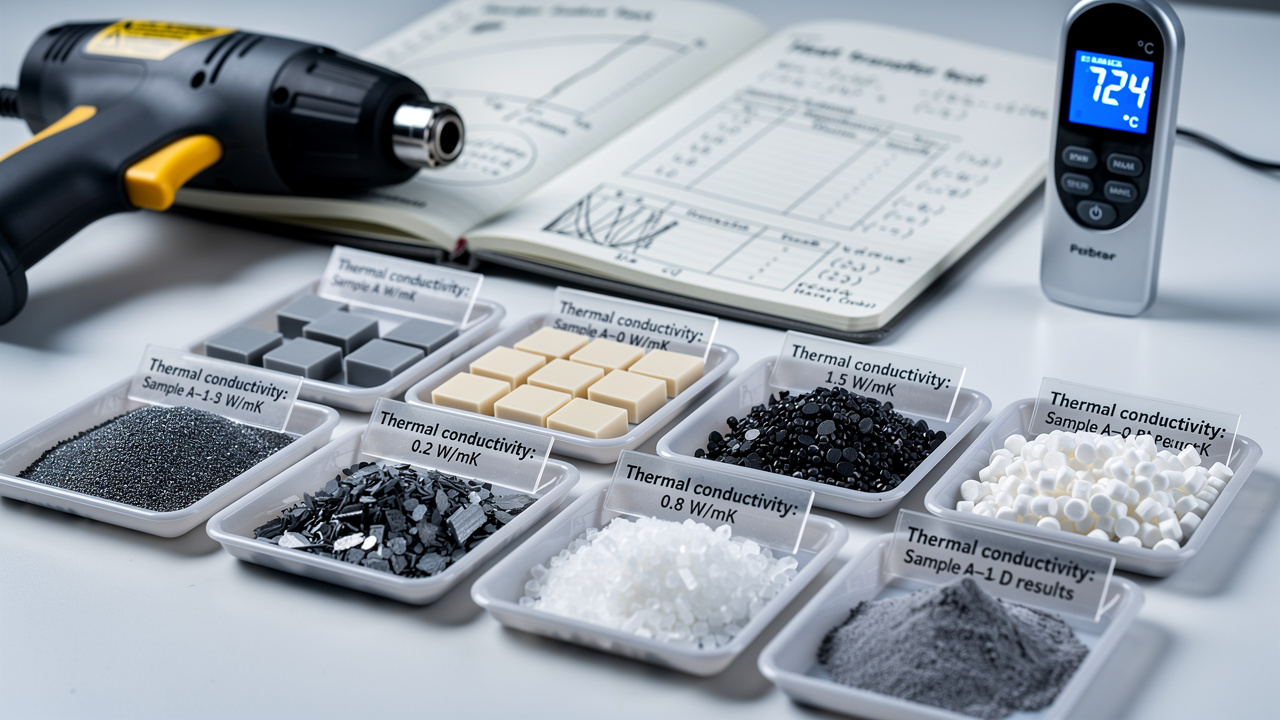
Is Plastic a Thermal Conductor? Compare Its Properties and Uses
Introduction
The evolving landscape of thermal properties in plastics is reshaping industry standards and expectations. As industries grapple with the limitations of traditional materials, the need for innovative solutions becomes increasingly urgent. Can plastics truly rival metals in thermal conductivity? This question is pivotal as we explore their impact across diverse fields, from agriculture to electronics. Furthermore, understanding these dynamics is crucial for manufacturers. So, how can they leverage these insights to boost performance and efficiency in their products?
Understand Thermal Conductivity: Basics and Definitions
Understanding thermal conductance is essential for optimizing material selection in custom extrusion applications. Thermal conductance quantifies a material's ability to transfer heat, typically measured in watts per meter-kelvin (W/m·K). The question of whether plastic is a thermal conductor arises, as plastics generally exhibit reduced heat transfer compared to metals, making them efficient insulators.
For instance, polyethylene and polypropylene, frequently utilized in various applications, possess heat transfer rates ranging from 0.1 to 0.5 W/m·K. This insulating property is vital in agricultural irrigation systems. Maintaining optimal temperatures is crucial for performance. Since 1948, Lincoln Plastics has recognized how crucial these properties are for OEM irrigation products and cable management solutions.
The inclusion of heat-conductive additives, like graphite and boron nitride, can enhance the heat characteristics of these materials, prompting the question of whether plastic is a thermal conductor, thus broadening their applications across different fields. Furthermore, processing conditions, such as cooling rates and annealing, can significantly influence the question of whether plastic is a thermal conductor.
How can OEM Purchasing Managers ensure they choose the right materials for extrusion applications? Therefore, it’s essential to consider these factors when selecting materials. Lincoln Plastics is dedicated to quality, as shown by their ISO 9001:2015 certification. Their strict quality management strategies ensure that selected plastic materials meet the heat management requirements of their intended environments. By prioritizing heat management in material selection, you can significantly enhance the performance and reliability of your systems.

Compare Plastic's Conductive and Insulative Properties
Imagine a world where plastics not only insulate but also prompt the inquiry, is plastic a thermal conductor, with remarkable efficiency. Plastics are widely recognized for their insulative properties, making them ideal for applications where heat retention is crucial. However, recent advancements in material science have led to the development of thermally conductive plastics, prompting the inquiry: is plastic a thermal conductor that can achieve performance levels rivaling metals? For instance, some filled polymers can reach conductivities of up to 100 W/m·K, making them suitable for electronic enclosures and heat management systems. This evolution opens new avenues for manufacturers, allowing them to choose materials that meet specific thermal needs, whether they require insulation or effective heat conduction.

Explore Applications of Plastic Based on Thermal Properties
The applications of thermally conductive materials are not just numerous; they are vital across various industries, driving efficiency and performance. In agriculture, thermally conductive materials like insulated irrigation pipes made from polyethylene are essential, maintaining water temperature while significantly enhancing irrigation efficiency. In industrial environments, these materials are increasingly utilized in electronic devices to effectively manage heat dissipation, ensuring optimal performance and longevity. For instance, thermally conductive nylon 6/6 compounds are employed in data centers to combine insulation properties with effective heat control, significantly improving cooling efficiency and operational reliability, which is crucial for high-performance computing environments.
In the construction sector, plastics with low heat conductivity are crucial for insulation panels, leading to improved energy efficiency in structures. Furthermore, thermally conductive polyamides function as lightweight heat sinks in LED applications, prolonging the lifespan of lighting solutions by preventing overheating. The flexibility of these materials enables customized solutions in multiple applications, from HVAC insulation to parts in machinery that require precise temperature control. Yet, manufacturers often struggle to maintain the necessary strength while ensuring electrical performance when incorporating fillers, which can compromise toughness. As industries evolve, the need for innovative solutions in thermal management becomes paramount, pushing manufacturers to adapt and innovate. As industries continue to evolve, the demand for engineered thermally conductive materials will only grow, shaping the future of thermal management solutions.

Analyze Factors Influencing Thermal Conductivity in Plastics
Understanding whether plastic is a thermal conductor is essential, as the heat transfer capabilities of polymers are not just technical specifications; they are critical factors that can make or break product performance. The heat transfer properties of polymers, enhanced by additives like graphite and metal oxides, raise the question: is plastic a thermal conductor? This makes them ideal for applications requiring efficient heat dissipation, particularly when considering if plastic is a thermal conductor. For instance, incorporating these fillers transforms common materials, typically known as heat insulators, into heat-conductive polymers, leading to the question of whether plastic is a thermal conductor that can manage heat effectively. Furthermore, a critical question in materials science is whether plastic is a thermal conductor, as the molecular arrangement of the plastic indicates that crystalline polymers generally exhibit better heat conductivity compared to their amorphous counterparts. Environmental factors, such as temperature and humidity, also impact heat performance.
The heat-conductive polymers market is projected to reach USD 538.2 million by 2033. This growth highlights the increasing importance of temperature management across sectors like Electrical & Electronics and Automotive & EVs. However, manufacturers face challenges, including processing difficulties and the question of whether plastic is a thermal conductor when compared to metals. What happens when traditional materials fall short in heat management? Understanding these dynamics is not just beneficial; it's essential for staying competitive in the market. Relevant publications, such as Plastics Technology and ACS Applied Polymer Materials, provide further insights into advancements in this field. Without a deep understanding of these dynamics, your products may struggle to meet the demands of modern applications.

Conclusion
The landscape of plastic materials is rapidly changing, challenging long-held beliefs about their thermal properties. While plastics have traditionally been viewed as insulators, advancements in material science are introducing thermally conductive variants that reshape their applications. Understanding these developments is essential for industries looking to optimize their thermal management strategies.
Key insights reveal significant differences in thermal conductance between standard plastics and those enhanced with additives. Certain plastics can achieve thermal conductivities comparable to metals, opening new opportunities across various sectors, from agriculture to electronics. This evolution highlights the need to choose the right plastic for thermal management, especially in high-performance settings where heat dissipation is vital.
As industries continue to evolve, this shift in demand will require manufacturers to innovate continuously to remain competitive. Embracing innovative solutions and leveraging the expertise of companies like Lincoln Plastics, which adheres to rigorous quality management standards, can significantly enhance product performance and reliability. For those seeking tailored solutions or guidance in material selection, reaching out to Lincoln Plastics experts can provide valuable insights and support in navigating the complexities of thermal conductivity in plastics.
Frequently Asked Questions
What is thermal conductivity and why is it important in material selection?
Thermal conductivity quantifies a material's ability to transfer heat, typically measured in watts per meter-kelvin (W/m·K). It is essential for optimizing material selection in custom extrusion applications, ensuring materials can effectively manage heat in their intended environments.
How do plastics compare to metals in terms of thermal conductivity?
Plastics generally exhibit reduced heat transfer compared to metals, making them efficient insulators. For example, polyethylene and polypropylene have heat transfer rates ranging from 0.1 to 0.5 W/m·K.
What role do heat-conductive additives play in plastics?
The inclusion of heat-conductive additives, such as graphite and boron nitride, can enhance the heat characteristics of plastics, broadening their applications across various fields.
How do processing conditions affect the thermal conductivity of plastics?
Processing conditions, including cooling rates and annealing, can significantly influence the thermal conductivity of plastics, impacting their performance in applications.
What should OEM Purchasing Managers consider when selecting materials for extrusion applications?
They should consider factors such as thermal conductivity, processing conditions, and the specific heat management requirements of the intended applications to ensure optimal material performance.
How does Lincoln Plastics ensure the quality of its materials?
Lincoln Plastics is ISO 9001:2015 certified, which reflects their commitment to quality through rigorous management strategies, including dedicated quality plans and in-process checks.
What is the significance of maintaining optimal temperatures in applications like agricultural irrigation?
Maintaining optimal temperatures is crucial for the performance of systems, as it affects efficiency and reliability, particularly in applications like agricultural irrigation systems.
How can Lincoln Plastics assist with custom extrusion needs?
Lincoln Plastics offers expertise in material selection and can provide tailored solutions for extrusion applications, ensuring that selected materials meet specific heat management requirements. Customers are encouraged to contact Lincoln Plastics for quotes or custom solutions.
List of Sources
- Understand Thermal Conductivity: Basics and Definitions
- Plastic Thermal Conductivity Reference Table - Alfa Chemistry (https://alfa-chemistry.com/plastics/resources/plastic-thermal-conductivity-reference-table.html)
- Thermal Conductivity of Filled Plastics | Electronics Cooling (https://electronics-cooling.com/2009/05/thermal-conductivity-of-filled-plastics)
- A quick stretch switches this polymer’s capacity to transport heat (https://news.mit.edu/2026/quick-stretch-switches-polymers-capacity-transport-heat-0209)
- Engineers turn plastic insulator into heat conductor (https://news.mit.edu/2018/engineers-turn-plastic-insulator-heat-conductor-0330)
- news.northeastern.edu (https://news.northeastern.edu/2025/07/11/heat-conductive-plastic-research)
- Compare Plastic's Conductive and Insulative Properties
- Top Content on LinkedIn (https://linkedin.com/pulse/thermally-conductive-plastics-market-overview-significant-vznve)
- A quick stretch switches this polymer’s capacity to transport heat (https://news.mit.edu/2026/quick-stretch-switches-polymers-capacity-transport-heat-0209)
- plasticstoday.com (https://plasticstoday.com/industry-trends/thermally-conductive-polymers-help-handle-the-heat-in-today-s-electronics)
- Thermally Conductive Polymers Market Size & Share, 2026-2033 (https://coherentmarketinsights.com/market-insight/thermally-conductive-polymers-market-2572)
- Thermally Conductive Plastics: Keeping Tomorrow’s Electronics Cool - Sterling Plastics (https://sterlingplasticsinc.com/insights/thermally-conductive-plastics-keeping-electronics-cool)
- Explore Applications of Plastic Based on Thermal Properties
- Thermally Conductive Plastics: Keeping Tomorrow’s Electronics Cool - Sterling Plastics (https://sterlingplasticsinc.com/insights/thermally-conductive-plastics-keeping-electronics-cool)
- designnews.com (https://designnews.com/plastics/thermally-conductive-plastics-beat-the-heat)
- ulprospector.com (https://ulprospector.com/knowledge/11504/pe-shedding-light-on-thermally-conductive-plastics)
- Makrolon® TC thermally conductive plastics (https://solutions.covestro.com/en/highlights/articles/theme/product-technology/makrolon-tc-thermal-conductive-plastics-next-generation-heat-management)
- Analyze Factors Influencing Thermal Conductivity in Plastics
- New study reveals polymers with flawed fillers boost heat transfer in plastics (https://eurekalert.org/news-releases/1079359)
- Understanding Plastic Heat Conductivity: Key Factors and Applications (https://lincoln-plastics.com/news-post/understanding-plastic-heat-conductivity-key-factors-and-applications)
- Thermally Conductive Polymers Market Size & Share, 2026-2033 (https://coherentmarketinsights.com/market-insight/thermally-conductive-polymers-market-2572)
- Thermal Conductivity of Filled Plastics | Electronics Cooling (https://electronics-cooling.com/2009/05/thermal-conductivity-of-filled-plastics)
Related posts

Discover the key benefits of ISO certified plastic extrusion services for reliability and efficiency.


Discover the diverse applications of plastic tubing PVC across industries, enhancing efficiency and safety.
Master the installation and benefits of strain relief clamps for range cords to enhance safety and reliability.
