
How to Make Plastic Products: A Step-by-Step Guide for OEM Managers
Introduction
In the competitive landscape of plastic production, mastering the intricacies of material selection and extrusion processes is essential for OEM managers. Let’s explore the essential steps to making plastic products together, from understanding material properties to implementing robust quality control measures.
With so many options available, how do you choose the right materials and techniques to meet performance and compliance standards? By mastering these critical elements, you can not only meet compliance standards but also stand out in a crowded market.
Understand the Basics of Plastic
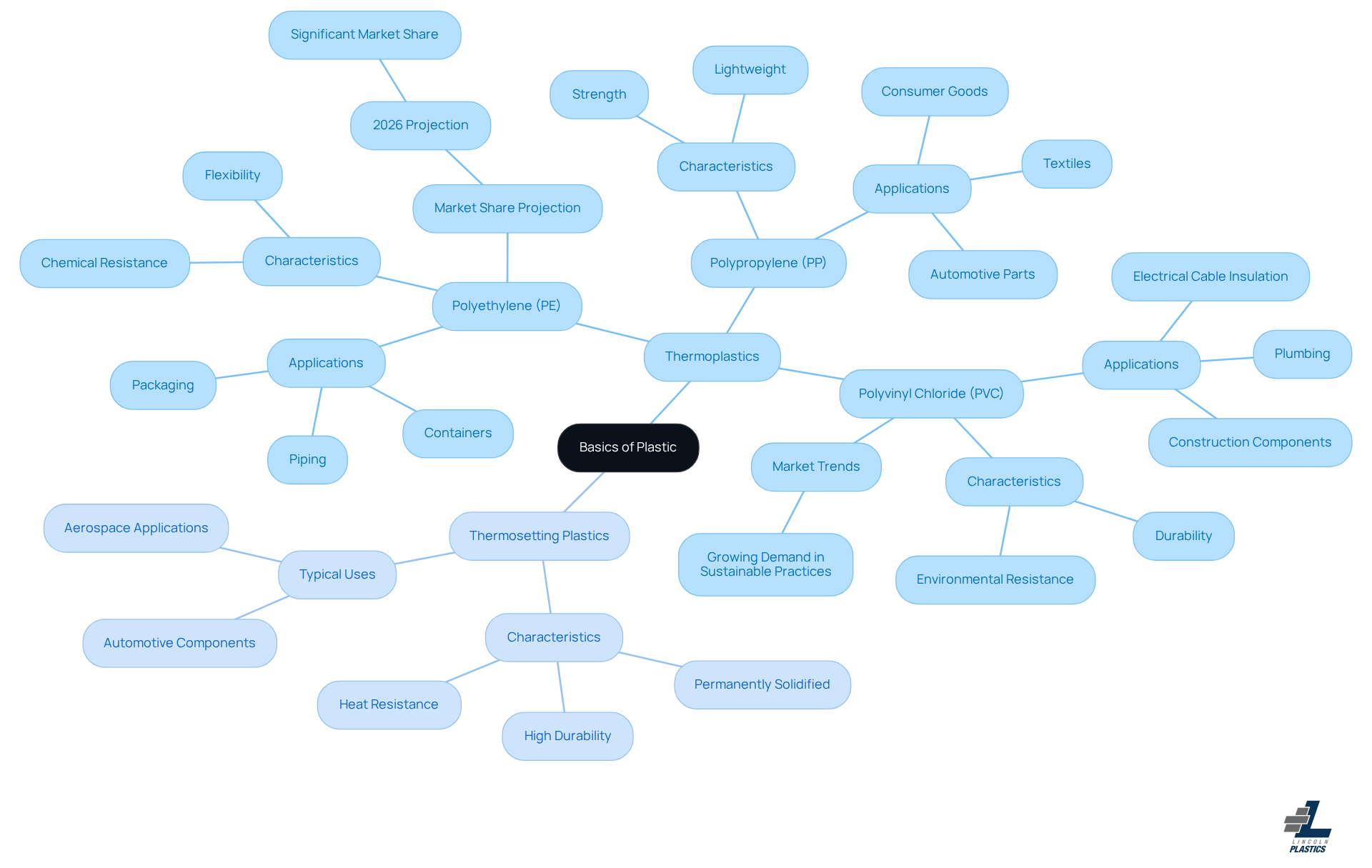
In the world of custom plastic extrusion, mastering material characteristics is not just beneficial - it's essential for success. Understanding the characteristics of various materials is crucial for effectively learning how to make plastic products. Plastics are primarily categorized into two groups: thermoplastics and thermosetting plastics.
Thermoplastics: These substances can be melted and reshaped multiple times, making them ideal for extrusion processes. Common thermoplastics include:
- Polyethylene (PE): Known for its flexibility and chemical resistance, PE is widely used in packaging, containers, and piping. In 2026, PE is projected to hold a significant market share in the extrusion sector, driven by its versatility.
- Polypropylene (PP): Valued for its strength and lightweight nature, PP is commonly found in automotive parts, textiles, and consumer goods. Industry leaders emphasize the importance of understanding PP's properties for optimizing production efficiency.
- Polyvinyl Chloride (PVC): Acknowledged for its durability and resistance to environmental degradation, PVC is frequently utilized in construction components, plumbing, and electrical cable insulation. Recent trends indicate a growing demand for PVC in sustainable building practices.
Thermosetting Plastics: Unlike thermoplastics, these substances solidify permanently after shaping, offering high durability and heat resistance. They are typically utilized in applications that demand structural integrity and thermal stability, such as in automotive and aerospace components.
Grasping these categories helps OEM managers learn how to make plastic products that suit their unique needs, ensuring both performance and cost-effectiveness in production. At Lincoln Plastics, we collaborate closely with OEMs to ensure that their products satisfy all standards, including special checks for ‘fit and function’. Our robust quality system includes dedicated quality documentation for your polymer profiles, ensuring that critical dimensions are met. We utilize multiple types of check gauges to guarantee a proper end-use fit. Additionally, we can easily source colors that meet your Pantone specifications for consistency across manufacturers. As the market changes, staying updated on the latest trends in synthetic substances, such as the growing use of bio-based alternatives and advancements in recycling technologies, is crucial for maintaining a competitive advantage in the industry. By staying informed about material advancements, you position your business to thrive in an ever-evolving market landscape.
Identify Key Materials and Processes for Plastic Production
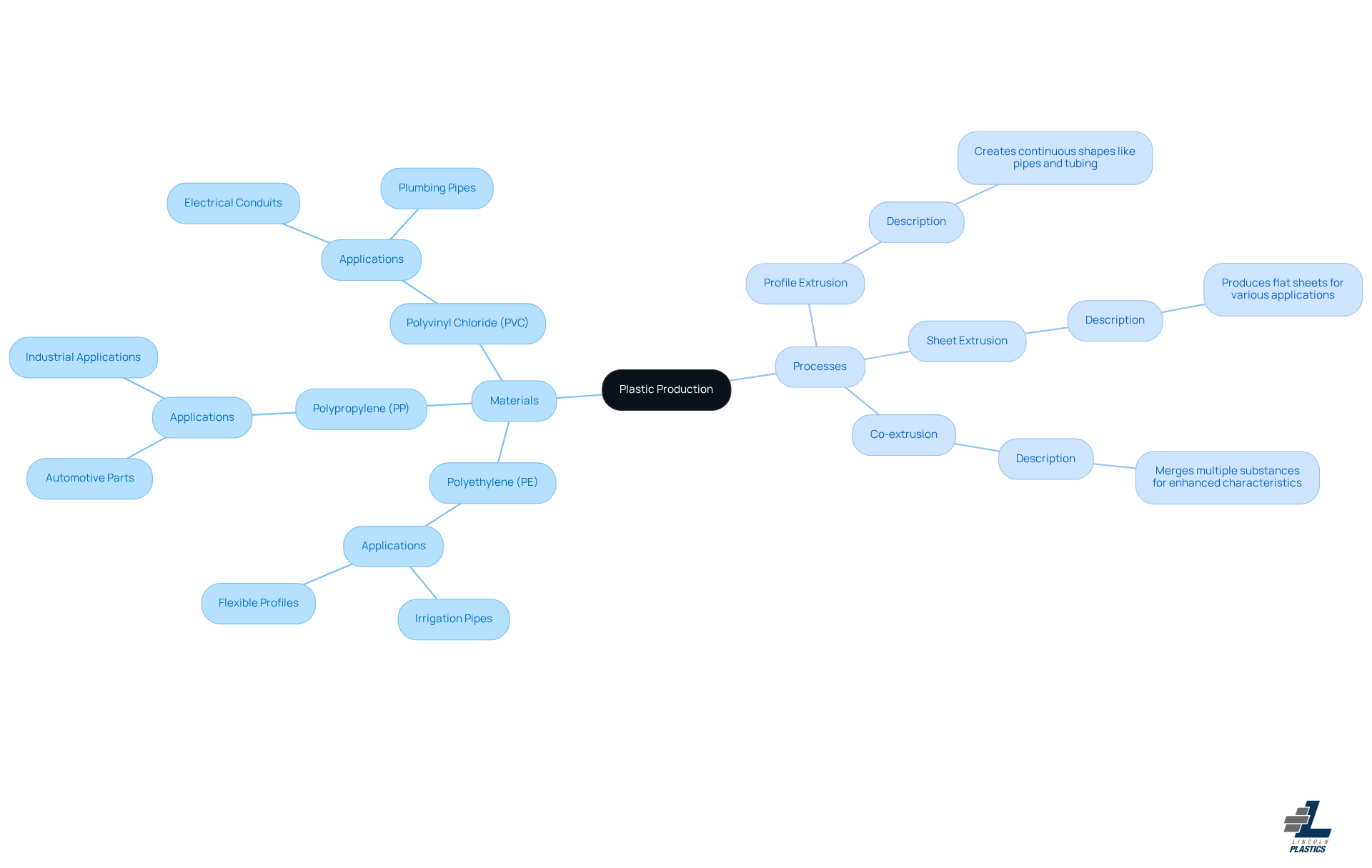
In the competitive landscape of 2026, selecting the right materials for plastic extrusion is not just important; it's critical for success. Consider these commonly used plastics:
- Polyethylene (PE): Renowned for its flexibility and chemical resistance, PE is particularly suitable for applications such as irrigation pipes and flexible profiles. Its adaptability makes it a preferred choice in various industries.
- Polypropylene (PP): This substance is celebrated for its excellent fatigue resistance, making it ideal for automotive and industrial applications. Its durability and lightweight nature contribute to its growing popularity in these sectors.
- Polyvinyl Chloride (PVC): PVC is extensively utilized for rigid profiles, including electrical conduits and plumbing pipes, due to its strength and durability. Its versatility allows for a wide range of applications across different industries.
But how well do you really understand the extrusion processes that are essential to how to make plastic products, which can make or break your product? The primary methods include:
- Profile Extrusion: This process is employed to create continuous shapes like pipes and tubing, ensuring consistent quality and performance.
- Sheet Extrusion: This technique produces flat sheets suitable for various applications, offering flexibility in design and functionality.
- Co-extrusion: This advanced technique merges multiple substances to enhance characteristics, such as color or functionality, allowing for customized solutions that meet specific client requirements.
By carefully selecting the right materials and processes, OEM managers can ensure their products not only meet industry standards but also delight their customers, driving their businesses forward.
Follow the Step-by-Step Process for Extrusion Molding
To achieve high-quality production in extrusion molding, OEM managers must master a series of critical steps.
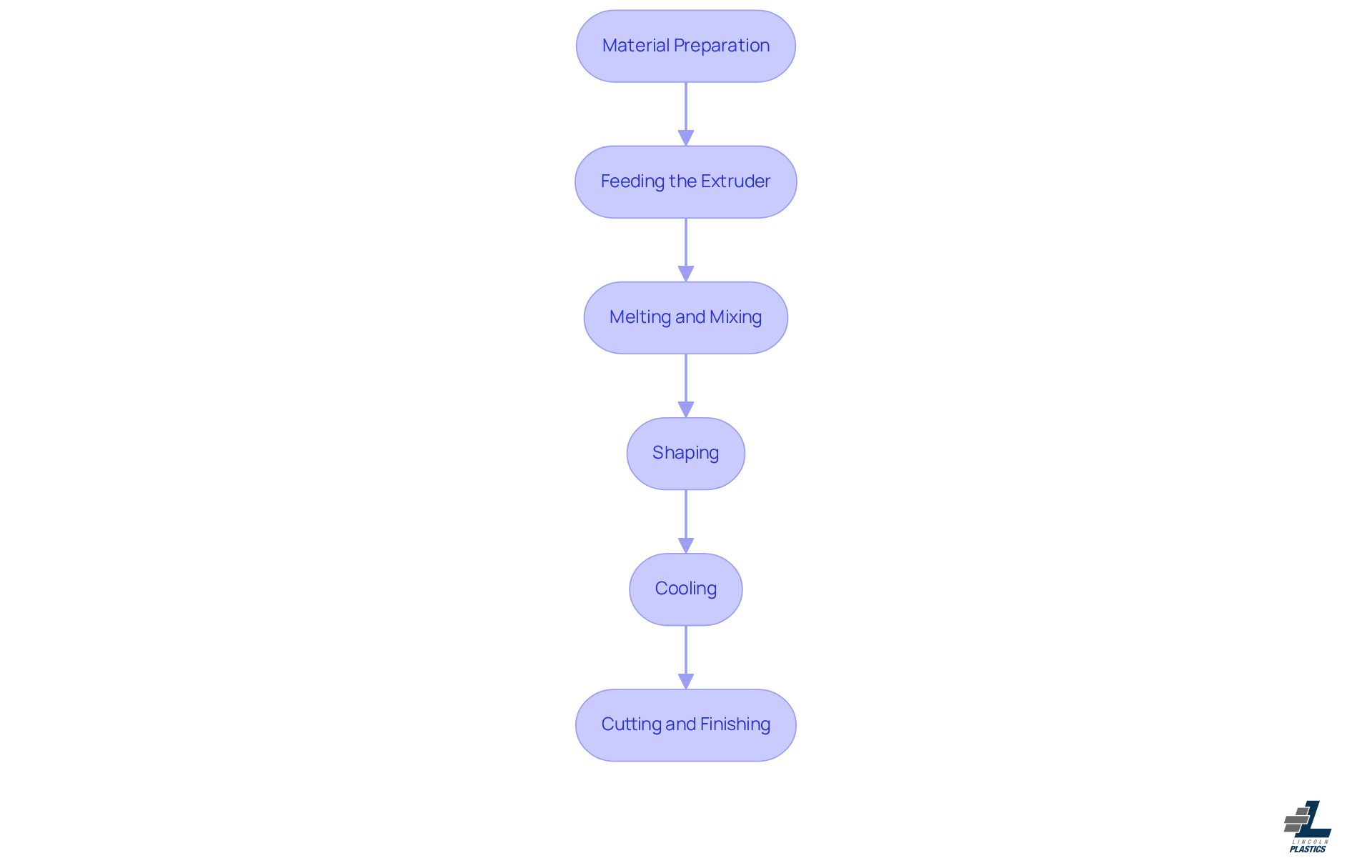
- Material Preparation: Start by choosing the appropriate synthetic substance suited to your product specifications. Are you ensuring your materials are free from impurities? It's essential to guarantee that the substance is clean, as most extrusion defects arise from inadequate raw component preparation, including resin selection and drying.
- Feeding the Extruder: Load the plastic pellets or granules into the extruder's hopper. Have you considered how the feeding method impacts your production? Flood feeding is standard for single-screw extruders, while starve feeding is preferred in twin-screw extruders for better process control. Proper feeding ensures consistent substance flow and minimizes issues like bridging.
- Melting and Mixing: As the material travels through the heated barrel, it undergoes melting and thorough mixing. Achieving complete melting can be challenging. Shear friction serves as the primary energy source for this process. The design of the screw, particularly the use of barrier screws, enhances melting consistency and efficiency.
- Shaping: The molten plastic is then forced through a die that shapes it into the desired profile. The die design is crucial, as it directly affects the final shape and quality of the extruded item. Ensuring the die is well-designed can prevent costly defects and downtime.
- Cooling: After leaving the die, the extruded item is cooled, typically using air or water, to solidify its shape. The cooling rate is crucial, as it directly affects the material properties and can prevent warpage or cracking.
- Cutting and Finishing: Once cooled, the extruded item is cut to the required length and may undergo additional finishing processes, such as trimming or surface treatment, to enhance its functionality and aesthetic appeal.
By refining these processes, you not only enhance product quality but also drive operational success.
Implement Quality Control Measures and Compliance Standards
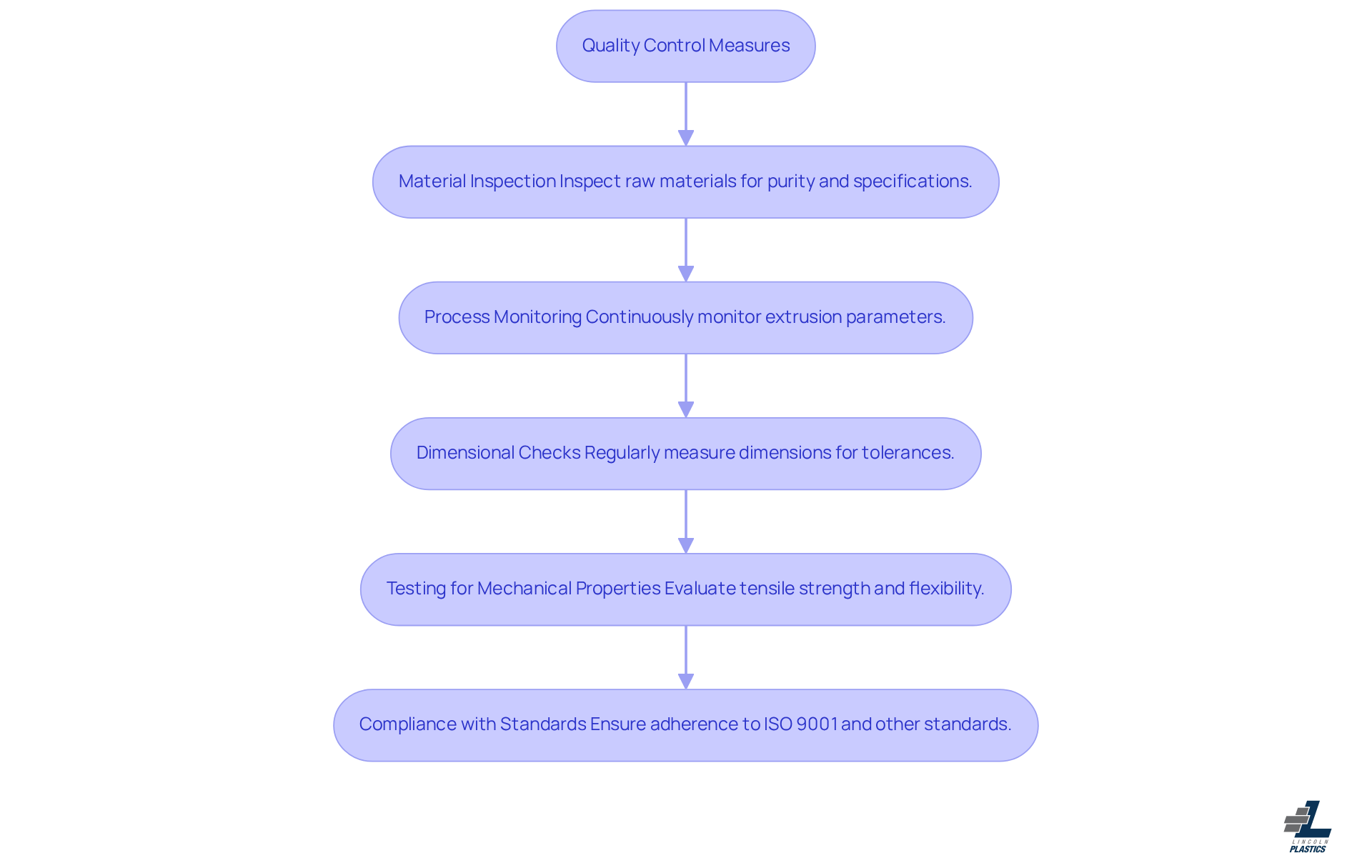
Quality control in plastic extrusion is not just a necessity; it’s the backbone of product integrity and industry compliance for OEMs.
- Material Inspection: Prior to production, inspecting raw materials for purity and adherence to specifications is vital. This initial step helps avoid defects in the final item, as the quality of raw materials directly affects the extrusion process. For instance, a thorough examination of thermoplastic elastomers and polyethylene can verify their integrity, ensuring they meet performance requirements.
- Process Monitoring: Continuous monitoring of extrusion parameters, including temperature, pressure, and speed, is necessary to identify deviations from established standards. This proactive approach allows for immediate corrective actions, minimizing the risk of defects. According to industry standards, maintaining a Cpk of 1.33 or higher is essential for capable extrusion lines.
- Dimensional Checks: Regular measurement of the dimensions of extruded items is essential to ensure they meet required tolerances. Using calipers and other precision measuring instruments aids in maintaining consistency and excellence in production. For example, in blown film extrusion, thickness and clarity are scrutinized for uniformity.
- Testing for Mechanical Properties: It’s crucial to conduct tests that evaluate mechanical properties like tensile strength and flexibility. These evaluations ensure that the extruded items meet performance requirements and are suitable for their intended applications. Stringent testing procedures are essential for upholding assurance throughout the extrusion process.
- Compliance with Standards: Familiarity with relevant industry standards, particularly ISO 9001, is essential for ensuring that processes and products conform to management principles. Lincoln Plastics is certified to the ISO 9001 standard, showcasing their dedication to excellence and compliance. As of 2026, compliance rates with ISO 9001 in the plastic manufacturing sector are vital indicators of a company's commitment to excellence, with many organizations aiming for ongoing enhancement in their standards.
Without rigorous quality control, defects can compromise product integrity and customer trust. By implementing these quality control measures, including tailored checks for ‘fit and function’ and maintaining a robust quality system with a dedicated quality book, OEM managers can enhance product reliability and build customer trust. Ultimately, the commitment to quality control is what sets successful OEMs apart in a competitive market.
Conclusion
Navigating the complexities of plastic production is essential for OEM managers aiming for excellence. This guide has highlighted the importance of selecting the right materials, such as thermoplastics and thermosetting plastics, while detailing the step-by-step processes necessary for successful extrusion molding. By integrating these elements, OEM managers can create products that not only meet industry standards but also fulfill customer expectations.
Key insights discussed include:
- The significance of material preparation
- The intricacies of the extrusion process
- The critical role of quality control
Each phase, from feeding the extruder to implementing rigorous compliance standards, contributes to the overall success of plastic manufacturing. When OEM managers prioritize these best practices, they boost operational efficiency and ensure product reliability, ultimately leading to a competitive edge in the market.
The plastic manufacturing landscape is continually evolving, and staying informed about advancements in materials and processes is essential. Embracing innovative techniques and maintaining high-quality standards will not only foster business growth but also contribute to sustainable practices in the industry. As the demand for plastic products continues to rise, OEM managers are encouraged to apply these principles diligently, ensuring their products shine in a competitive landscape.
Frequently Asked Questions
What are the two main categories of plastics?
The two main categories of plastics are thermoplastics and thermosetting plastics.
What are thermoplastics and their characteristics?
Thermoplastics are substances that can be melted and reshaped multiple times, making them ideal for extrusion processes. They include materials like Polyethylene (PE), Polypropylene (PP), and Polyvinyl Chloride (PVC).
What are some common applications of Polyethylene (PE)?
Polyethylene (PE) is known for its flexibility and chemical resistance, and it is widely used in packaging, containers, and piping.
Why is Polypropylene (PP) valued in manufacturing?
Polypropylene (PP) is valued for its strength and lightweight nature, making it commonly found in automotive parts, textiles, and consumer goods.
What are the advantages of Polyvinyl Chloride (PVC)?
Polyvinyl Chloride (PVC) is durable and resistant to environmental degradation, frequently used in construction components, plumbing, and electrical cable insulation.
What distinguishes thermosetting plastics from thermoplastics?
Thermosetting plastics solidify permanently after shaping, offering high durability and heat resistance, and are typically used in applications that require structural integrity and thermal stability.
How does Lincoln Plastics support OEMs in product development?
Lincoln Plastics collaborates closely with OEMs to ensure their products meet all standards, including special checks for ‘fit and function’, and provides dedicated quality documentation for polymer profiles.
What measures does Lincoln Plastics take to ensure product quality?
Lincoln Plastics utilizes multiple types of check gauges to guarantee proper end-use fit and can source colors that meet Pantone specifications for consistency across manufacturers.
Why is it important to stay updated on trends in synthetic substances?
Staying updated on trends, such as the growing use of bio-based alternatives and advancements in recycling technologies, is crucial for maintaining a competitive advantage in the industry.
List of Sources
- Understand the Basics of Plastic
- compositesworld.com (https://compositesworld.com/products/demgy-group-announces-plans-for-2026-demonstrates-tpc-thermosets-prowess-across-markets)
- earth.org (https://earth.org/plastic-pollution-quotes)
- plasticstoday.com (https://plasticstoday.com/industry-trends/plasticstoday-week-in-review-april-3-2026)
- fortunebusinessinsights.com (https://fortunebusinessinsights.com/plastics-market-102176)
- Identify Key Materials and Processes for Plastic Production
- 10 Innovative Extrusion Plastic Products for OEM Needs (https://lincoln-plastics.com/news-post/10-innovative-extrusion-plastic-products-for-oem-needs)
- Emerging Trends Shaping Plastic Extruders in 2026 (https://audop.com/c/emerging-trends-shaping-plastic-extruders-in-2026.htm)
- Follow the Step-by-Step Process for Extrusion Molding
- 4 Best Practices for Effective Extrusion Manufacturing Solutions (https://lincoln-plastics.com/news-post/4-best-practices-for-effective-extrusion-manufacturing-solutions)
- jiantaimachine.com (https://jiantaimachine.com/plastic-extrusion-process-step-by-step-guide-2026)
- How to Collect & Interpret Process Data in Extrusion (https://ptonline.com/articles/how-to-collect-interpret-process-data-in-extrusion-part-1(2))
- Implement Quality Control Measures and Compliance Standards
- Plastics Extrusion: 4 Critical Statistics to Track for Increased Quality & Plant Profit (https://gaugeadvisor.com/2025/05/26/plastics-extrusion-4-critical-statistics-to-track-for-increased-quality-plant-profit)
- Quotes of Total Quality Management - Azumuta (https://azumuta.com/blog/quotes-of-total-quality-management)
- Quality Control and Testing Procedures - Plastic Extrusion Technologies (https://plasticextrusiontech.net/quality-control-and-testing-procedures-in-plastic-extrusions)
- 5 Important Things for Life Sciences Companies to Consider | MasterControl (https://mastercontrol.com/gxp-lifeline/quality-inspiration)
Related posts

Why Custom Pipe Extrusion Matters More Than Ever
Standard pipe sizes don’t always work. Learn how Lincoln Plastics delivers custom diameters, wall thicknesses, and finishes in right-sized runs.


Reducing Trip Hazards with Custom Cord Management
Loose cords are more than messy — they’re a safety hazard. Lincoln Plastics’ custom cord covers and Flexiduct solutions improve safety and efficiency.
The Power of Custom Plastic Profiles for OEMs
Off-the-shelf profiles force compromises. Learn how Lincoln Plastics designs custom extruded profiles for OEMs with exact specs and right-sized runs.
