
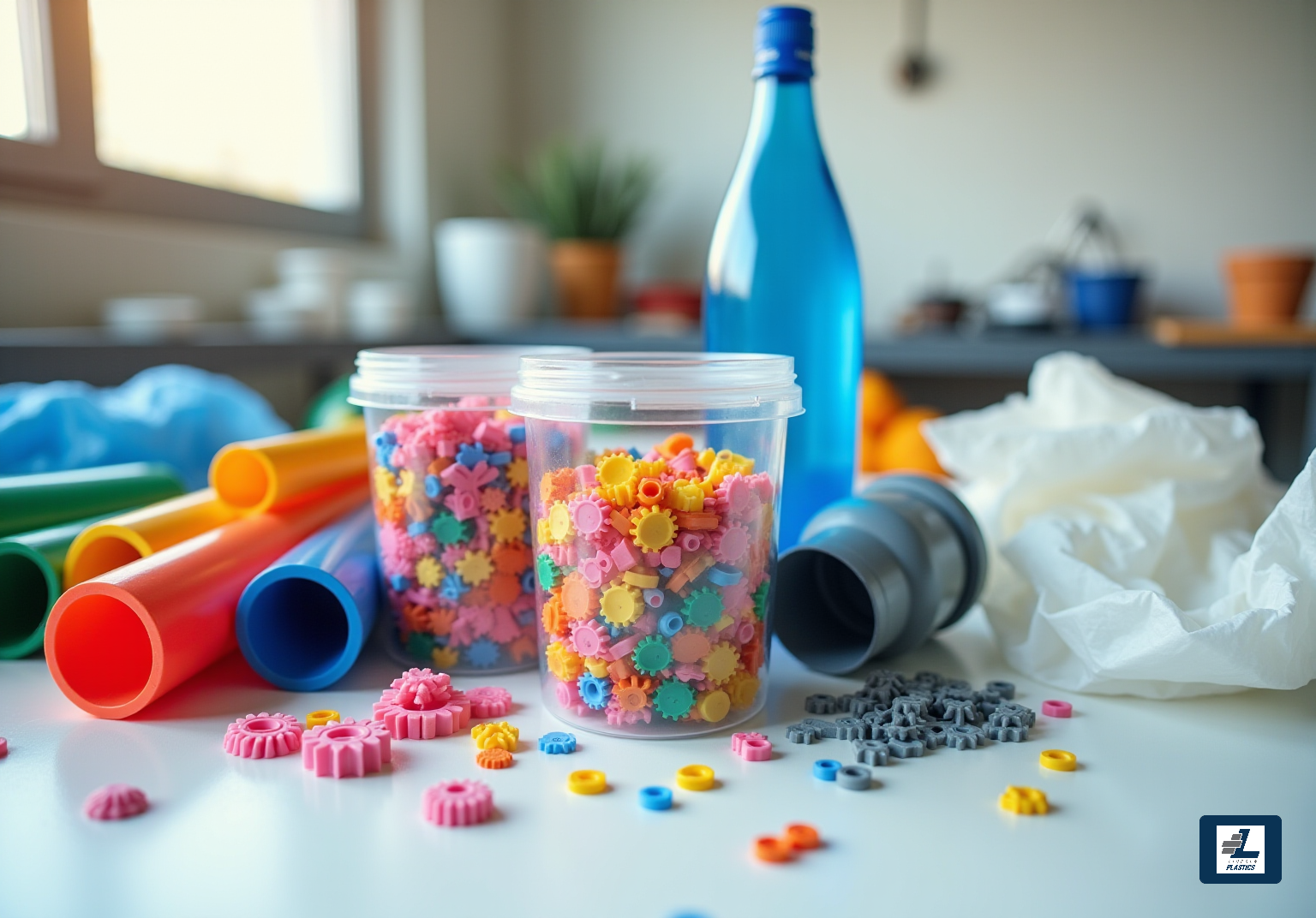
Explore 7 Different Plastics for Effective Procurement Decisions
Introduction
Understanding the diverse world of plastics is key to making smart procurement choices in today’s manufacturing scene. With sustainability on the rise and a growing demand for efficient materials, knowing the unique properties and uses of different plastics can really boost product performance and help the planet. But with so many options out there, you might be wondering: how do you navigate the maze of plastic types and what they mean for your business and the environment?
Let’s dive into this together! It’s all about finding the right fit for your needs while being mindful of our planet. So, grab a cup of coffee, and let’s explore how understanding plastics can make a difference.
Define Plastics and Their Classifications
Plastics - ever wondered what they really are? Well, they’re synthetic or semi-synthetic materials made from polymers, which are basically long chains of molecules. You can think of different plastics as being categorized into two main types: thermoplastics and thermosets.
Now, thermoplastics can be melted and reshaped over and over again. This makes them super versatile for all sorts of uses, like packaging, car parts, and even your everyday consumer goods. On the flip side, we have thermosets. When these guys get heated, they undergo a chemical change that makes them rigid. This rigidity is what makes them perfect for tough jobs that need durability and heat resistance, like in aerospace or electrical insulators.
Understanding plastic properties is key when you're making decisions about what to buy. Each type of plastic has its own advantages. For example, thermoplastics offer flexibility, ease of processing, and recyclability. Meanwhile, thermosets provide strength, stability, and ability to handle high temperatures.
Looking ahead, by 2026, the demand for plastics is expected to grow significantly. That just shows how important they’re becoming across various industries! So, as experts in polymer science often say, knowing the ins and outs of these classifications can really help you make better choices and informed decisions. What do you think? Ready to dive deeper into the world of plastics?

Explore the Seven Common Types of Plastics
- Polyethylene Terephthalate (PET): You’ve probably seen PET everywhere, right? It’s that lightweight, recyclable plastic that’s a staple in beverage bottles and food packaging. In fact, a whopping 73% of global demand comes from beverage bottles, with around 500 billion units produced each year! Its versatility and strength make it a preferred choice among manufacturers for textiles and engineering. Did you know that PET is processed through mechanical recycling, which is a big win for sustainability? Industry expert Timothy Greene points out that PET’s versatility and innovative circular manufacturing systems are crucial for the industry.
- HDPE: Now, let’s talk about HDPE. This tough guy is known for its strength and durability, making it a popular choice for containers, piping, and construction materials. It stands up well against impacts and environmental stressors, which is why you’ll often find it in outdoor applications. Plus, its lightweight nature makes it easy to handle and transport, contributing to its widespread use across various sectors.
- Polyvinyl Chloride (PVC): PVC is another flexible material that’s tough against environmental wear and tear, making it perfect for construction and plumbing. Its durability and low maintenance needs have led to its extensive use in pipes, siding, and window frames. What’s cool is that many products, including PVC, can be made flexible or rigid, opening up a wide range of applications.
- Low-Density Polyethylene (LDPE): If you’re looking for flexibility and toughness, LDPE is your go-to. It’s often used for plastic bags, films, and containers. Its low-density structure provides excellent impact protection, making it ideal for lightweight applications. And let’s not forget, LDPE is recyclable, which adds to its appeal in sustainable packaging solutions.
- Polypropylene (PP): Known for its versatility, polypropylene is widely used in automotive parts, packaging, and consumer goods. Its high melting point allows it to handle various processing conditions, making it perfect for applications that need durability and reliability. Plus, PP is versatile enough to be used in textiles and medical applications too!
- Polystyrene (PS): Lightweight and budget-friendly, polystyrene is commonly found in disposable cutlery, food containers, and insulation materials. It’s easy to process and can be molded into all sorts of shapes, which is why it’s a favorite in the packaging industry. However, its environmental impact has raised some eyebrows, leading to calls for more sustainable alternatives.
- Acrylic (PMMA): Last but not least, we have acrylic. Known for its clarity and strength, acrylic is often used in signage, displays, and optical applications. Its lightweight and shatter-resistant properties make it a great substitute for glass in many situations. Plus, it’s easy to fabricate and comes in a variety of colors, which adds to its versatility in design and functionality.
Each type of synthetic material, such as polyethylene, has its own unique properties that cater to specific applications, significantly influencing procurement decisions across various industries.

Assess Recycling and Sustainability Considerations
When it comes to choosing different plastics, have you considered their recycling potential? It’s a big deal! Many different plastics, like PET and HDPE, are pretty much the stars of recycling programs, while others, like polystyrene, can be a bit of a headache to recycle. Plus, let’s not forget that making certain polymers can pump out emissions and harm our environment.
So, what can companies do? Well, it’s all about prioritizing resources that are not just sustainable. Think about choosing recycled materials whenever you can and supporting initiatives that promote recycling. By understanding these factors, you can make more informed decisions that benefit both your business and the planet. Sounds good, right?

Understand the Extrusion Process for Plastic Manufacturing
Have you ever wondered how those long, smooth pipes or sheets are made? At Lincoln Plastics, we’ve got a fascinating process called extrusion that turns raw plastic pellets, specifically thermoplastics, into finished products. It’s a method that gives us precise control over dimensions and properties, ensuring top-notch quality and a personal touch for our customers.
So, how does it work? Let’s break it down into a few key steps:
- Feeding: We start by introducing raw synthetic materials into the extruder.
- Melting: Next, we heat the substance until it’s nice and pliable.
- Shaping: Then, we push that molten plastic through a die to create the desired shape.
- Cooling: Finally, we cool the product to solidify its form.
Understanding this process is crucial for selecting the right materials and ensuring the best outcomes. At Lincoln Plastics, we’re committed to rigorous quality control and working closely with our clients to deliver the best results.

Conclusion
Understanding the diverse world of plastics is key to making smart procurement choices. Have you ever thought about how the right materials can not only meet your needs but also support sustainability? By getting to know the different types of plastics and their unique characteristics, businesses can make choices that really matter. This knowledge helps companies optimize their products while also being kinder to our planet.
Throughout this article, we’ve explored some important insights, like how plastics are classified into thermoplastics and thermosets. We also looked at seven common types:
- PET
- HDPE
- PVC
- LDPE
- PP
- PS
- Acrylic
Each of these has its own perks, serving a variety of applications from packaging to construction. Plus, we highlighted the importance of recycling and sustainability, showing how responsible material choices can make a big difference for both business practices and the environment.
As the world of plastic procurement keeps changing, it’s crucial for companies to stay updated on trends and advancements in recycling technologies and manufacturing processes. You might be wondering how to prioritize sustainable practices while understanding the ins and outs of different plastics. By doing so, organizations can not only improve their procurement strategies but also play a vital role in fostering a circular economy. Embracing these principles will lead to better decision-making and a positive impact on our planet. So, let’s take action together!
Frequently Asked Questions
What are plastics made from?
Plastics are synthetic or semi-synthetic materials made from polymers, which are long chains of molecules.
What are the two main types of plastics?
The two main types of plastics are thermoplastics and thermosets.
What are thermoplastics?
Thermoplastics are plastics that can be melted and reshaped multiple times, making them versatile for various applications such as packaging, car parts, and consumer goods.
What are thermosets?
Thermosets are plastics that undergo a chemical change when heated, resulting in a rigid and unchangeable form, which makes them suitable for durable applications like aerospace and electrical insulators.
What are the advantages of thermoplastics?
Thermoplastics are favored for their flexibility, ease of processing, and recyclability.
What are the advantages of thermosets?
Thermosets are known for their strength, stability, and ability to withstand high temperatures.
What is the expected trend for thermoplastics by 2026?
By 2026, thermoplastics are expected to account for a significant portion of the plastics used in manufacturing, indicating their growing importance across various industries.
Why is it important to understand the differences among plastics?
Understanding the differences among plastics helps in making informed decisions about purchasing and can enhance product performance.
List of Sources
- Define Plastics and Their Classifications
- tomra.com (https://tomra.com/news-and-media/news/2025/circular-technology-trends-in-2026-turning-preparation-to-action)
- Thermoset vs Thermoplastics | Pros & Cons | Differences (https://vantageplastics.com/vantage-news-updates/thermoset-vs-thermoplastics-whats-the-difference)
- plasticstoday.com (https://plasticstoday.com/packaging/new-year-new-rules-states-tackle-packaging)
- Thermoplastics vs. Thermosets for Structural Applications – What’s the Difference? (https://strongwell.com/news/thermoplastics-vs-thermosets-for-structural-applications-whats-the-difference)
- Explore the Seven Common Types of Plastics
- polypvc.com (https://polypvc.com/news/Exploring-the-Versatile-Properties-and-Applications-of-PET-Materials.html)
- chemdo.com (https://chemdo.com/news/polyethylene-terephthalate-pet-plastic-properties-and-applications-overview)
- chemanalyst.com (https://chemanalyst.com/Blogs/unlocking-the-strategic-importance-of-polyethylene-terephthalate-61)
- oreateai.com (https://oreateai.com/blog/understanding-polyethylene-terephthalate-the-versatile-plastic-behind-everyday-products/df72b375d82b1d5e04839625be37ec97)
- Understand the Extrusion Process for Plastic Manufacturing
- Latest Plastic Extrusion News | Bausano (https://bausano.com/en/press-and-news?q=NEWS)
- Interplas Insights | Latest Plastics Extrusion Machinery News (https://interplasinsights.com/plastics-machinery/plastics-extrusion-machinery-news)
- Extrusion: Film & Sheet recent news | Plastics Today (https://plasticstoday.com/plastics-processing/extrusion-film-sheet)
- Extrusion (https://plasticsnews.com/processors/extrusion)
- Emerging Trends Shaping Plastic Extruders in 2026 (https://audop.com/c/emerging-trends-shaping-plastic-extruders-in-2026.htm)


