
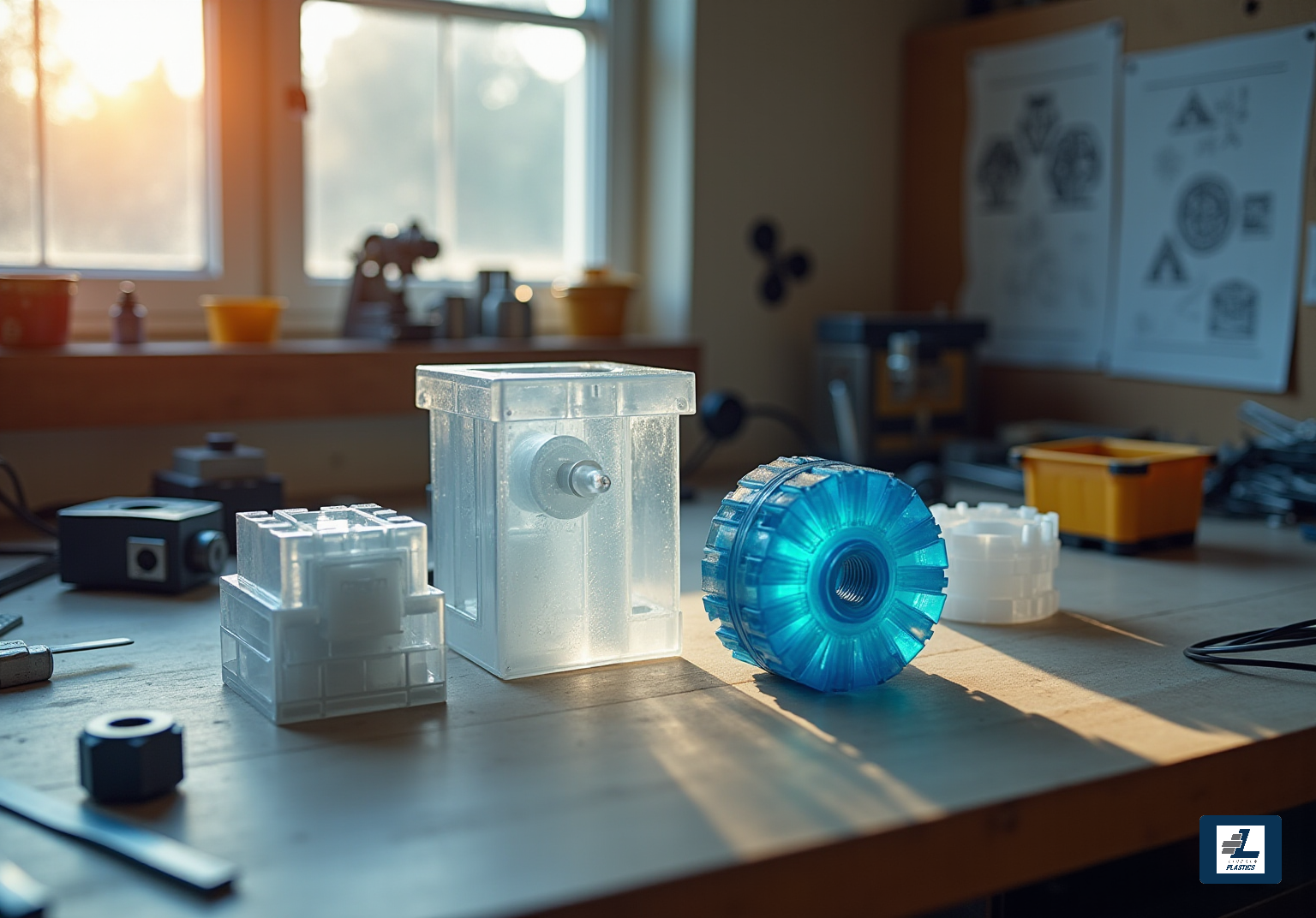
Core Plastic vs. Traditional Materials: Key Insights for OEMs
Introduction
You know, the world of manufacturing is buzzing with discussions about materials. Original Equipment Manufacturers (OEMs) are really weighing their options between innovative core plastics and the good old traditional materials like metals and wood. It’s a bit of a dilemma, right?
Let’s dive into what makes core polymers stand out. They’re lightweight and offer design flexibility, which is super important for industries that are all about efficiency and sustainability these days. But here’s the kicker: as these new materials gain popularity, OEMs are left wondering - are core plastics really the better choice? Or do they fall short when it comes to strength and temperature resistance?
Exploring these questions not only sheds light on the potential of core plastics but also brings to the forefront the challenges of integrating new materials into established manufacturing processes. So, what do you think? Are you ready to embrace the change?
Understand Core Plastic and Traditional Materials
Core polymers, often called engineered polymers, are synthetic materials crafted for specific performance traits. Think lightweight construction, durability, and resistance to environmental factors. Unlike traditional materials like metals, wood, and glass-those old reliable options that have stood the test of time-core polymers are gaining recognition for their unique advantages across various industries.
One standout feature of these essential polymers is their ability to be molded into intricate shapes. This opens the door to creative designs that traditional materials just can’t match. Sure, metals are known for their strength, but they come with their own set of challenges, like being heavy and prone to corrosion. On the flip side, core plastic materials strike a fantastic balance between strength and lightness, making them perfect for sectors like automotive and construction.
At Lincoln Plastics, we work hand-in-hand with OEMs to ensure our engineered materials meet all quality standards. We’re talking specific assessments for 'fit and function' here. We use various check gauges to make sure everything fits just right for its intended use. Plus, our solid quality system includes a dedicated quality book for each polymer profile, complete with drawings and critical in-process checks. This way, we ensure that what we deliver is exactly what our clients need.
Now, let’s talk trends. There’s a noticeable uptick in the market share for essential materials in OEM applications, and it’s all thanks to their performance benefits. By 2025, we expect a significant rise in demand for core plastic and engineered polymers as industries focus more on materials that boost efficiency and sustainability. High-performance polymers are becoming a go-to in automotive production for parts that need both strength and reduced weight, which helps improve fuel efficiency and cut down emissions.
Industry leaders are noticing that the shift towards engineered materials is part of a larger trend toward innovation and sustainability. As one expert put it, 'The integration of synthetic materials not only decreases weight but also improves design versatility, facilitating more efficient manufacturing processes.' This really highlights how essential polymers are being recognized as a viable alternative to traditional materials, especially in high-performance environments where durability and efficiency are key. Plus, engineered polymers lead to lighter devices that require less maintenance, reinforcing their advantages over conventional materials. And let’s not forget the environmental impact of metal manufacturing, which generates a lot of greenhouse gas emissions. Transitioning to engineered materials offers some serious sustainability perks. Oh, and we can easily source colors that match your Pantone specifications for consistency across manufacturers!

Explore Advantages of Core Plastic for OEM Applications
Core plastic materials offer significant advantages for OEM applications, making them a popular choice in the industry. Let’s dive into some of the key benefits:
-
Cost Efficiency: Core polymers typically come with a lower price tag compared to traditional materials. This means savings on both raw materials and processing costs. Who doesn’t love a budget-friendly option that helps keep project costs down?
-
Weight Reduction: These lightweight materials can really cut down on transportation costs and boost fuel efficiency, especially in the automotive sector. As the industry shifts towards lightweighting strategies to enhance performance and meet regulations, it’s crucial to consider these materials. Did you know the automotive lightweight materials market is expected to hit USD 47.32 billion by 2035? That’s a big deal!
-
Design Flexibility: Core materials can be molded into all sorts of shapes, allowing for creative designs that reduce the number of parts needed in a product. This not only simplifies assembly but also improves overall efficiency. How cool is that?
-
Corrosion Resistance: Unlike metals, core polymers resist corrosion naturally, making them perfect for tough environments. This durability means longer-lasting components and lower maintenance costs, which is definitely appealing for OEMs.
-
Thermal and Electrical Insulation: Many core polymers offer excellent thermal and electrical insulation properties. This is especially important in the automotive industry, where energy efficiency is key.
At Lincoln Plastics, we work hand-in-hand with OEMs to make sure our material solutions meet all quality standards. We’ve got a dedicated quality book for your material profile, complete with drawings, critical in-process checks, and run documentation. Plus, we use various check gauges to ensure everything fits just right. Industry experts highlight that "the drive for enhanced fuel efficiency and lower emissions is a major factor in the global market." This really emphasizes the need for lightweight materials such as core plastic to meet these demands.
With all these advantages, it’s clear that core plastic materials are a smart choice for OEMs looking to boost product performance while keeping costs in check. So, why not consider making the switch? It’s all about embracing innovative and sustainable materials!

Assess Limitations of Core Plastic in Manufacturing
While core plastic materials have their perks, they come with some notable downsides that OEMs really need to think about.
-
Strength Constraints: Let’s face it-core polymers often don’t stack up against metals when it comes to strength, especially in high-stress situations. This can be a deal-breaker for certain manufacturing needs.
-
Temperature Sensitivity: Many basic polymers can’t handle heat as well as traditional materials. Did you know some can start to deform at just 70 degrees Celsius? That’s a real concern in demanding environments where operational failures can happen.
-
Environmental Impact: Sure, many essential polymers are recyclable, but their production can seriously harm the environment if not done right. It’s pretty alarming that only 9% of synthetic materials get recycled! This highlights the environmental footprint of these materials and raises questions about their lifecycle, especially with stricter regulations on the horizon, like the EU’s expected standards for PET bottles by 2030.
-
UV Degradation: Exposure to UV light can break down certain essential materials over time. This means you might need protective coatings or treatments for outdoor applications. If you’re in a sunny area, this degradation can really affect the integrity and lifespan of your products.
-
Limited Aesthetic Choices: While you can customize the color and feel of fundamental polymers, they often lack the visual appeal of traditional materials like wood or glass. This can be a big deal for consumer-facing products where looks matter.
By keeping these limitations in mind, OEMs can make smarter choices about how they use core plastic in their manufacturing processes. And let’s not forget about the risks tied to core plastic, as product liability claims related to it can be some of the priciest lawsuits manufacturers face today, according to the International Risk Management Institute. So, it’s definitely worth considering all angles!

Compare Core Plastic and Traditional Materials: A Side-by-Side Analysis
Criteria | Core Plastics | Traditional Materials
------------------------------|---------------------------------------|---------------------------------------
Cost | You’ll find that core plastics usually come with lower overall costs. This means you can save a good chunk of change in the long run, thanks to less maintenance and longer lifespans. | On the flip side, traditional materials often hit you with higher initial costs. Plus, you might end up spending more over time due to maintenance needs.
Weight | One of the best things about core plastics? They’re lightweight! This not only cuts down on transport costs but also boosts fuel efficiency in logistics. | Traditional materials tend to be heavier, which can lead to higher transport costs and lower fuel efficiency.
Strength | Core plastics have decent strength, especially with modern upgrades like fiber reinforcement. However, they generally don’t match the strength of metals. | Traditional materials, particularly metals, are known for their high strength, making them perfect for high-stress applications.
Corrosion Resistance | When it comes to corrosion resistance, core plastics shine. They’re great for harsh environments where other materials might struggle. | Traditional materials can vary here; metals might corrode, but some ceramics offer better resistance.
Design Flexibility | If you’re into design, core plastics are highly moldable. They allow for complex shapes that can be tough to achieve with traditional materials. | Traditional materials have limited design flexibility due to their inherent properties, which can restrict those intricate shapes.
Thermal Resistance | Now, let’s talk thermal resistance. Many plastics don’t hold up as well as metals in high-temperature situations, which can limit their use. | Traditional materials, especially ceramics, generally have higher thermal resistance, making them a go-to for heat-intensive applications.
Environmental Impact | Core plastics can be recycled, but keep in mind that their production processes might have some environmental impacts. The good news? Recycling technologies are getting better all the time. | Traditional materials vary widely; some offer more sustainable options, while others can have significant environmental impacts.
Aesthetic Appeal | Aesthetic options for core plastics might be a bit limited compared to traditional materials. However, finishes and coatings can enhance their look. | Traditional materials, especially wood and glass, often have high aesthetic value, which is crucial for applications where appearance matters.

Conclusion
Core plastics are really stepping up as a strong alternative to traditional materials. They offer a mix of lightweight construction, durability, and design flexibility that can be a game-changer for OEMs. But this shift isn’t just about being innovative; it’s about choosing materials that boost efficiency and sustainability in manufacturing processes.
Let’s dive into some of the key perks of core plastics. They’re cost-efficient, reduce weight, resist corrosion, and offer great design versatility. You can mold them into complex shapes, which opens up a world of creativity and simplifies assembly. That said, it’s important to keep in mind their limitations, like strength constraints and temperature sensitivity, which might impact their suitability for certain applications.
So, when it comes to deciding whether to go with core plastics or stick with traditional materials, it’s all about understanding both the benefits and the drawbacks. As industries focus more on efficiency and sustainability, exploring core plastics could lead to innovative solutions that not only meet today’s demands but also help pave the way for a greener future in manufacturing. Embracing these materials might just be the next step toward achieving better product performance and being more environmentally responsible.
Frequently Asked Questions
What are core polymers and how do they differ from traditional materials?
Core polymers, also known as engineered polymers, are synthetic materials designed for specific performance traits such as lightweight construction, durability, and environmental resistance. Unlike traditional materials like metals, wood, and glass, core polymers offer unique advantages, including the ability to be molded into intricate shapes.
What are the advantages of using core plastic materials?
Core plastic materials provide a balance between strength and lightness, making them ideal for industries like automotive and construction. They allow for creative designs that traditional materials cannot achieve and help improve fuel efficiency while reducing emissions.
How does Lincoln Plastics ensure the quality of its engineered materials?
Lincoln Plastics collaborates with OEMs to ensure that their engineered materials meet quality standards through specific assessments for 'fit and function.' They utilize various check gauges and maintain a dedicated quality book for each polymer profile, which includes drawings and critical in-process checks.
What trends are emerging in the use of core plastic and engineered polymers?
There is a growing market share for core plastic and engineered polymers in OEM applications, driven by their performance benefits. By 2025, demand is expected to rise as industries prioritize materials that enhance efficiency and sustainability.
How do engineered polymers contribute to sustainability?
Engineered polymers help reduce weight in devices, leading to lower greenhouse gas emissions during manufacturing compared to metals. This transition to synthetic materials not only improves design versatility but also supports more efficient manufacturing processes, reinforcing their sustainability advantages.
Can core plastics be customized for specific design needs?
Yes, core plastics can be easily sourced in colors that match Pantone specifications, ensuring consistency across manufacturers and allowing for tailored designs to meet specific requirements.
List of Sources
- Understand Core Plastic and Traditional Materials
- Advantages of Using Engineering Plastics Over Metals in Modern Engineering (https://peuhmwplastic.com/company-news/advantages-of-using-engineering-plastics-over-metals-in-modern-engineering)
- Products that Benefit from Metal to Plastic Conversions (https://pexco.com/products-that-benefit-from-metal-to-plastic-conversions)
- Analyzing the Application of Metal and PPSU Plastic Products in Various Sectors (https://pipelife.com/service/news-and-projects/2024/analyzing-the-application-of-metal-and-ppsu-plastic-products-in-various-sectors.html)
- 5 Plastics That Outperform Metal | Eagle Plastics (https://eagle-plastics.com/2025/09/top-5-plastics-vs-metals)
- Global projections of plastic use, end-of-life fate and potential changes in consumption, reduction, recycling and replacement with bioplastics to 2050 (https://sciencedirect.com/science/article/pii/S2352550924002823)
- Explore Advantages of Core Plastic for OEM Applications
- Plastics vs. Traditional Options for Modern Manufacturing | Piedmont Plastics (https://piedmontplastics.com/blog/plastics-vs-other-materials?srsltid=AfmBOopv9qVzUUSdnCBYw0kluIXpputXbYOpVmFwEJPdRuNaisKmWWRJ)
- Driving Efficiency Exploring Lightweight Materials in Automotive Applications (https://rpworld.com/en/resources/blog/driving-efficiency-exploring-lightweight-materials-in-automotive-applications.html)
- Industry Voices | Automotive OEMs’ Best Lightweighting Practices (https://wardsauto.com/news/industry-voices-automotive-oems-best-lightweighting-practices/798904)
- Automotive Lightweight Material Market Statistics - 2035 (https://factmr.com/report/3423/automotive-lightweight-material-market)
- Automotive Lightweight Materials Market Size, Share & Growth Report 2033 (https://straitsresearch.com/report/automotive-lightweight-materials-market)
- Assess Limitations of Core Plastic in Manufacturing
- The 5 Biggest Risks Facing Plastic Producers in 2025–And How to Insure Against Them (https://bakerhopp.com/the-5-biggest-risks-facing-plastic-producers-in-2025-and-how-to-insure-against-them)
- Global plastic talks collapse as countries remain deeply divided (https://bbc.com/news/articles/cvgpddpldleo)
- Analysis: What can break the global deadlock over plastics? (https://reuters.com/sustainability/climate-energy/analysis-what-can-break-global-deadlock-over-plastics-2025-08-20)
- Plastics Manufacturing At Crossroads: Pivot To Lead Or Lose (https://forbes.com/sites/trondarneundheim/2025/08/16/plastics-manufacturing-at-crossroads-pivot-to-lead-or-lose)
- ‘Total infiltration’: How plastics industry swamped vital global treaty talks (https://theguardian.com/environment/2025/jul/23/total-infiltration-how-plastics-industry-swamped-vital-global-treaty-talks)
- Compare Core Plastic and Traditional Materials: A Side-by-Side Analysis
- US plastics shipments, jobs to fall in 2025 - trade group (https://icis.com/explore/resources/news/2025/09/16/11138211/us-plastics-shipments-jobs-to-fall-in-2025-trade-group)
- Green Materials in Cars Strategic Analysis Report 2025 | OEMs Innovate with Recycled Plastics and Metals as Sustainable Material Solutions - ResearchAndMarkets.com (https://businesswire.com/news/home/20250701809958/en/Green-Materials-in-Cars-Strategic-Analysis-Report-2025-OEMs-Innovate-with-Recycled-Plastics-and-Metals-as-Sustainable-Material-Solutions---ResearchAndMarkets.com)
- Plastics vs. Traditional Options for Modern Manufacturing | Piedmont Plastics (https://piedmontplastics.com/blog/plastics-vs-other-materials?srsltid=AfmBOoot4aHYP51Mxx9N-pMw3rELotk0qWwn8zPigO1B-A7naBycSTc3)
Related posts

Why Custom Pipe Extrusion Matters More Than Ever
Standard pipe sizes don’t always work. Learn how Lincoln Plastics delivers custom diameters, wall thicknesses, and finishes in right-sized runs.


Reducing Trip Hazards with Custom Cord Management
Loose cords are more than messy — they’re a safety hazard. Lincoln Plastics’ custom cord covers and Flexiduct solutions improve safety and efficiency.
The Power of Custom Plastic Profiles for OEMs
Off-the-shelf profiles force compromises. Learn how Lincoln Plastics designs custom extruded profiles for OEMs with exact specs and right-sized runs.
