
Comparing PL Plastics and Traditional Materials for OEM Needs
Introduction
In the competitive world of manufacturing, the choice of materials can make or break operational success. PL plastics offer unique properties such as flexibility, durability, and economic efficiency, presenting compelling advantages for OEM applications across various industries. Yet, traditional materials such as metal and glass continue to excel in strength and aesthetic appeal. Navigating the complexities of material selection can be daunting for OEMs, especially with the evolving landscape of manufacturing. What strategies can they employ to stay ahead?
Explore the Unique Properties of PL Plastics
Are you seeking materials that combine performance with cost-effectiveness for your OEM applications? PL polymers, particularly those employed in extrusion processes, offer unique characteristics that make them highly suitable for OEM uses. Key attributes include:
- Flexibility: PL plastics can be engineered for varying degrees of flexibility, making them ideal for applications that require bending or shaping without risk of breakage.
- Durability: Many PL plastics exhibit resistance to impact, chemicals, and UV light, ensuring their longevity even in demanding environments.
- Economic Efficiency: The creation of PL plastics generally entails lower material expenses and quicker manufacturing processes compared to conventional materials, leading to decreased overall expenditures for OEMs.
- Customization: These PL plastics can be tailored in terms of color, texture, and mechanical properties, allowing for bespoke solutions that meet specific client needs.
- Lightweight: Compared to metals and glass, PL plastics are considerably lighter, which can help reduce shipping expenses and enable simpler handling during installation.
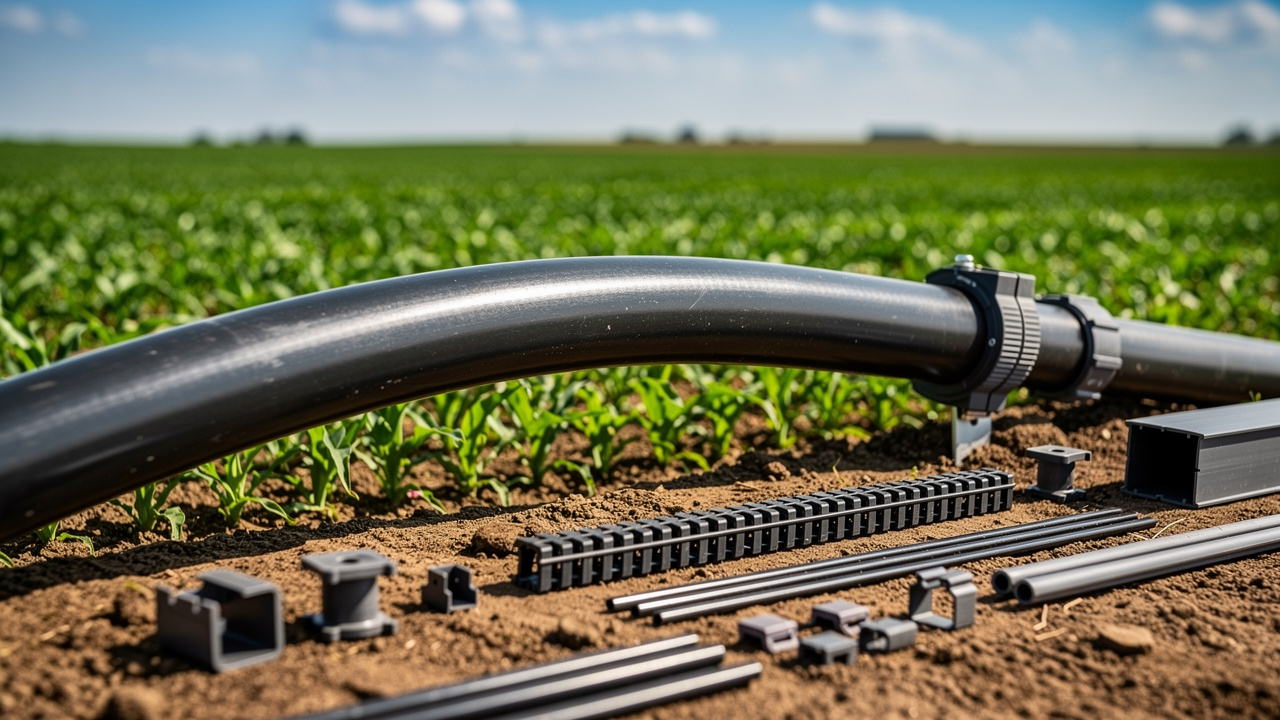
With these attributes, how can PL materials transform your OEM applications, from agricultural equipment to cable management systems? For instance, Lincoln Plastics' custom cord covers and Flexiduct solutions not only enhance workplace safety by reducing trip hazards but also improve operational efficiency. The flexibility and durability of PL materials enable the creation of robust irrigation systems that withstand harsh environmental conditions, enhancing reliability and productivity. In addition, Lincoln Plastics is ISO 9001:2015 certified, reinforcing its dedication to quality management and customer satisfaction. With a strategic location in Lincoln, Nebraska, the company ensures quick order turnaround and efficient logistics, making it an ideal partner for OEMs. According to industry analysts, "the global engineering polymers market is poised for sustained growth, driven by rising demand across automotive, electrical, electronics, and industrial sectors." This growth underscores the increasing relevance of PL plastics in addressing the evolving needs of OEMs. As the demand for innovative solutions grows, choosing PL materials could be the key to staying ahead in your industry.

Understand the Characteristics of Traditional Materials
In the ever-evolving landscape of manufacturing, traditional materials like metal, glass, and wood have their strengths, but they often fall short in meeting modern demands. Each material offers distinct characteristics that have long been foundational in the industry:
- Strength: Metals like steel and aluminum provide high tensile strength, making them ideal for structural applications where robustness is critical.
- Durability: Both glass and metals exhibit excellent resistance to wear and tear, ensuring longevity across various environments.
- Aesthetic Appeal: Wood and glass contribute a natural aesthetic that is often favored in consumer products, enhancing visual appeal.
- Thermal Conductivity: Metals are especially efficient in scenarios requiring heat dissipation, such as automotive and electronic components.
However, traditional materials struggle to keep pace with the evolving needs of OEM applications. They present several drawbacks:
- Weight: Metals and glass are considerably heavier than PL plastics, which can lead to increased shipping and handling costs.
- Expense: The creation and handling of conventional resources tend to be more costly, particularly for tailored uses, affecting overall project budgets.
- Limited Flexibility: Unlike PL polymers, conventional substances often lack the capacity for easy molding into complex shapes without extensive machining, restricting design possibilities.
These traits emphasize the difficulties conventional substances encounter in satisfying the changing requirements of OEM uses, showcasing the benefits that PL plastics can provide in terms of efficiency, cost-effectiveness, and design adaptability. At Lincoln Plastics, we are proud to be ISO 9001:2015 certified, reinforcing our commitment to rigorous quality management. Our strategic location in Lincoln, Nebraska, enables quick order turnaround and efficient logistics, including less-than-truckload shipping and international delivery. Reach out to Lincoln Plastics today to discover how our tailored solutions can elevate your projects to new heights of quality and efficiency.

Compare Advantages and Disadvantages of PL Plastics and Traditional Materials
In the competitive landscape of manufacturing, choosing the right materials can make all the difference in operational efficiency and cost-effectiveness. Let’s take a closer look at how PL plastics stack up against traditional materials:
- Weight:
PL Plastics - Lightweight, reducing shipping costs
Traditional Materials - Heavier, increasing shipping and handling costs - Cost:
PL Plastics - Generally lower production costs, with potential savings of 25-50% when switching from metal
Traditional Materials - Higher material and processing costs - Flexibility:
PL Plastics - Highly customizable and flexible, allowing for tailored solutions
Traditional Materials - Limited flexibility, often requiring machining - Durability:
PL Plastics - Resistant to impact and chemicals, with lower corrosion risk
Traditional Materials - Durable but can be prone to corrosion (metals) - Thermal Conductivity:
PL Plastics - Insulating properties, suitable for various applications
Traditional Materials - Excellent thermal conductors (metals) - Aesthetic Appeal:
PL Plastics - Can be customized for various finishes, enhancing product design
Traditional Materials - Natural aesthetics (wood, glass) - Environmental Impact:
PL Plastics - Designed for recyclability, with lower greenhouse gas emissions compared to alternatives
Traditional Materials - Often less sustainable, depending on sourcing
While traditional materials have their strengths, PL plastics present significant advantages in cost, weight, and flexibility. Traditional materials can lead to increased costs and operational challenges. By transitioning to PL plastics, companies can achieve significant cost savings and improved operational efficiency, particularly in sectors such as agriculture and office management. Embracing PL plastics not only streamlines production but also positions your business for sustainable growth in a rapidly evolving market.

Evaluate Applications and Suitability for OEM Needs
In a rapidly evolving manufacturing landscape, the choice of materials can make or break an OEM's success. PL plastics are recognized for their versatility and reliability, making them a preferred choice in various applications.
- Agricultural Equipment: Think about how PL plastics play a crucial role in making irrigation pipes and fittings work effectively, where their flexibility and durability are essential for efficient water management in farming.
- Cable Management Systems: The Flexiduct brand exemplifies innovative solutions for organizing and protecting cables. By utilizing PL plastics, which are lightweight and customizable, installation efficiency and adaptability are significantly enhanced.
- Custom Profiles: OEMs looking for custom solutions will find that these materials fit the bill perfectly, whether for protective covers or housings that meet unique operational demands.
On the other hand, traditional materials have their place but come with limitations.
- Structural Components: Metals are typically employed in applications requiring high strength, such as automotive frames and heavy machinery, where durability is paramount.
- Consumer Products: Wood and glass are preferred for aesthetic uses, including furniture and decorative items, where visual appeal is essential.
- Heat Sinks: Metals are commonly used in electronic devices due to their superior thermal conductivity, making them suitable for managing heat dissipation.
Many OEMs struggle with the limitations of traditional materials, which often fail to meet specific operational demands. By opting for PL plastics, OEMs can enhance their product performance and reduce costs, ultimately leading to greater market competitiveness. Choosing PL plastics not only addresses operational challenges but also positions OEMs for future growth and innovation.

Conclusion
PL plastics are revolutionizing OEM applications, offering unmatched performance and cost advantages that traditional materials simply can't match. By harnessing the unique properties of PL plastics, businesses can significantly boost their operational efficiency while effectively addressing their project needs.
The advantages of PL plastics over traditional materials are clear: their lightweight nature, lower production costs, and superior flexibility. These features not only simplify handling and shipping but also enable customized solutions tailored to diverse operational demands. In contrast, traditional materials, while strong and durable, often limit operational flexibility and inflate costs, posing challenges for modern manufacturers.
As industries look for innovative solutions, the move towards PL plastics is a smart strategy for sustainability and performance. Embracing these materials not only meets current demands but also positions businesses for future success in a competitive market. For those eager to explore tailored solutions, reaching out to Lincoln Plastics can provide valuable insights and support in navigating this transition, ensuring that projects are executed with the highest standards of quality and efficiency.
Frequently Asked Questions
What are the key properties of PL plastics that make them suitable for OEM applications?
PL plastics offer several unique properties including flexibility, durability, economic efficiency, customization, and lightweight characteristics, making them ideal for various OEM applications.
How does flexibility benefit PL plastics in OEM applications?
PL plastics can be engineered for varying degrees of flexibility, allowing them to bend or shape without breaking, which is essential for applications that require such features.
What makes PL plastics durable?
Many PL plastics are resistant to impact, chemicals, and UV light, ensuring they maintain their integrity and longevity even in demanding environments.
How do PL plastics contribute to economic efficiency for OEMs?
The production of PL plastics generally involves lower material costs and faster manufacturing processes compared to traditional materials, resulting in reduced overall expenses for OEMs.
Can PL plastics be customized for specific needs?
Yes, PL plastics can be tailored in terms of color, texture, and mechanical properties, allowing for bespoke solutions that meet specific client requirements.
What advantage do PL plastics have in terms of weight compared to other materials?
PL plastics are significantly lighter than metals and glass, which can help lower shipping costs and facilitate easier handling during installation.
How can PL materials enhance safety and efficiency in workplace applications?
Products like Lincoln Plastics' custom cord covers and Flexiduct solutions improve workplace safety by reducing trip hazards and enhance operational efficiency through their robust design.
What industries are driving the growth of the global engineering polymers market?
The automotive, electrical, electronics, and industrial sectors are contributing to the sustained growth of the global engineering polymers market, highlighting the increasing relevance of PL plastics.
What certification does Lincoln Plastics hold that reflects its commitment to quality?
Lincoln Plastics is ISO 9001:2015 certified, demonstrating its dedication to quality management and customer satisfaction.
Where is Lincoln Plastics located, and how does this benefit its logistics?
Lincoln Plastics is strategically located in Lincoln, Nebraska, which enables quick order turnaround and efficient logistics, including less-than-truckload shipping and international delivery.
How can potential customers get in touch with Lincoln Plastics for tailored solutions?
Interested customers are encouraged to contact Lincoln Plastics experts for quotes or to discuss tailor-made solutions that meet their specific needs.
List of Sources
- Explore the Unique Properties of PL Plastics
- U.S. Plastics Industry Helps Power $1.1 Trillion in Economic Output, Making Products that Support Nearly 5 Million American Jobs - America's Plastic Makers (https://plasticmakers.org/news/us-plastics-industry-help-power-economic-output)
- fortunebusinessinsights.com (https://fortunebusinessinsights.com/plastics-market-102176)
- Plastic Waste Factsheet (https://css.umich.edu/publications/factsheets/material-resources/plastic-waste-factsheet)
- Engineering Plastics Market Share & Opportunities 2026-2033 (https://coherentmarketinsights.com/market-insight/engineering-plastics-market-2162)
- Plastic Properties Table (https://curbellplastics.com/resource-library/material-selection-tools/plastic-properties-table?srsltid=AfmBOoqVhOgKuMCV1qfYLhuK6xjcbEZ8RkY-gHJ2EwtgZ3sMegpT3z_0)
- Understand the Characteristics of Traditional Materials
- Extreme Heat Increases Strength of Pure Metals (https://mccormick.northwestern.edu/news/articles/2026/02/extreme-heat-increases-strength-of-pure-metals)
- 50 Manufacturing Statistics That Will Shape the Industry in 2025 | E-Business International (https://e-bi.com/50-manufacturing-statistics-that-will-shape-the-industry-in-2025)
- 2026 Manufacturing Industry Predictions | KRS CPAs, LLC | Accountants & Advisors (https://krscpas.com/2026-manufacturing-industry-predictions)
- 2026 Manufacturing Industry Outlook (https://deloitte.com/us/en/insights/industry/manufacturing-industrial-products/manufacturing-industry-outlook.html)
- Why OEMs Are Rethinking Metal in Favor of Plastic (https://gemstarmfg.com/education/rethinking-metal-in-favor-of-plastic)
- Compare Advantages and Disadvantages of PL Plastics and Traditional Materials
- The Cost and Performance Benefits of Switching From Metal to Plastic Parts | ManufacturingTomorrow (https://manufacturingtomorrow.com/article/2018/11/the-cost-and-performance-benefits-of-switching-from-metal-to-plastic-parts/12494)
- Plastic packaging compares to alternative materials | ExxonMobil (https://corporate.exxonmobil.com/what-we-do/materials-for-modern-living/how-popular-plastic-packaging-compares-to-alternative-materials)
- Transparent Plastic vs. Traditional Materials: Key Benefits for OEMs (https://lincoln-plastics.com/news-post/transparent-plastic-vs-traditional-materials-key-benefits-for-oems?dcc2137a_page=2)
- The Cost, Weight, and Performance Case for Metal to Plastic Parts in OEM Programs | Thogus | Family-Owned High Volume Injection Molding Manufacturer for Ohio and Beyond (https://thogus.com/blog/post/the-cost-weight-and-performance-case-for-metal-to-plastic-parts-in-oem-programs)
- Evaluate Applications and Suitability for OEM Needs
- Plastics can be used more sustainably in agriculture - Communications Earth & Environment (https://nature.com/articles/s43247-023-00982-4)
- How Emerging Trends & Innovations Are Shaping The Cable Management Industry - Netceed US (https://netceed.com/us/news/how-emerging-trends-innovations-are-shaping-the-cable-management-industry)
- Plastics in Agriculture | Climate change | Food and Agriculture Organization of the United Nations (https://fao.org/climate-change/thematic-areas/plastics-in-agriculture/en)
- Plastic vs metal cable management for solar installations: performance, durability, and compliance (https://essentracomponents.com/en-gb/news/solutions/wire-cable/plastic-vs-metal-cable-management-for-solar-installations-performance-durability-and-compliance)
- Key Applications of Engineering Plastics in Farming and Agriculture (https://nep.net.au/blog/28-key-applications-of-engineering-plastics-in-farming-and-agriculture)
Related posts

Why Custom Pipe Extrusion Matters More Than Ever
Standard pipe sizes don’t always work. Learn how Lincoln Plastics delivers custom diameters, wall thicknesses, and finishes in right-sized runs.


Reducing Trip Hazards with Custom Cord Management
Loose cords are more than messy — they’re a safety hazard. Lincoln Plastics’ custom cord covers and Flexiduct solutions improve safety and efficiency.
The Power of Custom Plastic Profiles for OEMs
Off-the-shelf profiles force compromises. Learn how Lincoln Plastics designs custom extruded profiles for OEMs with exact specs and right-sized runs.
