
Compare Types of Extrusion Molding: Key Features and Insights
Introduction
In the realm of modern manufacturing, extrusion molding stands as a pivotal process, transforming raw plastic into a diverse range of products with remarkable efficiency. Manufacturers often struggle to choose the right extrusion method due to the variety of options available. By grasping the nuances of each method, manufacturers can streamline production and achieve their goals more effectively.
Let’s explore the key features, benefits, and challenges of different extrusion molding types together, as these insights can enhance decision-making and drive success in production endeavors.
Understand Extrusion Molding: Definitions and Processes
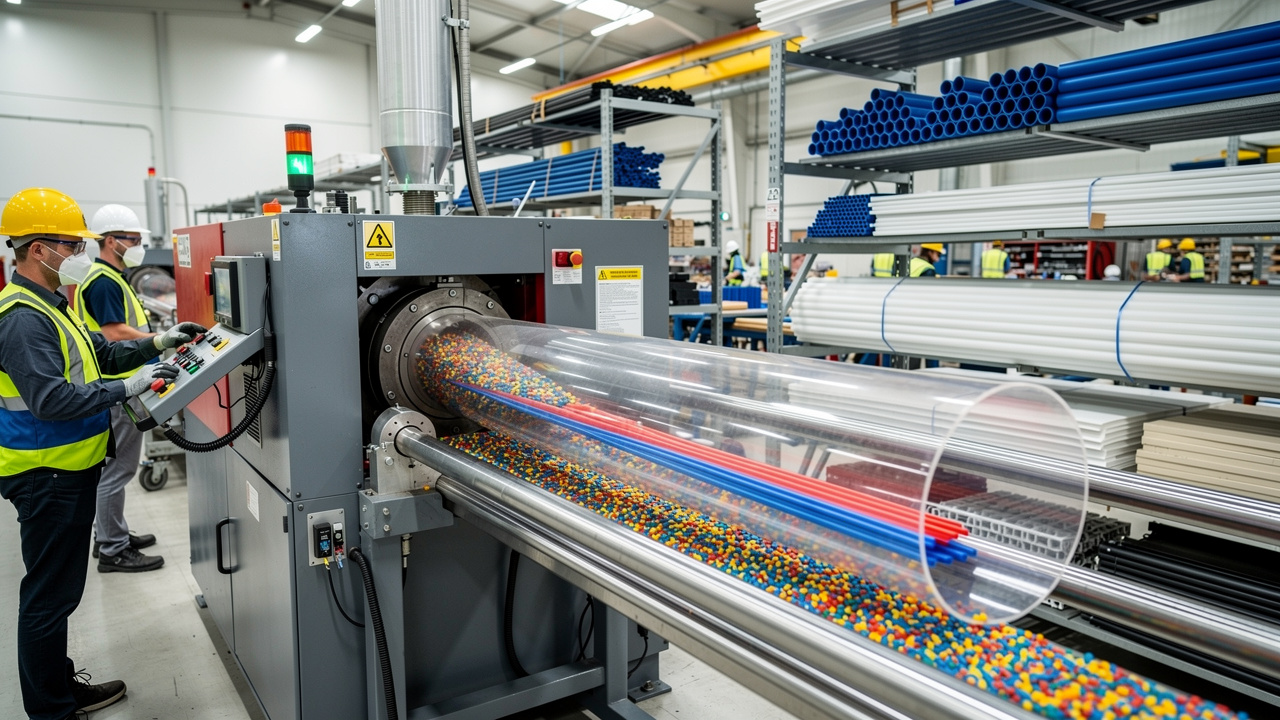
Extrusion molding stands as a pivotal manufacturing technique, transforming raw plastic into versatile products with precision and efficiency. This method excels at producing items such as pipes, tubes, and various profiles used in industrial applications, including OEM irrigation solutions and cable management options provided by Lincoln Plastics. With the capability to produce parts that are 100 to 1000 feet long, extrusion molding is ideal for large-scale production.
The primary types of extrusion processes include:
- Single-Screw Extrusion: The most common method, where a single screw conveys the material through the barrel and die. It is known for its simplicity and efficiency in producing a wide range of products.
- Twin-Screw Extrusion: One of the types of extrusion molding that employs two interlocking screws, enabling improved mixing and compounding of substances. This method is particularly beneficial for applications requiring uniformity and the incorporation of additives.
- Co-Extrusion: Involves the simultaneous shaping of two or more materials using types of extrusion molding to create products with varied properties, such as enhanced durability or aesthetic appeal.
However, while profile molding offers benefits like low costs and recycling capabilities, it also presents challenges that can impact production. Common issues include interrupted melt output and surging, which can affect consistency. Understanding these processes and their related challenges is essential for assessing the appropriateness of various forming types for particular uses. By mastering these processes, you can ensure optimal performance in your applications. Furthermore, Lincoln Plastics offers expert advice on custom pipe and tube design optimization, material selection, and vendor-managed inventory (VMI) solutions, ensuring that items meet specific requirements. The typical lifespan of plastic items is approximately 10 years, but certain uses, such as pipe installations, can endure between 50 to 100 years, emphasizing the long-lasting benefits of molded products.

Explore Different Types of Extrusion Molding: Characteristics and Applications
In the world of manufacturing, selecting the right extrusion molding technique is paramount for achieving precision and reliability. Different types of extrusion molding cater to diverse industrial needs, each with unique characteristics:
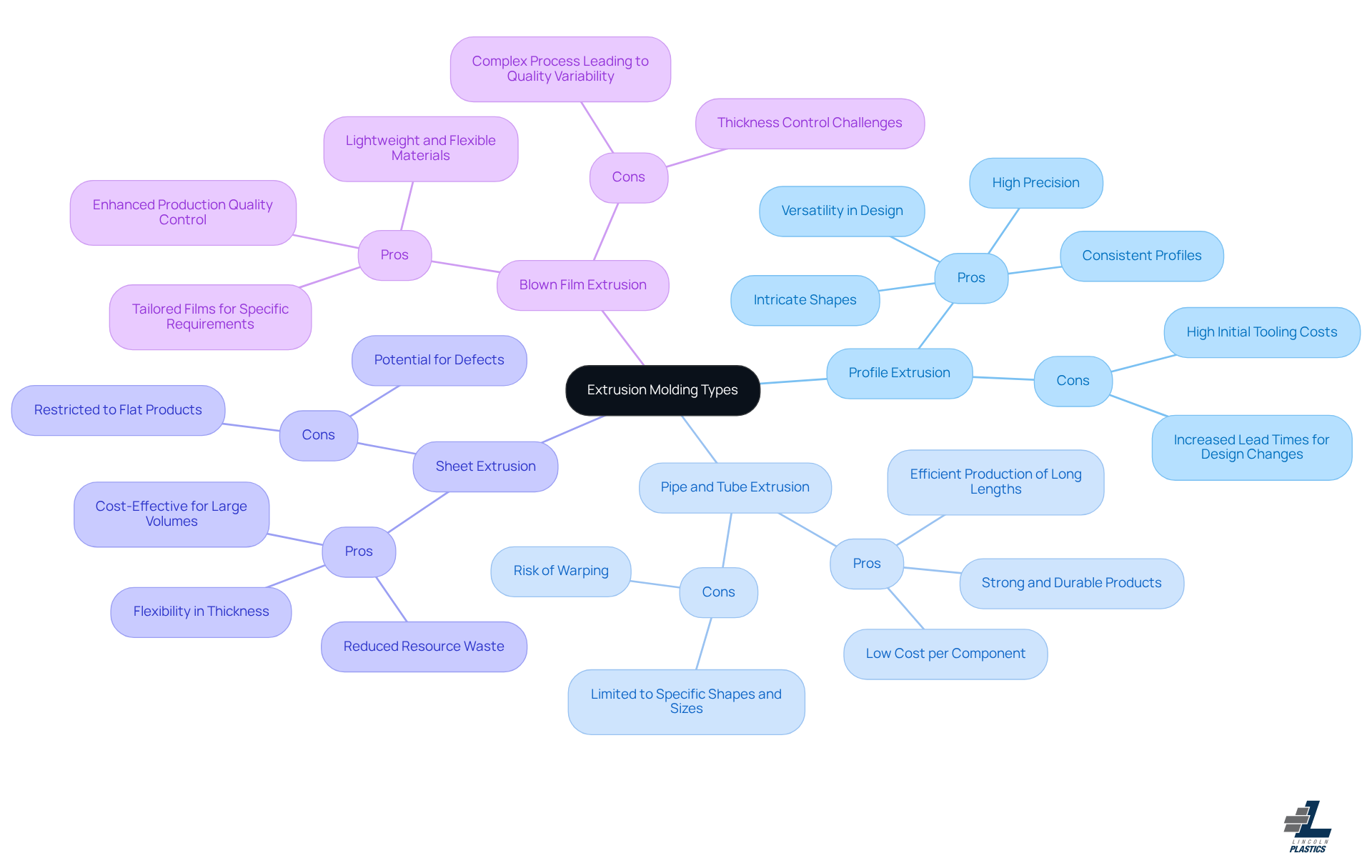
- Profile Extrusion: This method is utilized to create complex shapes such as window frames and electrical conduits. It is particularly effective for producing long lengths of substance with consistent cross-sections. This precision makes it ideal for applications requiring uniformity.
- Pipe and Tube Extrusion: Specifically designed for manufacturing pipes and tubes, this type is crucial in plumbing and irrigation systems. It emphasizes durability and pressure resistance, addressing the growing market demand for reliable irrigation solutions in agriculture. Can your current systems withstand high pressures for effective water management?
- Sheet Extrusion: This process produces flat sheets of plastic, which can be further processed into products like packaging materials or structural components. The versatility of sheet extrusion allows for a wide range of applications across various industries.
- Blown Film Extrusion: A technique for creating thin plastic films, commonly used in packaging applications. This process enables the production of flexible materials with varying thicknesses, catering to the needs of the packaging sector.
Choosing the appropriate types of extrusion molding enhances product quality and ensures operational efficiency in meeting market demands.

Evaluate Pros and Cons of Each Extrusion Molding Type
When it comes to extrusion molding, understanding the advantages and limitations of each type is essential for optimizing production efficiency:
- Profile Extrusion:
Pros: This method allows for intricate shapes, boosting both functionality and aesthetic appeal. It offers high precision in shape and versatility in design, making it ideal for long production runs. The precise design of extrusion tools leads to consistent and defect-free profiles, significantly enhancing overall production performance. Lincoln Plastics collaborates closely with OEMs to ensure items meet all quality standards, including special checks for 'fit and function.'
Cons: However, have you considered the financial implications of initial tooling costs? Design changes may necessitate new dies, leading to increased lead times and costs. - Pipe and Tube Extrusion:
Pros: This approach facilitates efficient production of long lengths, resulting in strong and durable products that meet specific pressure ratings. It's particularly beneficial in sectors like agriculture, where robust irrigation systems are crucial. The ability to produce large quantities at a low cost per component makes this method attractive for OEMs. Lincoln Plastics ensures that conduits produced meet various electrical and specialty plastic applications, maintaining compliance with industry standards.
Cons: On the downside, this method is limited to specific shapes and sizes, with a risk of warping if the cooling process isn't managed properly, which can affect product integrity. - Sheet Extrusion:
Pros: This method is cost-effective for large volumes, offering flexibility in thickness and ease of further processing. It's perfect for applications requiring uniform sheets, such as packaging and building supplies. Optimized flow distributions in production processes can reduce resource waste, lowering costs and environmental impact. Lincoln Plastics can easily source colors that meet Pantone specifications for consistency across manufacturers.
Cons: However, it is restricted to flat products, and potential defects can arise if the extrusion process isn't closely monitored, impacting overall quality. - Blown Film Extrusion:
Pros: This method produces lightweight and flexible materials, suitable for various packaging applications. It enables the creation of films tailored to specific requirements, enhancing usability. The introduction of automation into simulation processes has provided significant advantages, allowing for better control over production quality. Lincoln Plastics employs a robust quality system that includes critical in-process checks and run documentation to ensure compliance with specifications.
Cons: The complexity of the process can lead to variability in quality, necessitating careful control of thickness to ensure consistency.
Understanding these factors is vital for producers to align their production processes with their operational goals. This knowledge enables OEM purchasing managers to make informed decisions that improve supplier reliability and manage costs effectively. Ultimately, a thorough understanding of these extrusion processes can transform procurement strategies and enhance operational success.
Determine Key Factors for Selecting the Right Extrusion Molding Type
Choosing the right types of extrusion molding method is crucial for achieving optimal product performance and efficiency. Several key factors must be carefully considered:
- Material Compatibility: Different extrusion methods are optimized for specific materials. For instance, PVC is commonly used in pipe shaping because of its durability, whereas polyethylene is favored for blown film applications, which demand flexibility and strength.
- Production Volume: High-volume production scenarios often benefit from profile or pipe shaping techniques, which are engineered for efficiency and rapid output, making them ideal for large-scale manufacturing.
- Product Complexity: The intricacy of the desired product shape significantly influences the selection of manufacturing method. Profile shaping excels in creating intricate designs, while simpler forms can be efficiently produced using pipe shaping techniques.
- Cost Considerations: Assessing initial tooling expenses, material costs, and overall production efficiency is crucial for identifying the most economical shaping technique. This analysis helps in optimizing budget allocations and maximizing return on investment.
- End-Use Requirements: Understanding the final application of the product-such as necessary strength, flexibility, and resistance to environmental factors-is crucial in selecting the right extrusion type. This ensures that the final outcome of the types of extrusion molding meets performance standards and customer expectations.
Choosing wisely is essential; failure to select the right method can lead to inefficiencies and increased costs. When manufacturers take the time to assess these factors, they not only align with their operational needs but also ensure that their products meet the highest standards of quality and efficiency.

Conclusion
Understanding the nuances of extrusion molding is crucial for manufacturers aiming to optimize their production processes. Extrusion molding is a vital manufacturing technique that plays a significant role in producing a wide range of plastic products. By understanding the different types of extrusion processes - such as single-screw, twin-screw, and co-extrusion - manufacturers can select the most suitable method for their specific applications. Each technique has its own advantages and challenges. It's essential to consider factors like material compatibility, production volume, and product complexity when making your decision.
The article delves into the unique characteristics and applications of various extrusion molding types, including:
- Profile
- Pipe and tube
- Sheet
- Blown film extrusion
Each method presents its own set of pros and cons, influencing the overall efficiency and quality of production. For instance, while profile extrusion allows for intricate designs, it may come with higher initial tooling costs. Conversely, pipe and tube extrusion is ideal for durability but can be limited in shape variations.
Ultimately, the method you choose for extrusion molding can make a big difference in how well your products perform and how efficiently you operate. By thoroughly evaluating the key factors outlined, have you considered how you can align your production processes with your goals and meet industry standards? Embracing the right extrusion technique not only enhances product quality but also drives product excellence and positions your business for future growth and sustainability.
Frequently Asked Questions
What is extrusion molding?
Extrusion molding is a manufacturing technique that transforms raw plastic into versatile products with precision and efficiency, commonly used to produce items like pipes, tubes, and various profiles.
What are the primary types of extrusion processes?
The primary types of extrusion processes include Single-Screw Extrusion, Twin-Screw Extrusion, and Co-Extrusion.
What is Single-Screw Extrusion?
Single-Screw Extrusion is the most common method where a single screw conveys the material through the barrel and die, known for its simplicity and efficiency in producing a wide range of products.
How does Twin-Screw Extrusion differ from Single-Screw Extrusion?
Twin-Screw Extrusion employs two interlocking screws, allowing for improved mixing and compounding of substances, which is particularly beneficial for applications requiring uniformity and the incorporation of additives.
What is Co-Extrusion?
Co-Extrusion involves the simultaneous shaping of two or more materials to create products with varied properties, such as enhanced durability or aesthetic appeal.
What are some challenges associated with extrusion molding?
Common challenges include interrupted melt output and surging, which can affect the consistency of production.
How long do plastic items produced by extrusion molding typically last?
The typical lifespan of plastic items is approximately 10 years, but certain applications, like pipe installations, can last between 50 to 100 years.
What services does Lincoln Plastics offer related to extrusion molding?
Lincoln Plastics provides expert advice on custom pipe and tube design optimization, material selection, and vendor-managed inventory (VMI) solutions to ensure that products meet specific requirements.
List of Sources
- Understand Extrusion Molding: Definitions and Processes
- xometry.com (https://xometry.com/resources/extrusion/extrusion-molding)
- extrusion-info.com (https://extrusion-info.com/news)
- Explore Different Types of Extrusion Molding: Characteristics and Applications
- ptonline.com (https://ptonline.com/topics/pipe-extrusion)
- databridgemarketresearch.com (https://databridgemarketresearch.com/reports/global-extrusion-machinery-market?srsltid=AfmBOori76DkRJkSARPlR1WxPvQWlBEghEeIdn36PKhc_CVNp1DC6qVY)
- coherentmarketinsights.com (https://coherentmarketinsights.com/market-insight/extruded-aluminum-profiles-market-4500)
- Evaluate Pros and Cons of Each Extrusion Molding Type
- ianus-simulation.de (https://ianus-simulation.de/en/case-studies/extrusion)
- Custom Plastic Extrusion Case Studies | SFR Industries (https://sfrindustries.com/case_studies)
- paulmurphyplastics.com (https://paulmurphyplastics.com/industry-news-blog/extrusion-process-types-advantages-disadvantages-applications)
- howardprecision.com (https://howardprecision.com/advantages-and-disadvantages-of-direct-extrusion)
- Determine Key Factors for Selecting the Right Extrusion Molding Type
- 5 Best Practices for the Manufacturing Process of Extrusion (https://lincoln-plastics.com/news-post/5-best-practices-for-the-manufacturing-process-of-extrusion)
- Choosing the Right Plastic for Your Extrusion (https://paulmurphyplastics.com/industry-news-blog/choosing-the-right-plastic-for-your-extrusion)
- linkedin.com (https://linkedin.com/pulse/extrusion-molding-machine-market-global-trends-driving-next-generation-r1wzf)
- clarkrandp.com (https://clarkrandp.com/how-to-choose-the-right-plastic-extrusion-techniques-for-your-project)
- prm-taiwan.com (https://prm-taiwan.com/enews/issue-305/2026-extrusion-survival-guide-beat-labor-shortages-hit-80-pcr-targets_1965)
Related posts

Right-Sized Production Runs: Flexibility Without the Waste
Lincoln Plastics offers right-sized production runs with a 10-hour minimum — balancing efficiency with flexibility so OEMs avoid oversized orders.


Co-Extrusion: Combining Two Materials for Better Performance
Lincoln Plastics offers co-extrusion, combining two plastics into a single profile for greater design freedom, performance, and cost savings.
Beyond Extrusion: Value-Added Services That Simplify Production
Beyond Extrusion: Value-Added Services That Simplify Production
