
Compare Flexi Plastic and Traditional Materials for Smart Procurement
Introduction
The manufacturing world is changing fast, and materials are at the heart of this shift, impacting both efficiency and sustainability. As industries look for smarter ways to procure materials, the debate between flexible plastics and traditional options heats up.
So, what’s the deal with each type? This article dives into their characteristics, benefits, and challenges, giving you insights into how they shape operational decisions.
Can the flexibility and lower environmental impact of plastics really beat the durability and reliability of conventional materials in today’s manufacturing scene? Let’s explore!
Explore the Characteristics of Flexible Plastics
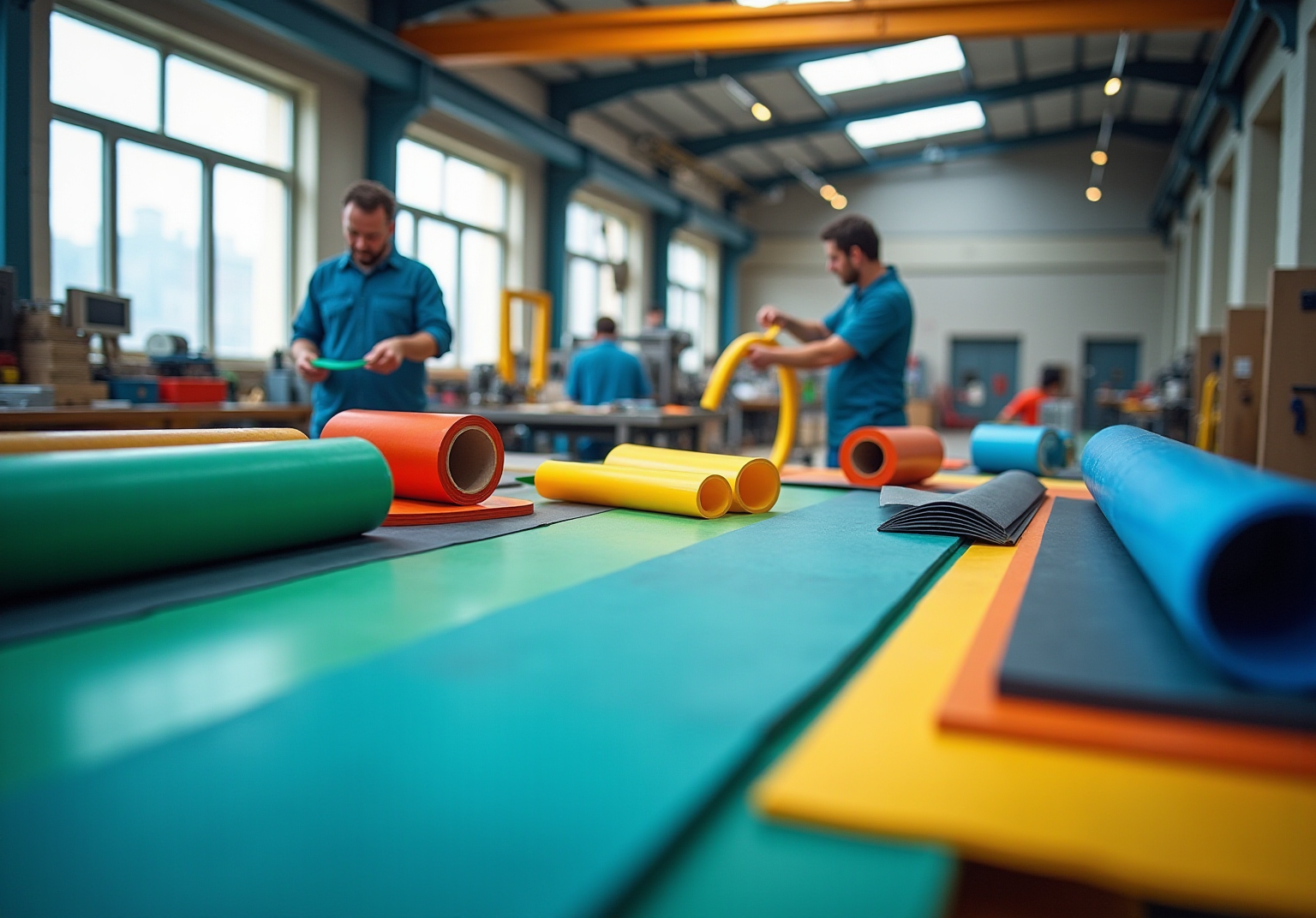
You know, like ridged PVC, pliable PVC, and flexible plastics are pretty amazing! They’re lightweight and can be shaped into all sorts of forms and sizes, making them perfect for things like packaging. Their flexibility means they can bend and stretch without losing their integrity, which is super important in tough environments where durability is required.
Now, let’s talk about colors and finishes! Flexible plastics can be made in a variety of shades, which really boosts their visual appeal for products that consumers see every day. Plus, the manufacturing process ensures that they’re consistently high quality and perform well, making them a go-to choice in many industrial applications.
And guess what? The applications are vast, especially in industries like food, beverage, and personal care. It just goes to show how versatile they are and how they meet diverse needs. So, next time you see a product made from these plastics, you might just appreciate the thought and innovation behind it!

Understand the Properties of Traditional Materials
You know, when it comes to manufacturing, we often think of conventional materials like metals, glass, and ceramics. They’ve been the go-to for ages because of their strength and durability. But here’s the catch: they come with some pretty significant downsides, especially when we need flexibility. Take metals, for instance. Sure, they’re strong, but their weight and rigidity can really limit how adaptable they are in complex designs. Plus, let’s not forget that making these conventional materials usually takes a lot of energy, which can drive up costs and harm the environment.
Now, let’s talk about flexible materials, including nylon, PVC, polyethylene, and polypropylene. These materials are shaking things up! They’re lighter, easier to mold into all sorts of shapes, and they require way less energy to produce. This shift towards flexible materials is a game-changer, particularly in industries that prioritize efficiency and innovation, such as automotive and consumer goods. By embracing materials like flexible plastics, manufacturers can reduce costs while also being kinder to the planet. Sounds like a win-win, right?
Take 'Lincoln Plastics,' which specializes in flexible solutions, for example. Their innovative solutions, like the Flexiduct system, illustrate how adopting flexible materials can enhance efficiency and sustainability. The Flexiduct system comes with 6’ pre-split lengths for easy installation, which means manufacturers can improve workplace safety and productivity. By using tailored extrusion profiles and flexible designs, Lincoln Plastics is really stepping up to meet the needs of modern manufacturing.
So, what do you think? Isn’t it time we consider making the switch to flexible materials for a more sustainable future?

Compare Key Criteria: Flexi Plastics vs. Traditional Materials
| Criteria | Flexi Plastics | Traditional Materials |
|---|---|---|
| Weight | Lightweight! This means you can ship more products at once, cutting down on shipping costs. Who doesn’t love saving a bit of cash? Heavier materials like flexi plastic can really add up, leading to higher shipping expenses and more fuel consumption. Not ideal, right? | |
| Flexibility | These plastics are highly adaptable! Flexi plastic adapts easily to different applications, making it perfect for dynamic environments. | |
| Traditional materials? Not so much. They’re rigid, which can limit how you use them in changing conditions. | ||
| Cost | Generally, flexi plastics have lower costs. They use less material and have efficient manufacturing processes that utilize flexi plastic. That’s a win-win! | |
| Traditional materials often come with higher costs due to their material and processing needs. | ||
| Durability | They’re tough! Flexi plastic is resistant to impact, ensuring they last in demanding applications. | |
| Traditional materials can be strong, but they might become brittle under certain conditions, which could lead to failures. | ||
| Many are recyclable and environmentally friendly. Using flexi plastic helps reduce waste. | ||
| On the flip side, traditional materials often use more energy in manufacturing and don’t focus as much on recyclability. | ||
| You can easily mold flexi plastics into complex shapes, allowing for tailored solutions that fit your specific needs. | ||
| Traditional materials have limited options, which can restrict your ability to meet unique requirements. |

Evaluate Pros and Cons of Each Material Type
When it comes to choosing materials, you might find yourself weighing the options between flexible plastics and traditional materials. Let’s break it down together, shall we?
Flexible plastics offer some great perks. The material is lightweight and cost-effective, making it a popular choice for many applications. Plus, they’re super adaptable! Just look at Lincoln Plastics, which uses various durometers of plastic and other materials to meet specific needs. And let’s not forget, they have a wide range of applications.
But, it’s not all sunshine and rainbows. Traditional materials can be a bit tricky. Did you know that they can be prone to corrosion? That’s a pretty low number! Also, while they’re versatile, they might not offer the same strength as metals, and some types have limited heat resistance.
Now, let’s talk about metals. These guys are durable, which is why they’ve stood the test of time in structural applications. They’re reliable and boast excellent tensile strength, too.
However, they do come with their own set of challenges. Metals tend to be heavier and less adaptable, which can be a drawback in some situations. Plus, the costs are usually higher, and customization options can be limited.
So, what’s the takeaway? Whether you lean towards flexible plastics or traditional materials, it’s all about finding the right fit for your needs. What do you think? Are you leaning one way or the other?

Conclusion
When you think about material choices in manufacturing, it’s clear that flexible plastics are shaking things up. By opting for these materials, industries can tap into their lightweight, adaptable, and cost-effective nature. This shift isn’t just about keeping up with the times; it’s also about being more sustainable and efficient in our operations. Who wouldn’t want that?
Throughout this discussion, we’ve seen some key benefits of flexible plastics. They often come with lower production costs, are recyclable, and can be customized to fit specific needs. On the flip side, traditional materials, while strong and durable, can be pricier and less adaptable. So, when it comes to choosing the right material-whether for OEM machinery, cable protection systems, or other industrial uses-understanding these differences is crucial.
So, what’s the takeaway? The choice between flexible plastics and traditional materials should really come down to knowing their pros and cons. As industries continue to evolve, embracing innovative materials like flexible plastics can lead to better efficiency and sustainability. It’s time for manufacturers to rethink their material choices for a future that’s not just brighter, but also more adaptable. Ready to make that change?
Frequently Asked Questions
What are some examples of flexible plastics?
Examples of flexible plastics include polyethylene (PE), ridged PVC, pliable PVC, and polypropylene (PP).
What are the key characteristics of flexible plastics?
Flexible plastics are lightweight, can be shaped into various forms and sizes, and can bend and stretch without losing their integrity, making them durable in tough environments.
How do colors and finishes affect flexible plastics?
Flexible plastics can be produced in a variety of shades, enhancing their visual appeal for consumer products.
What manufacturing process is used for flexible plastics?
The extrusion process is used to create flexible plastics, ensuring consistent high quality and performance.
In which industries is the demand for flexible plastics increasing?
The demand for flexible plastics is rising in industries such as food, beverage, and personal care.
Why are flexible plastics important in modern manufacturing?
Their versatility and durability make flexible plastics crucial in many industrial applications, reflecting their significance in contemporary manufacturing.
List of Sources
- Explore the Characteristics of Flexible Plastics
- turnergroup.net (https://turnergroup.net/2026-challenges-and-opportunities-for-plastics-processing)
- mordorintelligence.com (https://mordorintelligence.com/industry-reports/united-states-flexible-plastic-packaging-market)
- futuremarketinsights.com (https://futuremarketinsights.com/reports/flexible-plastic-packaging-market)
- Plastics Industry Faces Cost and Policy Pressures (https://plasticstoday.com/industry-trends/plastics-industry-faces-mounting-challenges-in-2026)
- earth.org (https://earth.org/plastic-pollution-quotes)
- Understand the Properties of Traditional Materials
- action-audit.com (https://action-audit.com/blog/quotes-that-shaped-the-face-of-the-manufacturing-industry-part-one-2025-03-04)
- global.noharm.org (https://global.noharm.org/focus/plastics/case_studies)
- glassonweb.com (https://glassonweb.com/article/reducing-environmental-footprint-glass-manufacturing)
- Compare Key Criteria: Flexi Plastics vs. Traditional Materials
- 11 Great Quotes for Procurement Professionals | Vroozi (https://vroozi.com/blog/11-great-quotes-for-procurement-professionals)
- marketsandmarkets.com (https://marketsandmarkets.com/PressReleases/flexible-packaging.asp)
- Plastic Supply Chain: The Impact From Flexible Packaging (https://plasticsindustry.org/articles/impact-flexible-packaging-plastic-supply-chain)
- smithers.com (https://smithers.com/resources/2021/mar/flexible-pack-cost-effective-recyclable-solutions)
- Flexible Plastic: Key Benefits and Applications Revealed (https://dallasplastics.com/blog/flexible-plastic-benefits-and-applications)
- Evaluate Pros and Cons of Each Material Type
- Plastics Industry Faces Cost and Policy Pressures (https://plasticstoday.com/industry-trends/plastics-industry-faces-mounting-challenges-in-2026)
- Flexible plastic packaging: regulation and sustainability (https://packaginginsights.com/news/flexible-packaging-regulation-recyclability-trends.html)
- 12 Recycling and Sustainability Quotes to Inspire Kindness to our Earth (https://harmony1.com/recycling-sustainability-quotes)
Related posts

Discover essential strategies on how to improve quality in manufacturing effectively.


Discover the top 10 benefits of plastic angles for enhancing manufacturing efficiency and safety.
Optimize your manufacturing process with coextrusion for efficiency, quality, and design flexibility.
